The Same Sky, Otherwise
A Global Collaborative Photography Project
Kim Richardson (USA) with Keith Grosbeck (Canada)
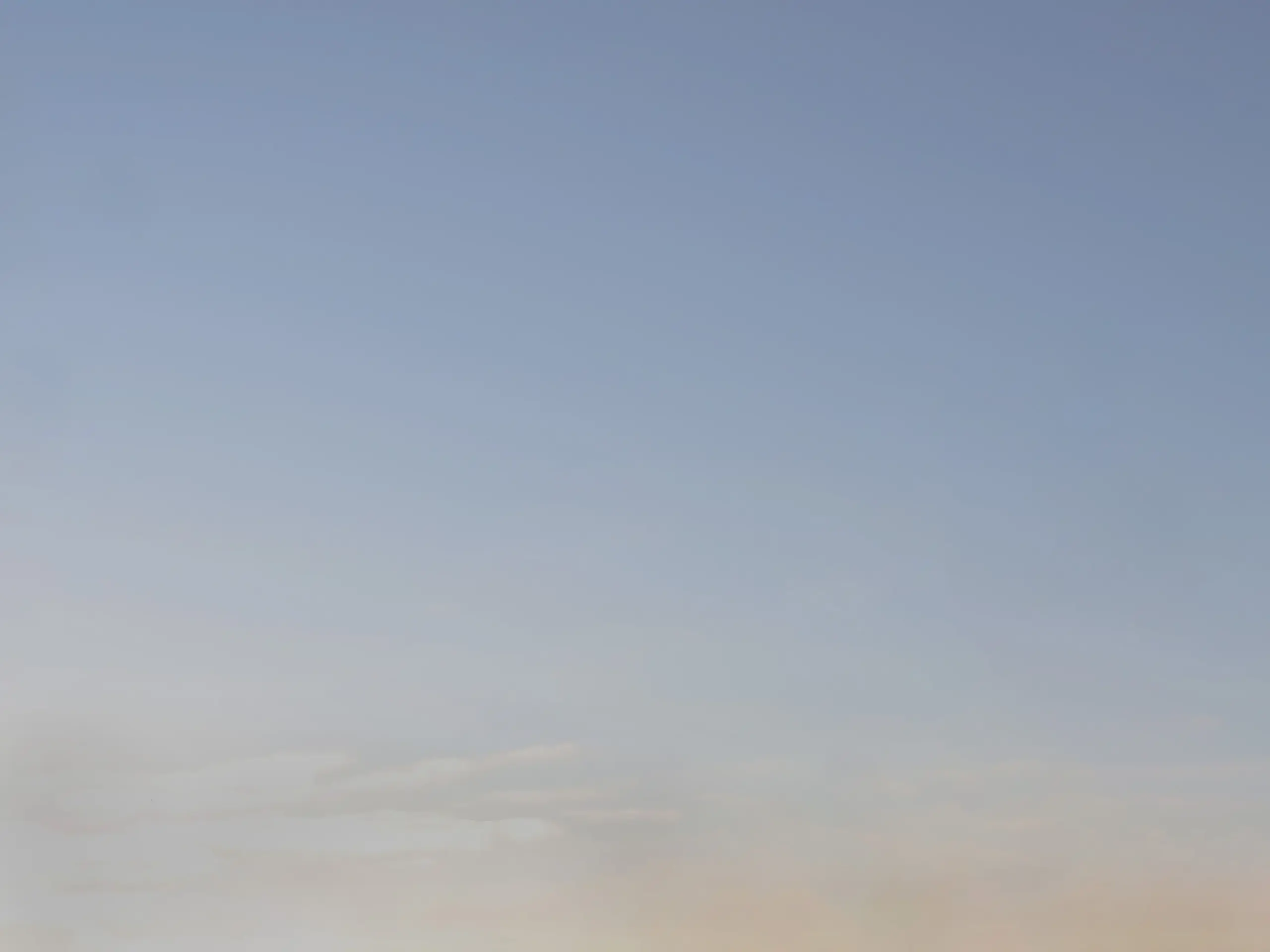
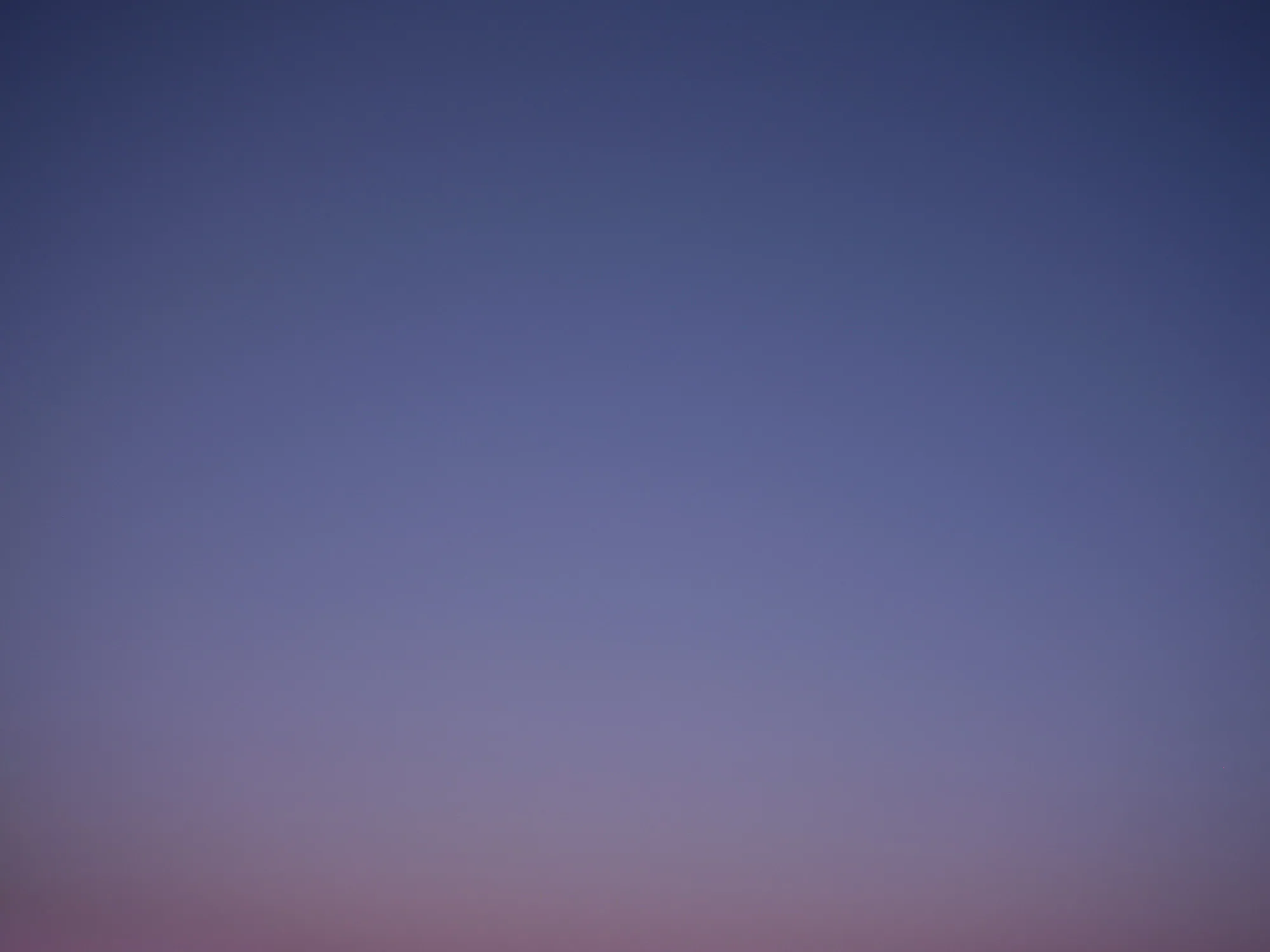
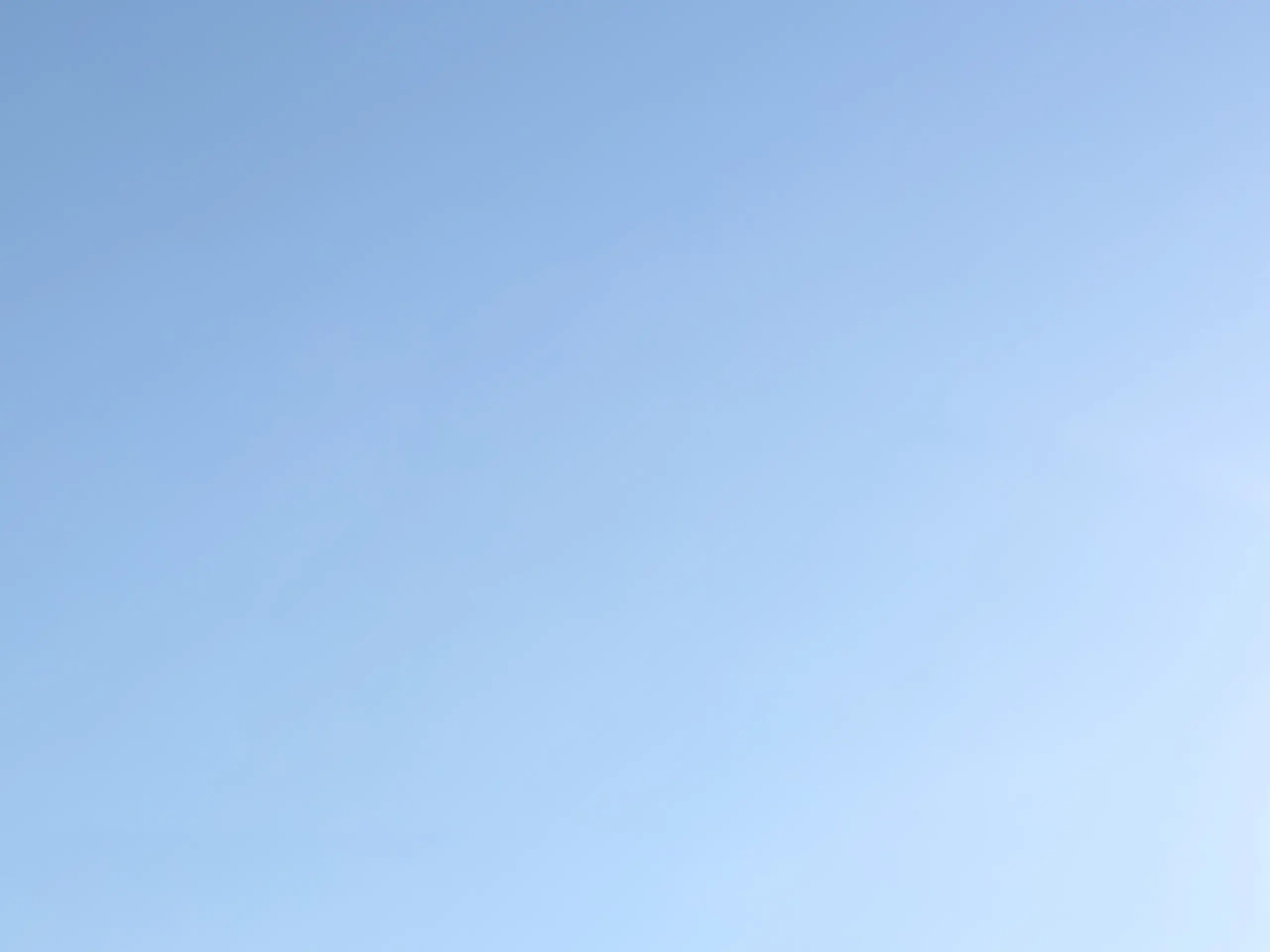
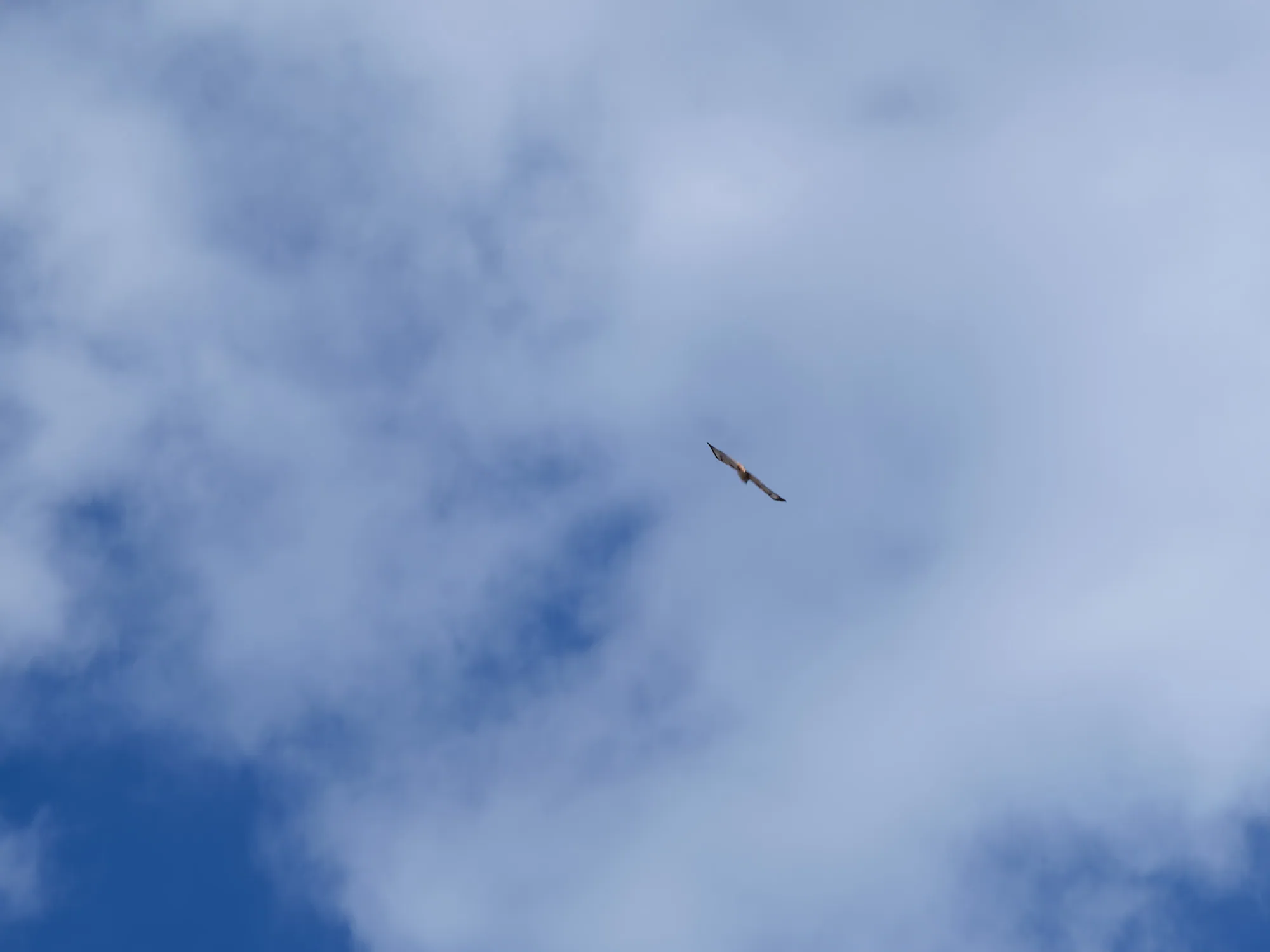
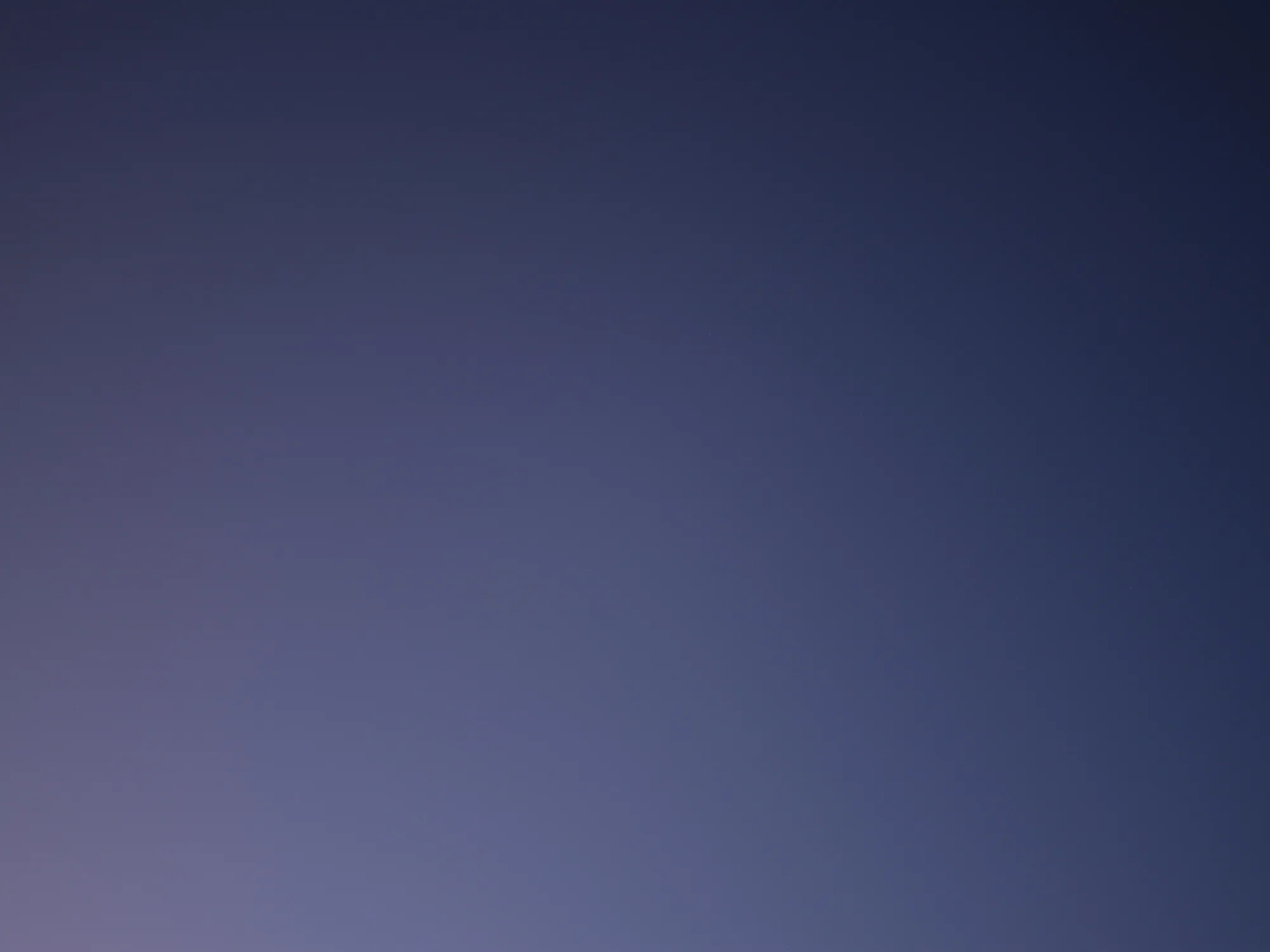
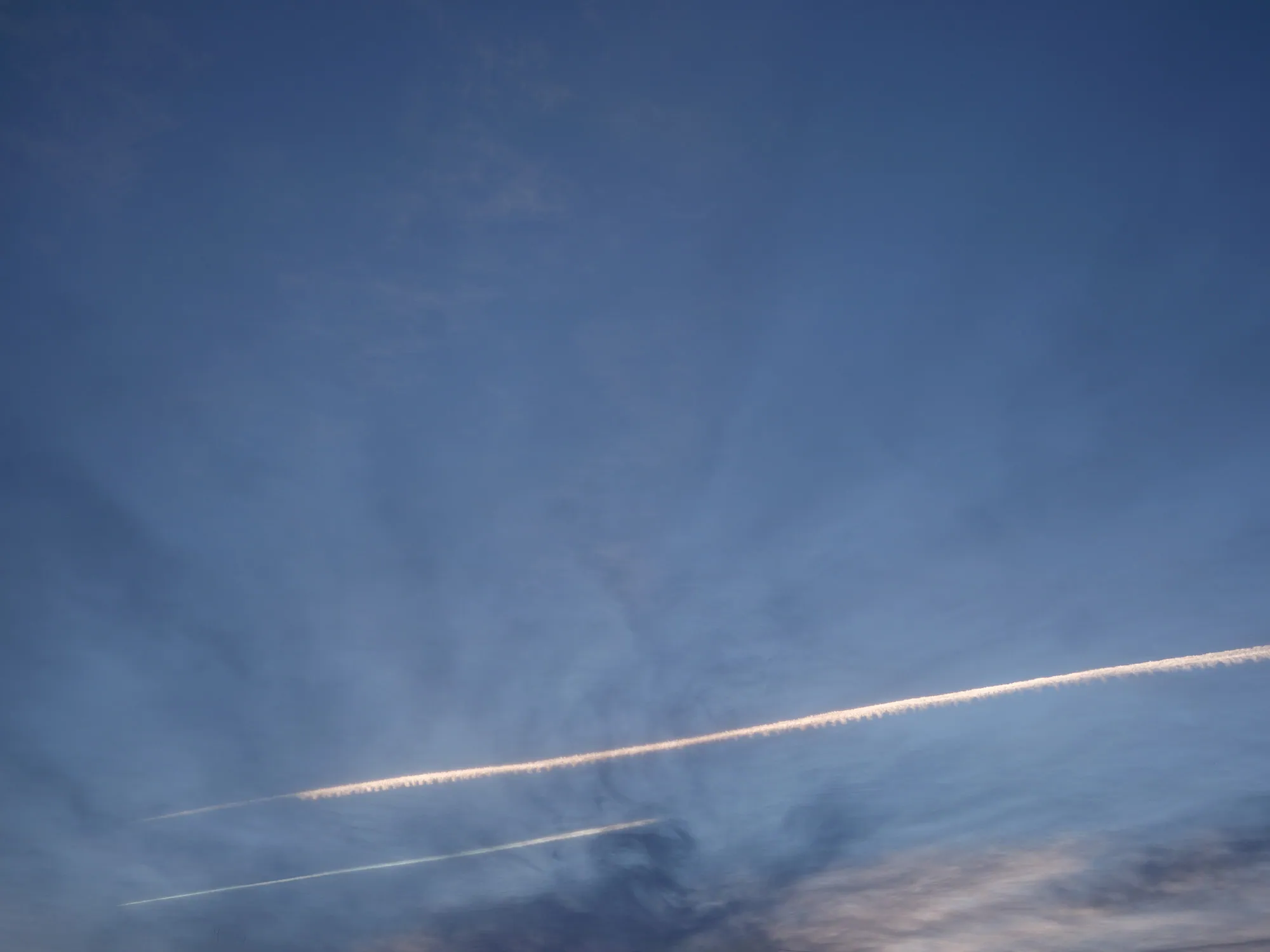
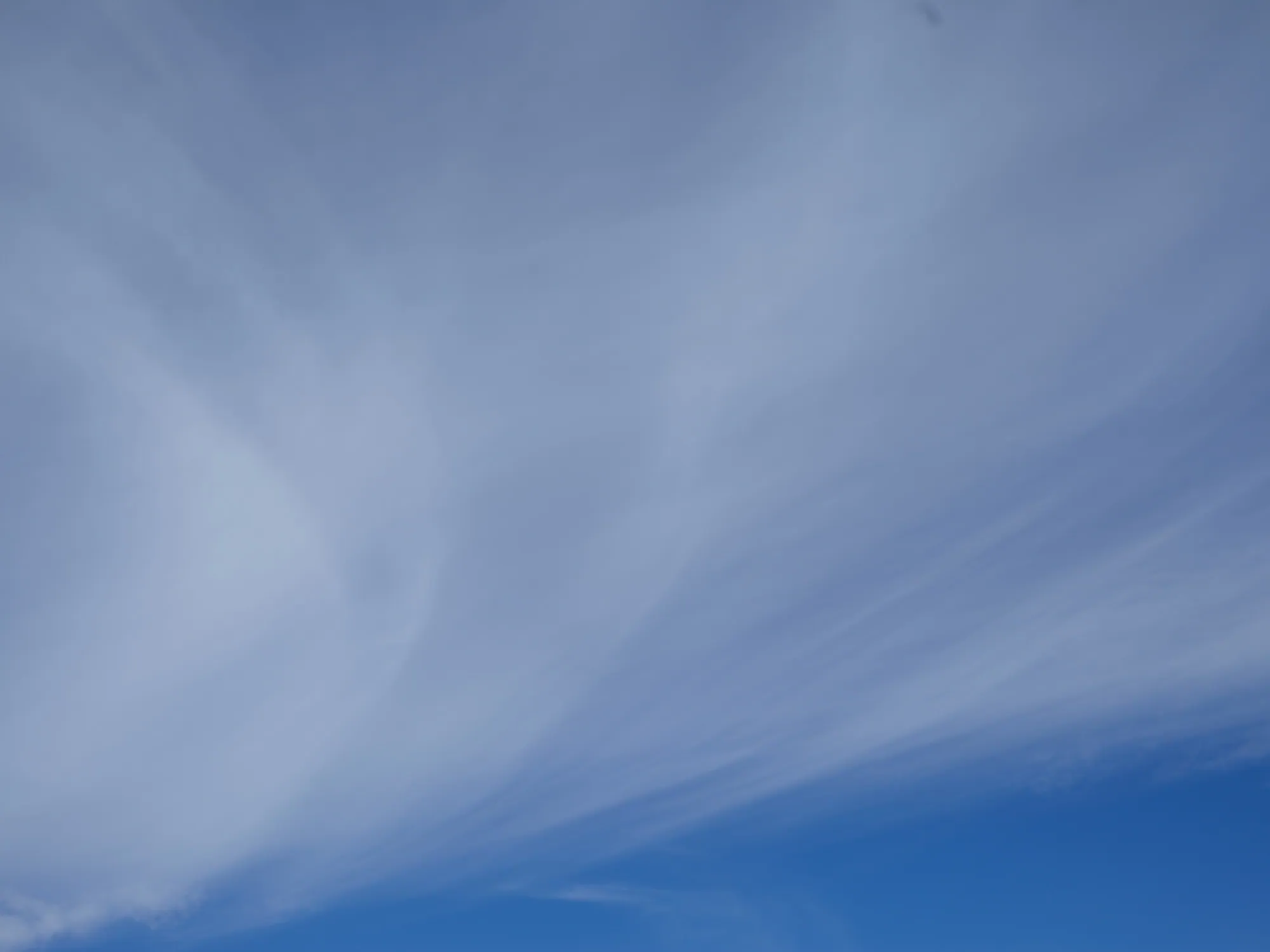
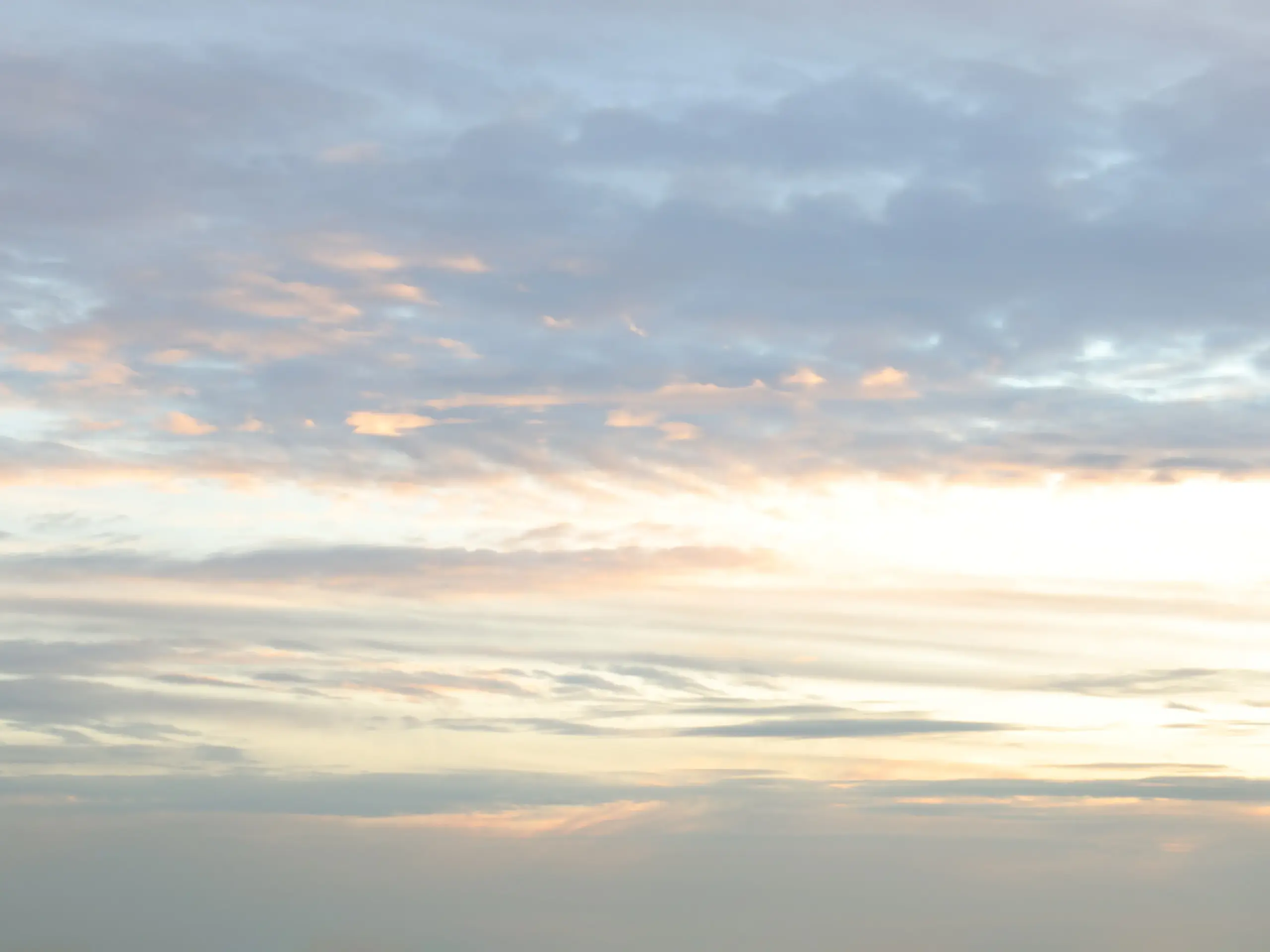
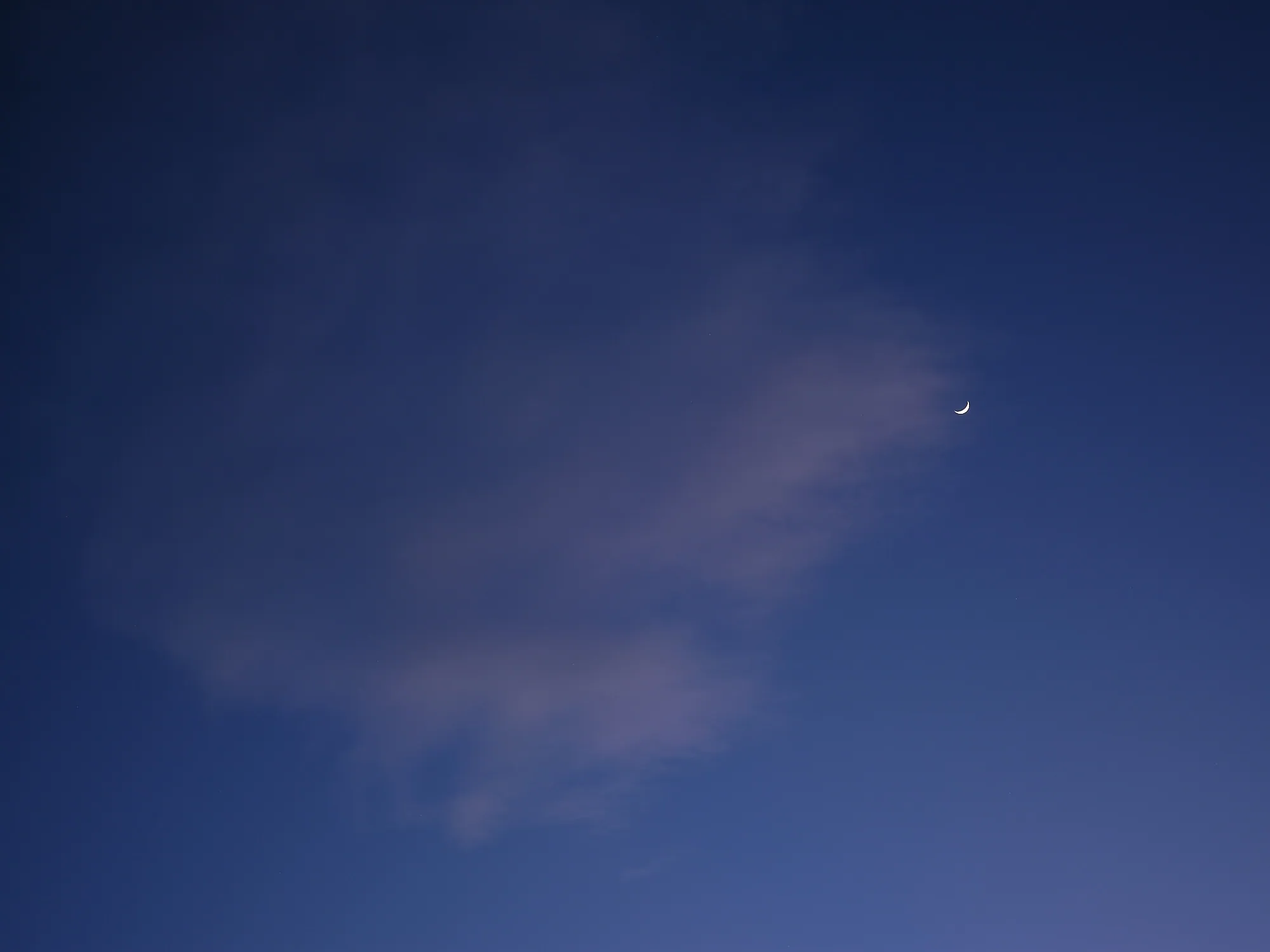
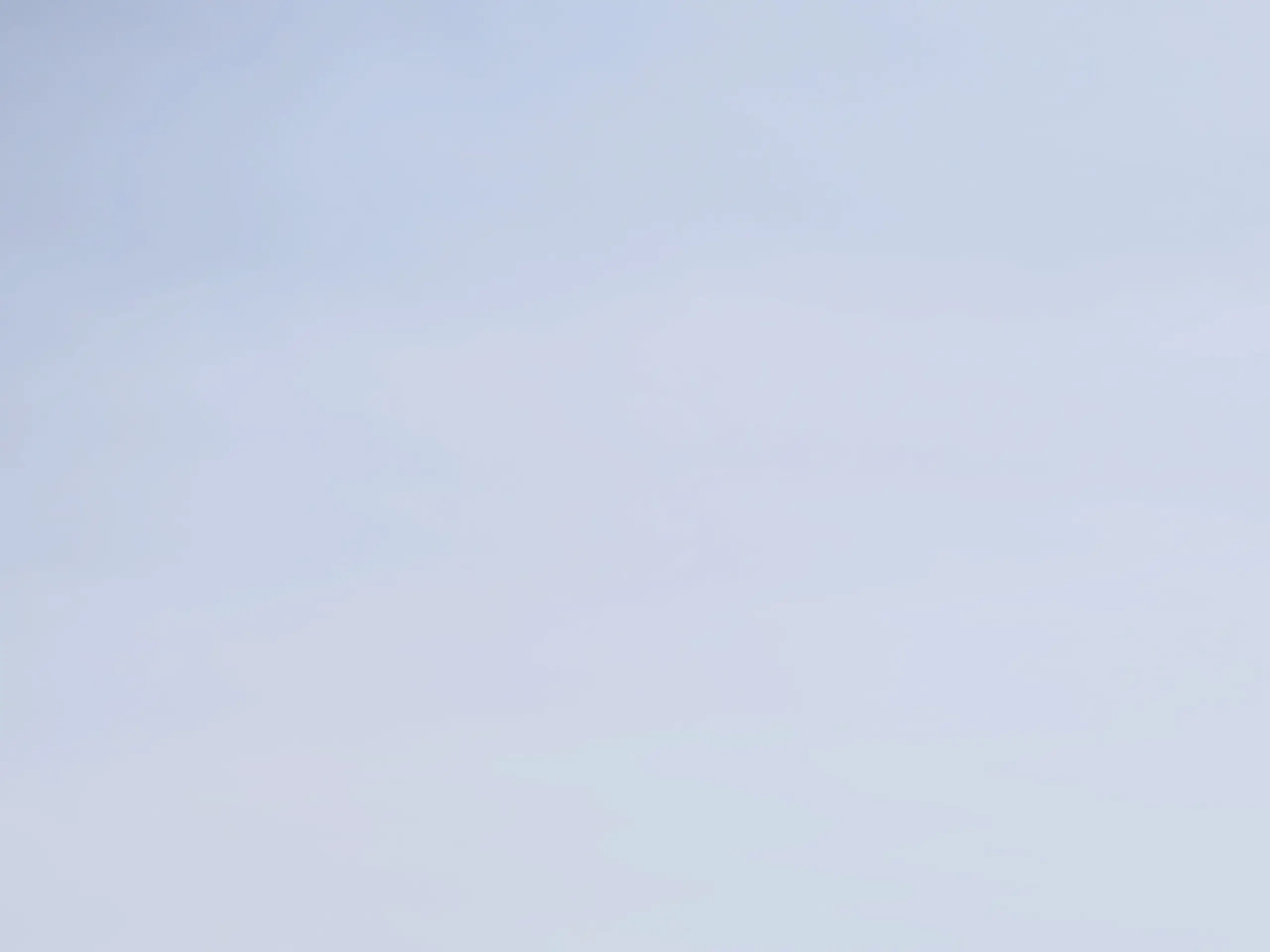
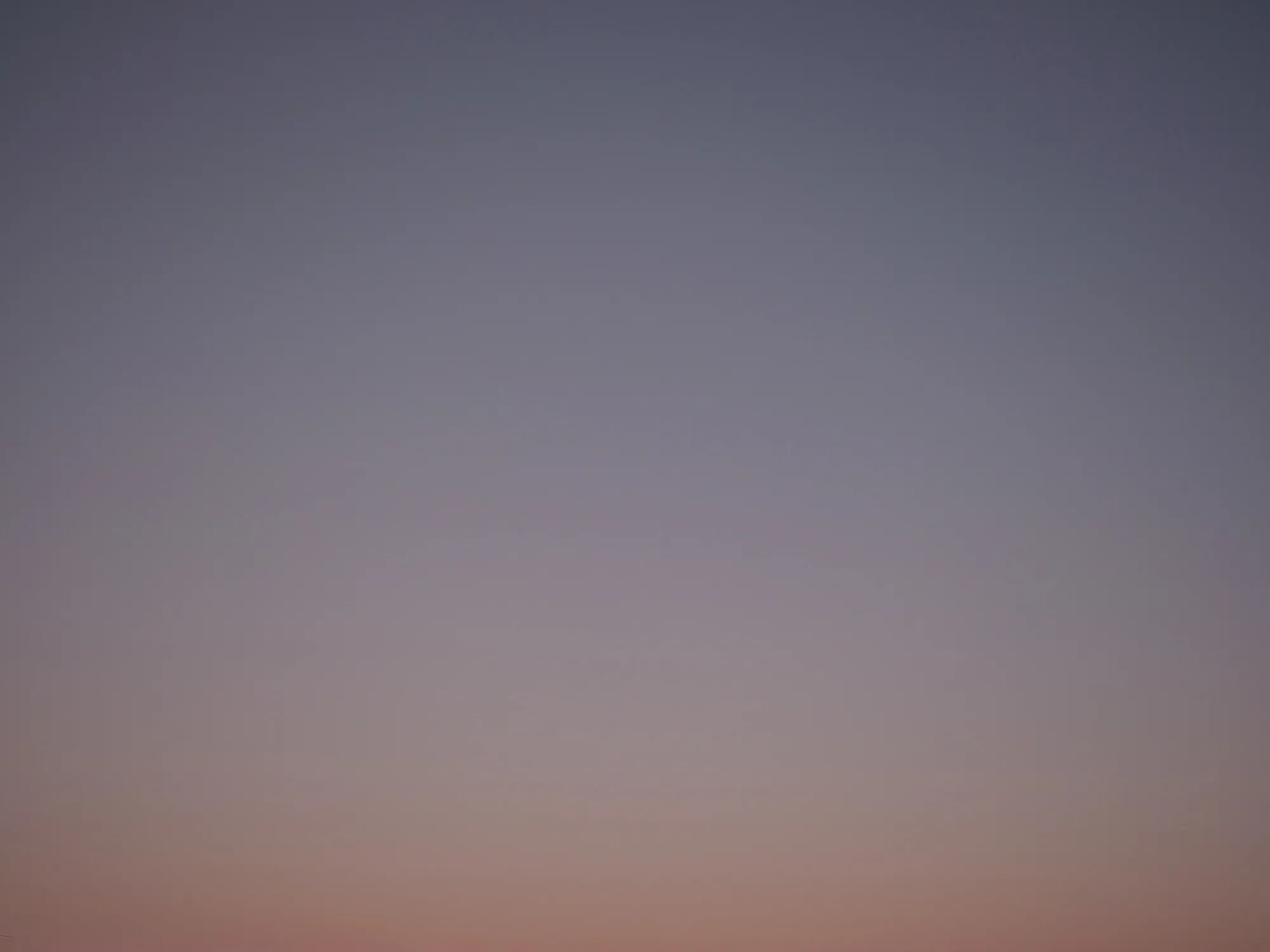
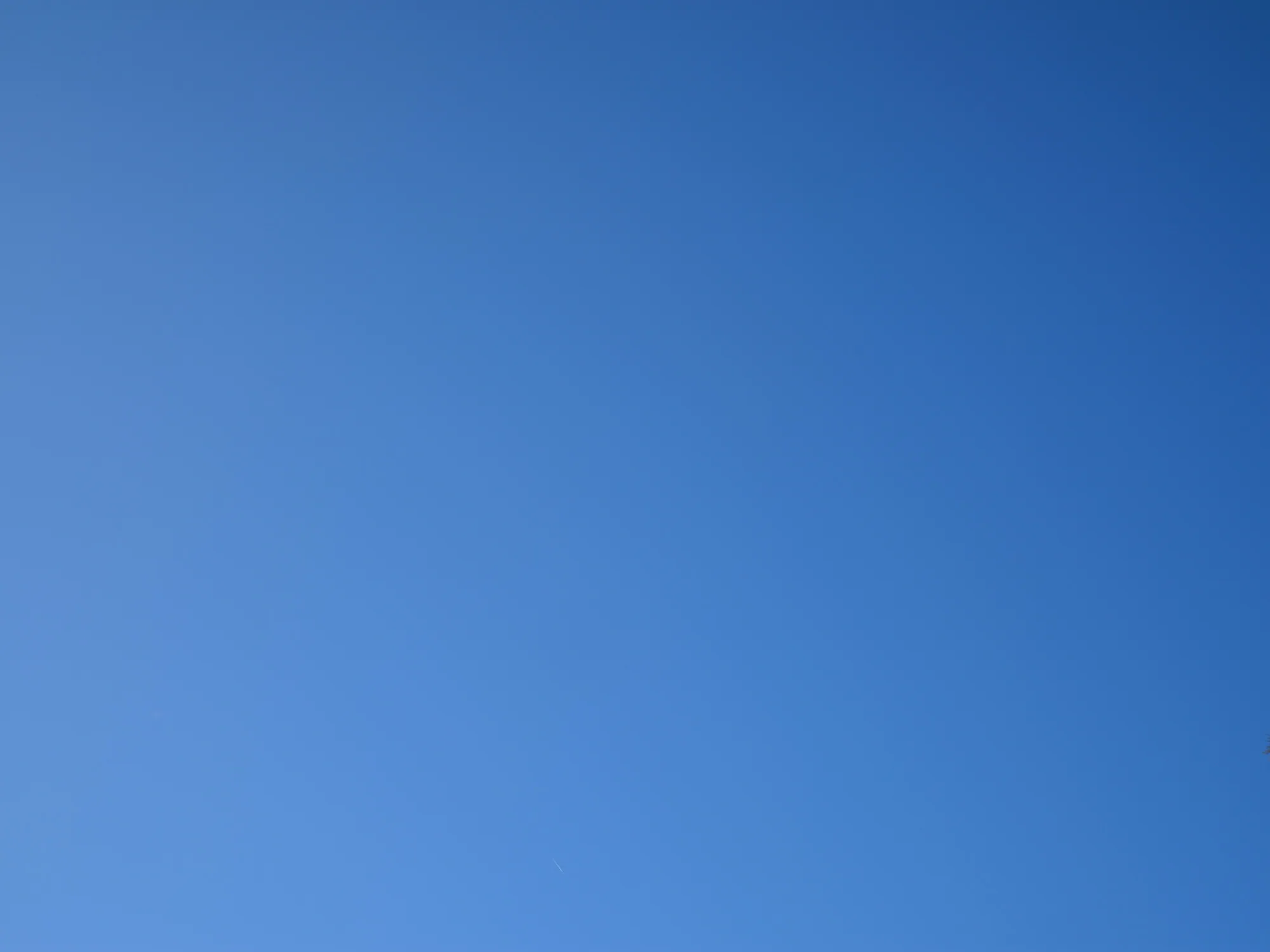
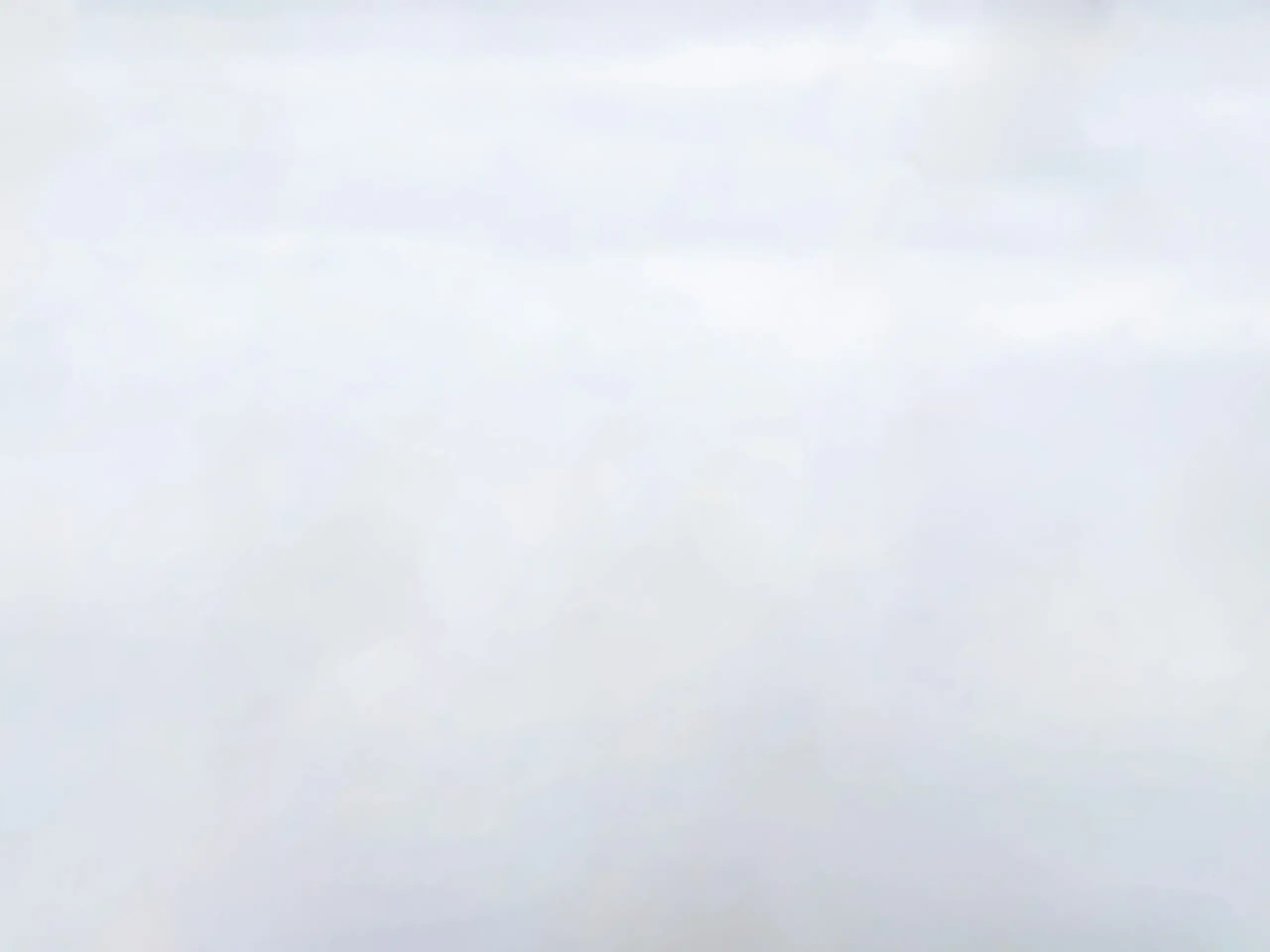
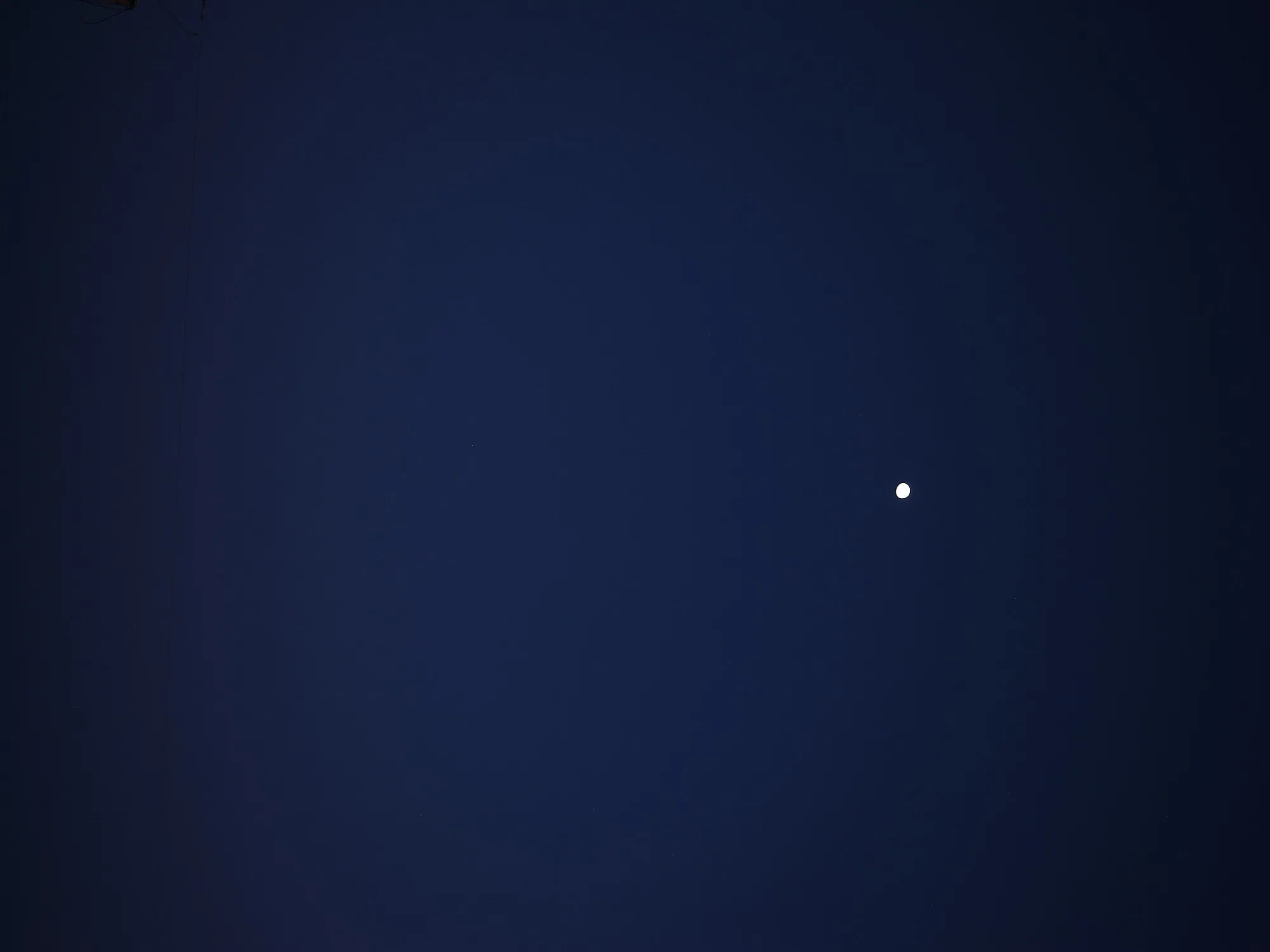
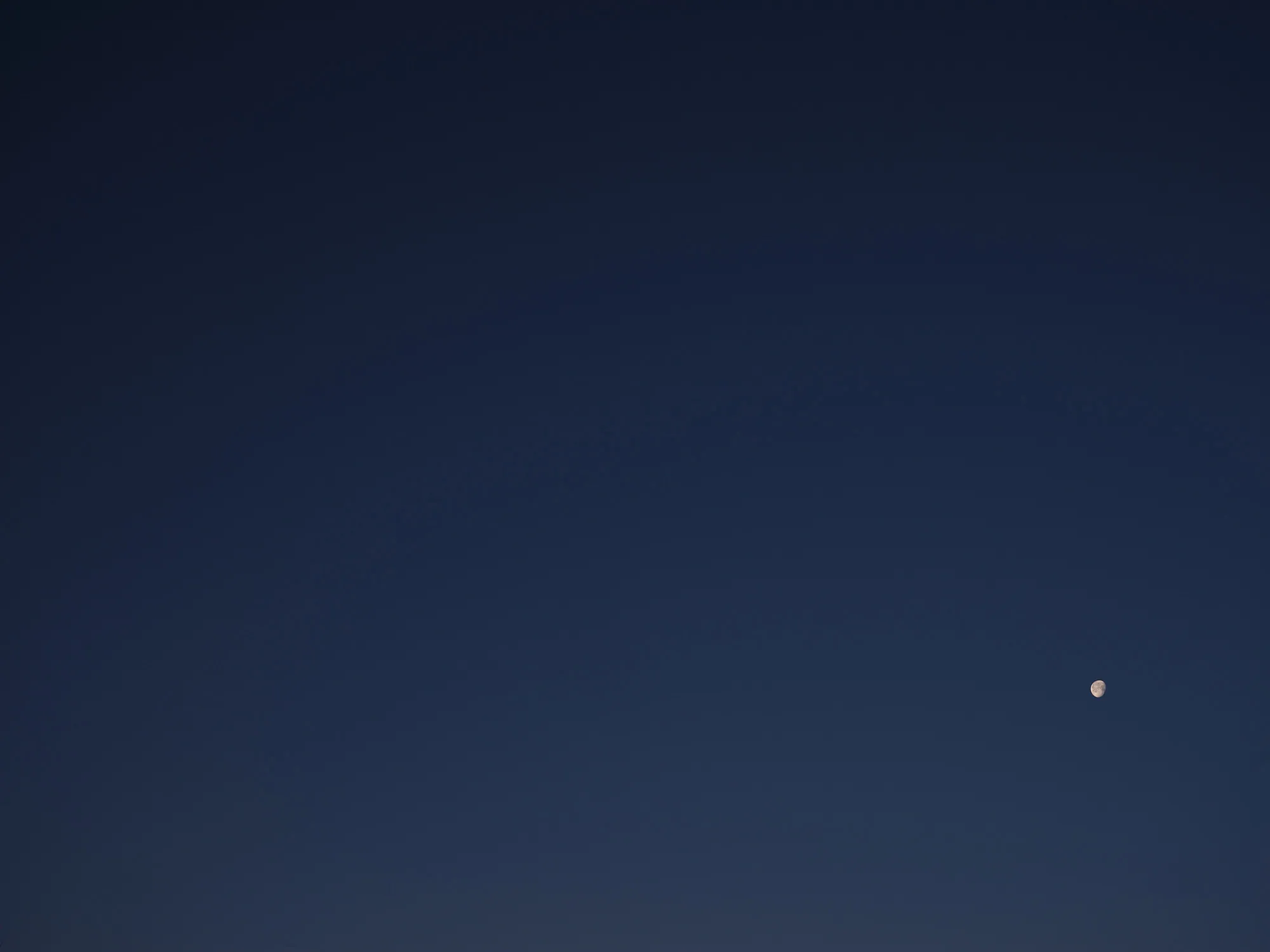
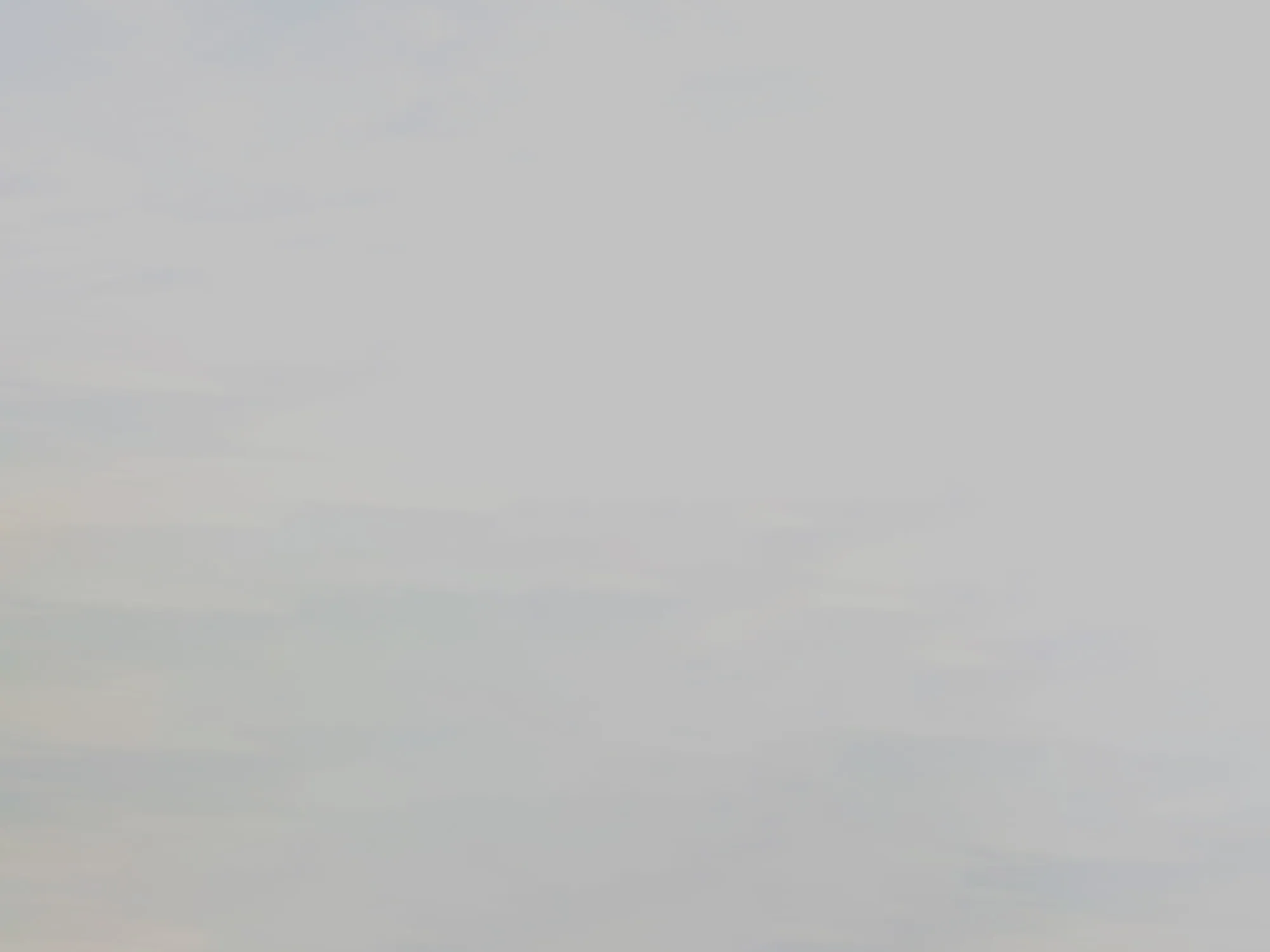
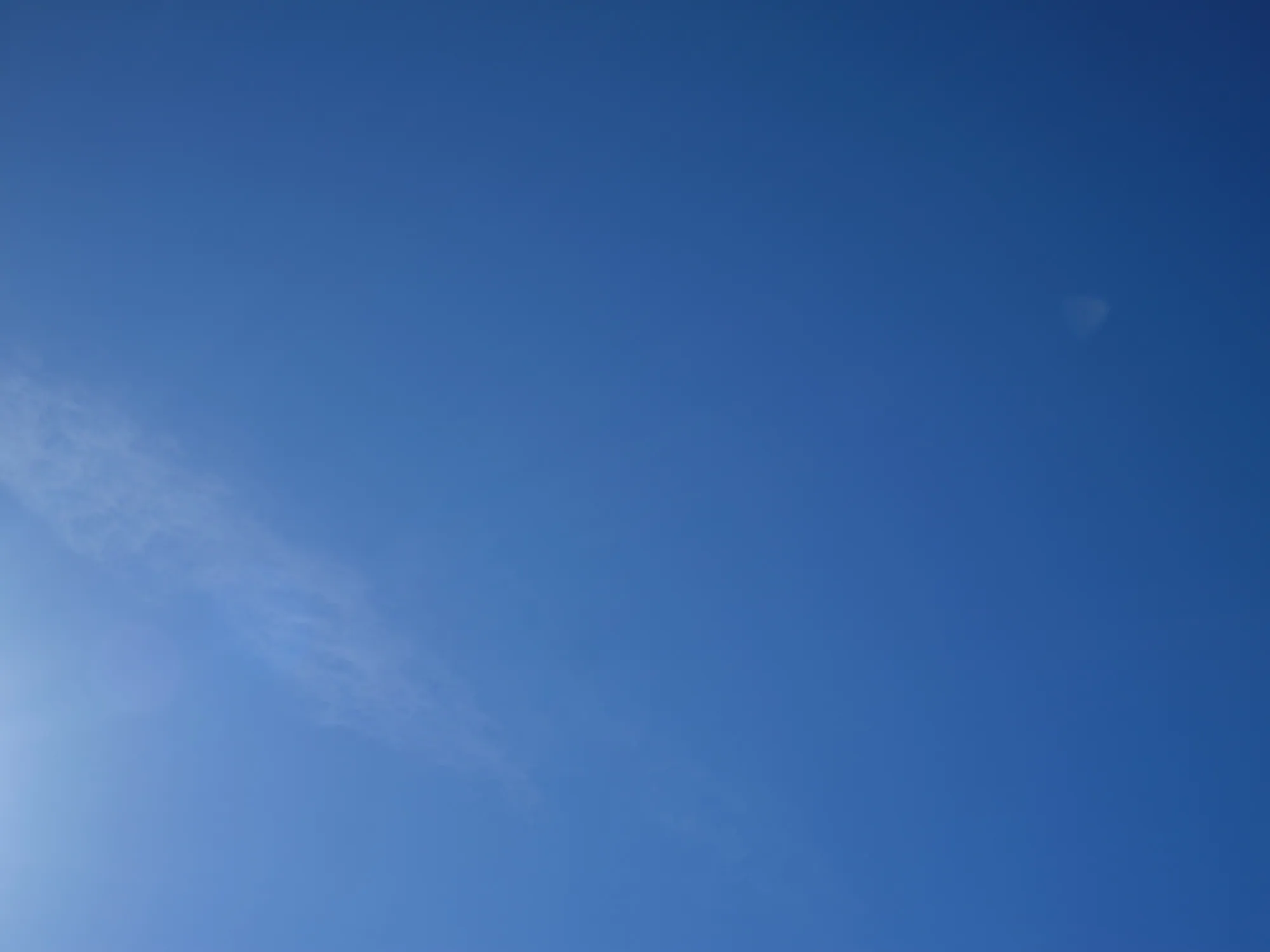
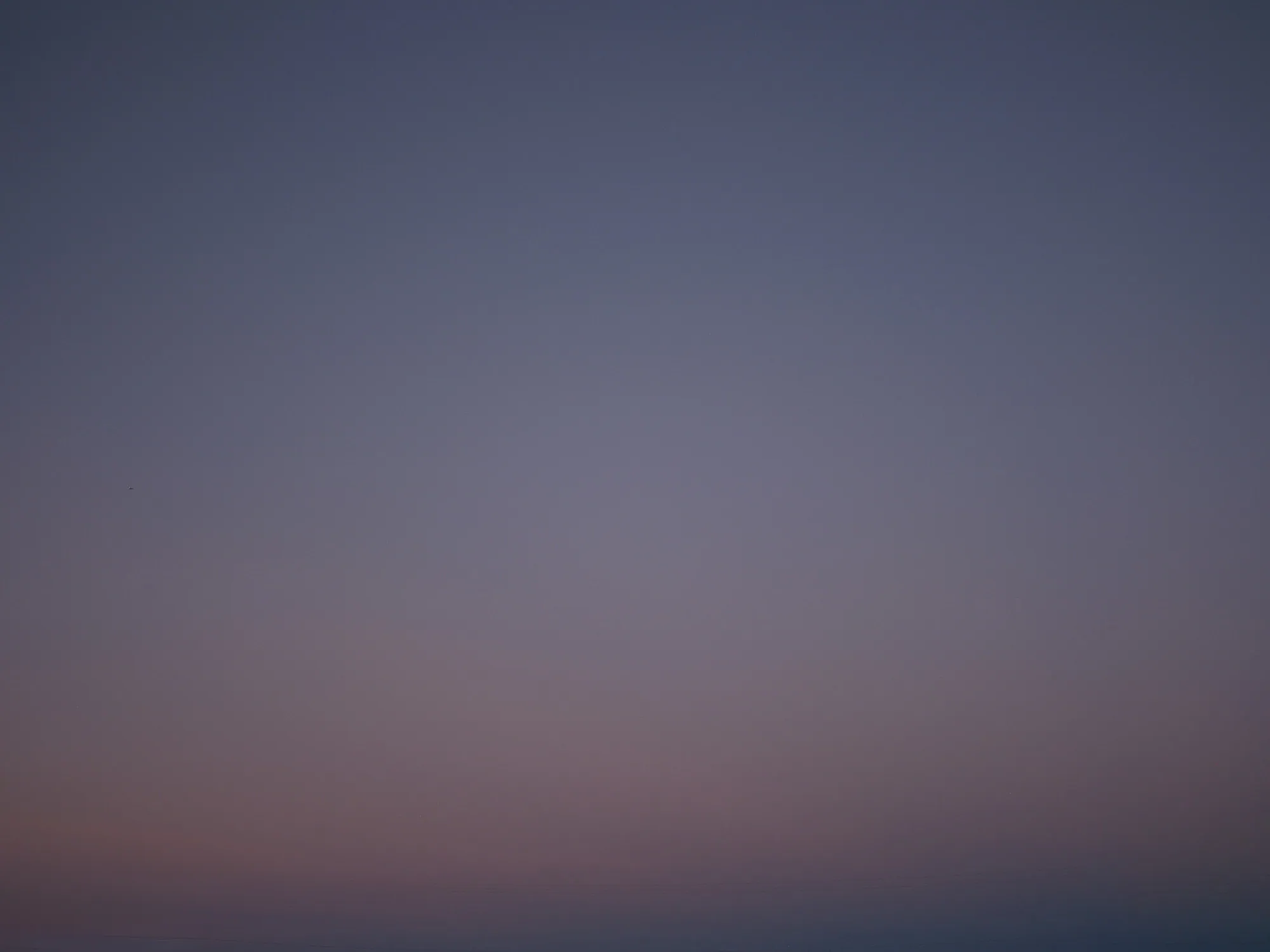
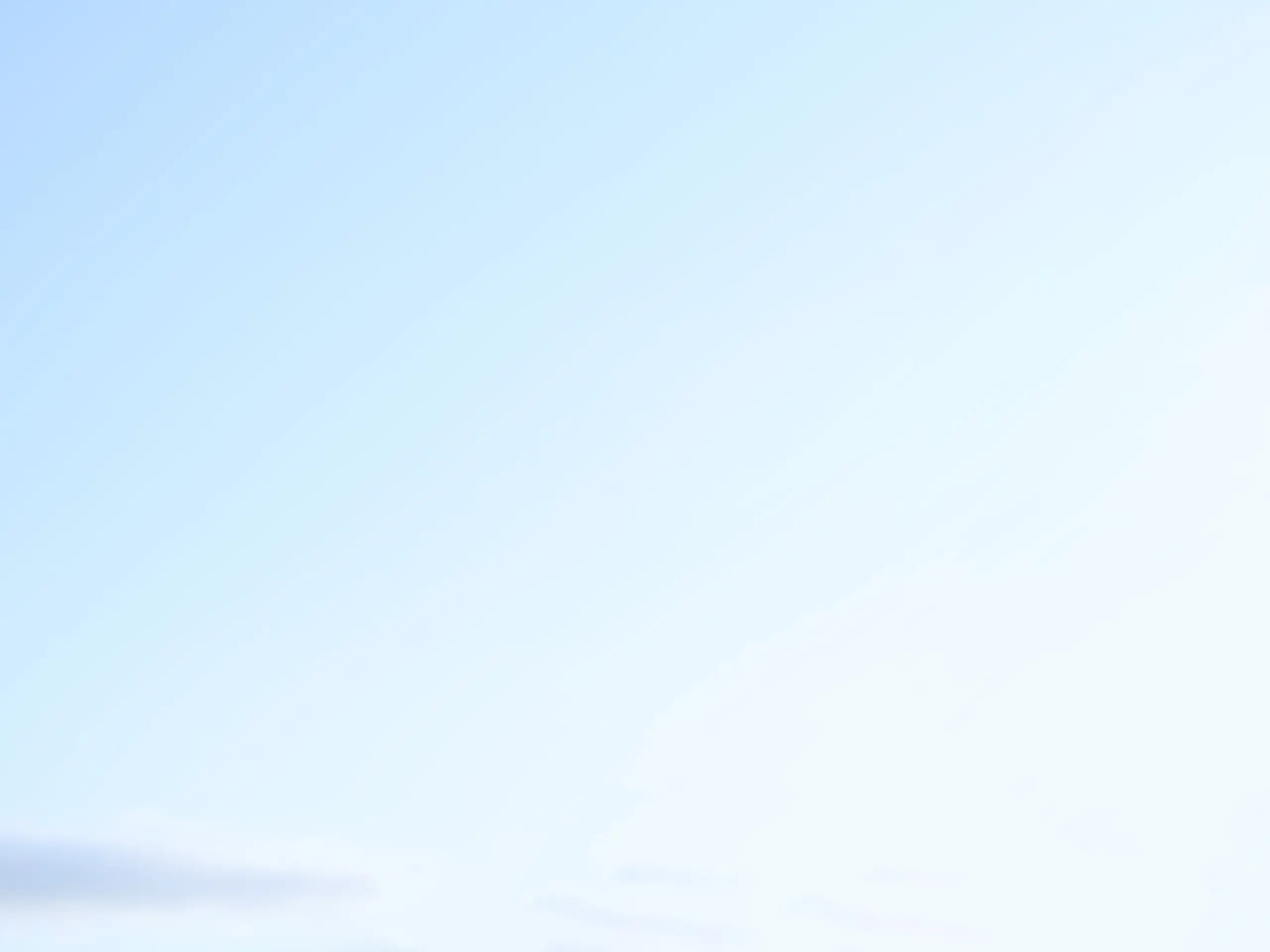
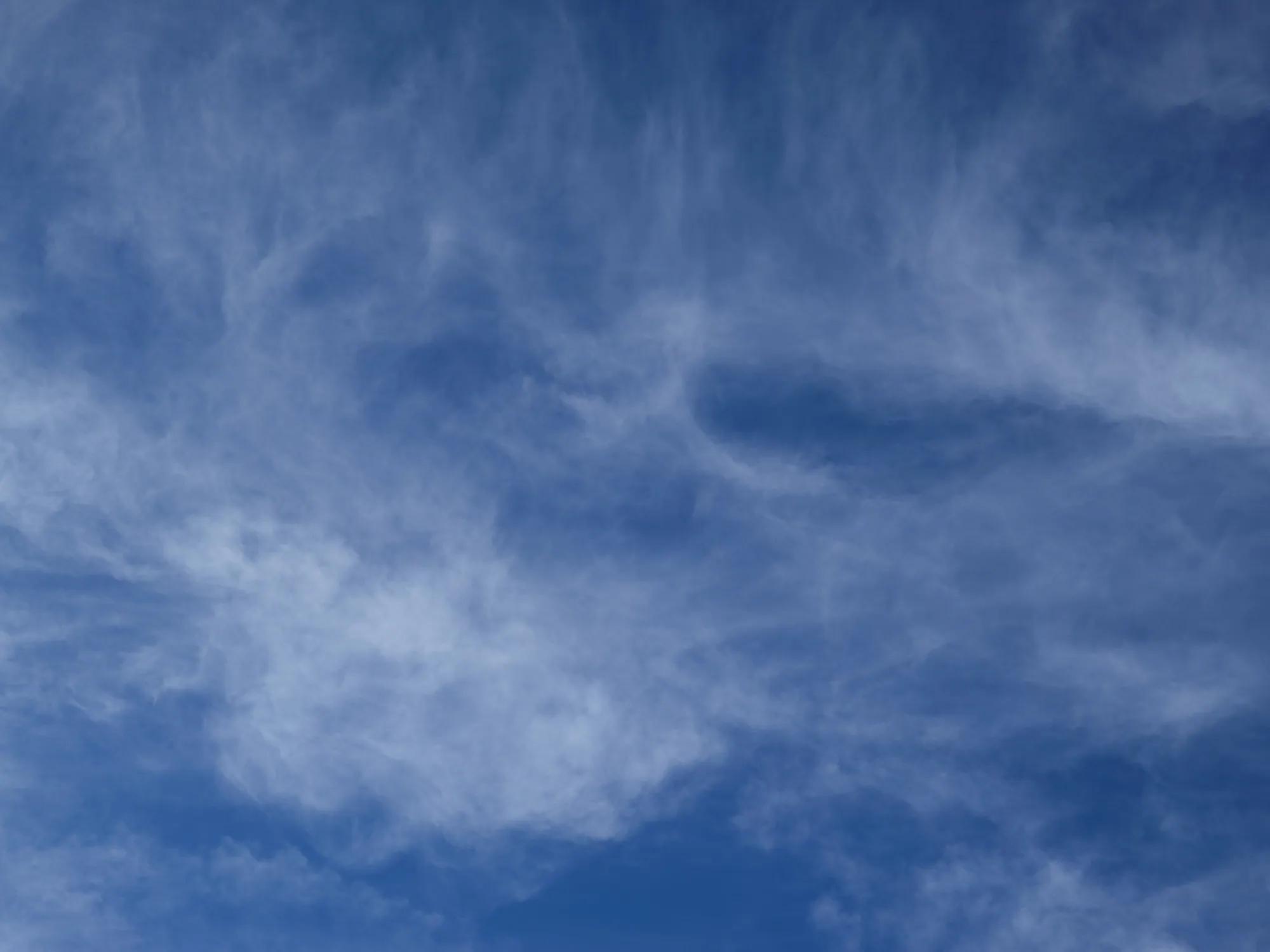
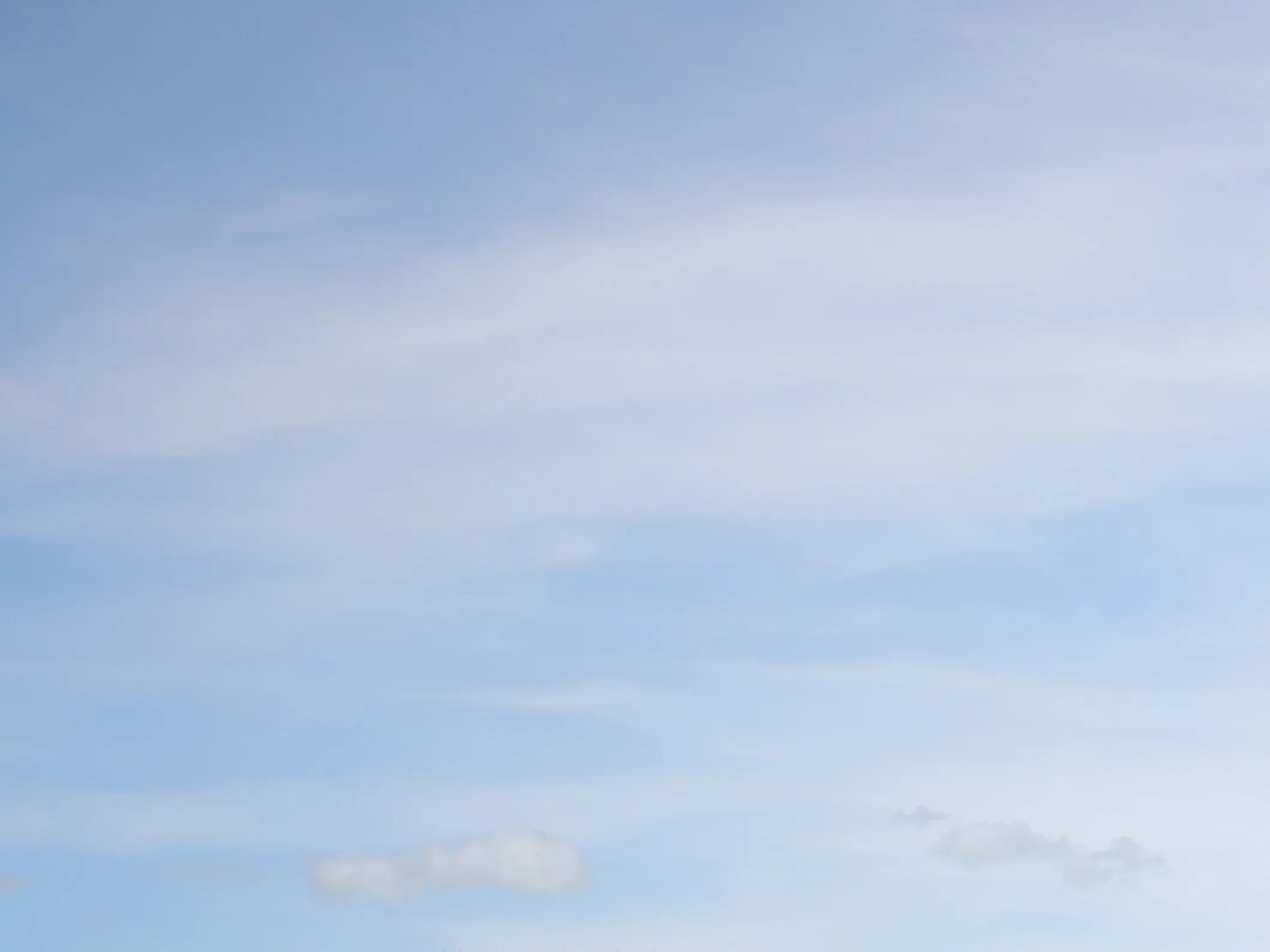
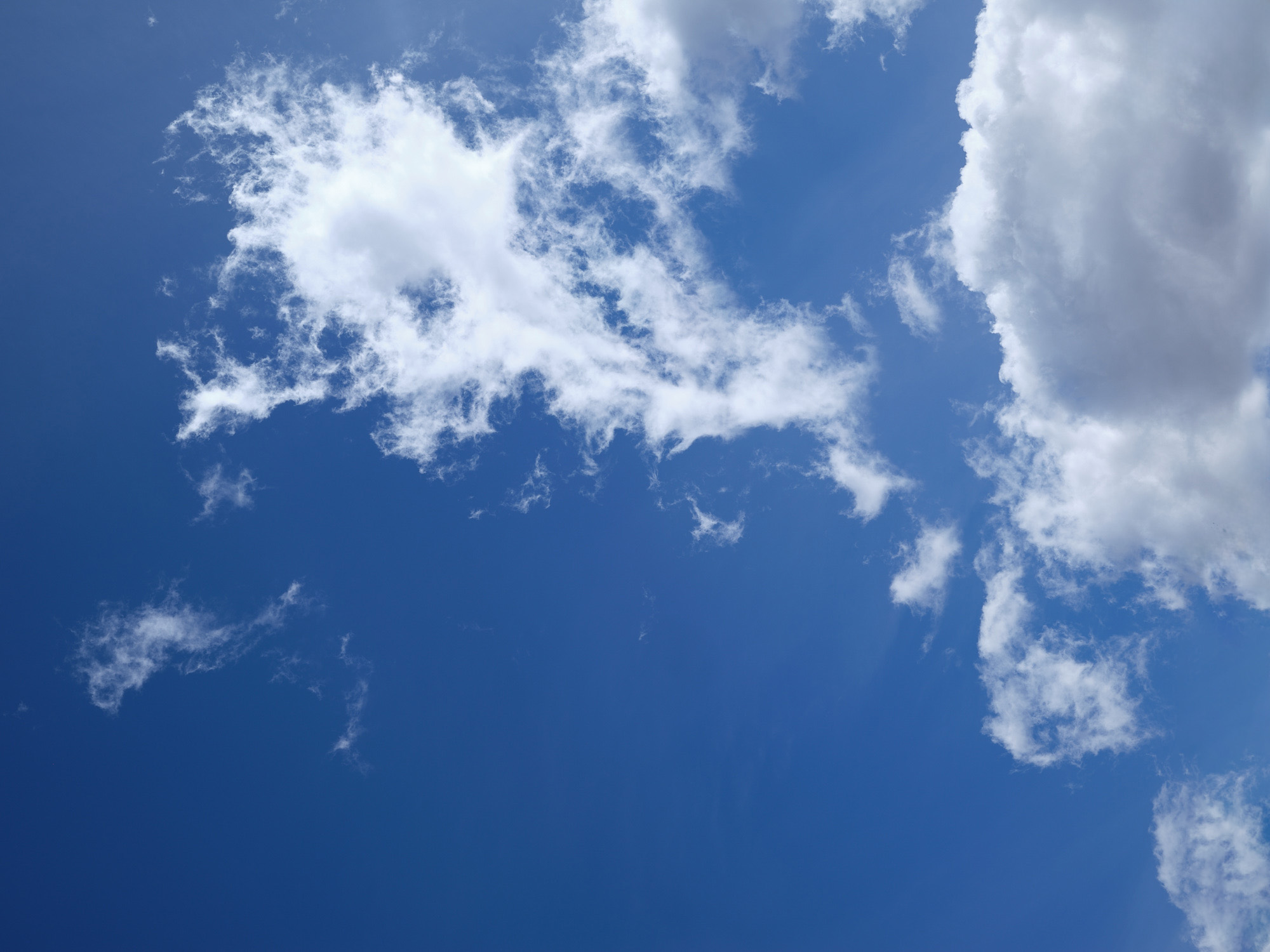
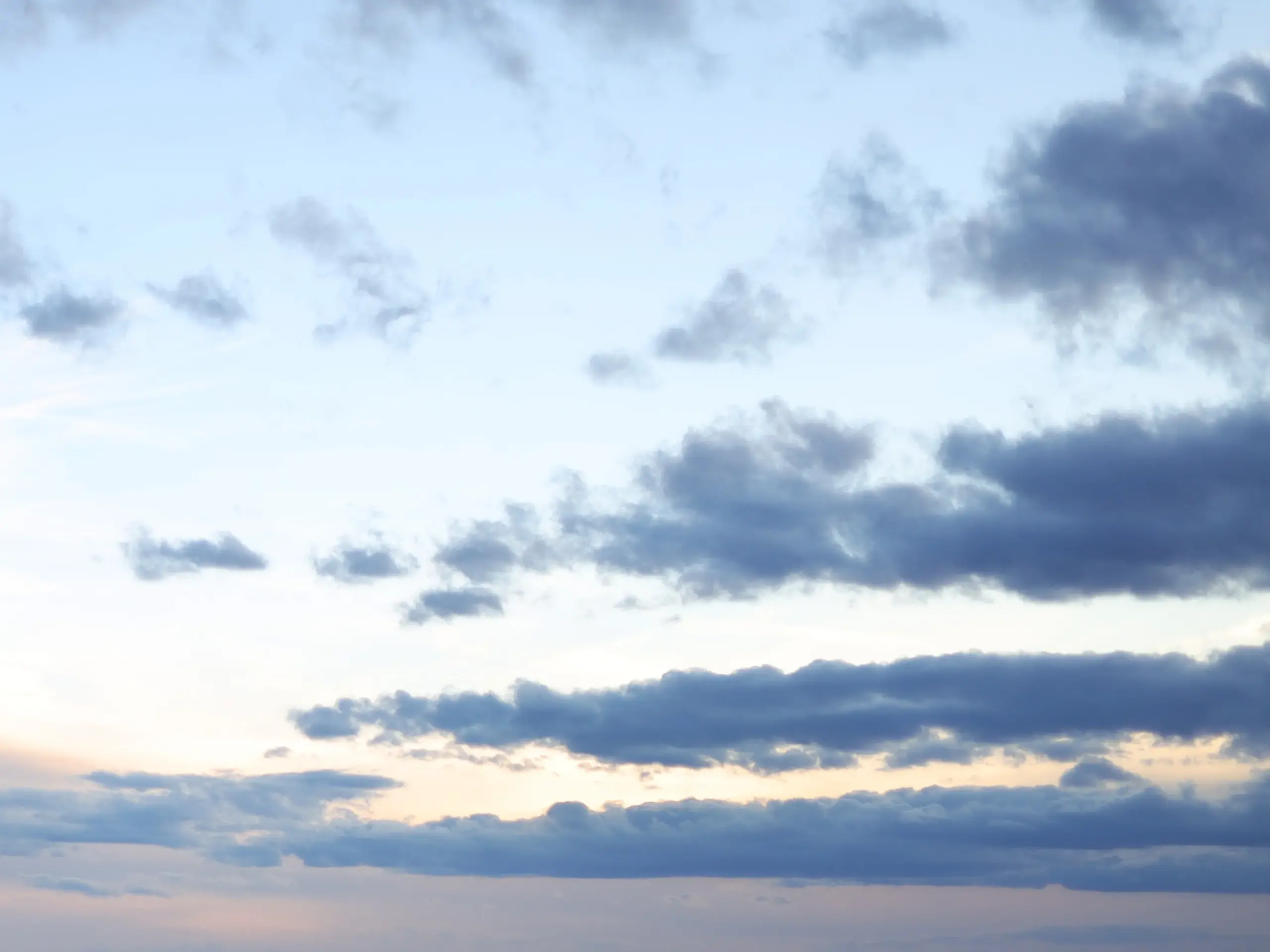
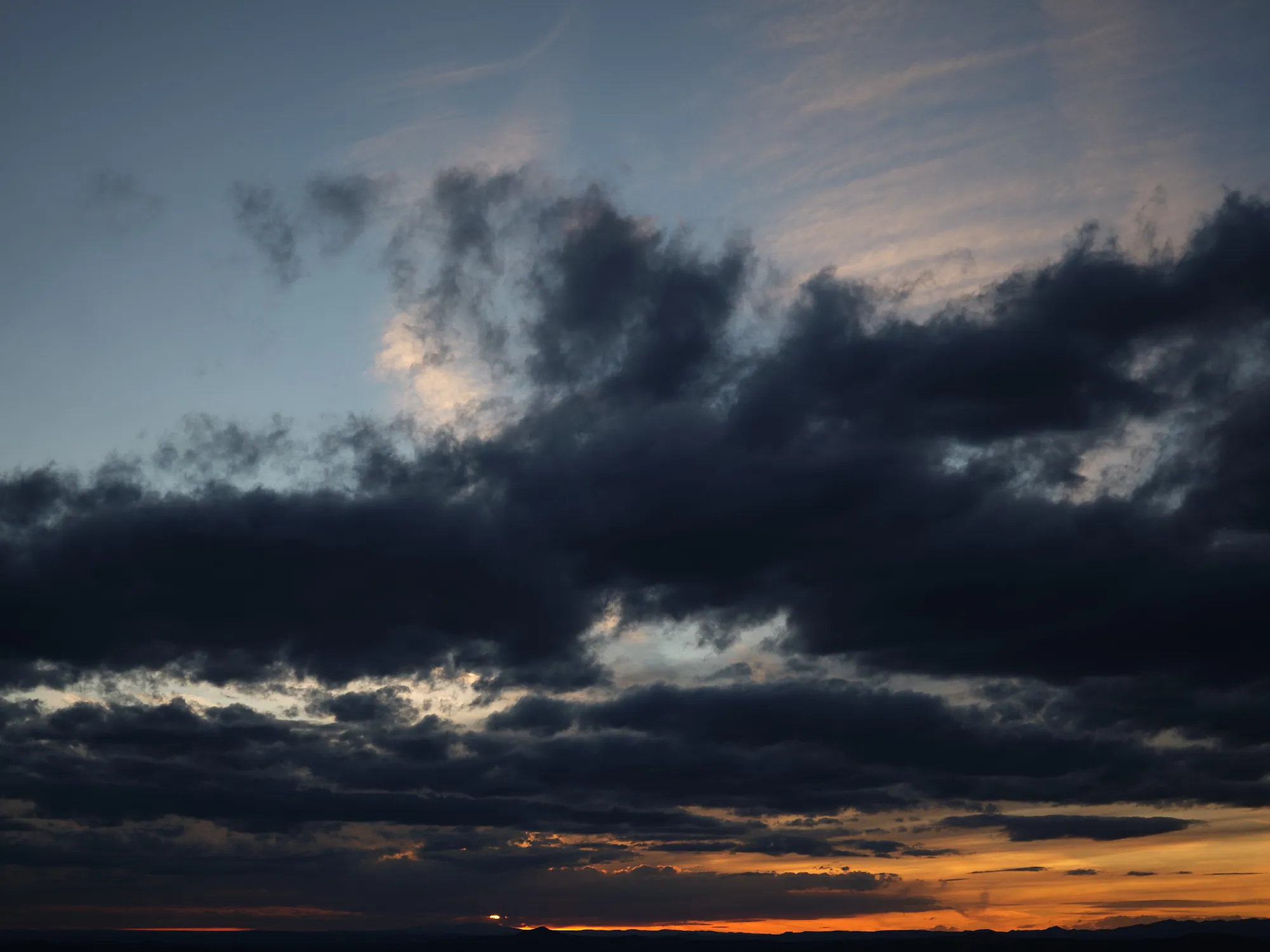
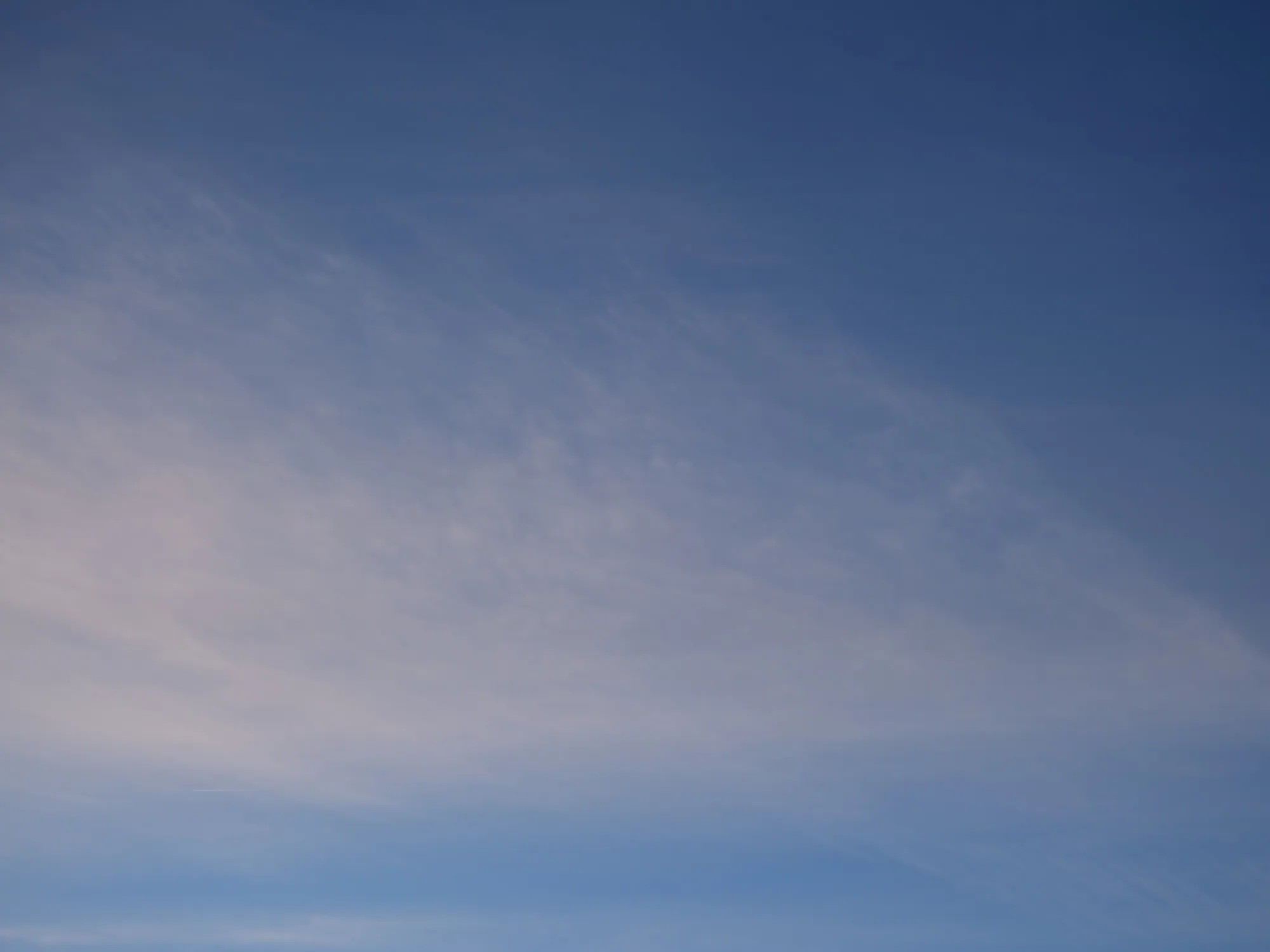
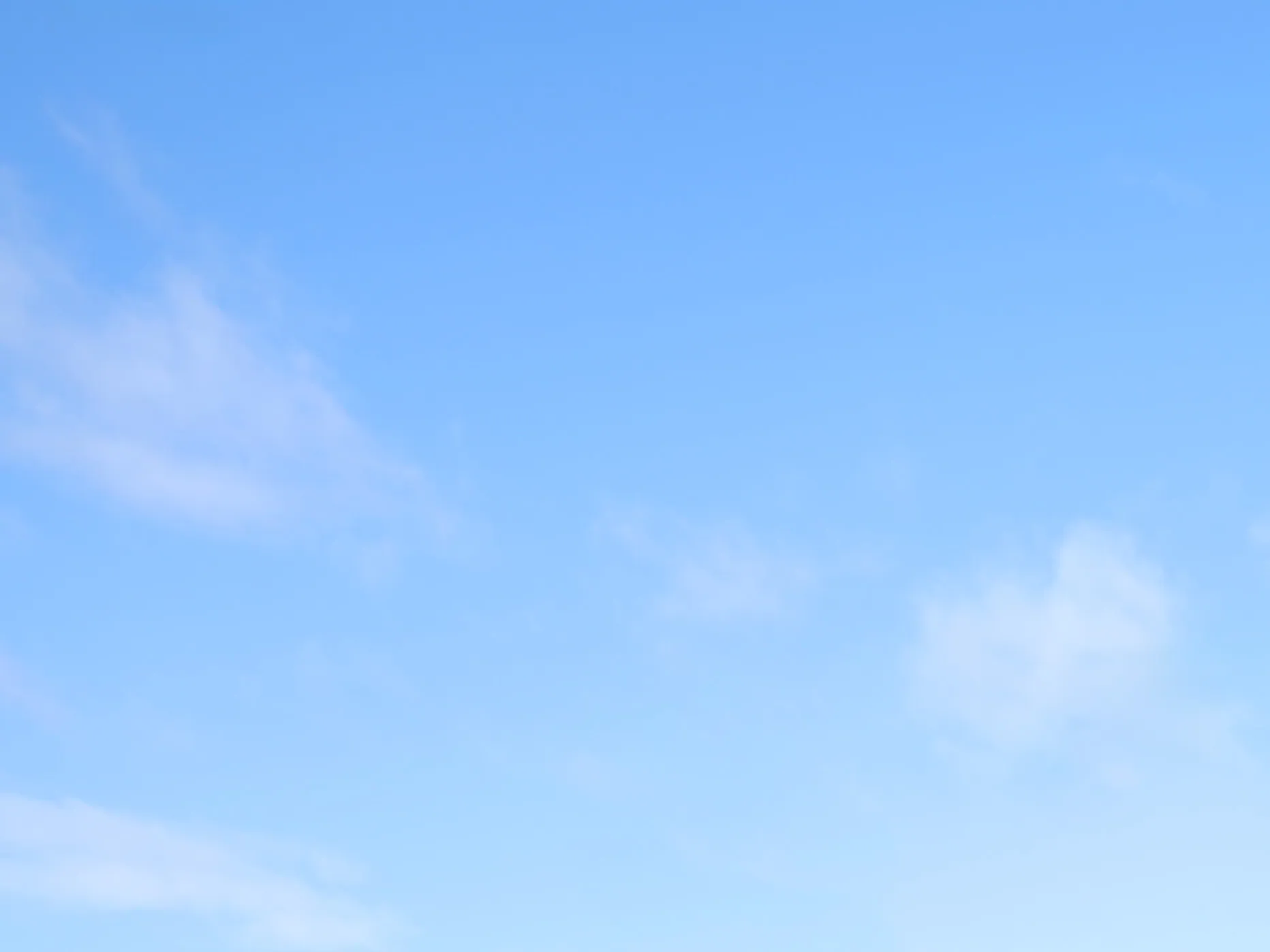
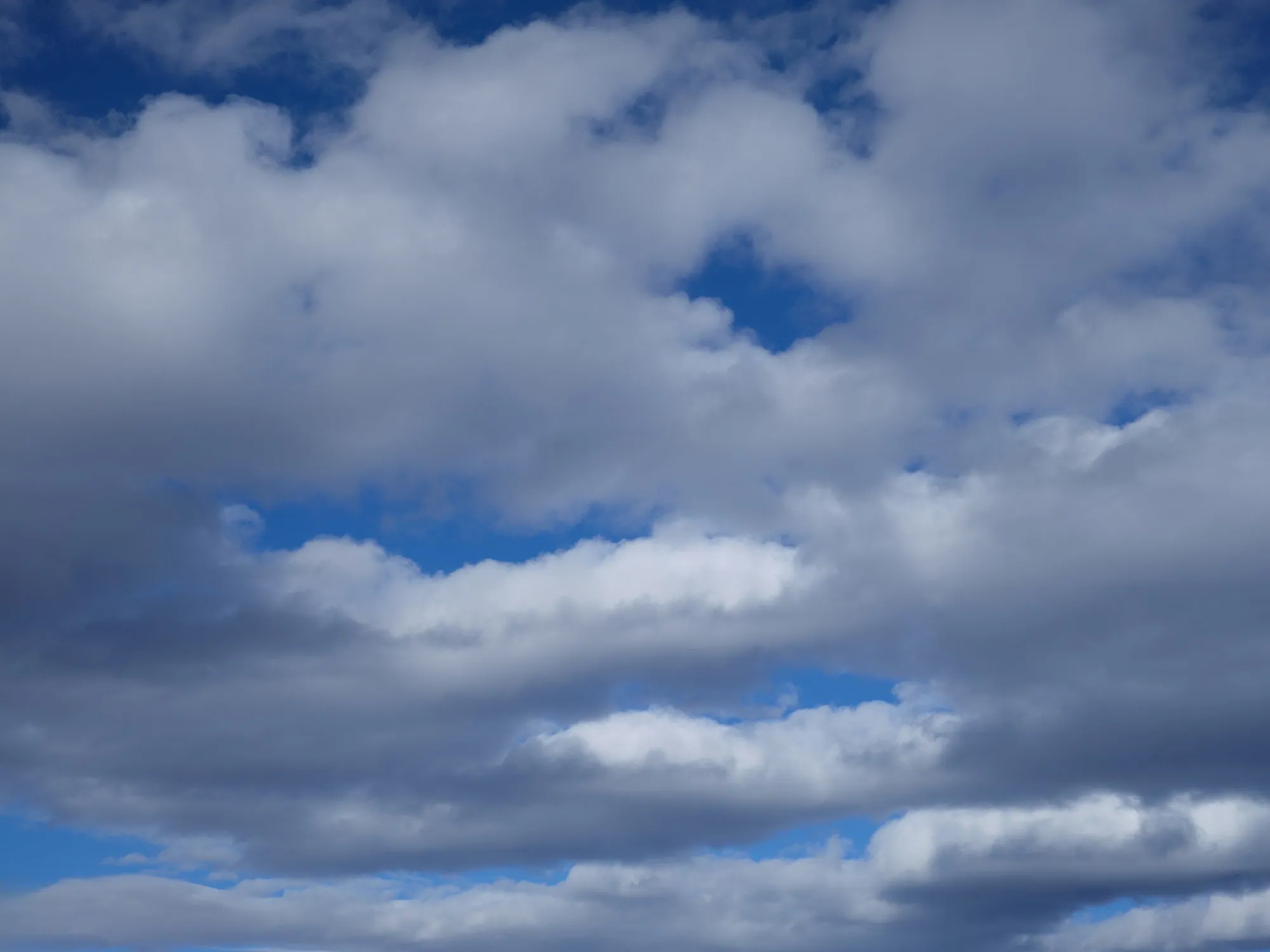
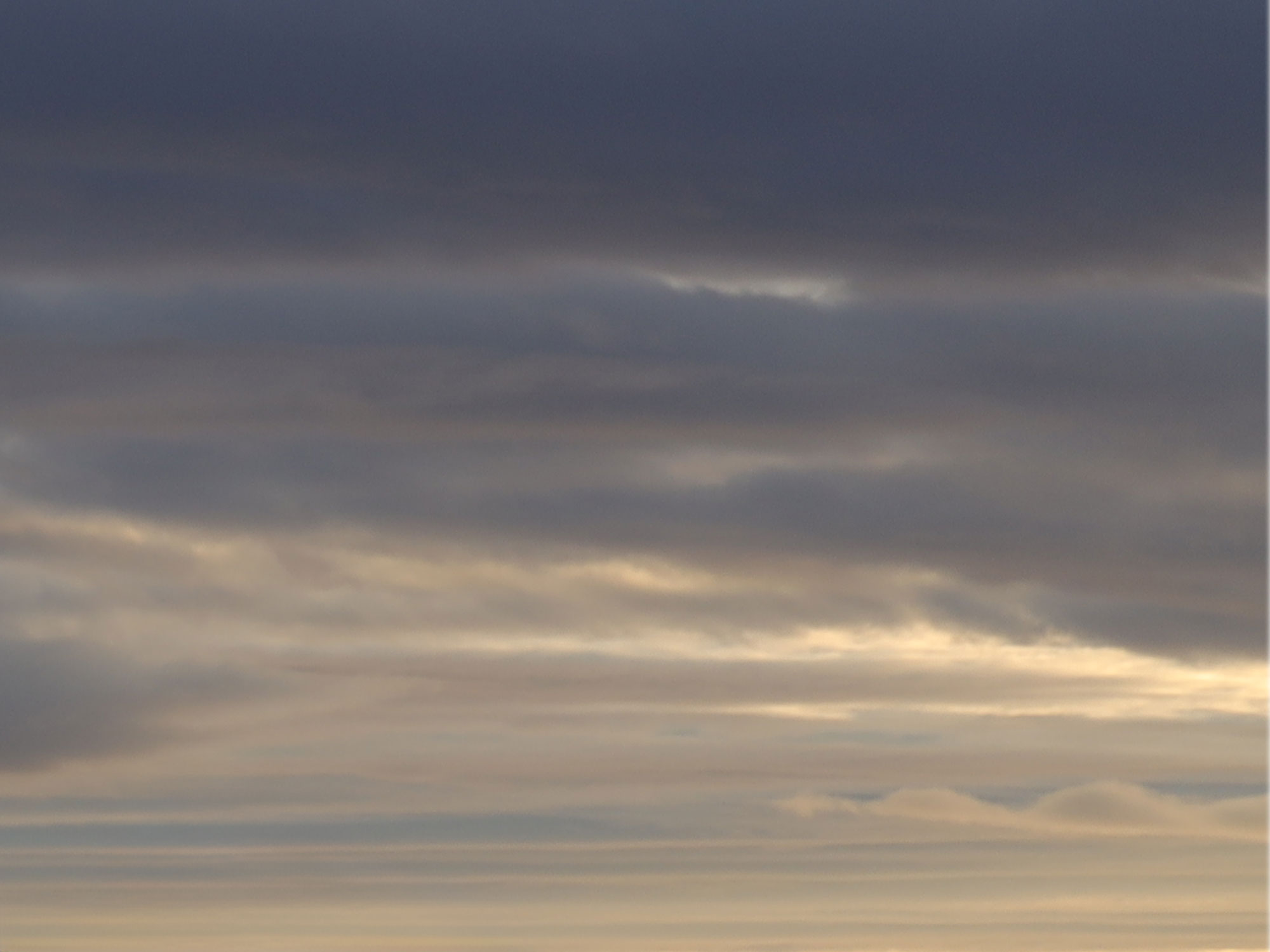
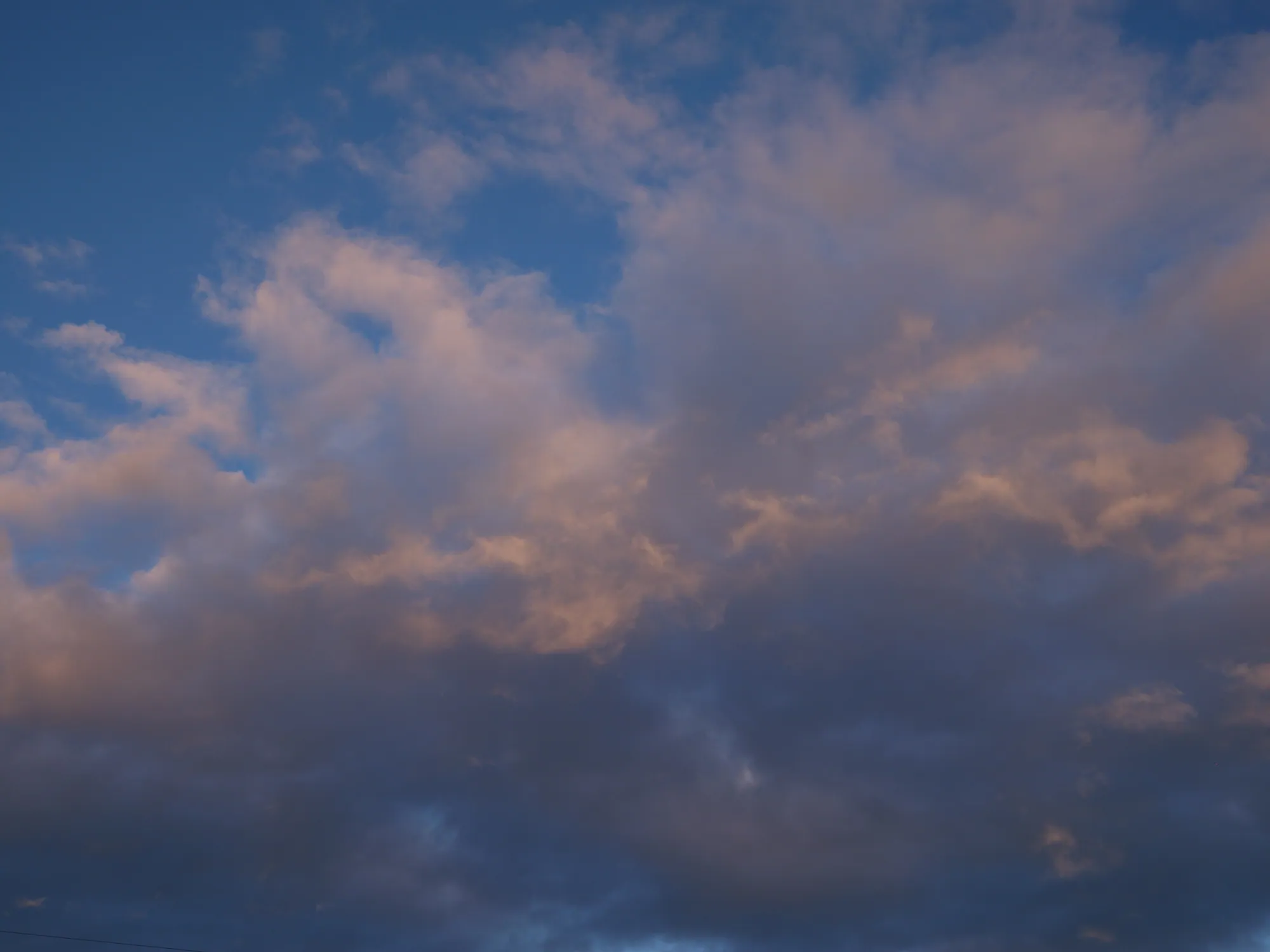
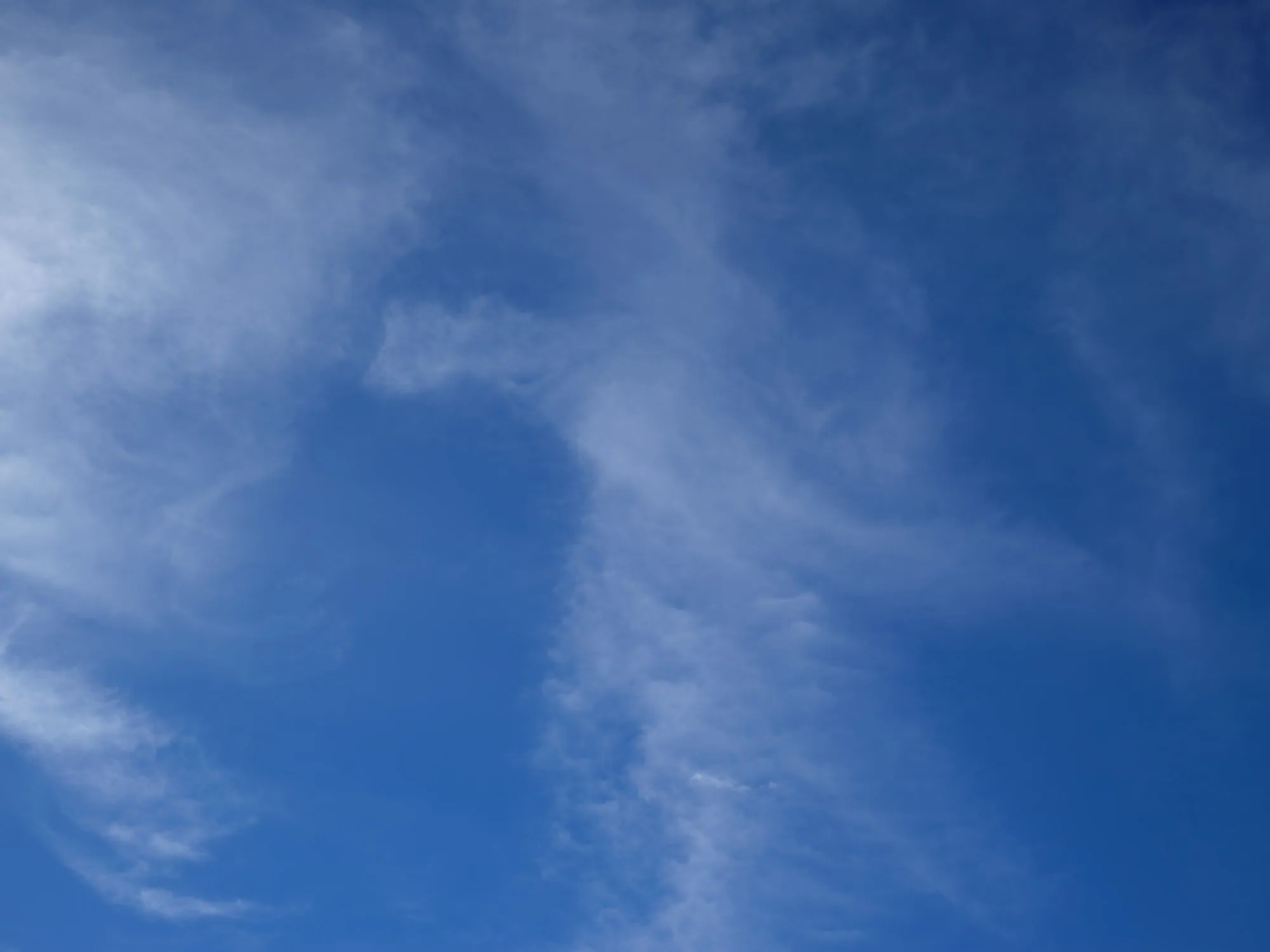
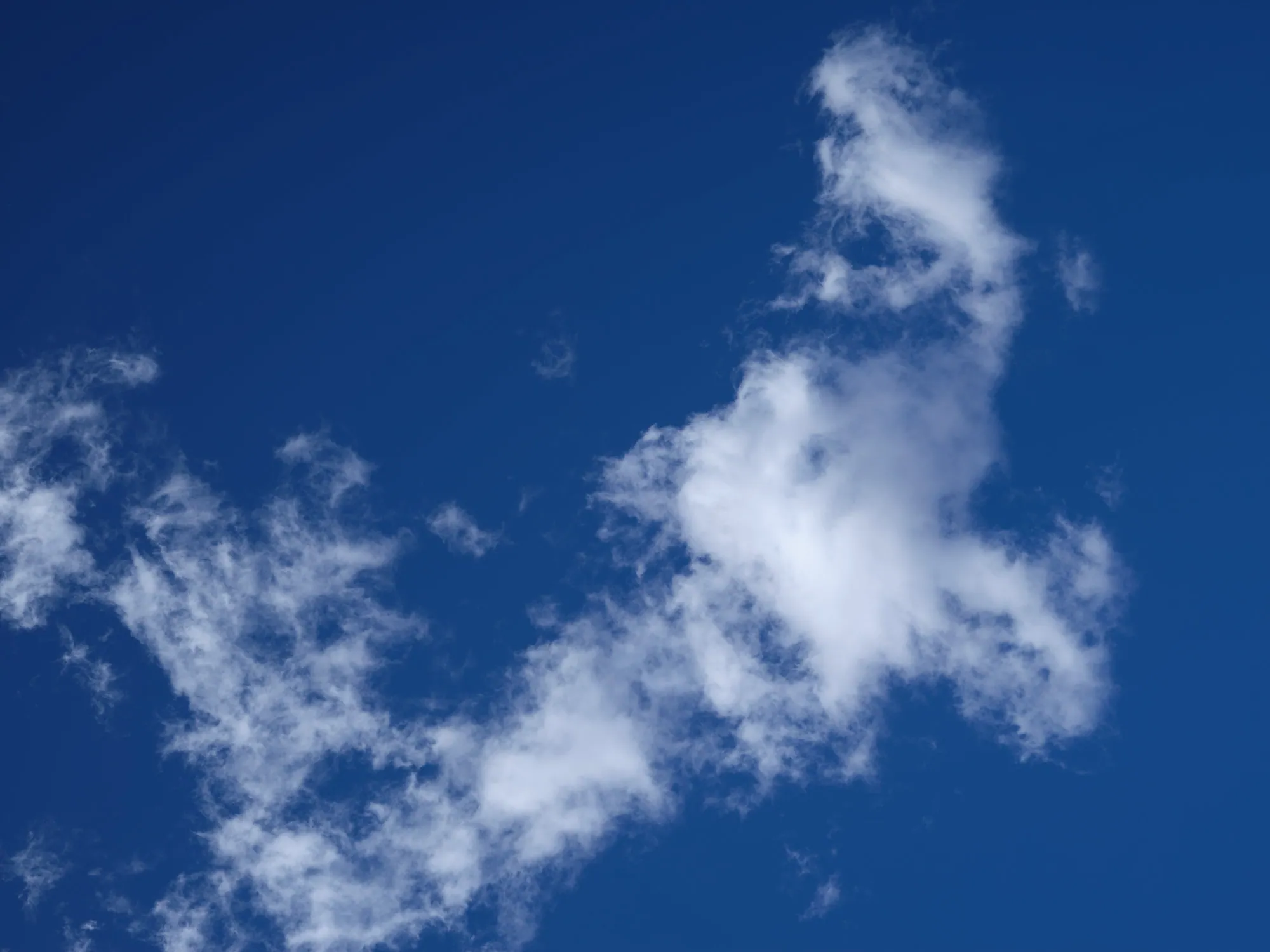
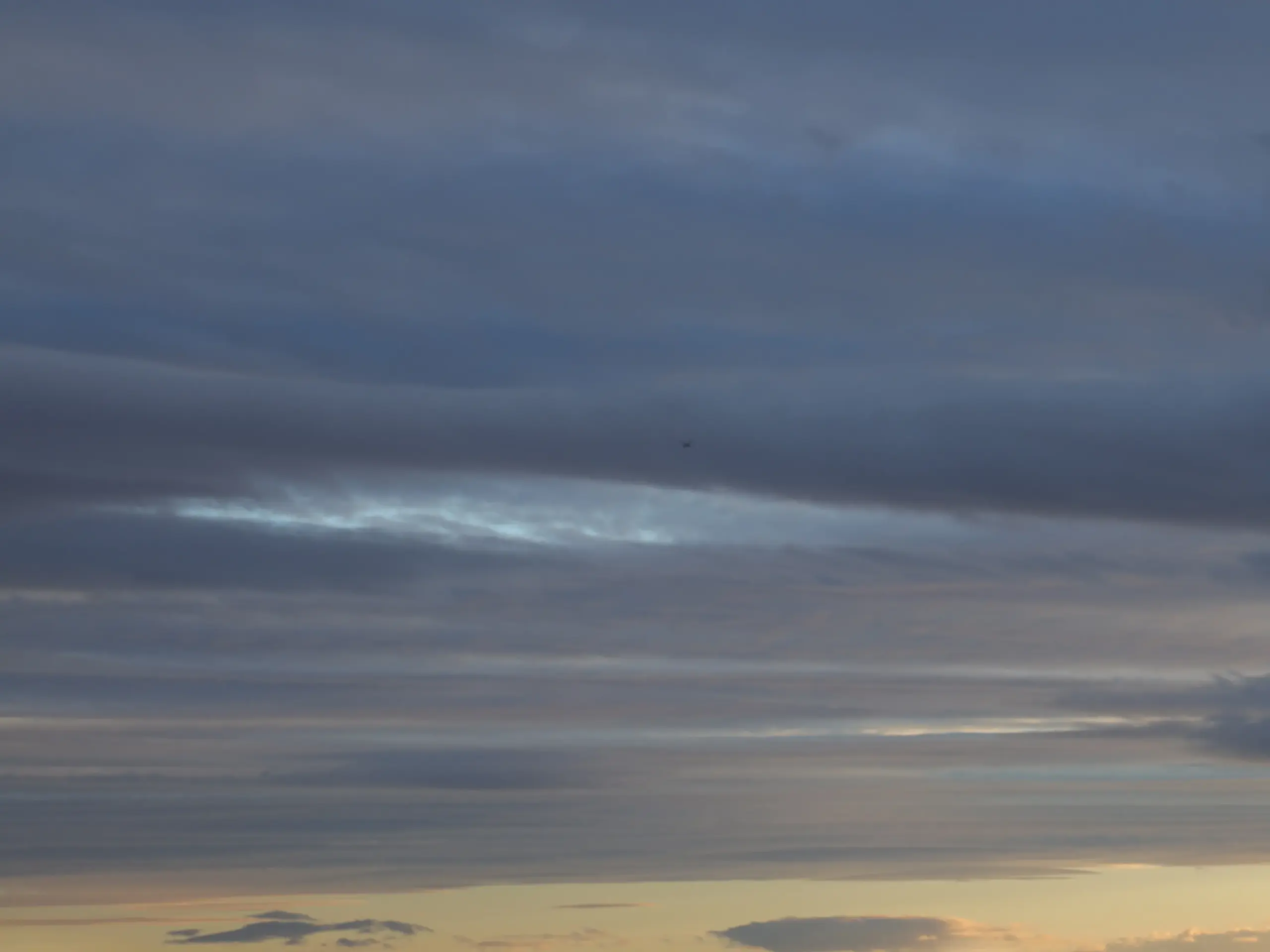
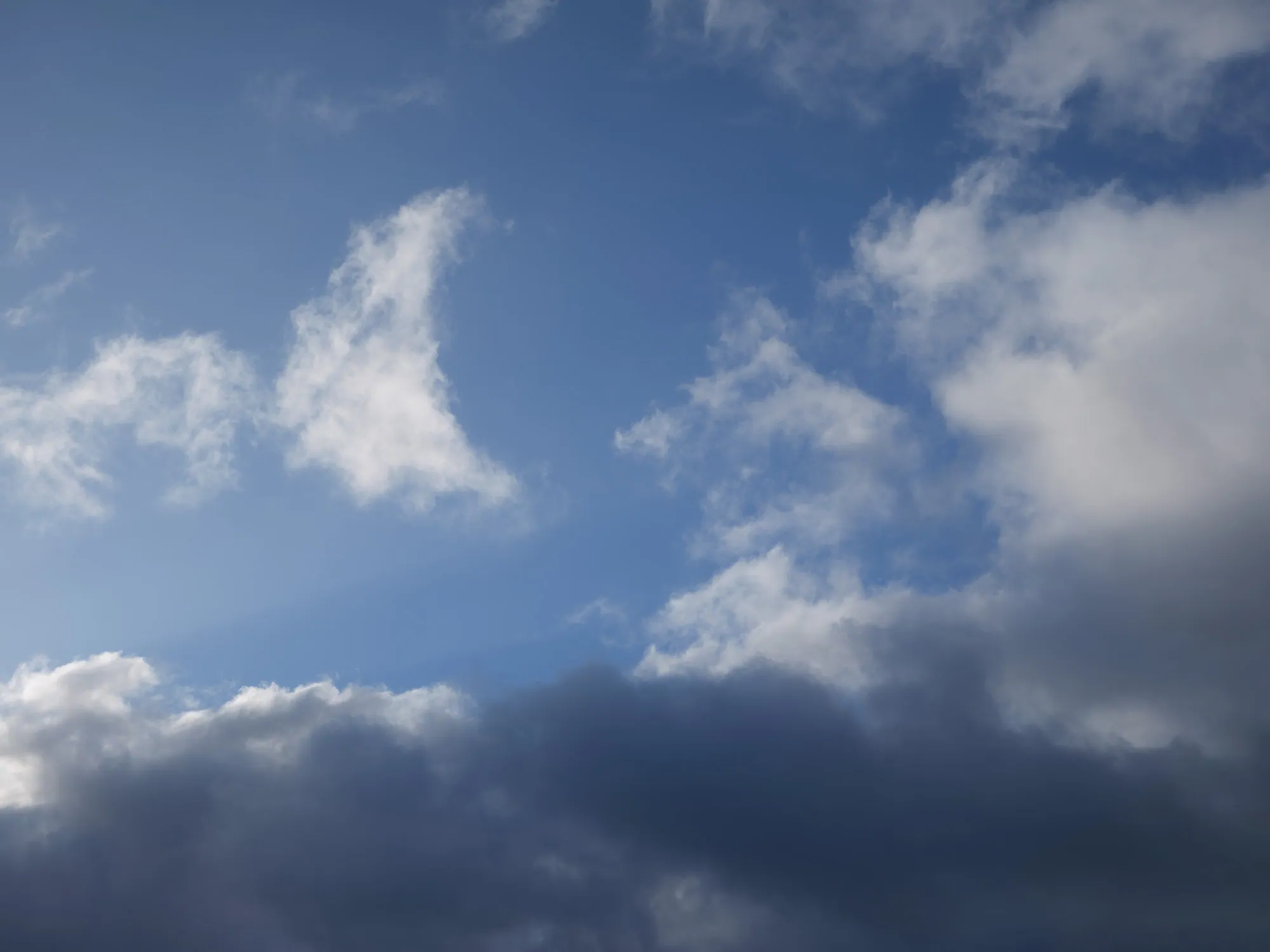
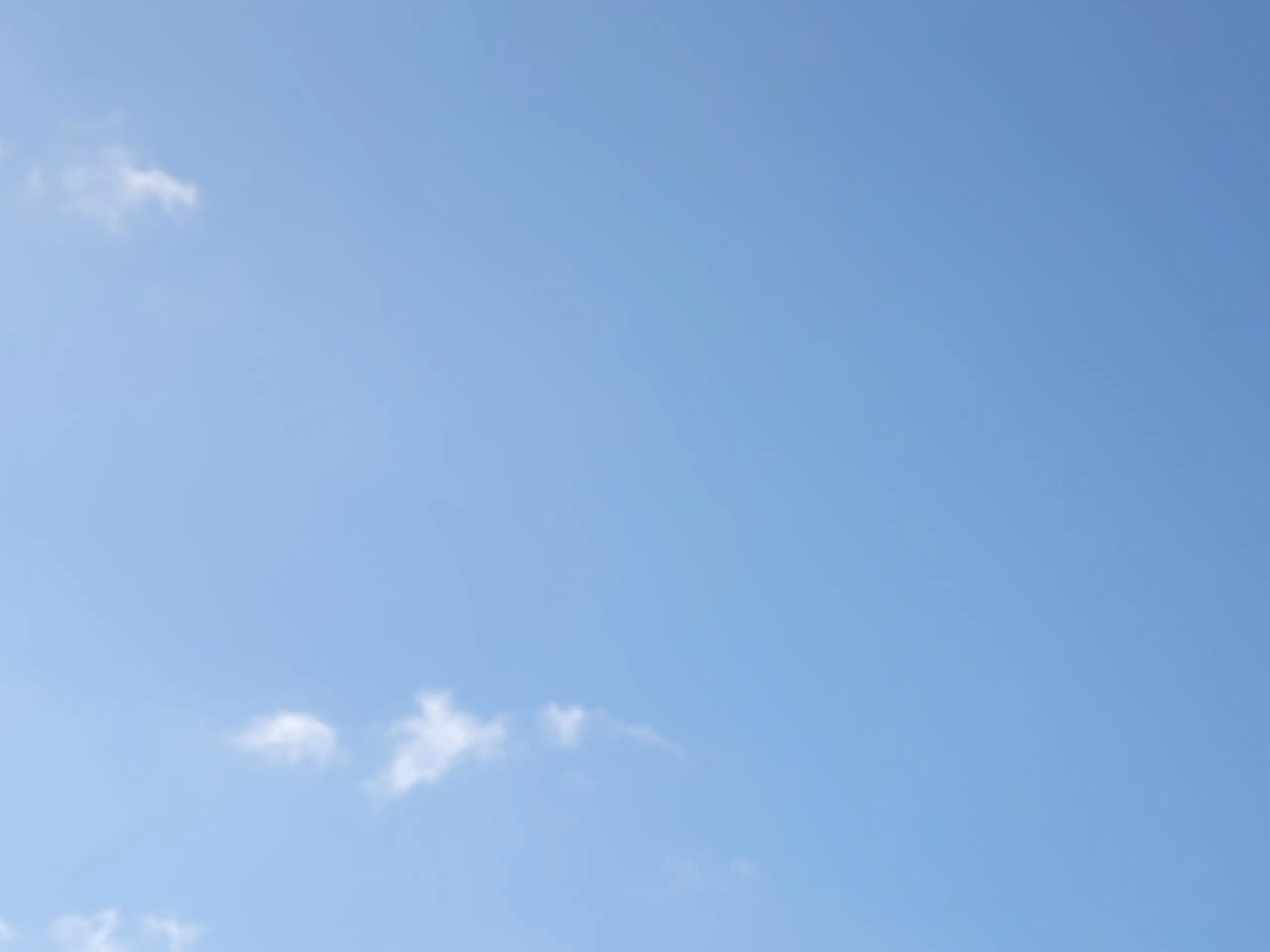
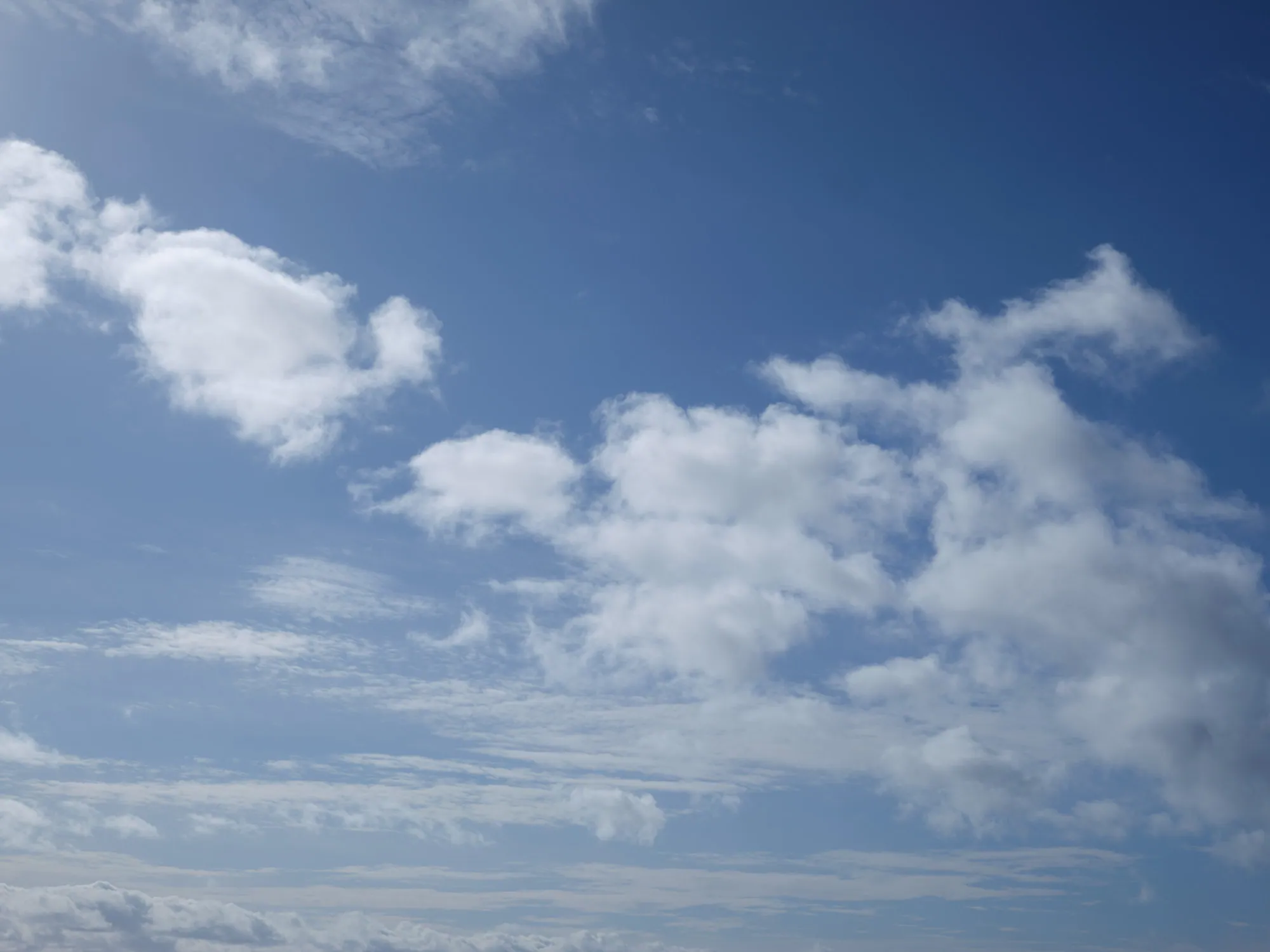
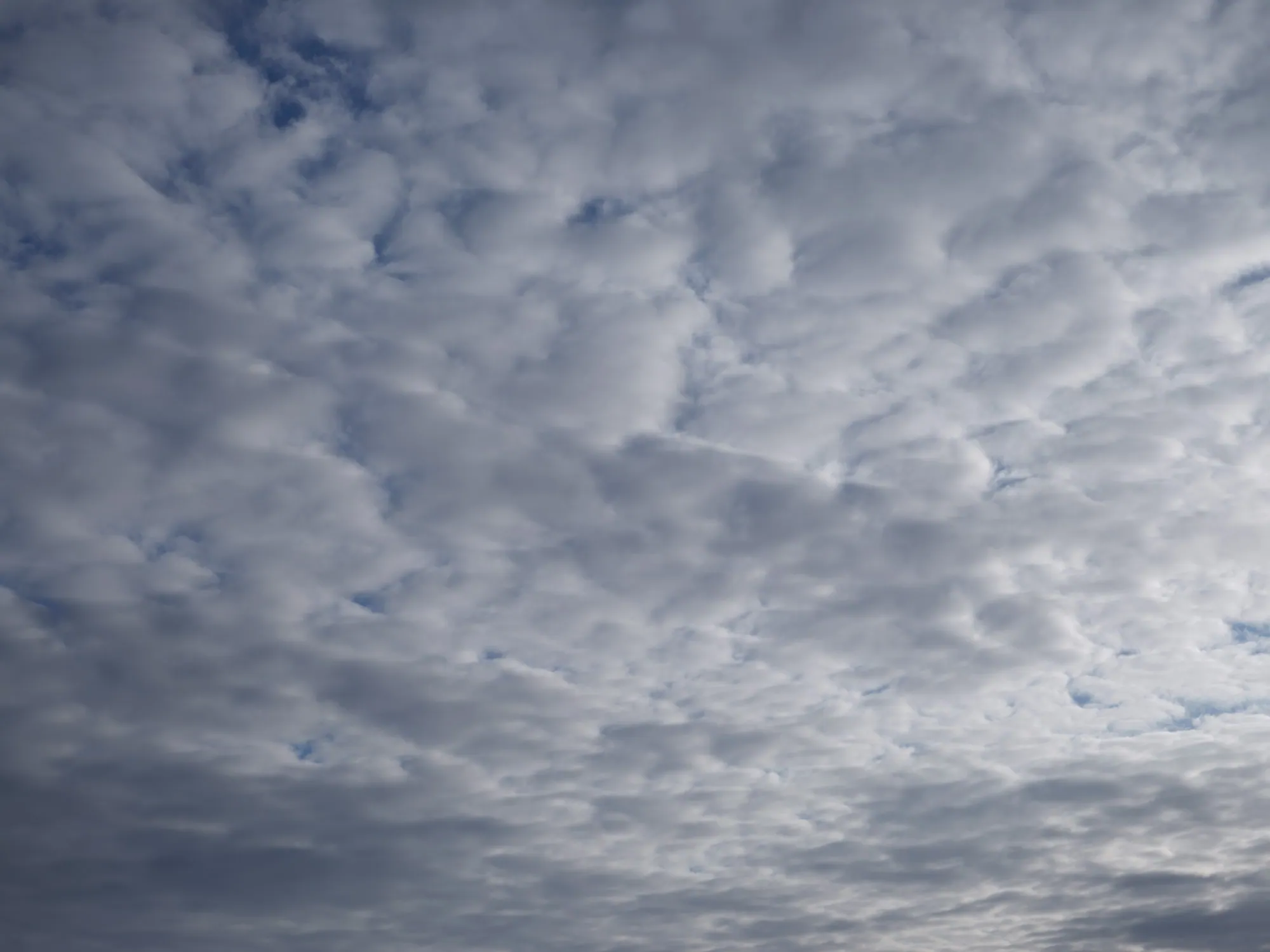
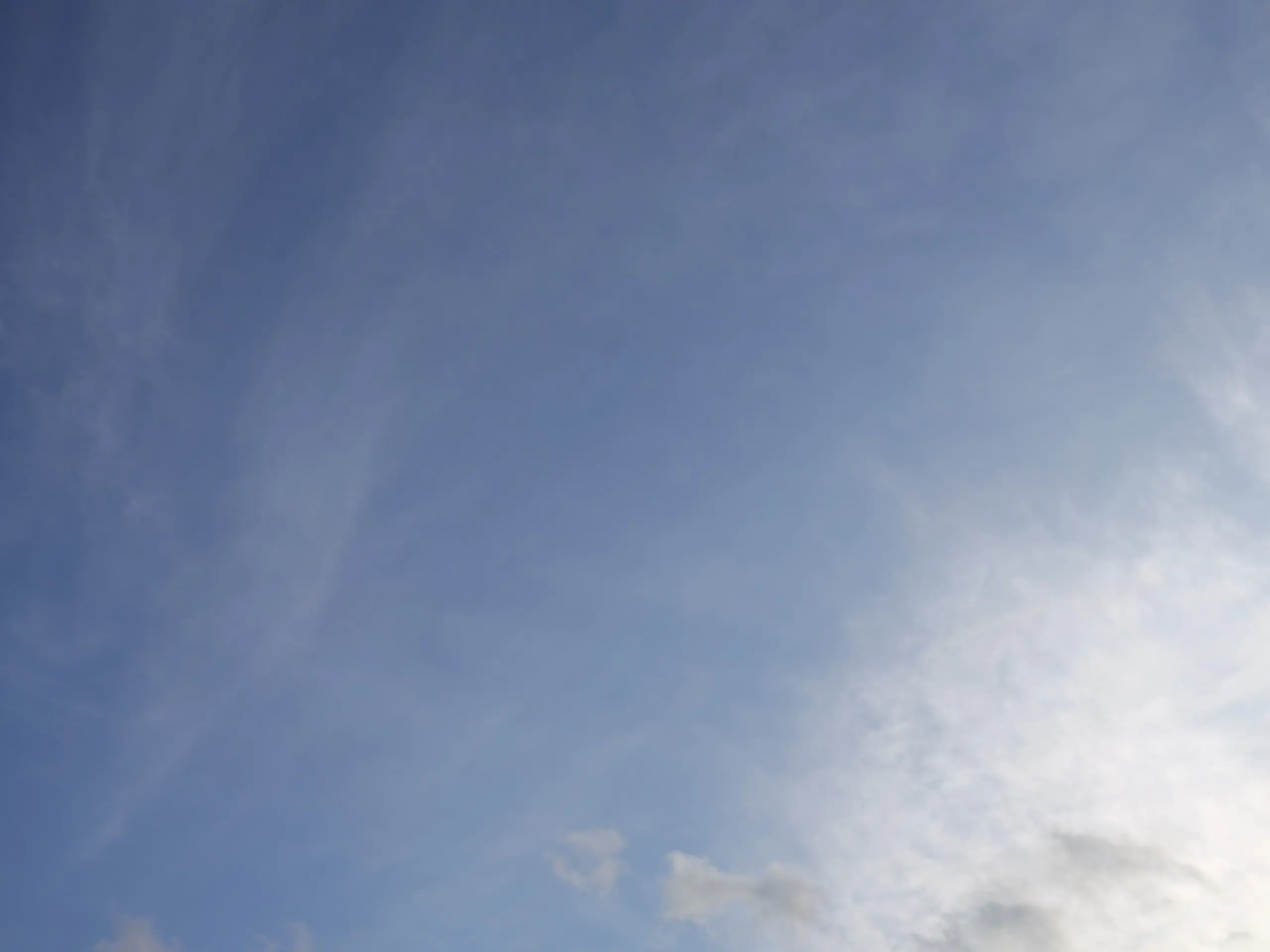
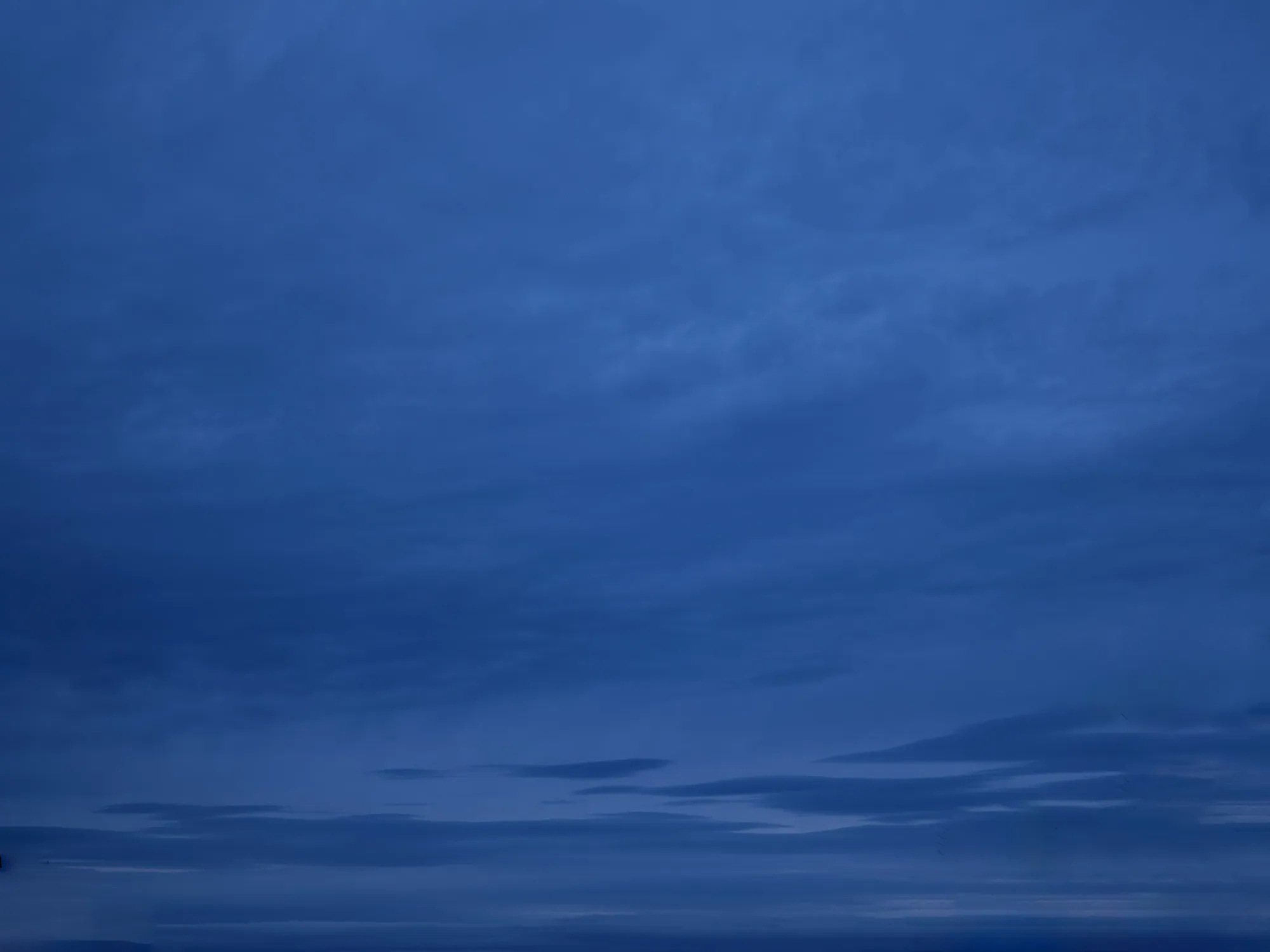
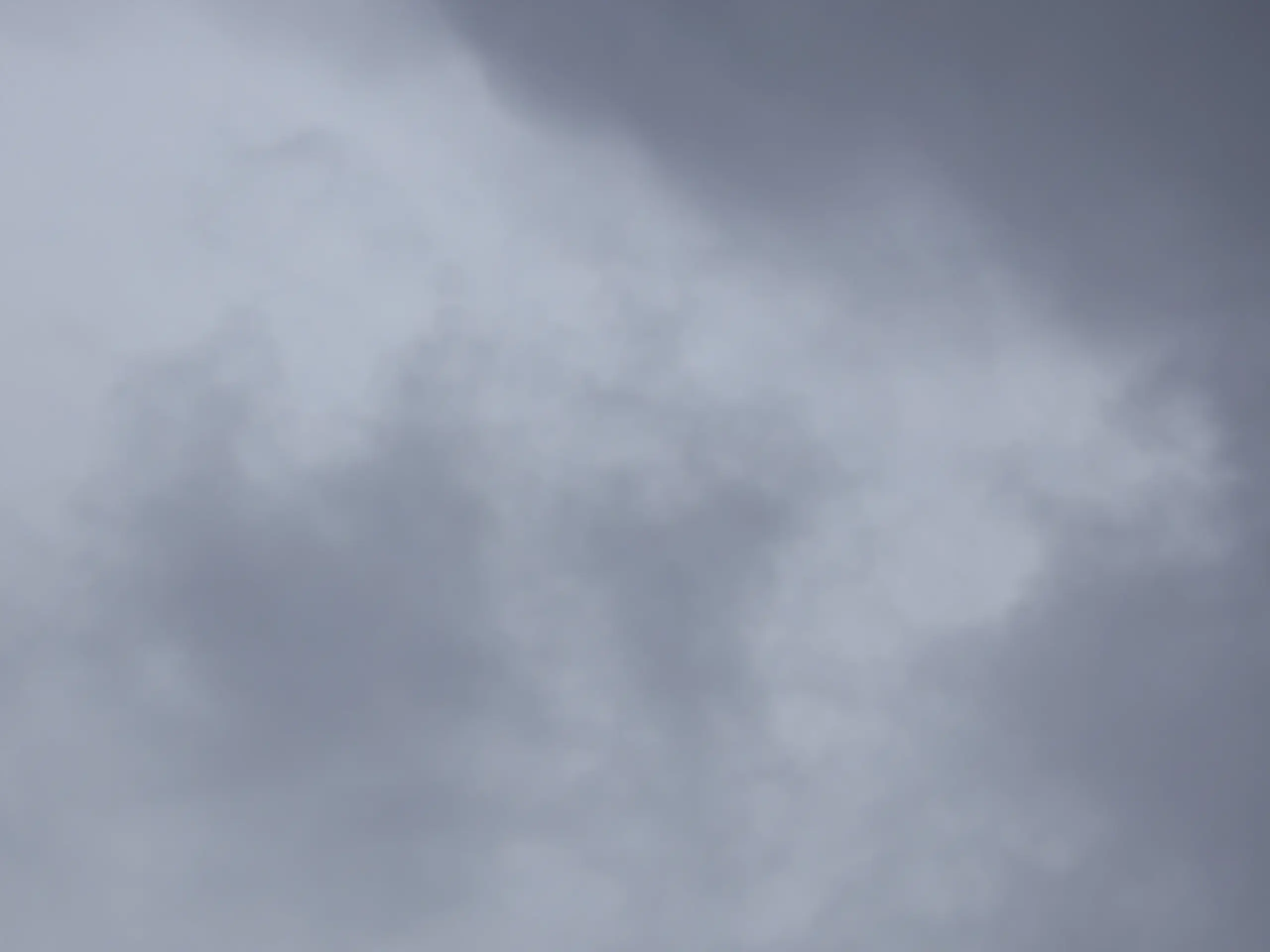
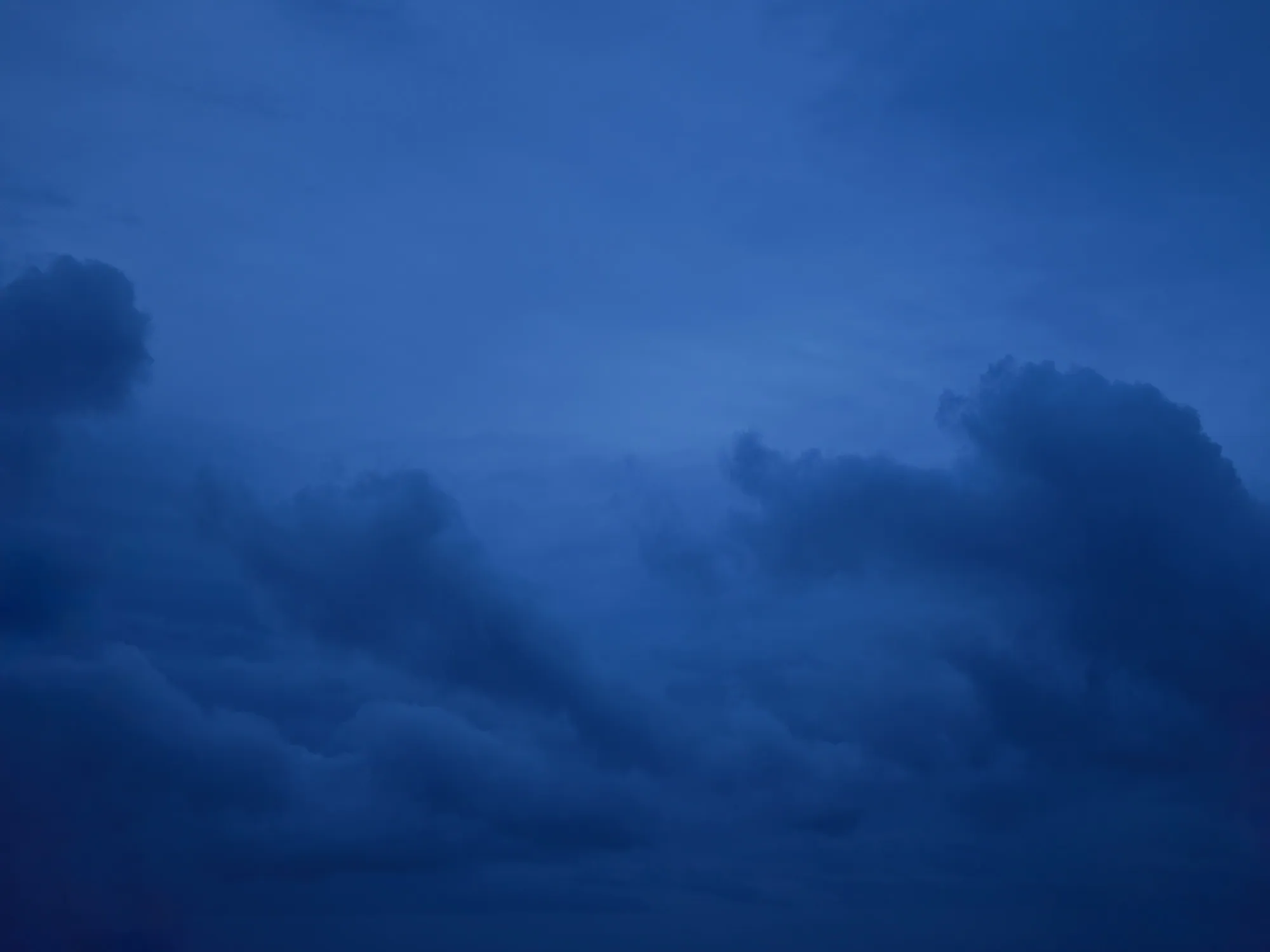
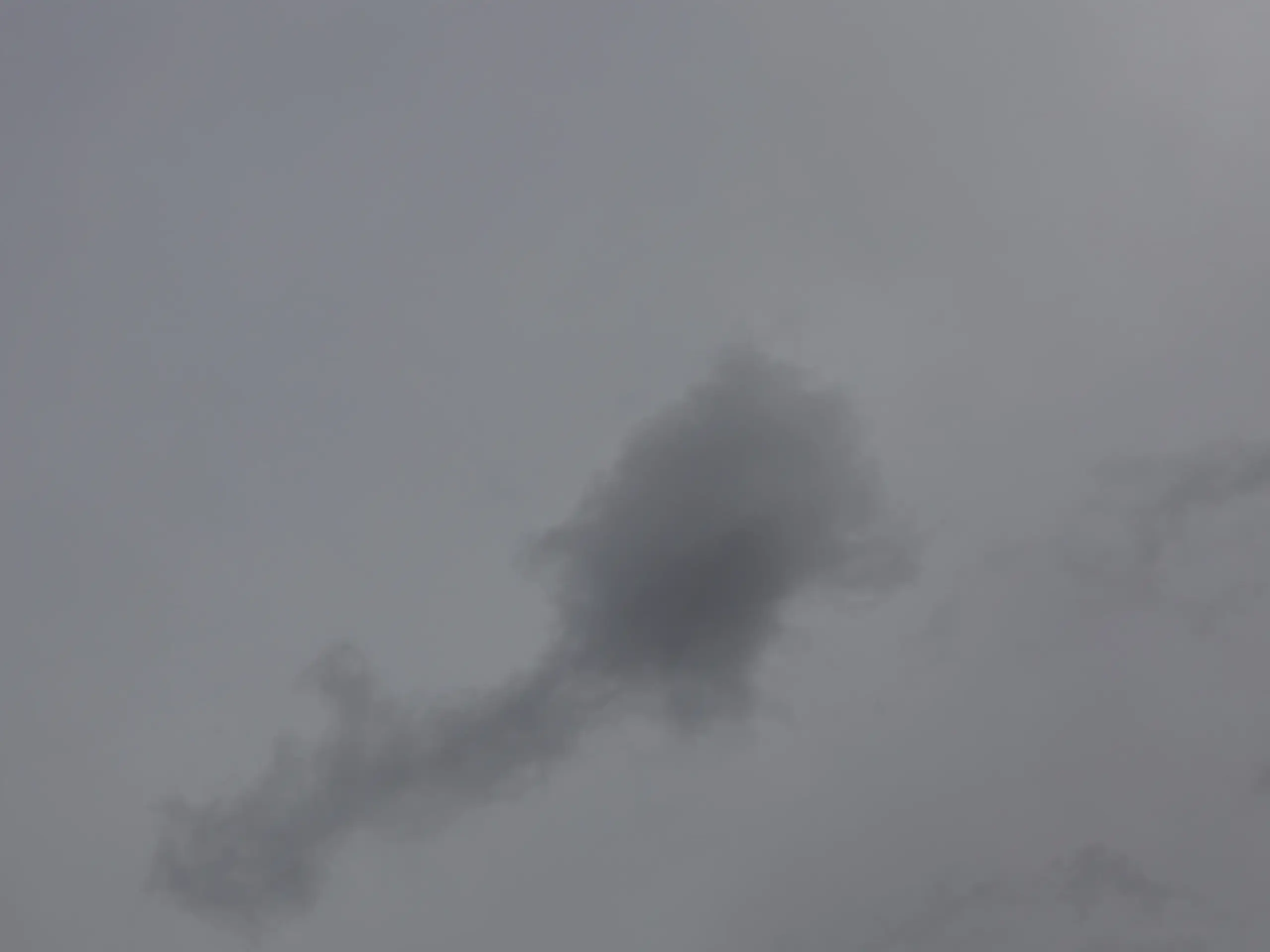
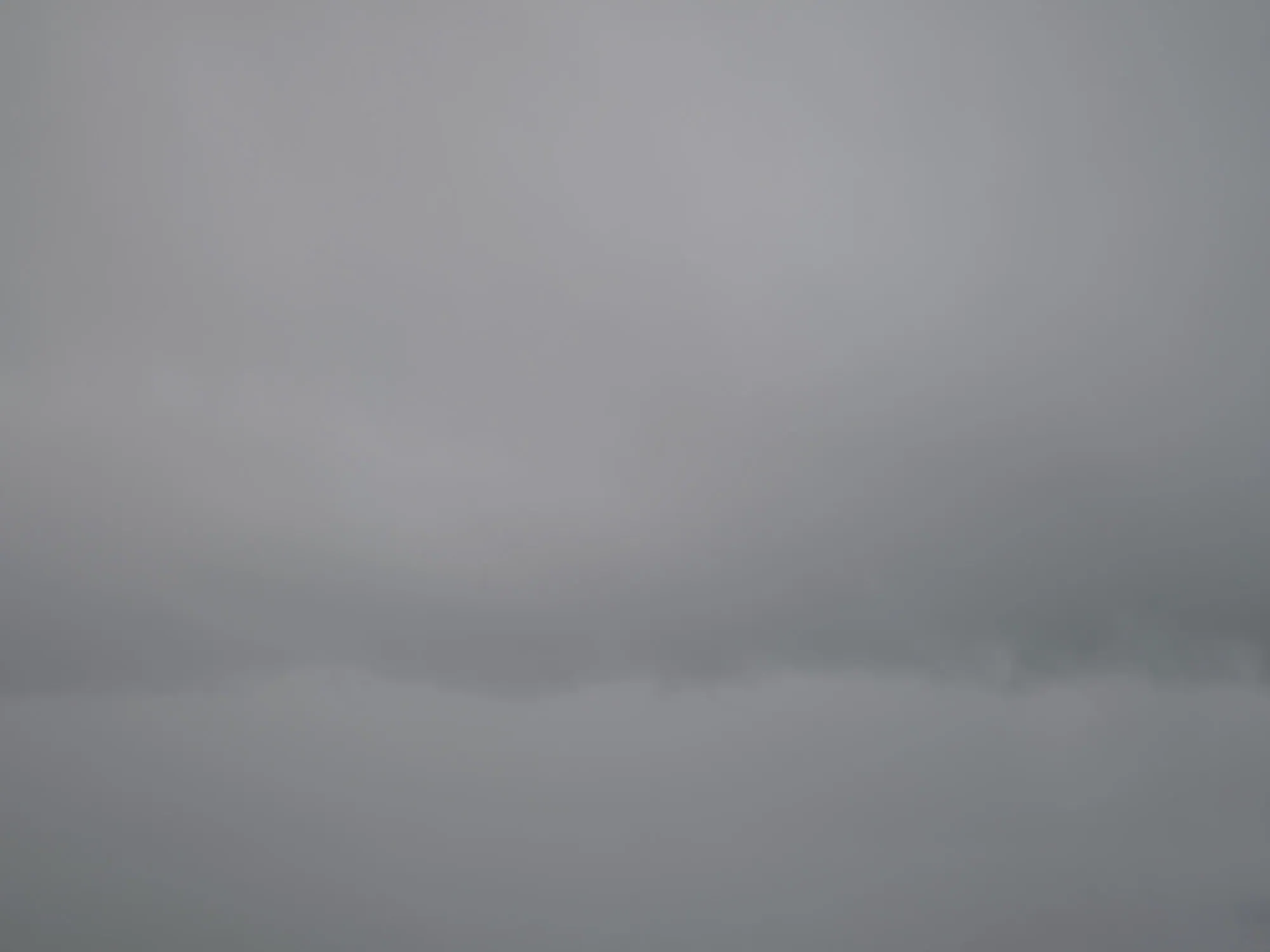
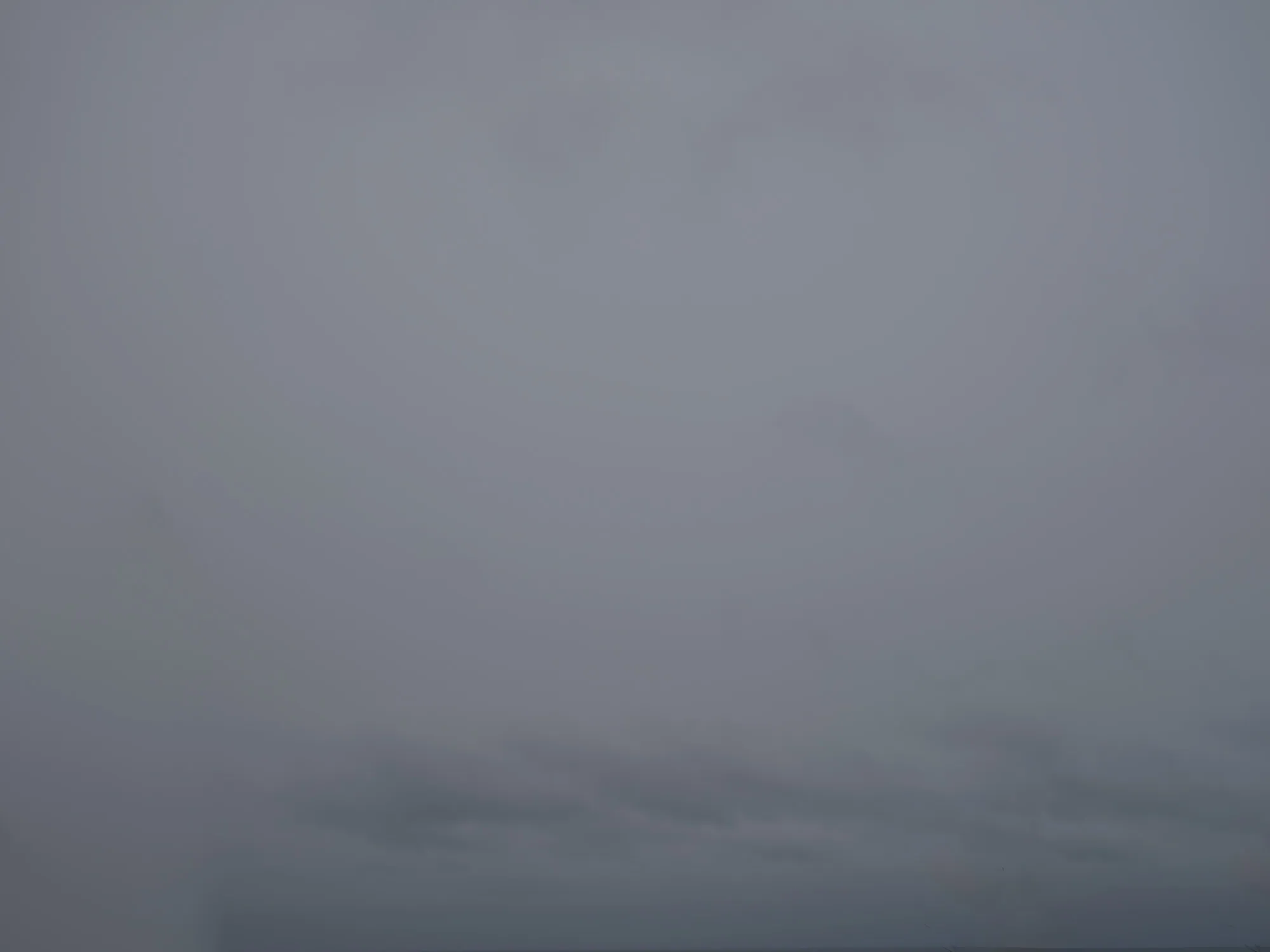
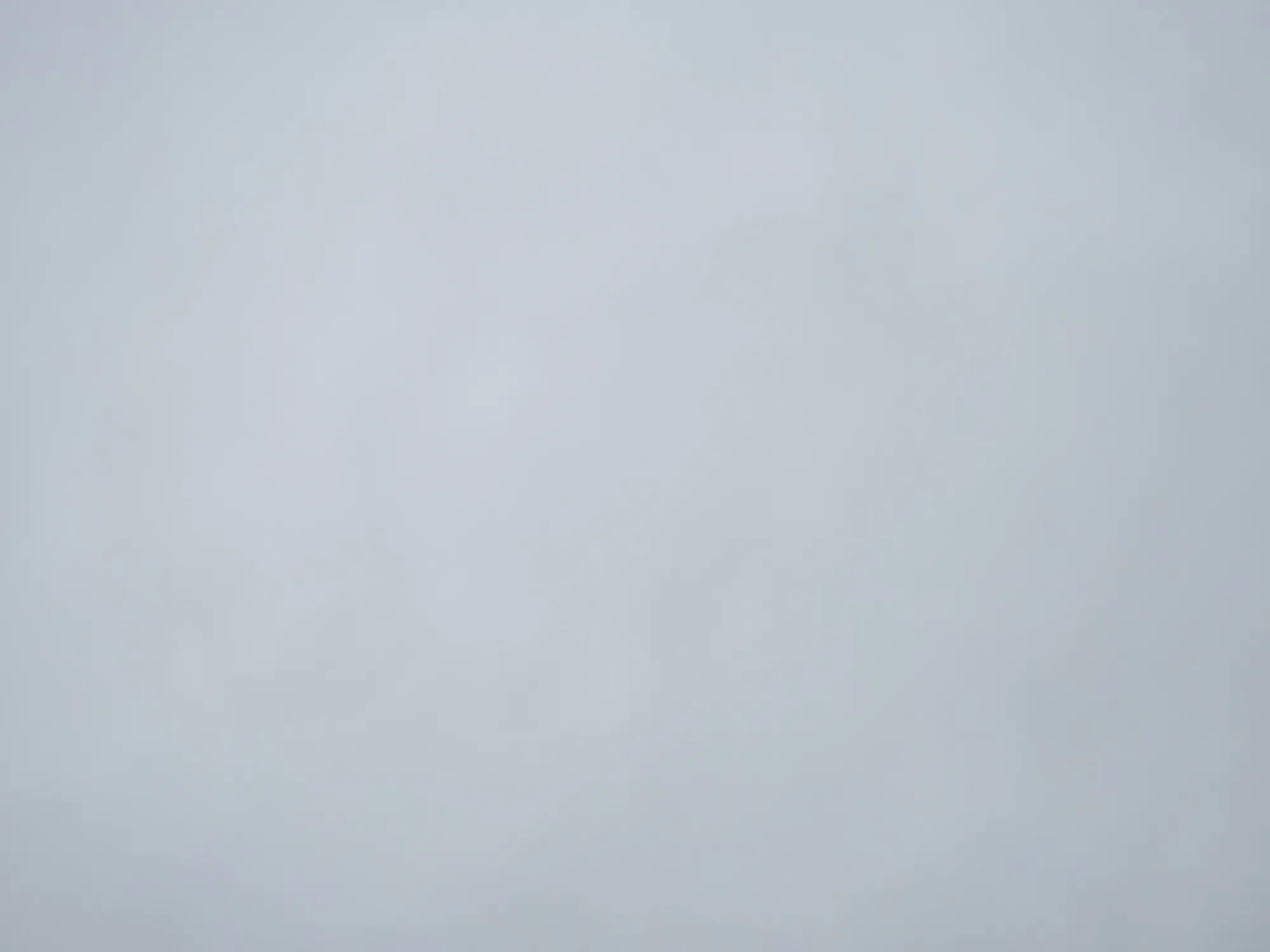
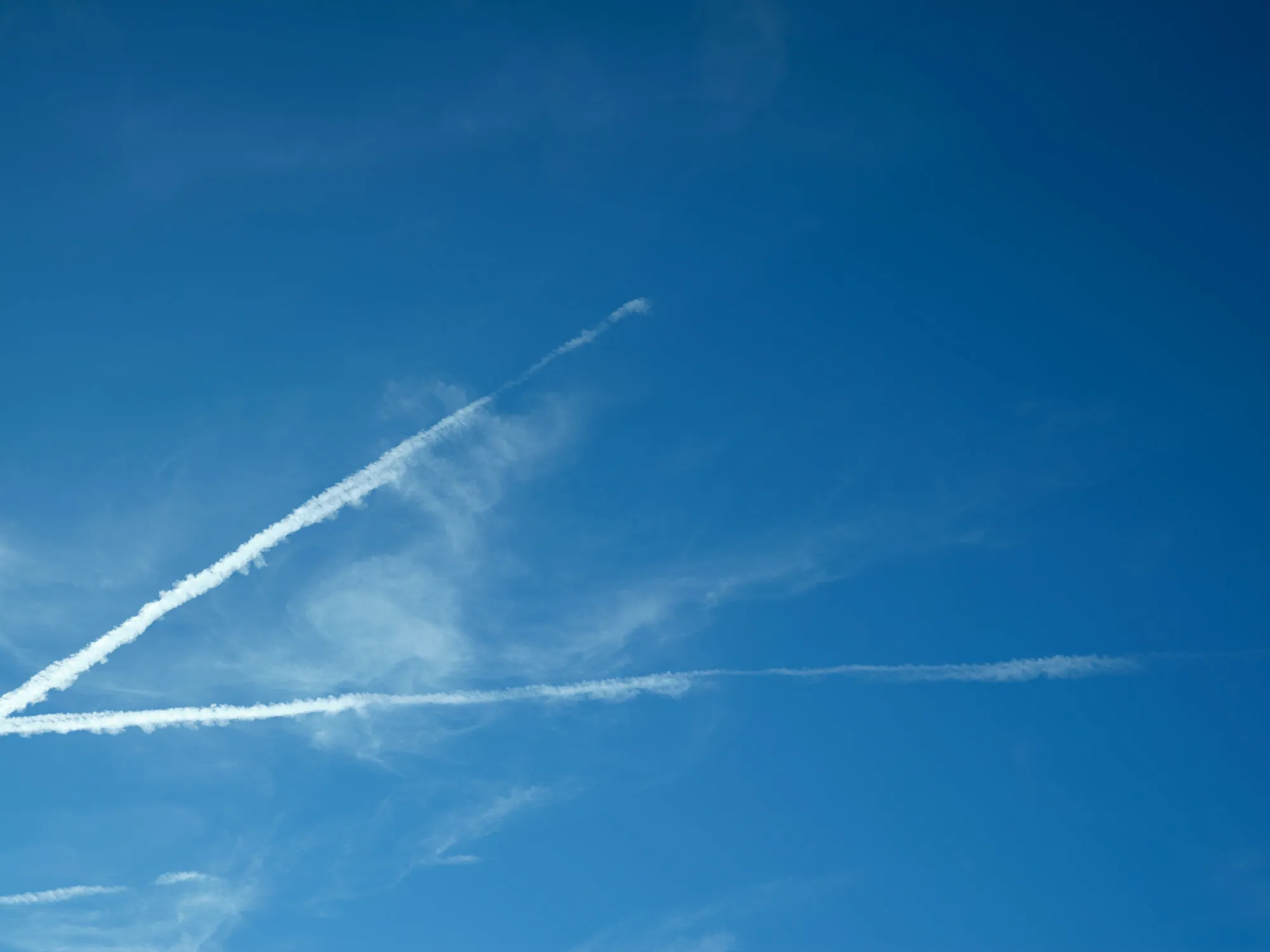
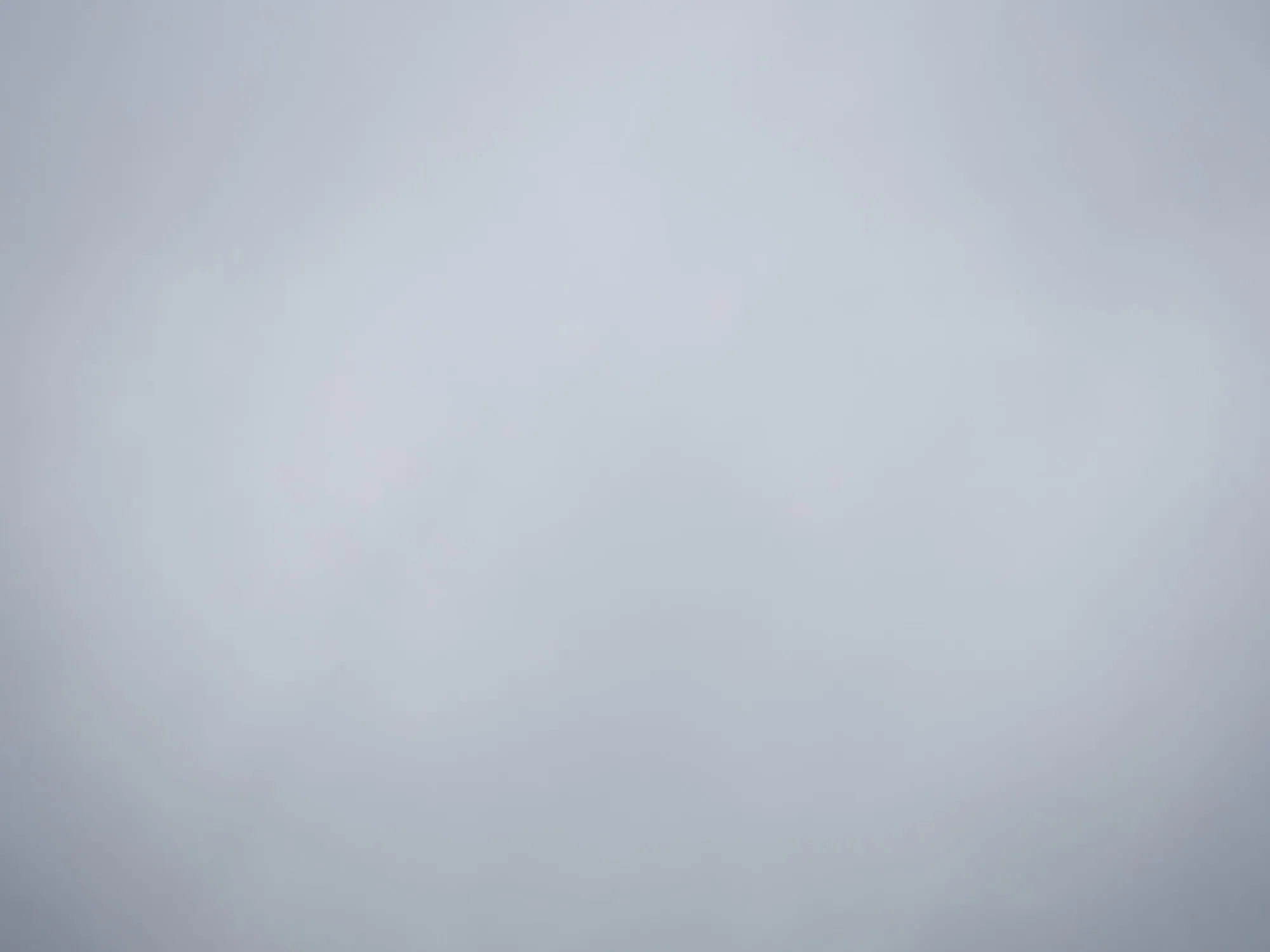
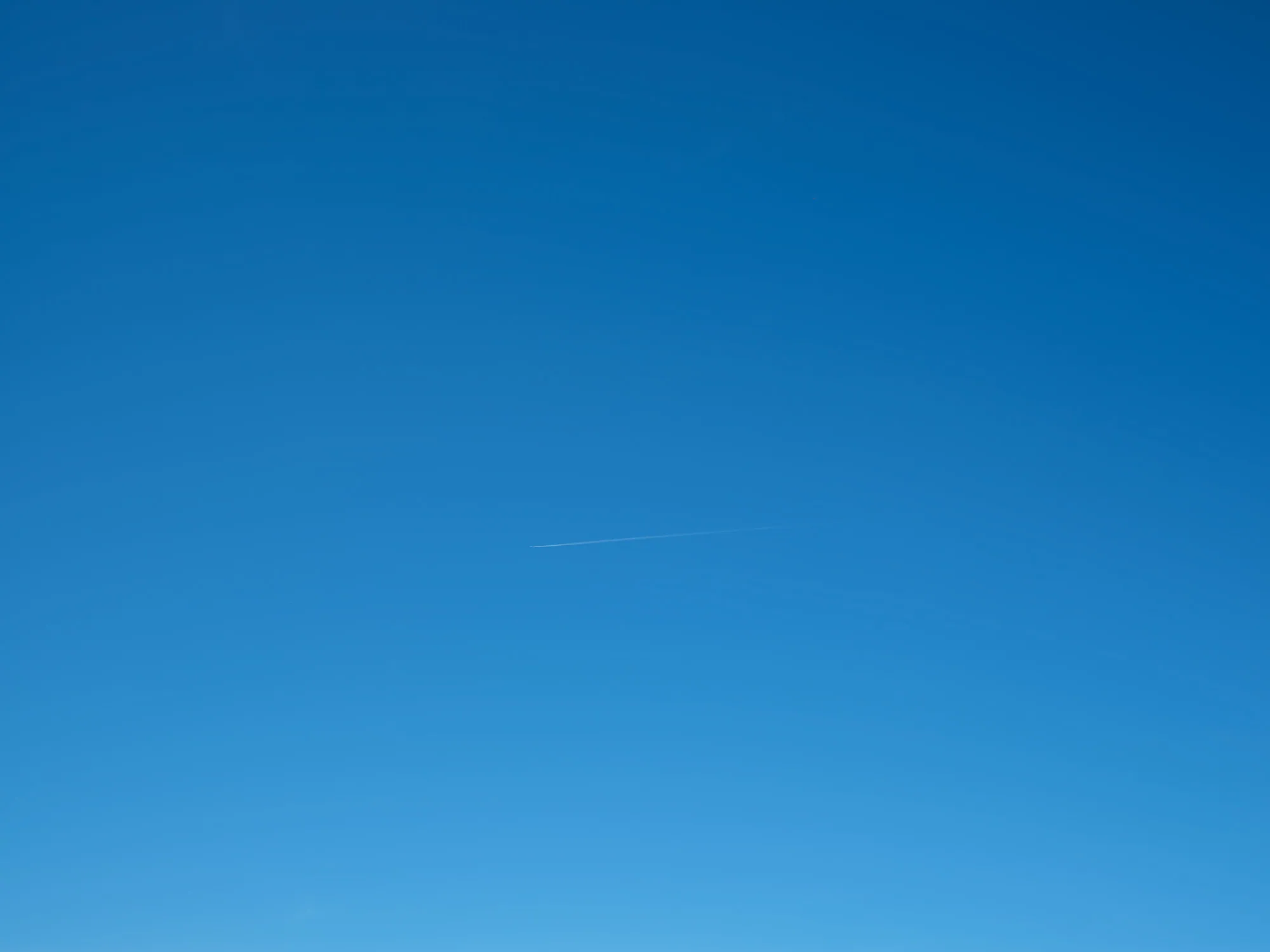
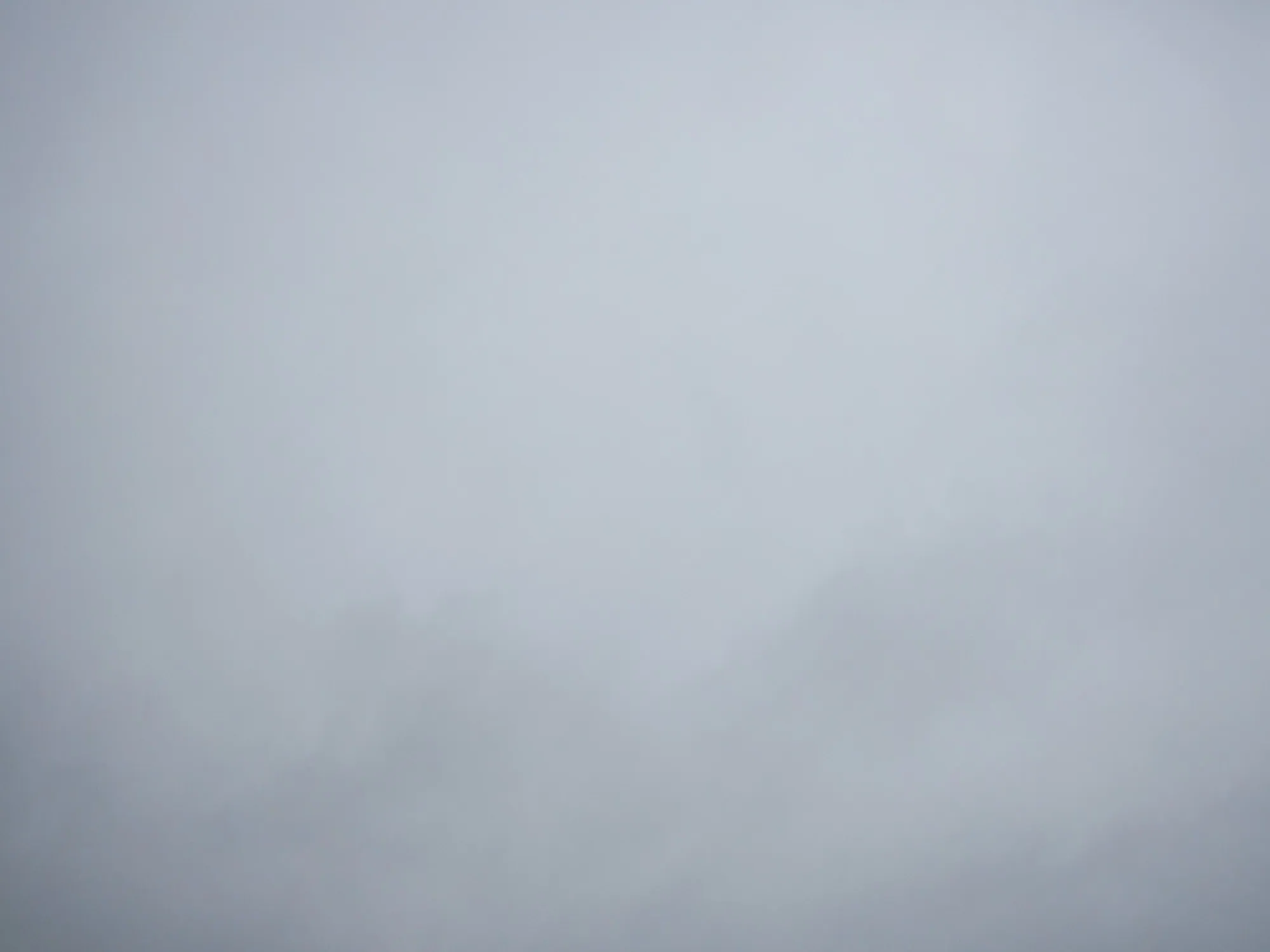
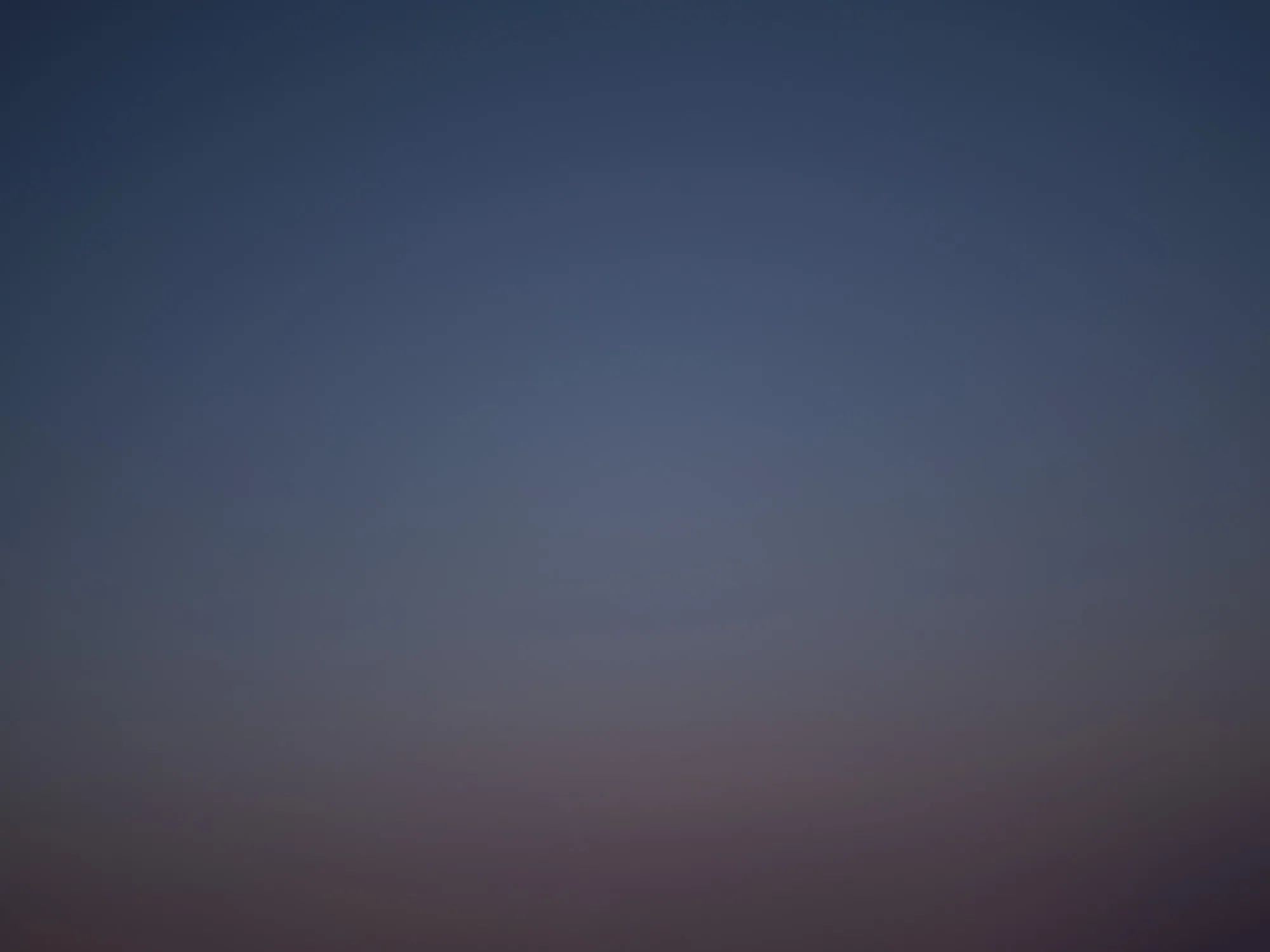
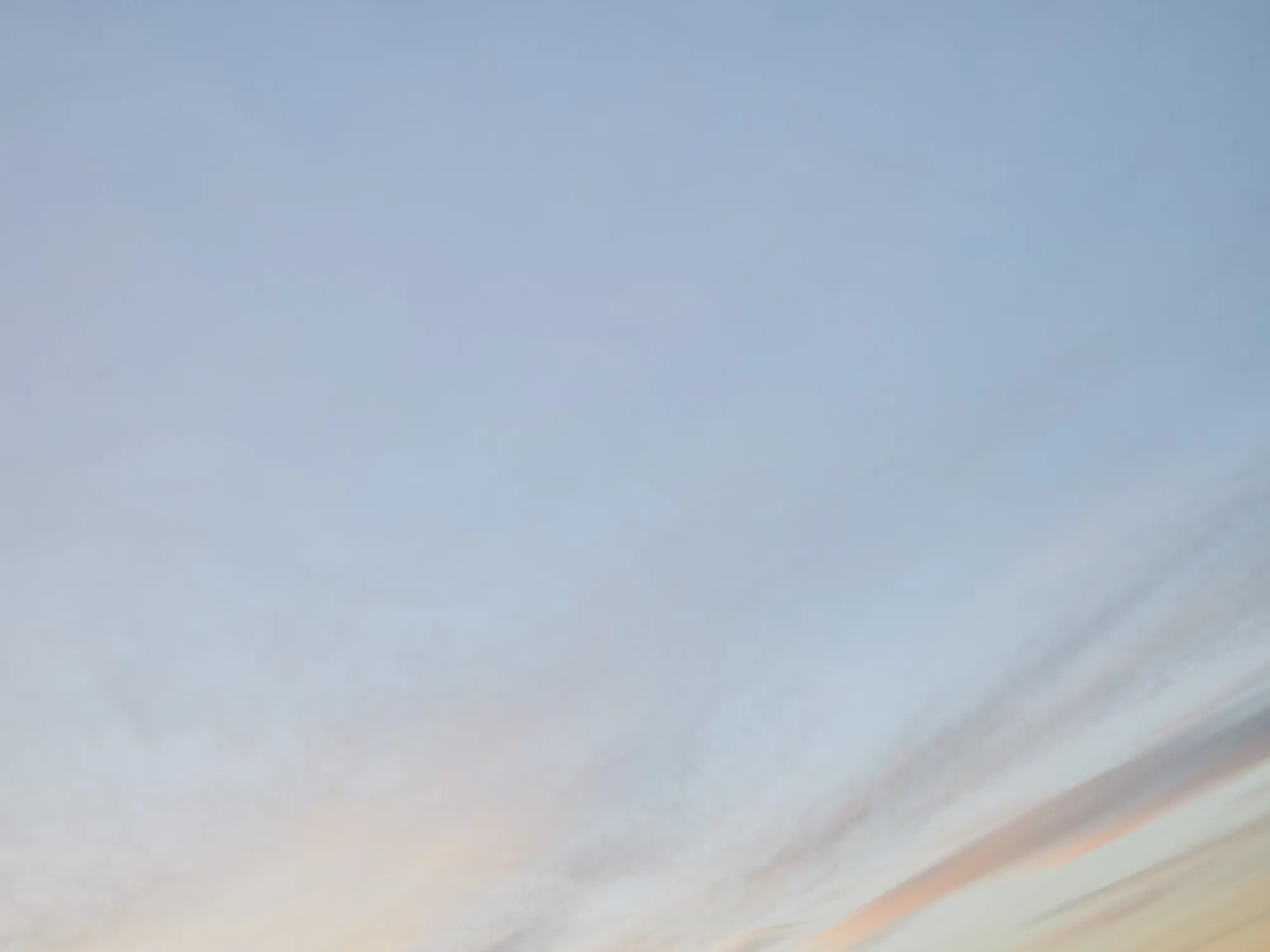
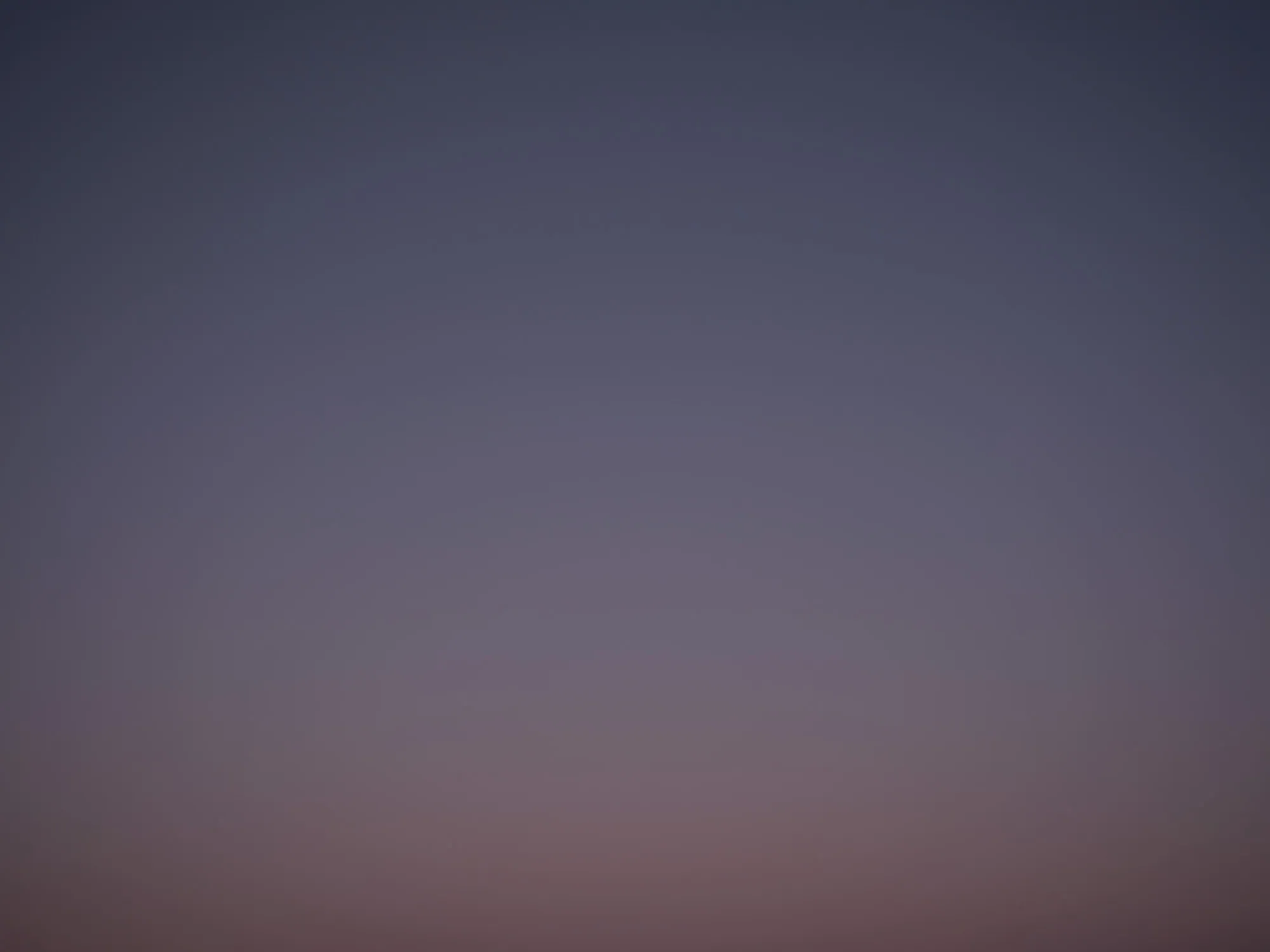
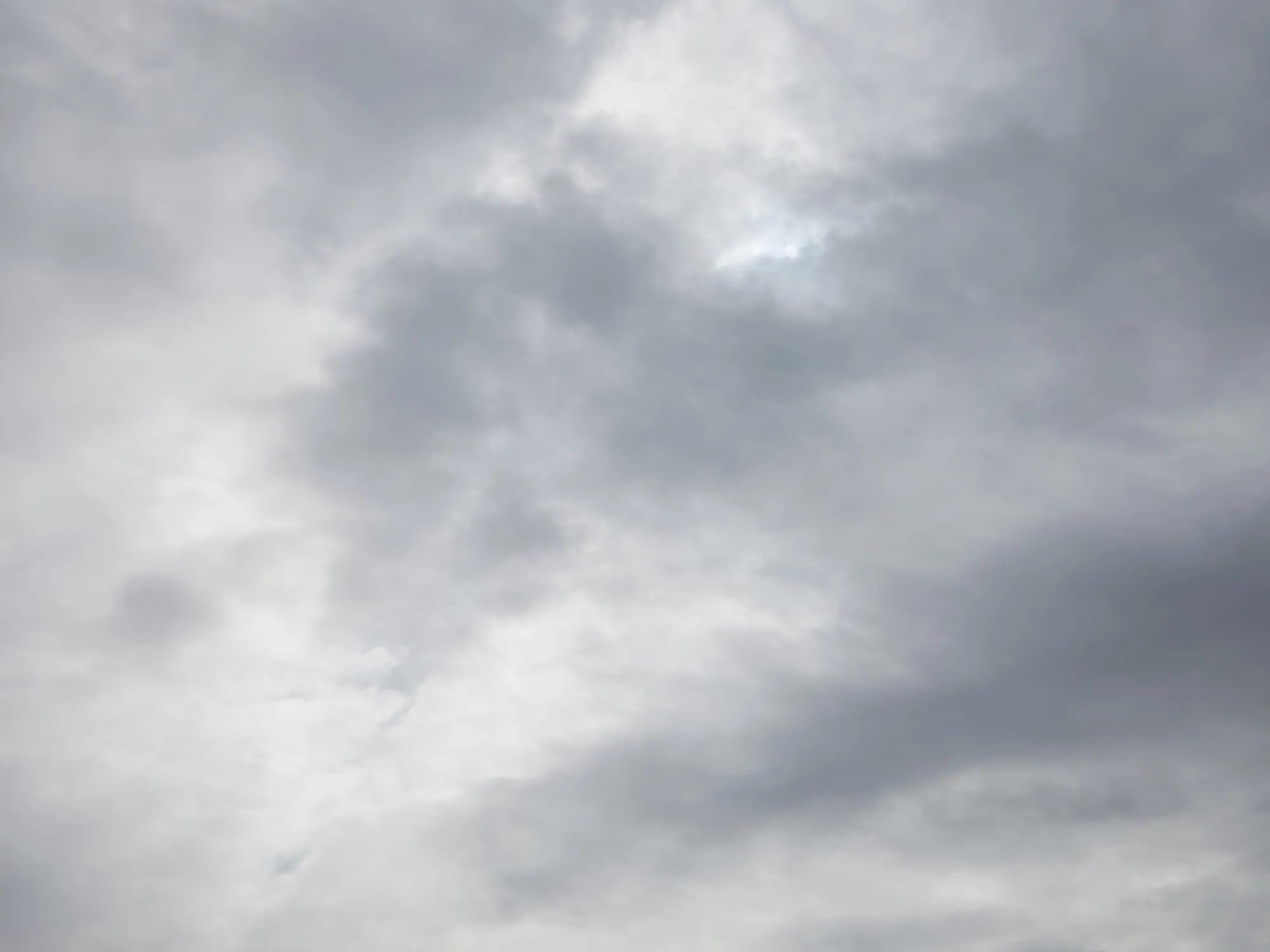
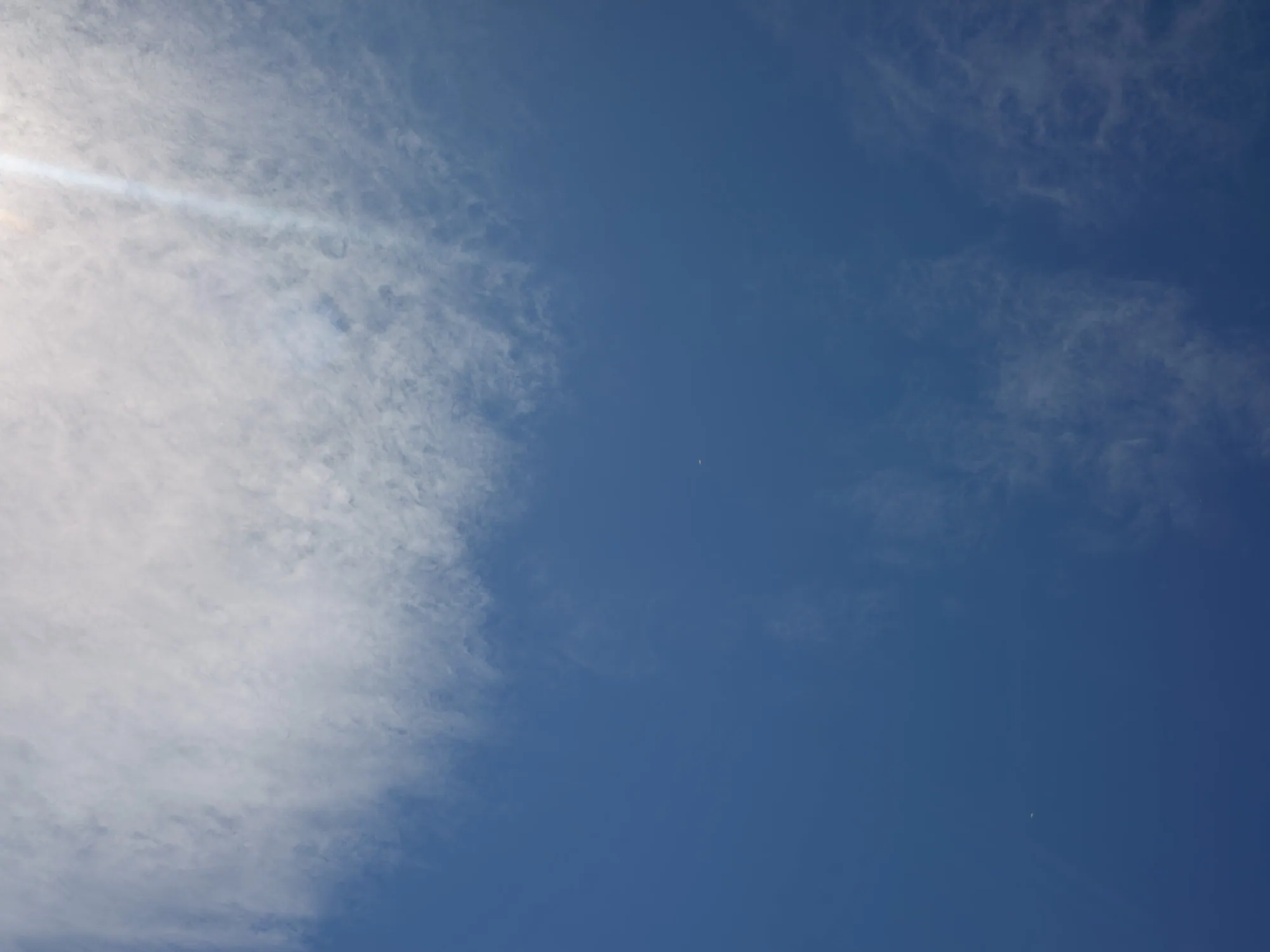
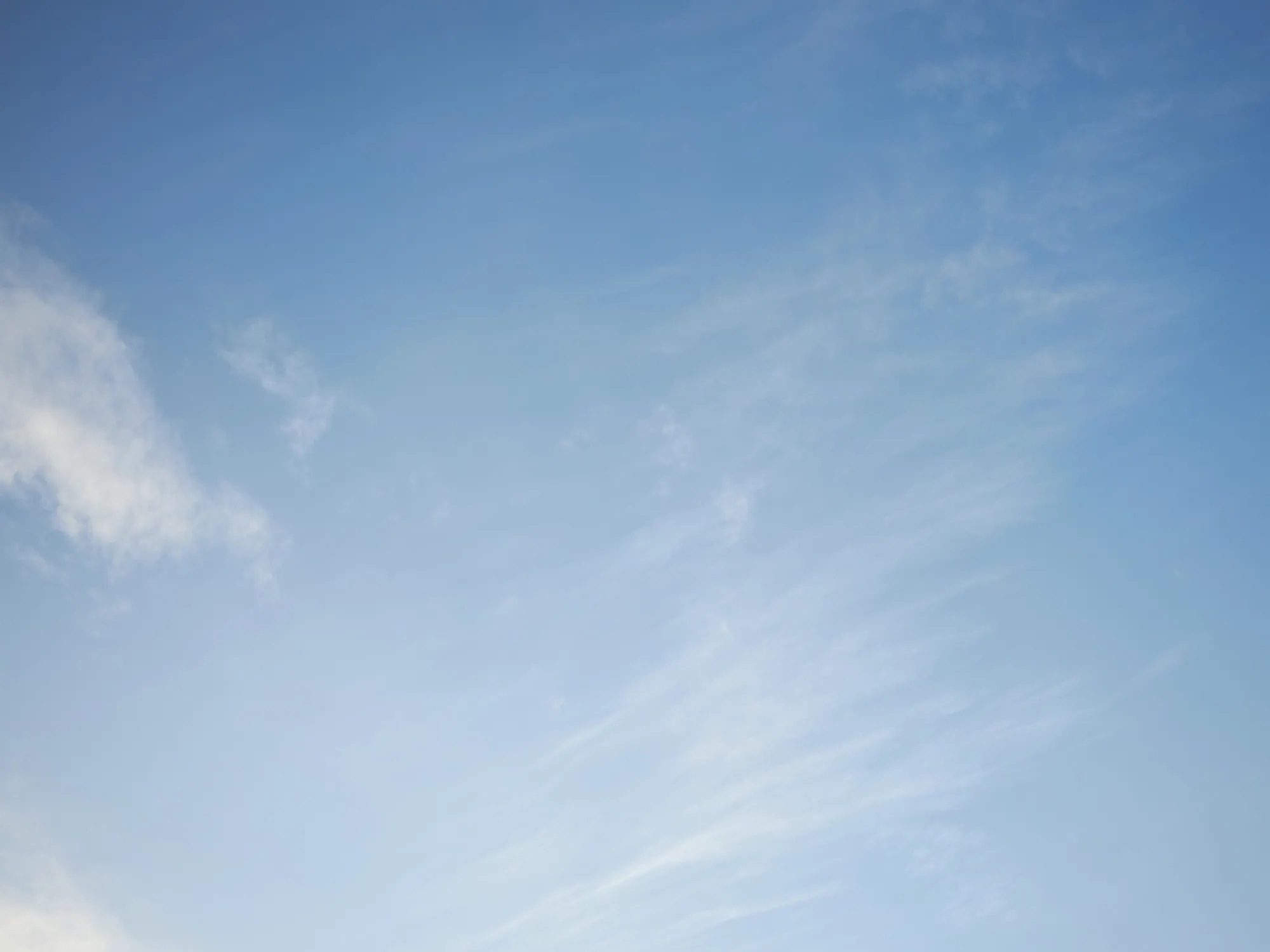
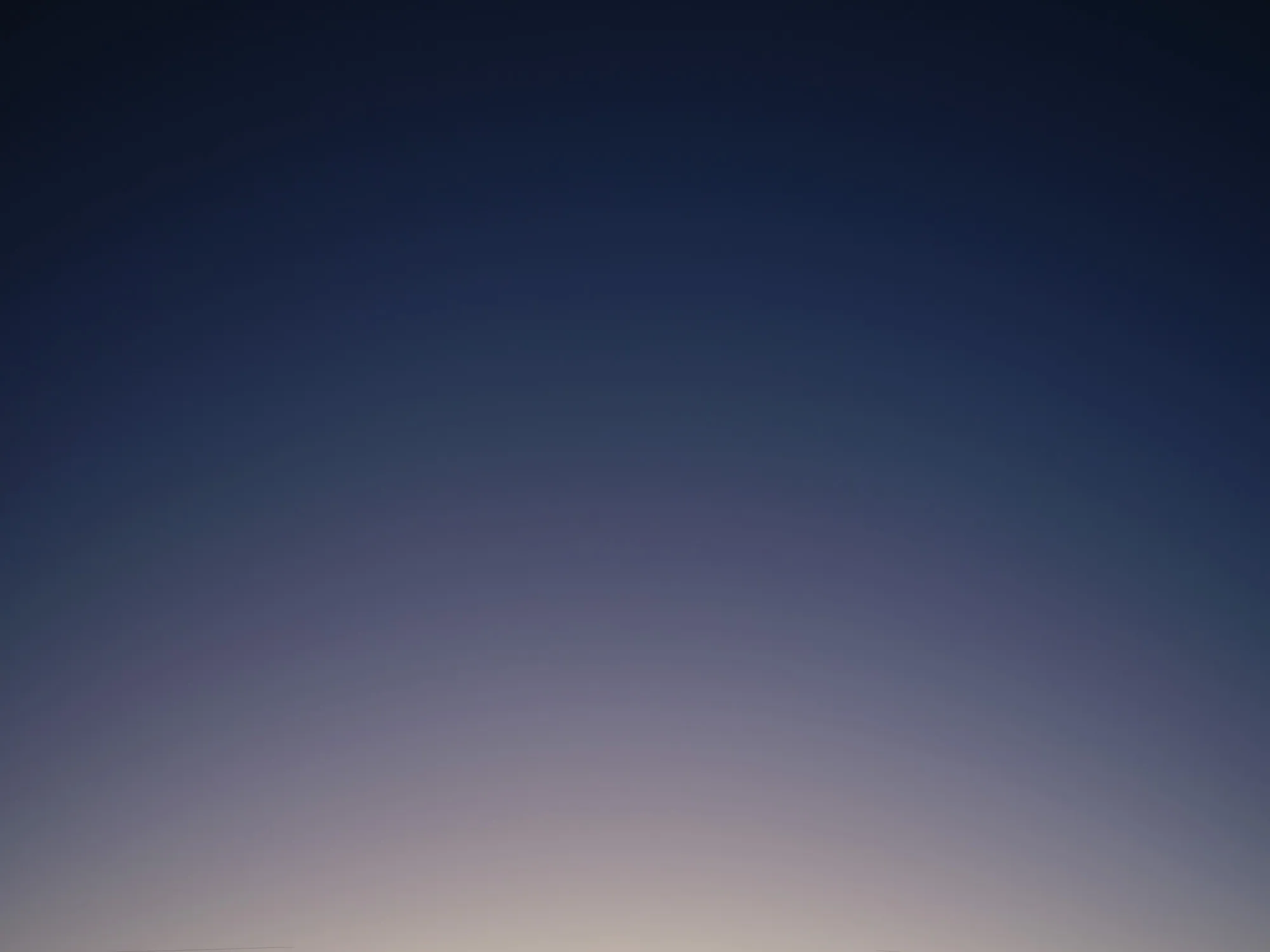
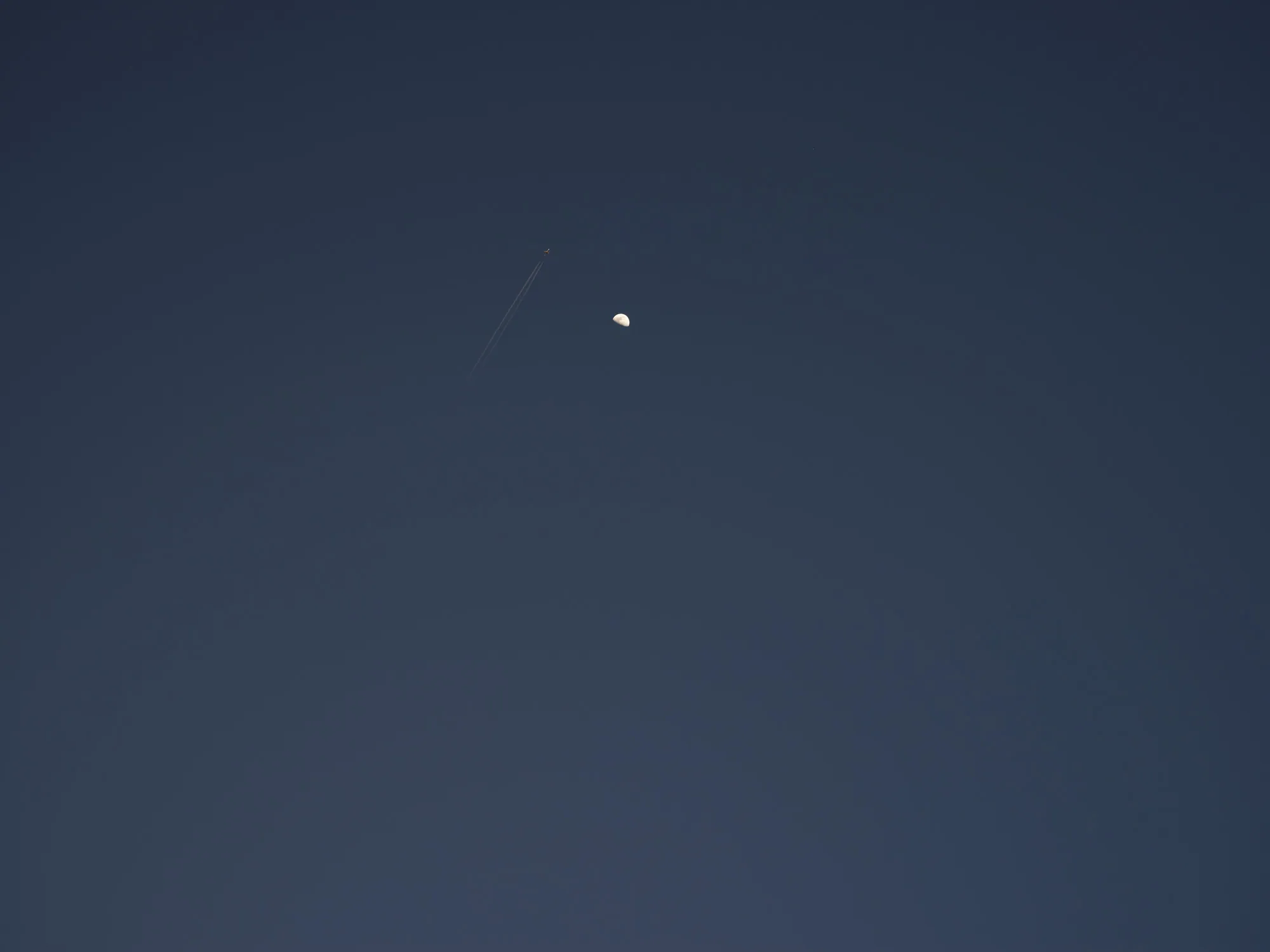
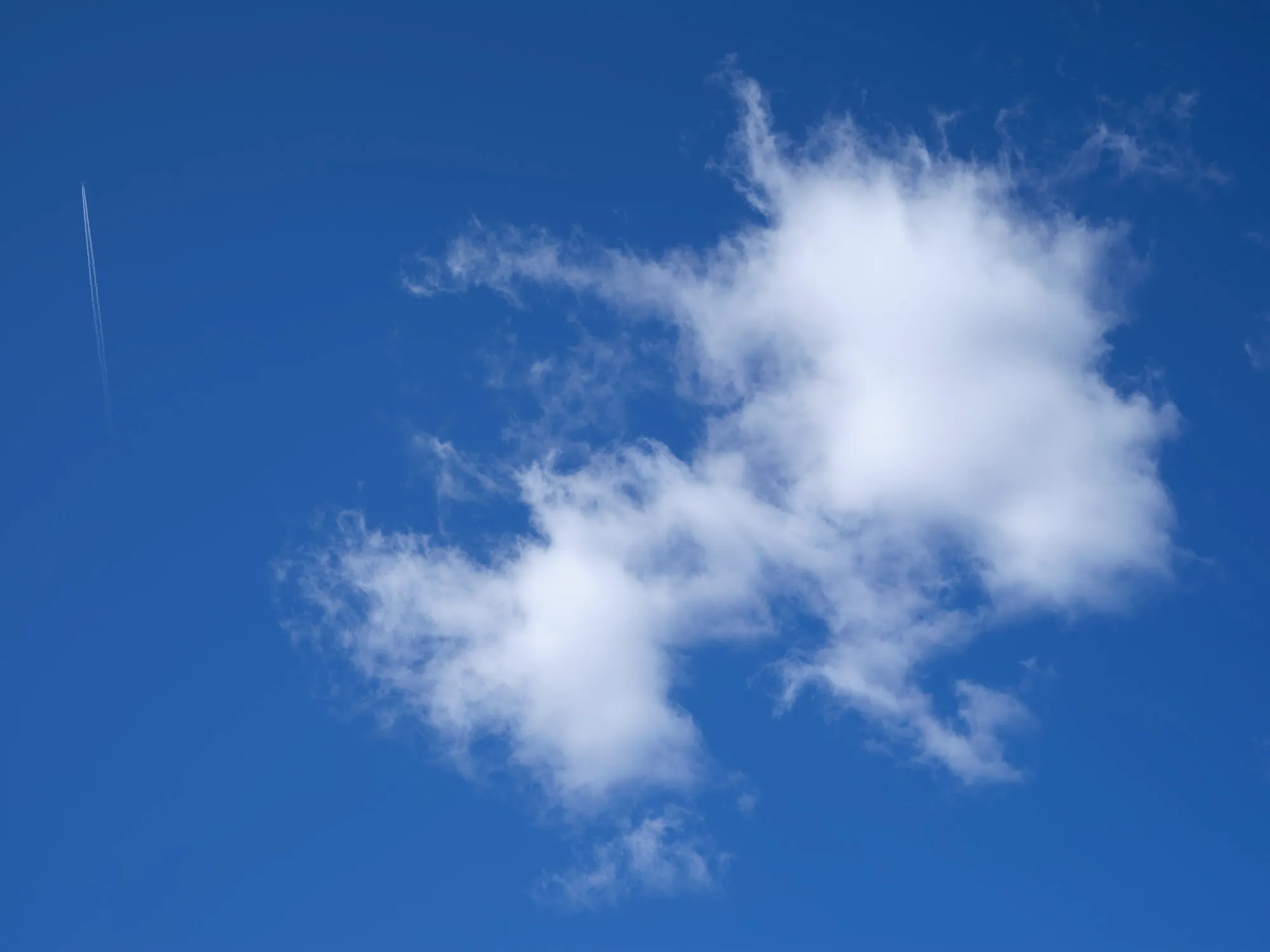
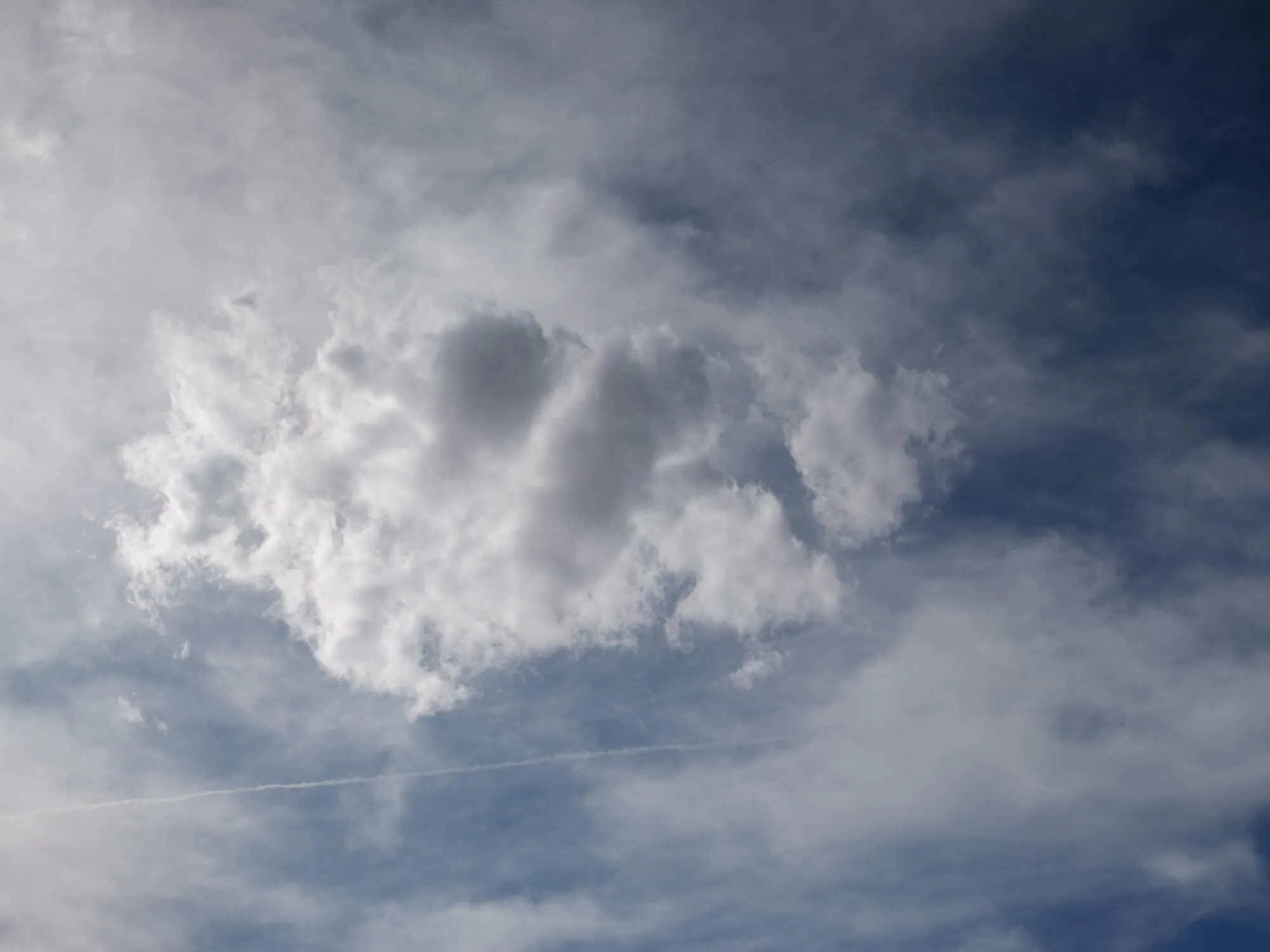
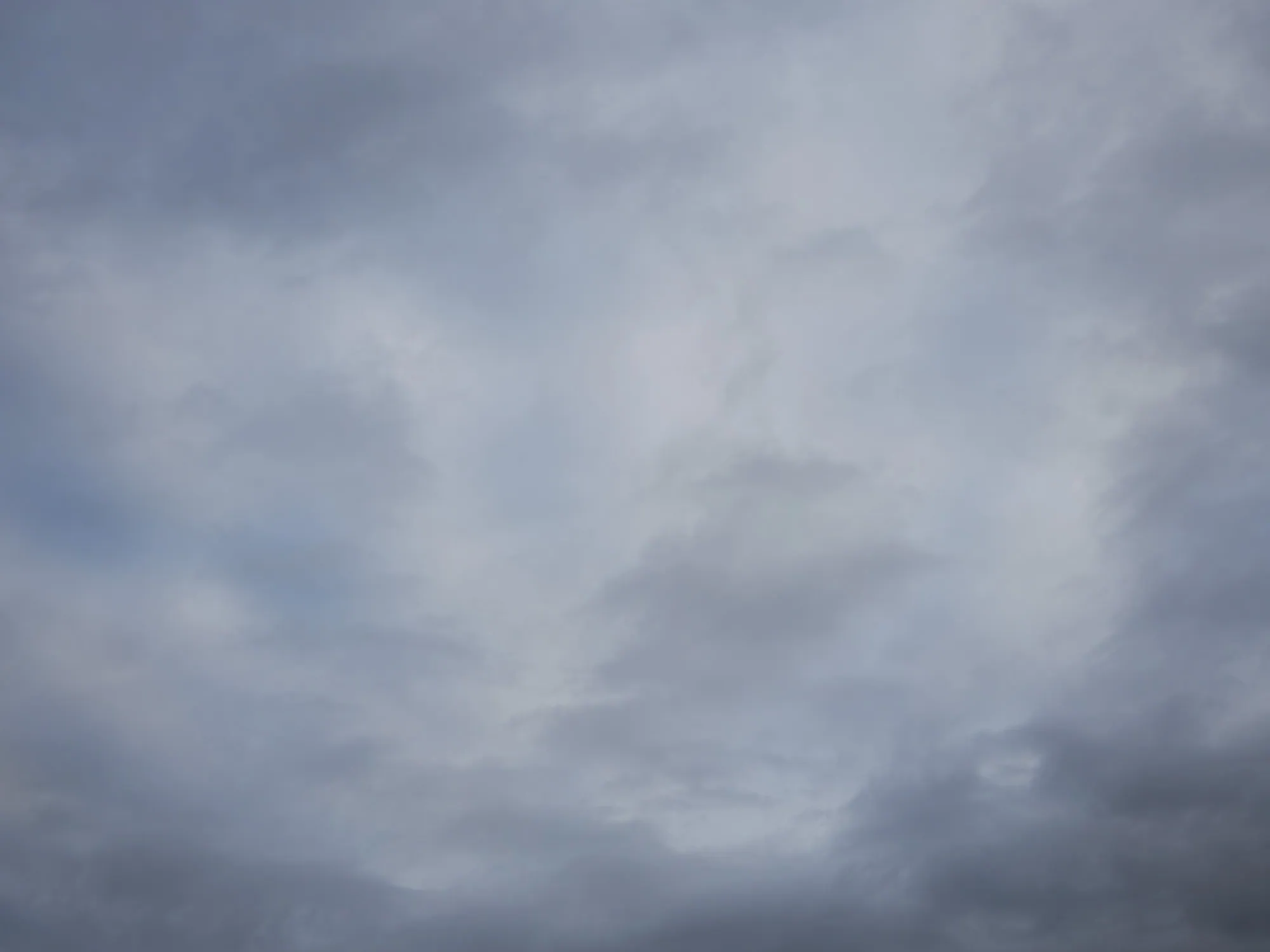
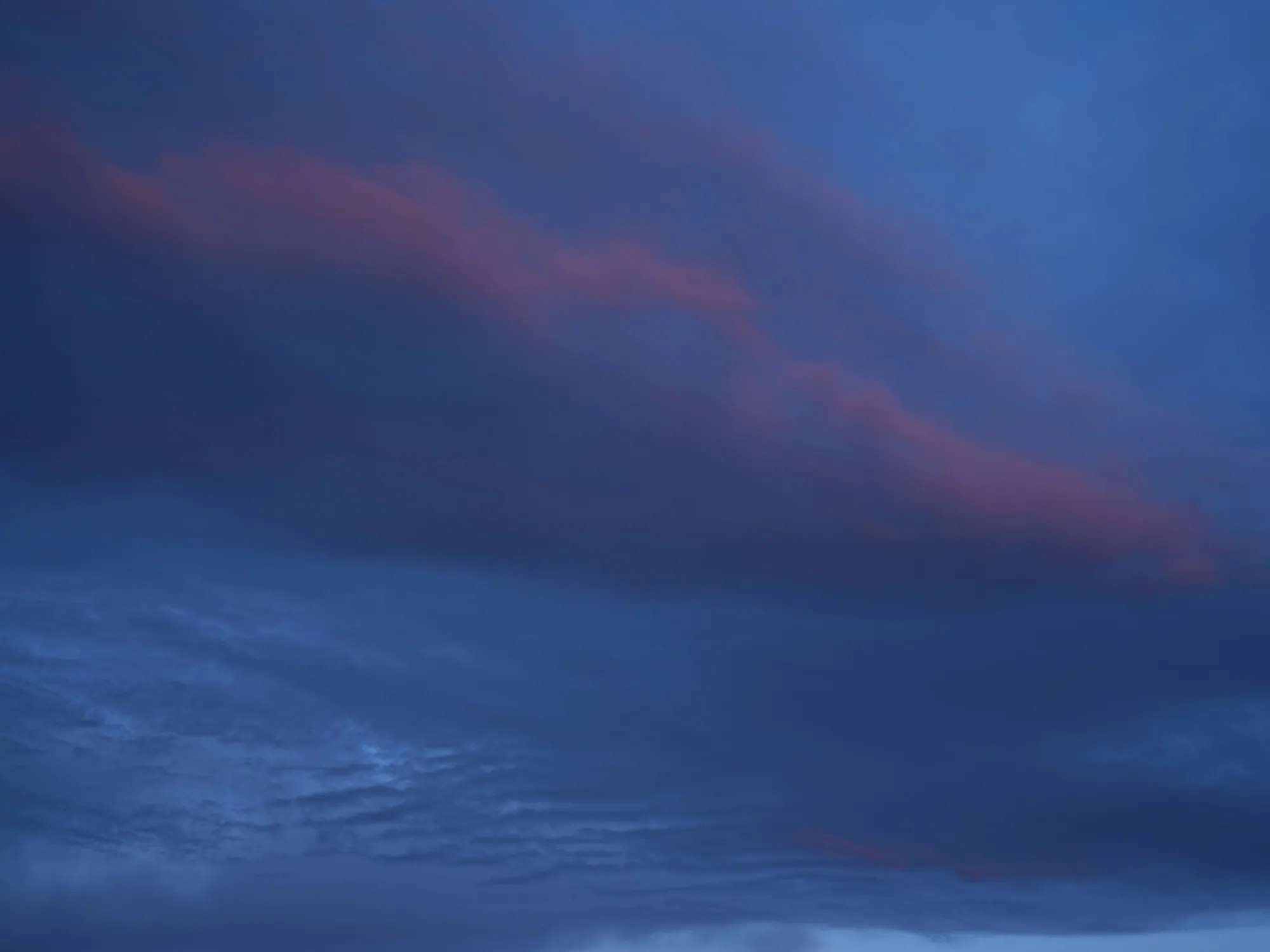
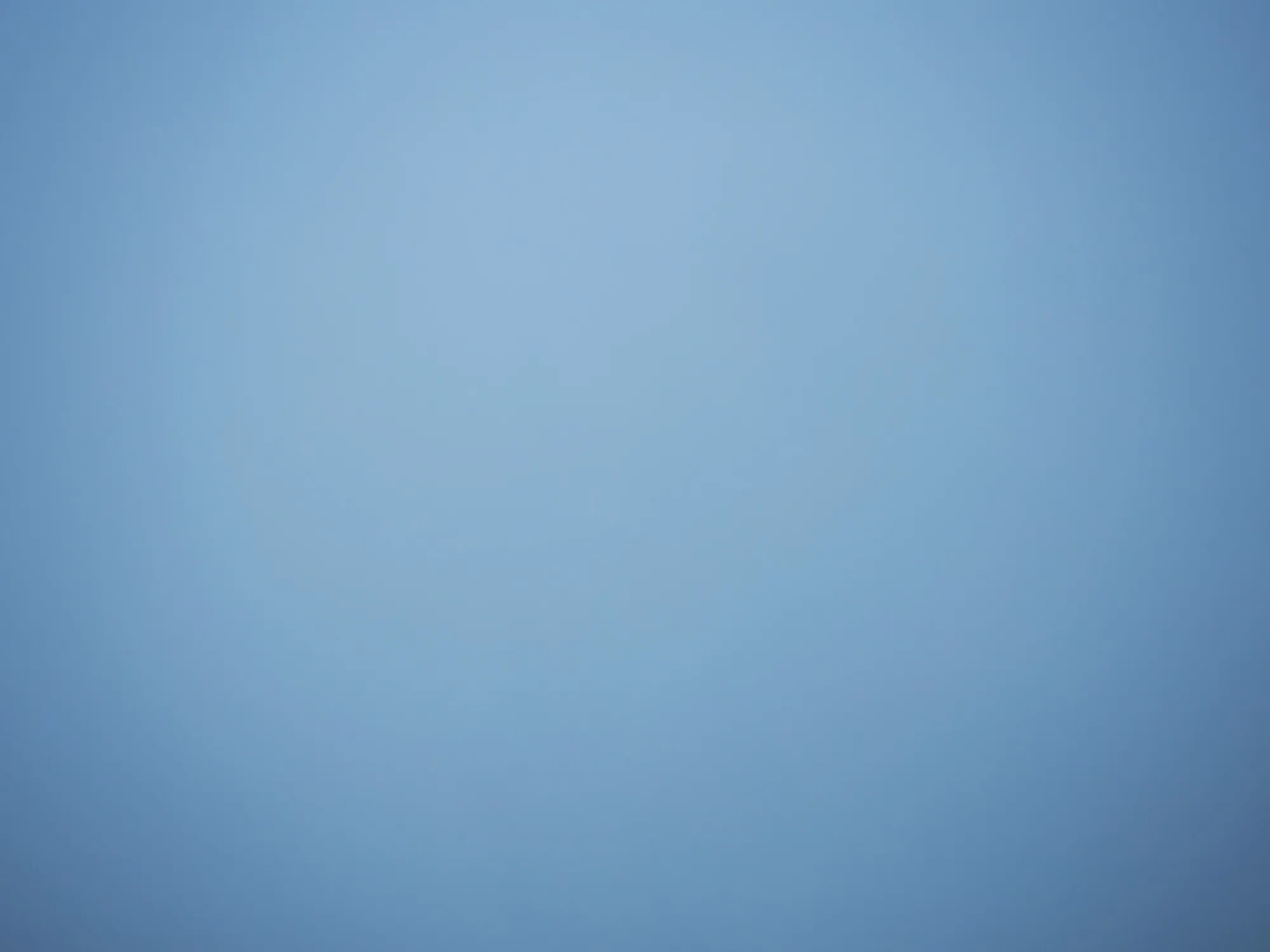
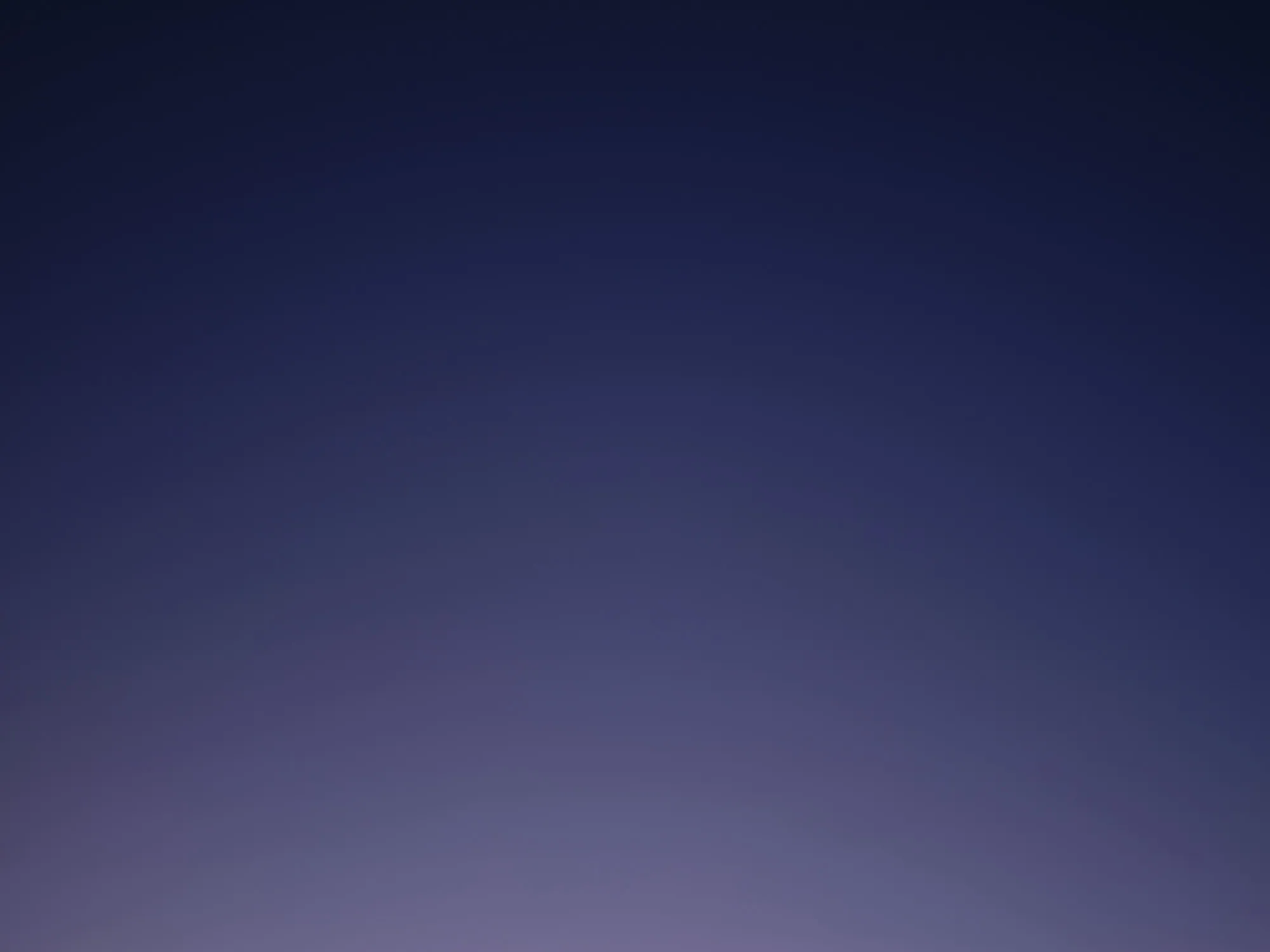
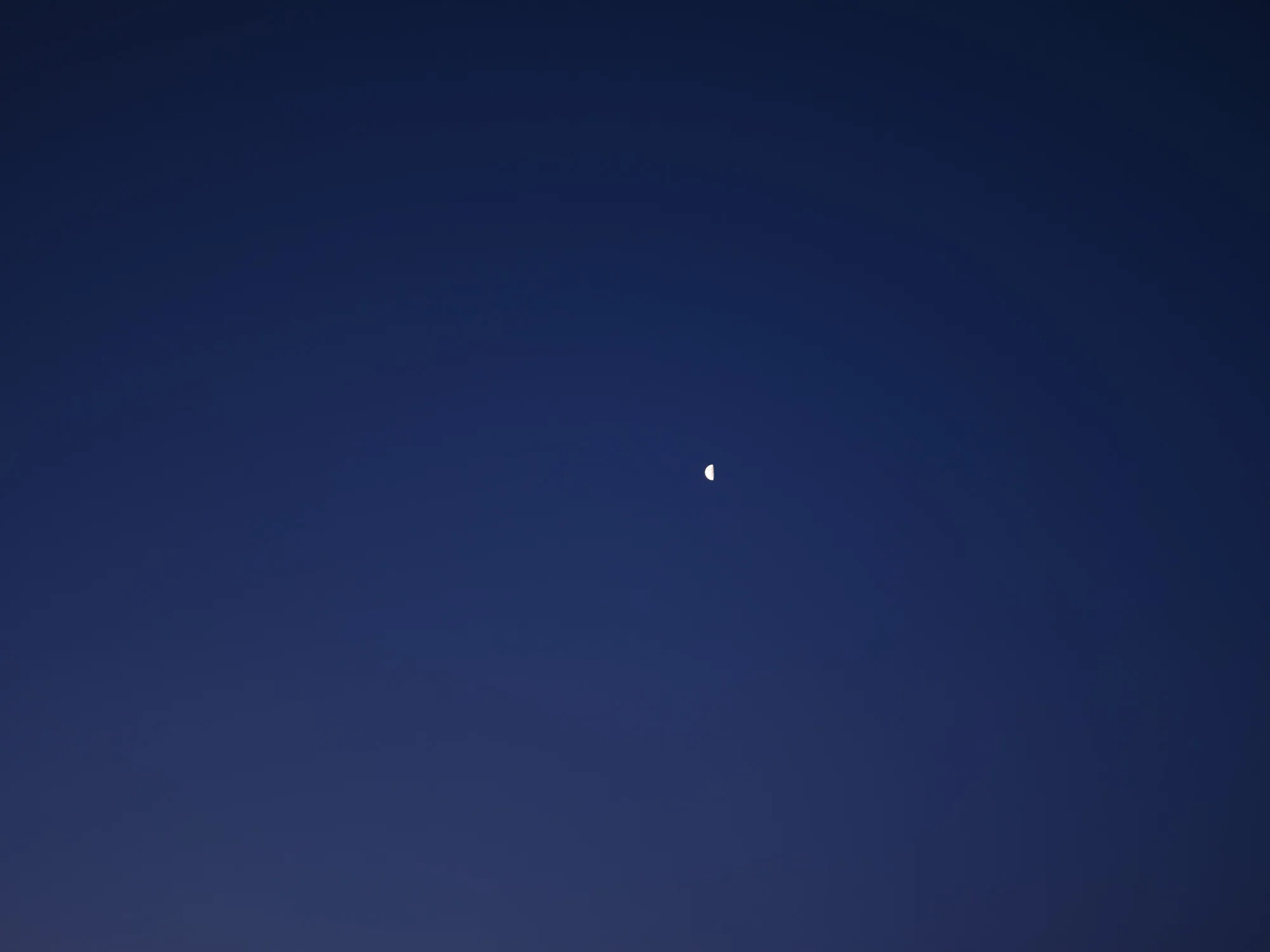
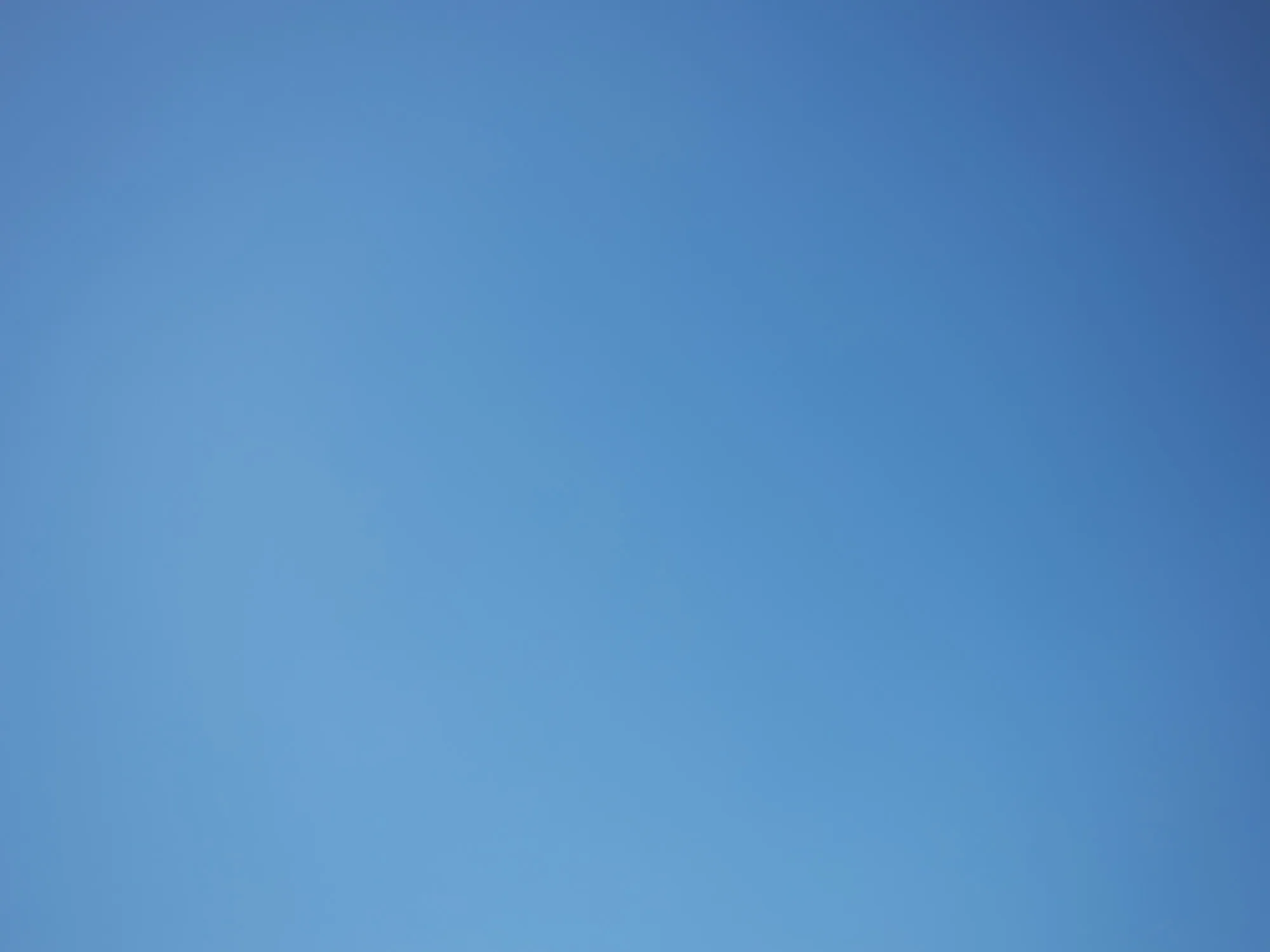
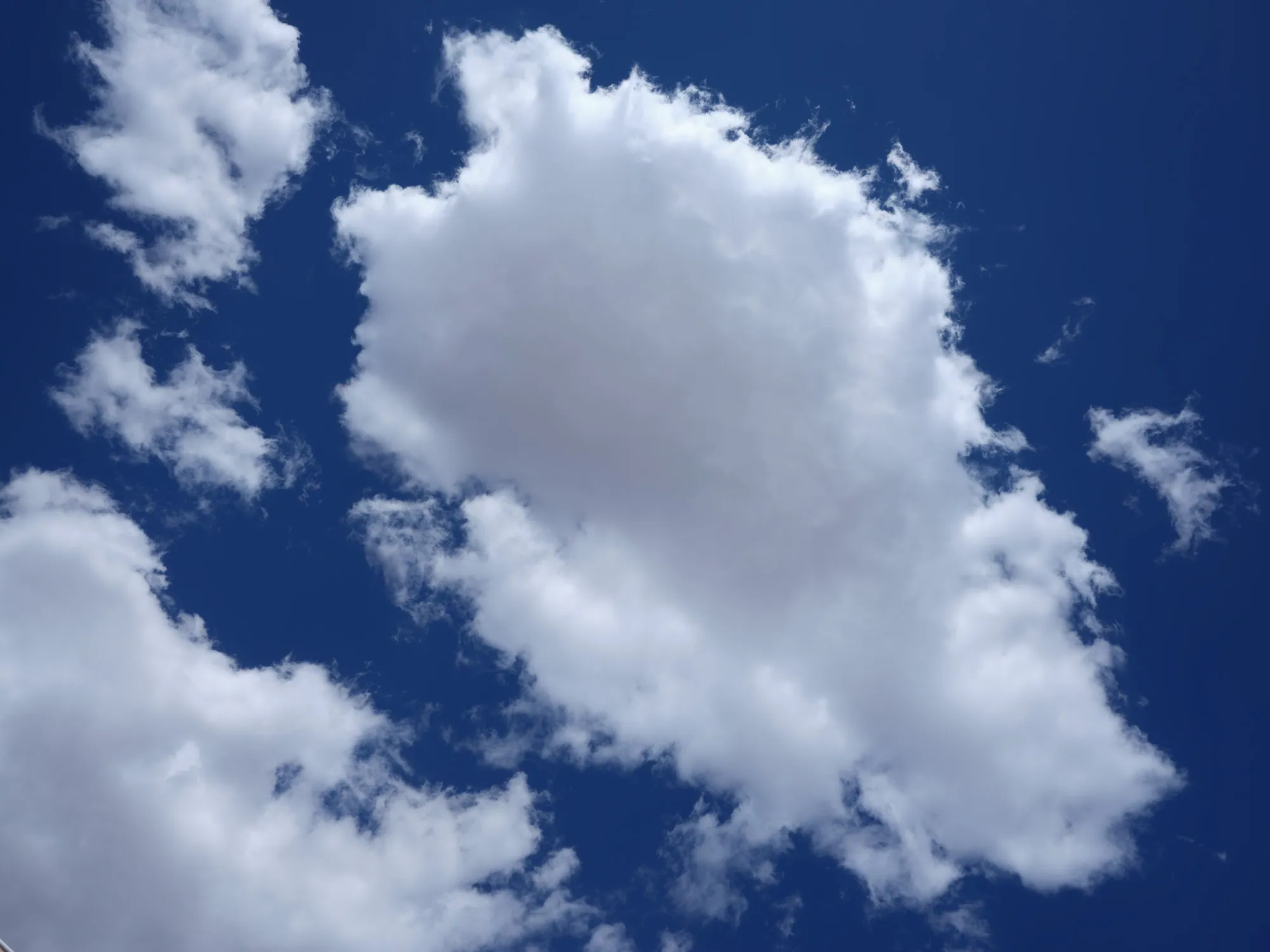
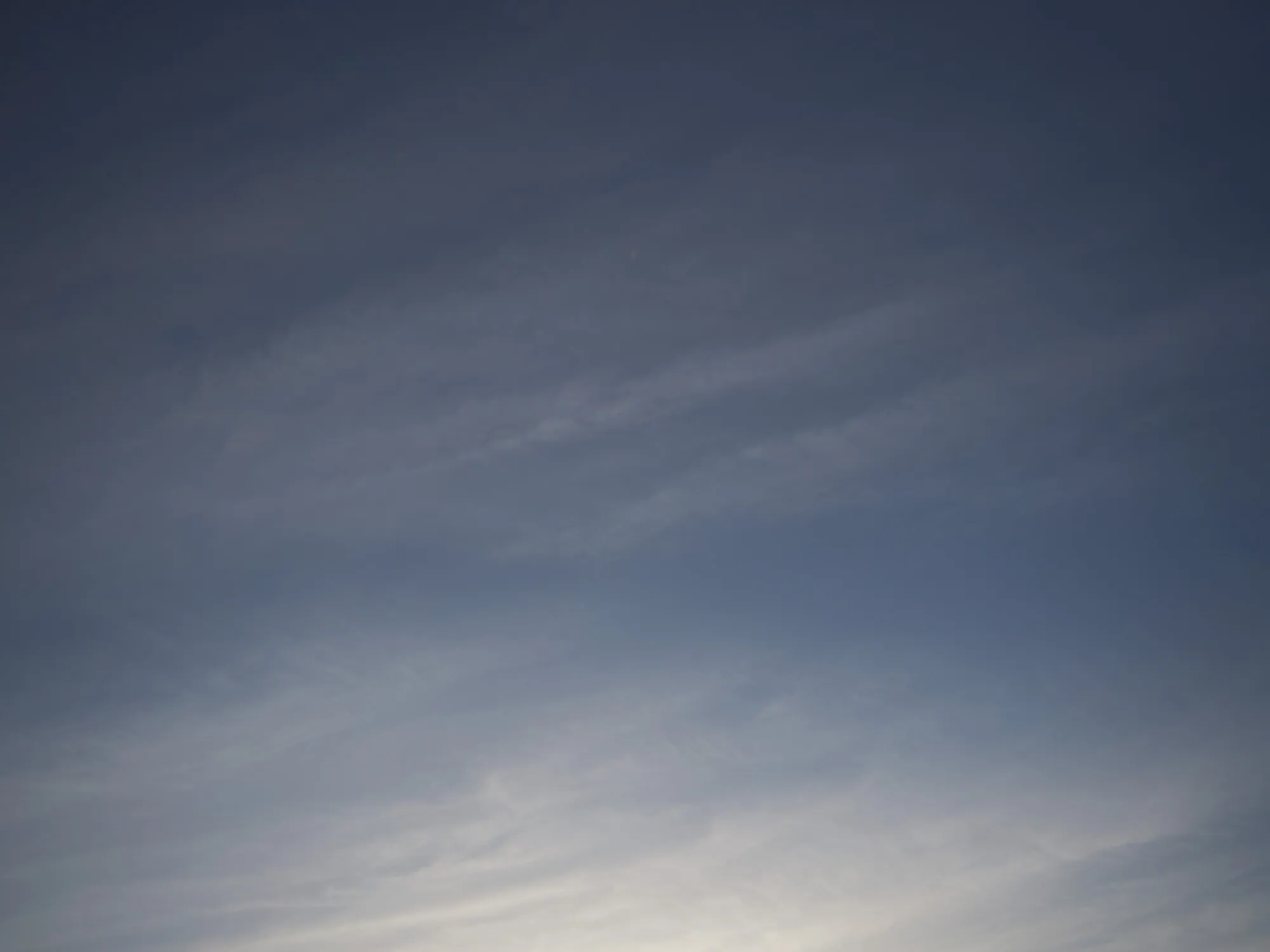
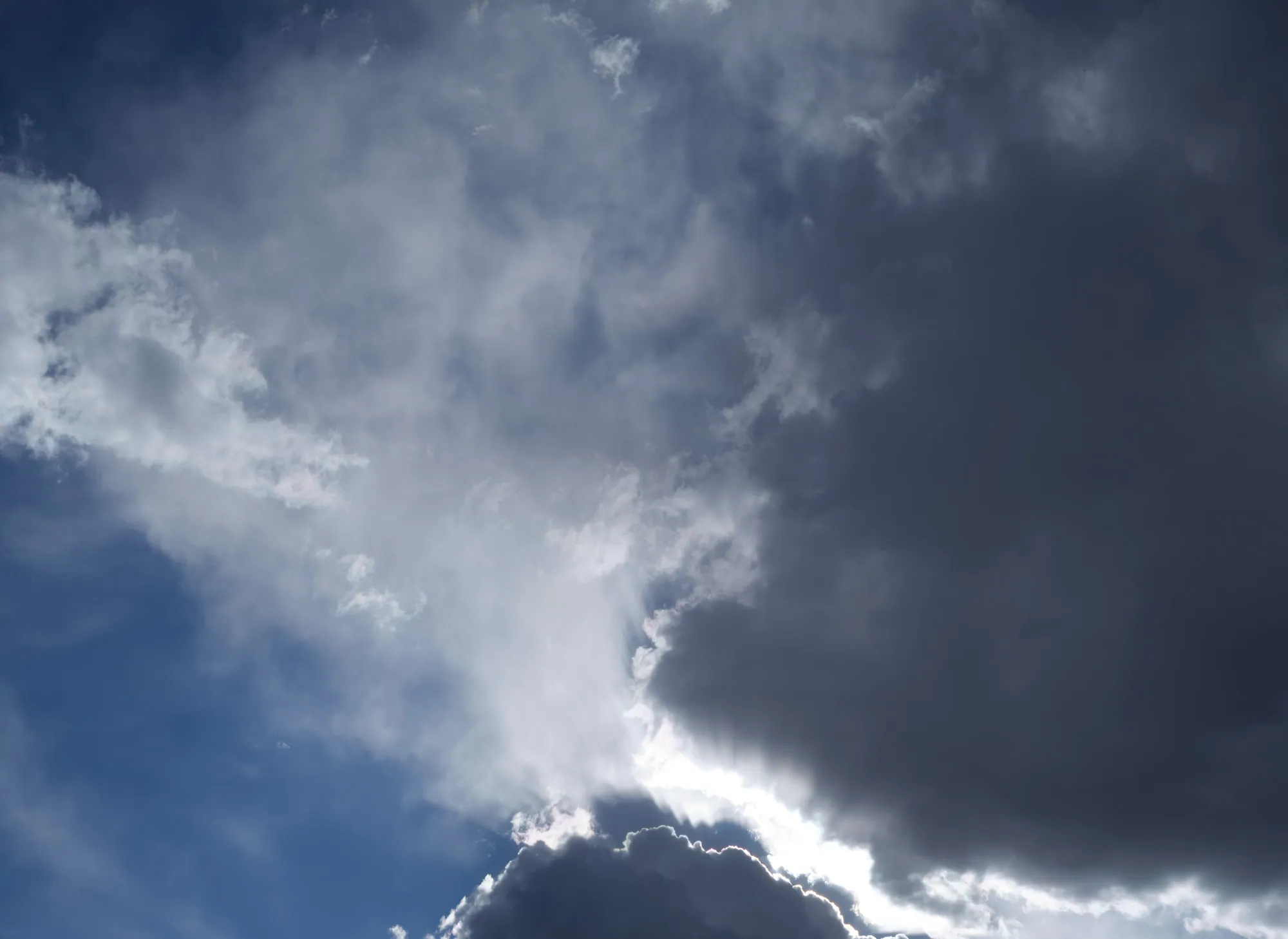
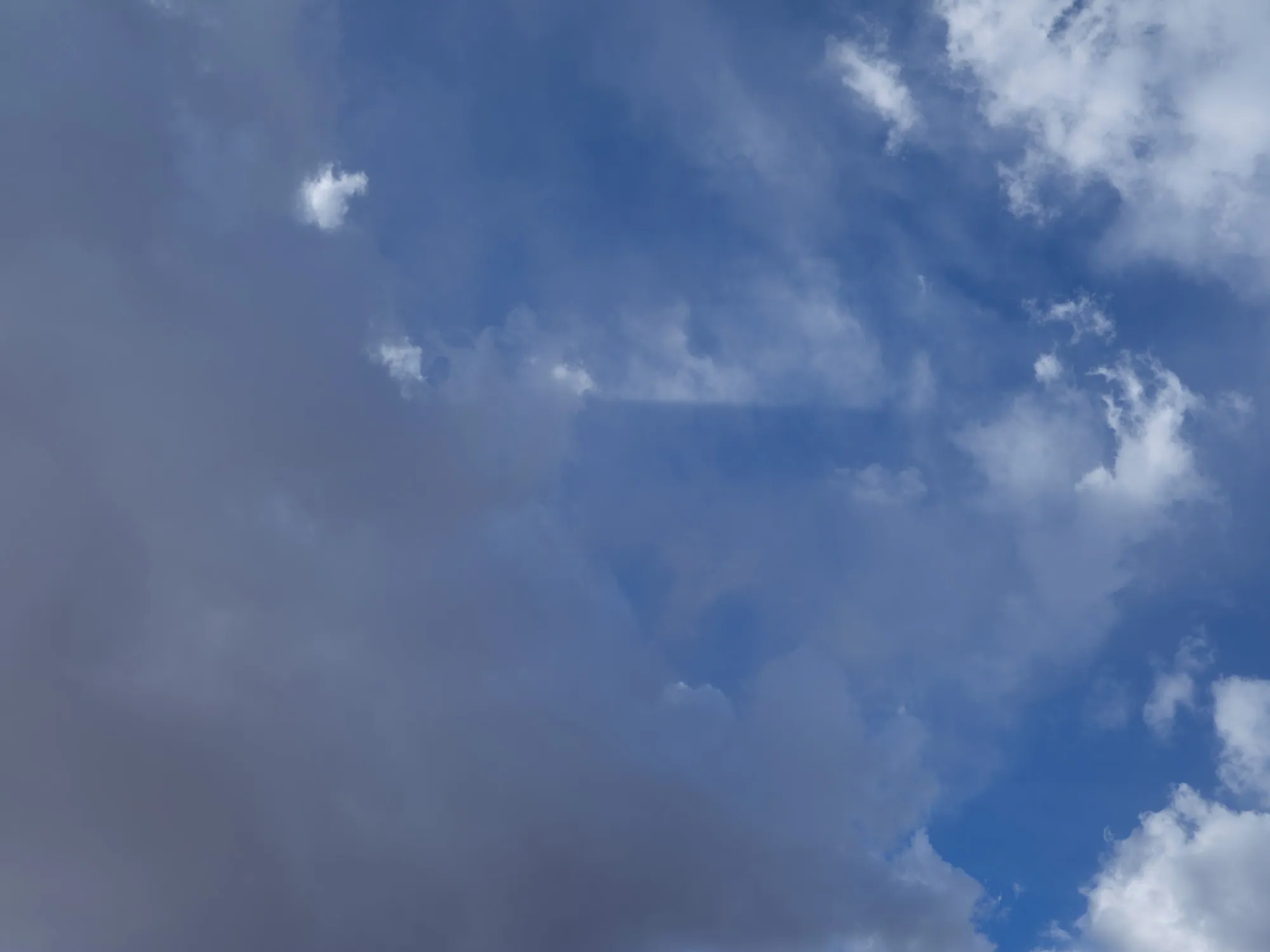
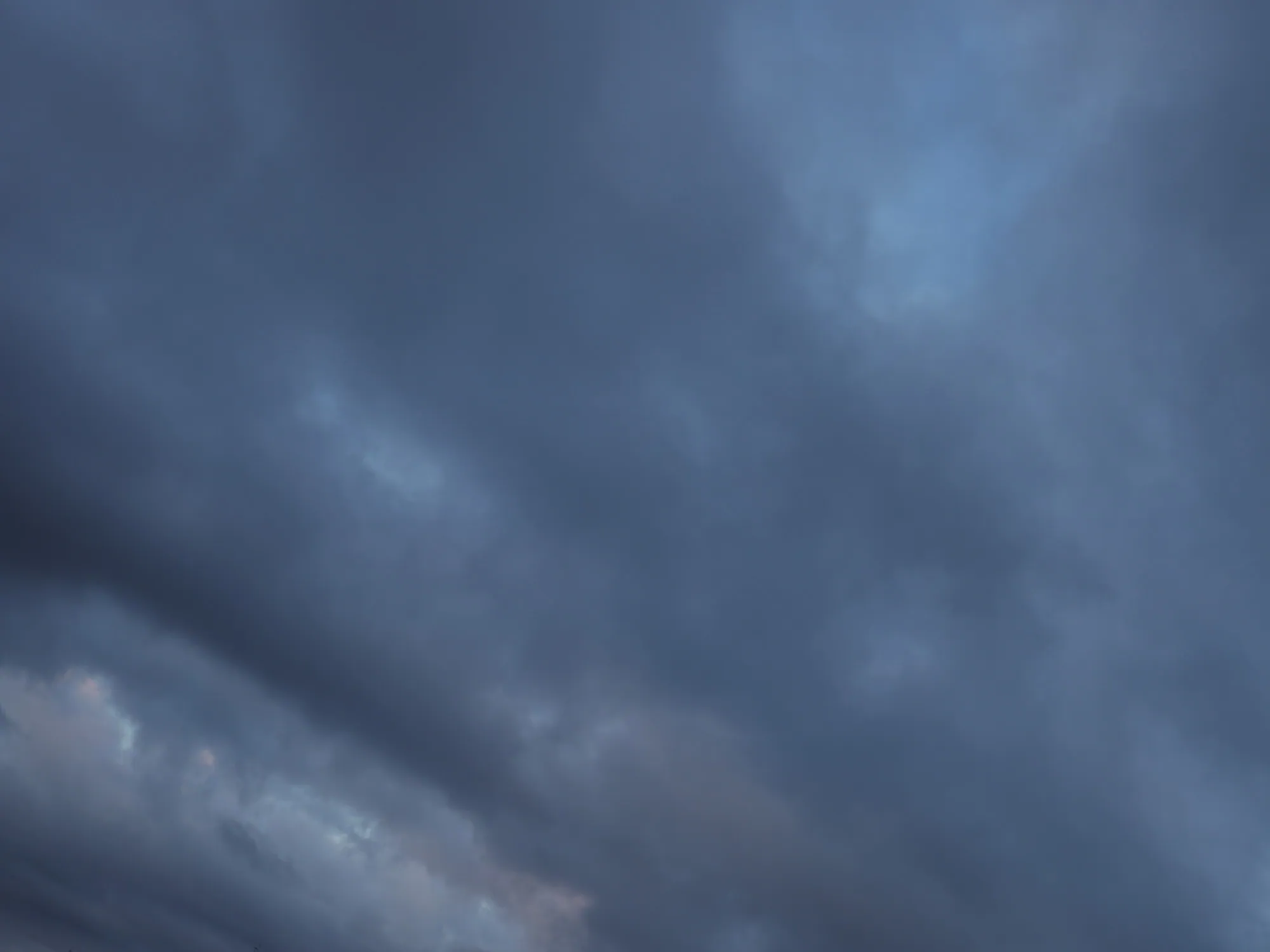
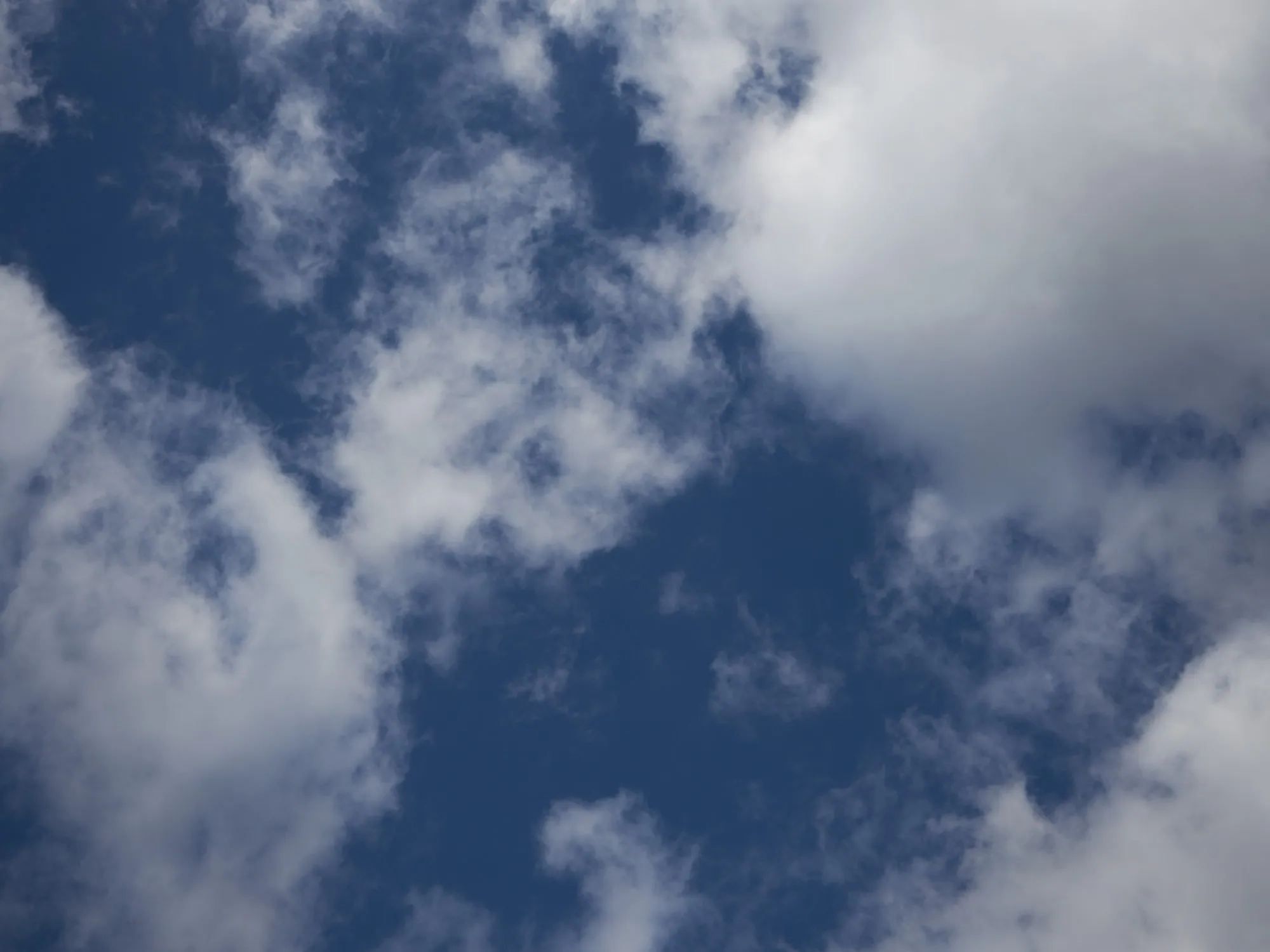
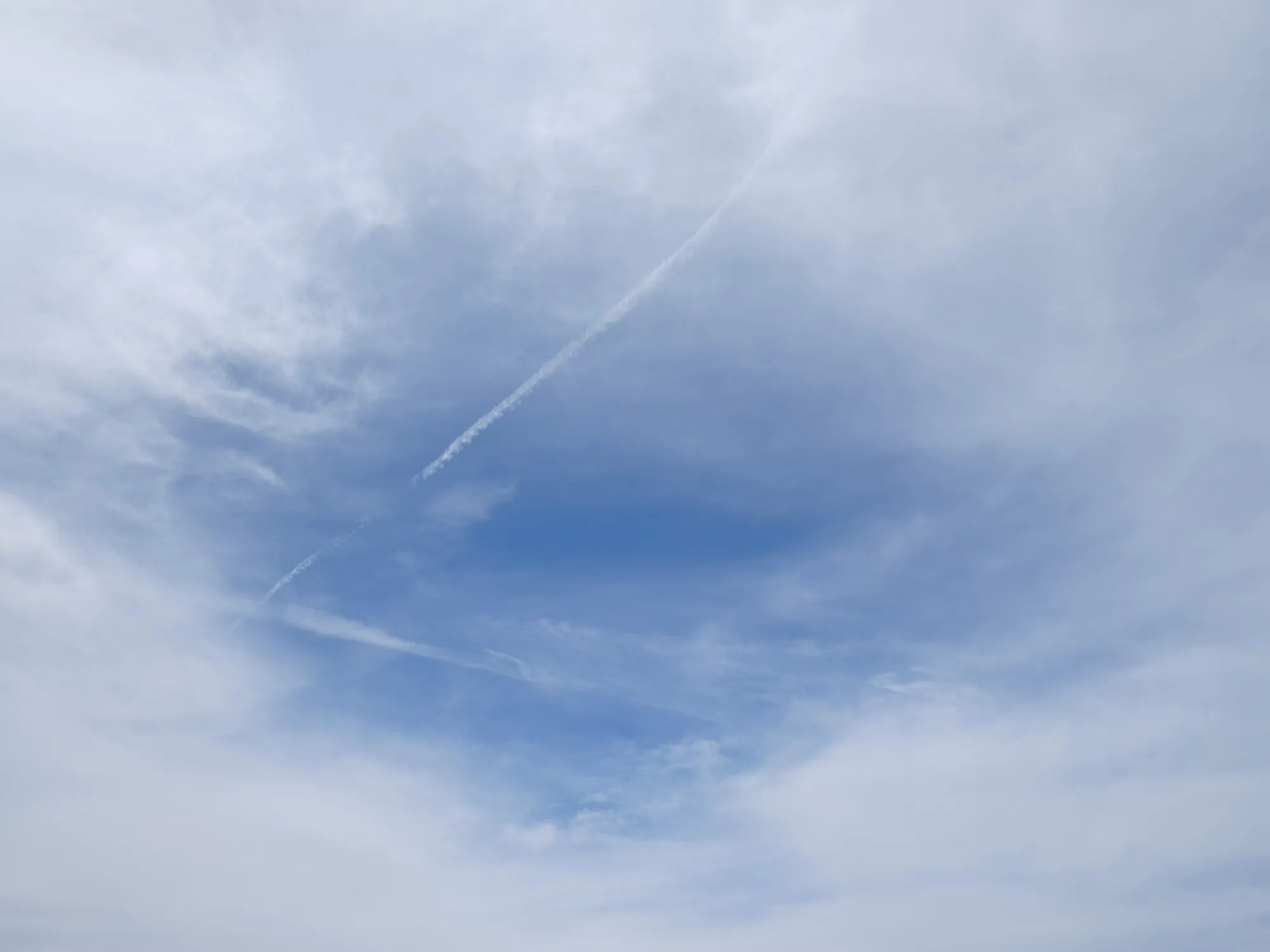
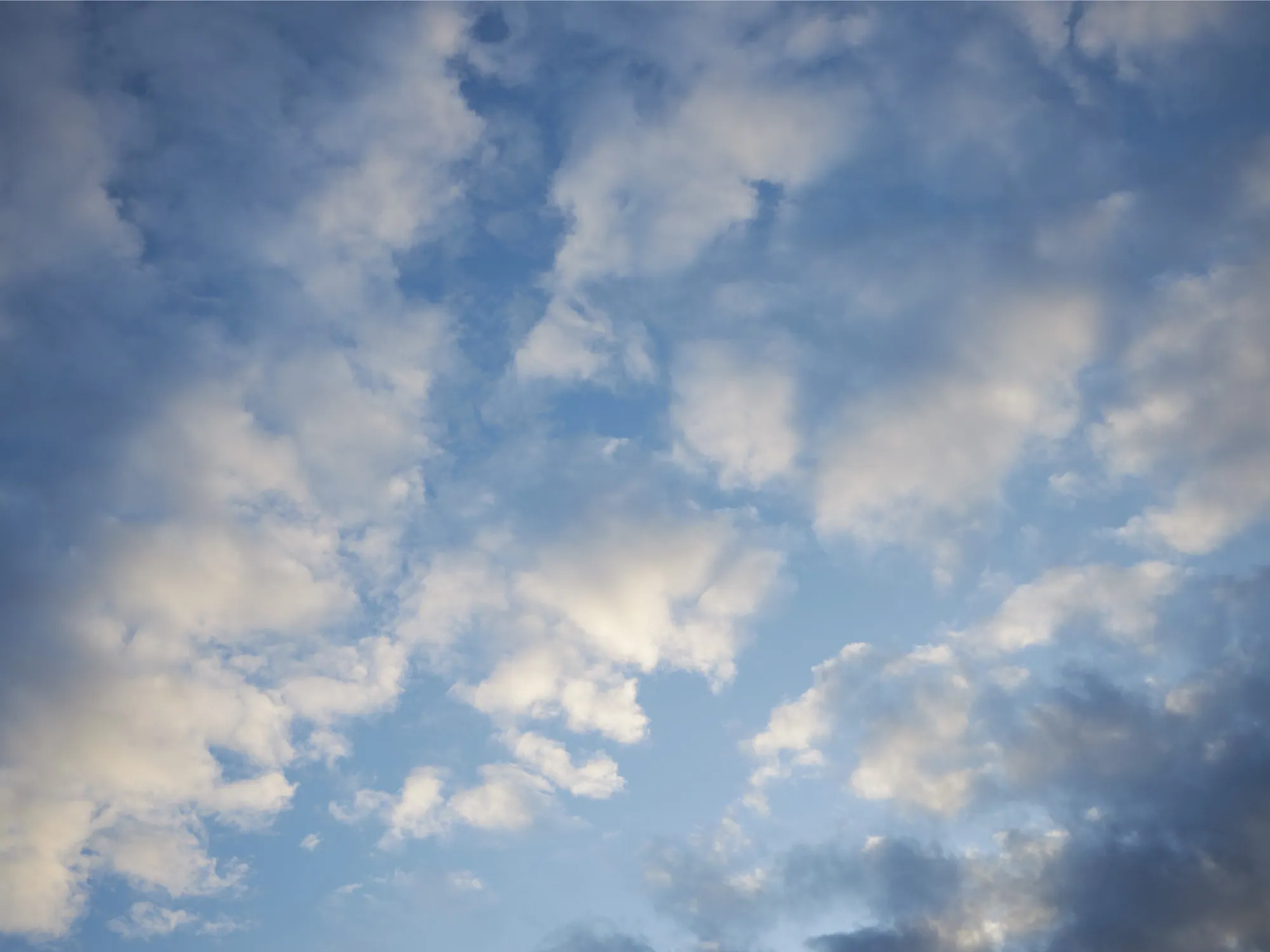
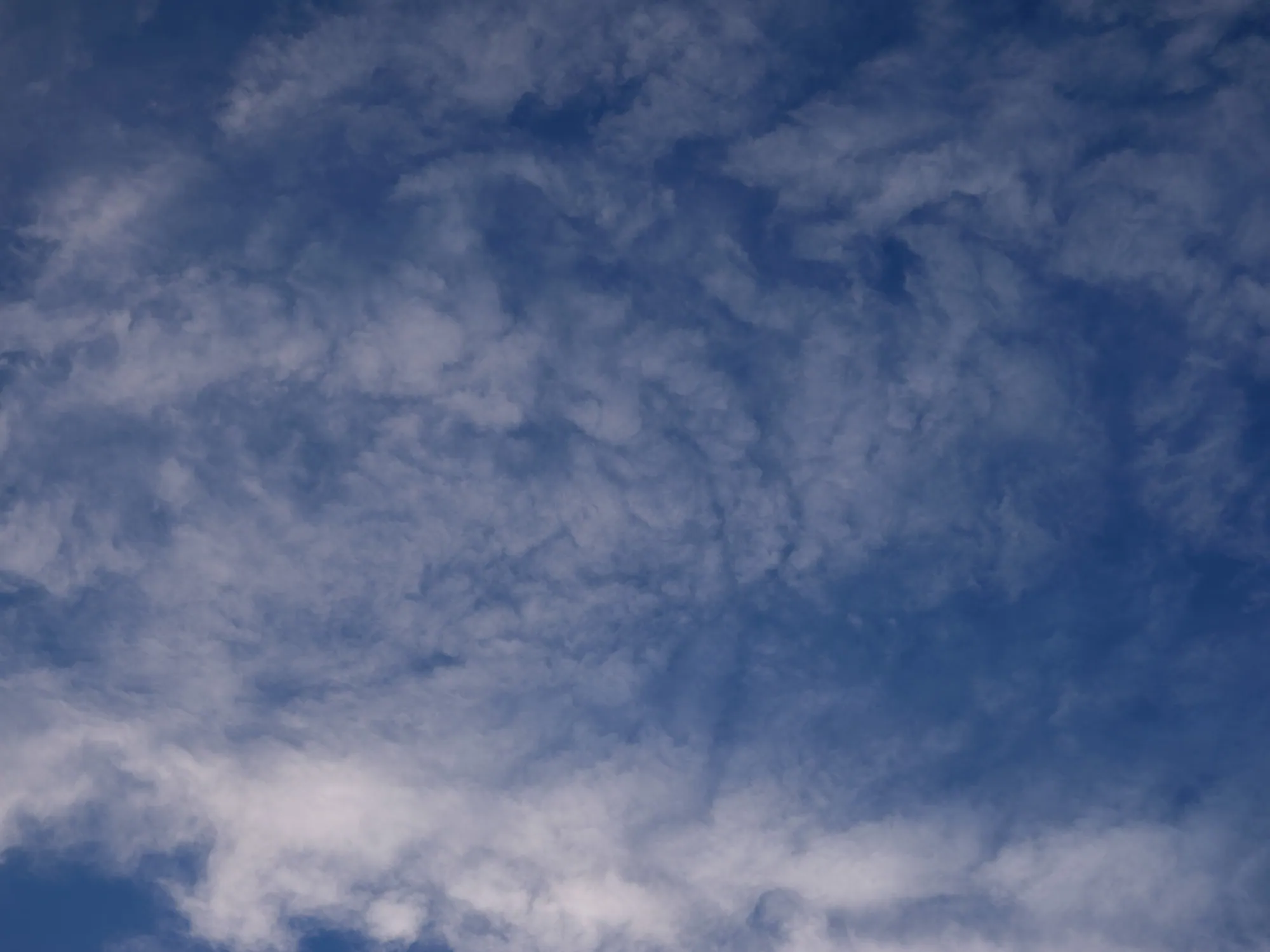
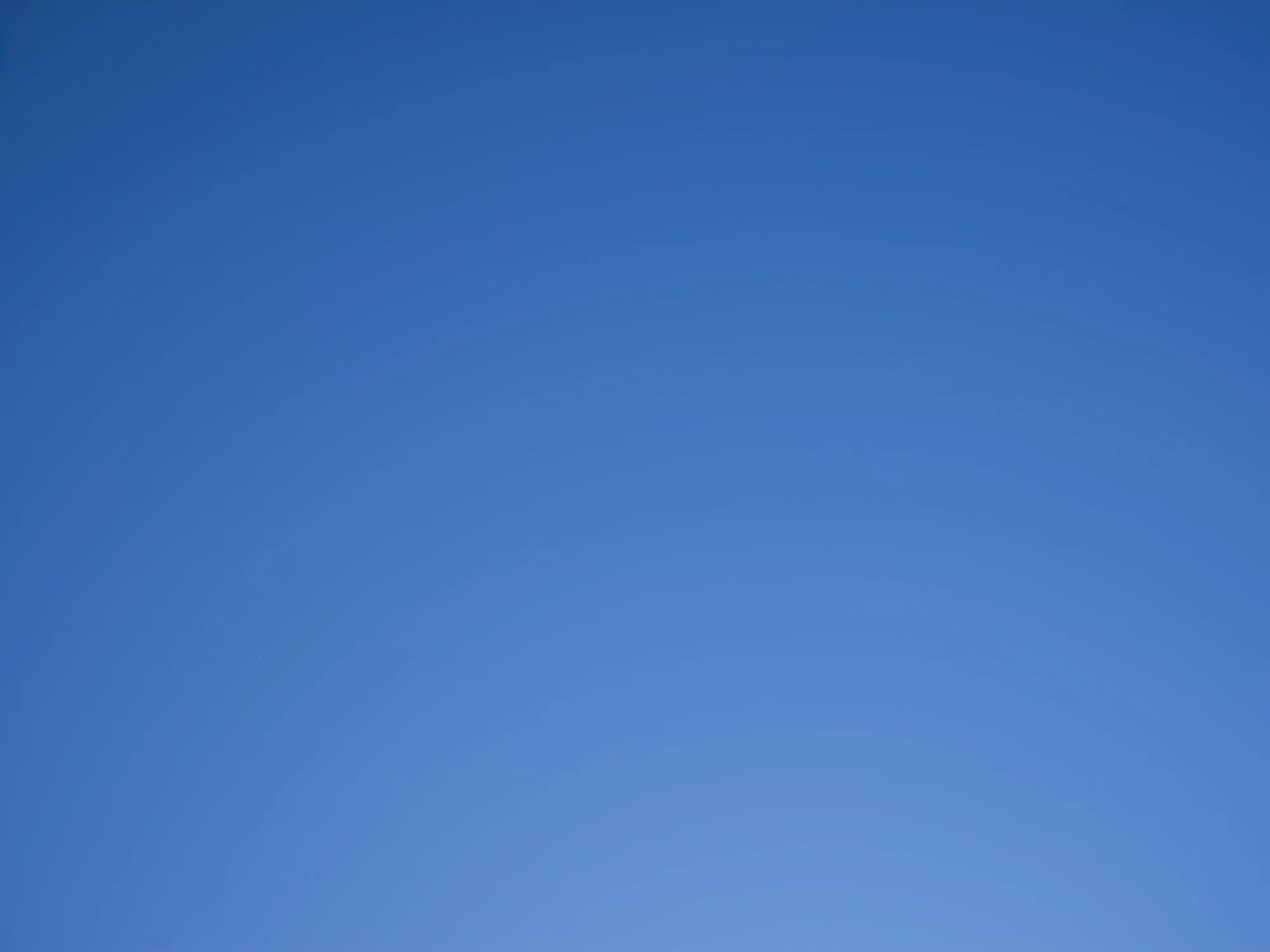
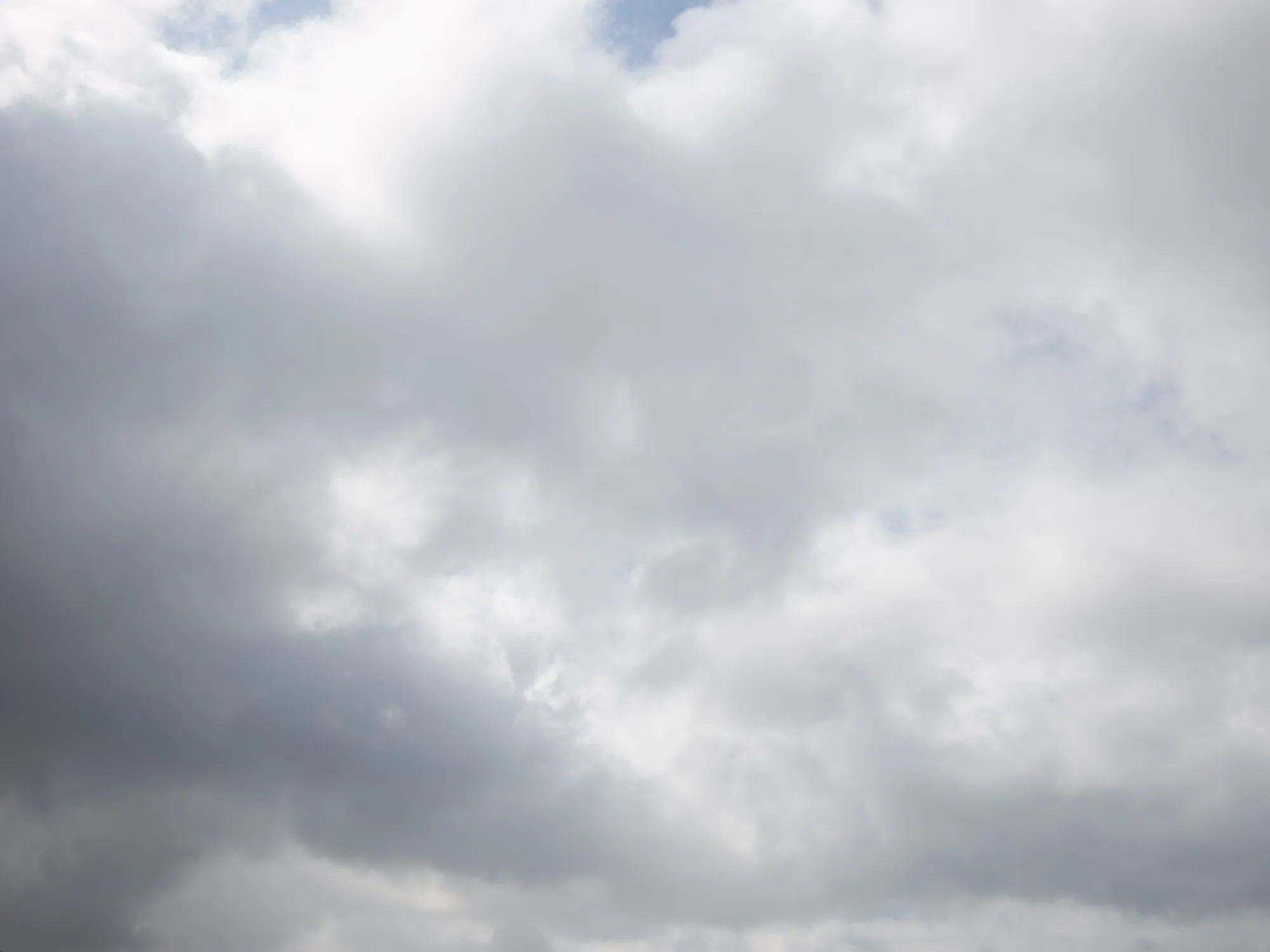
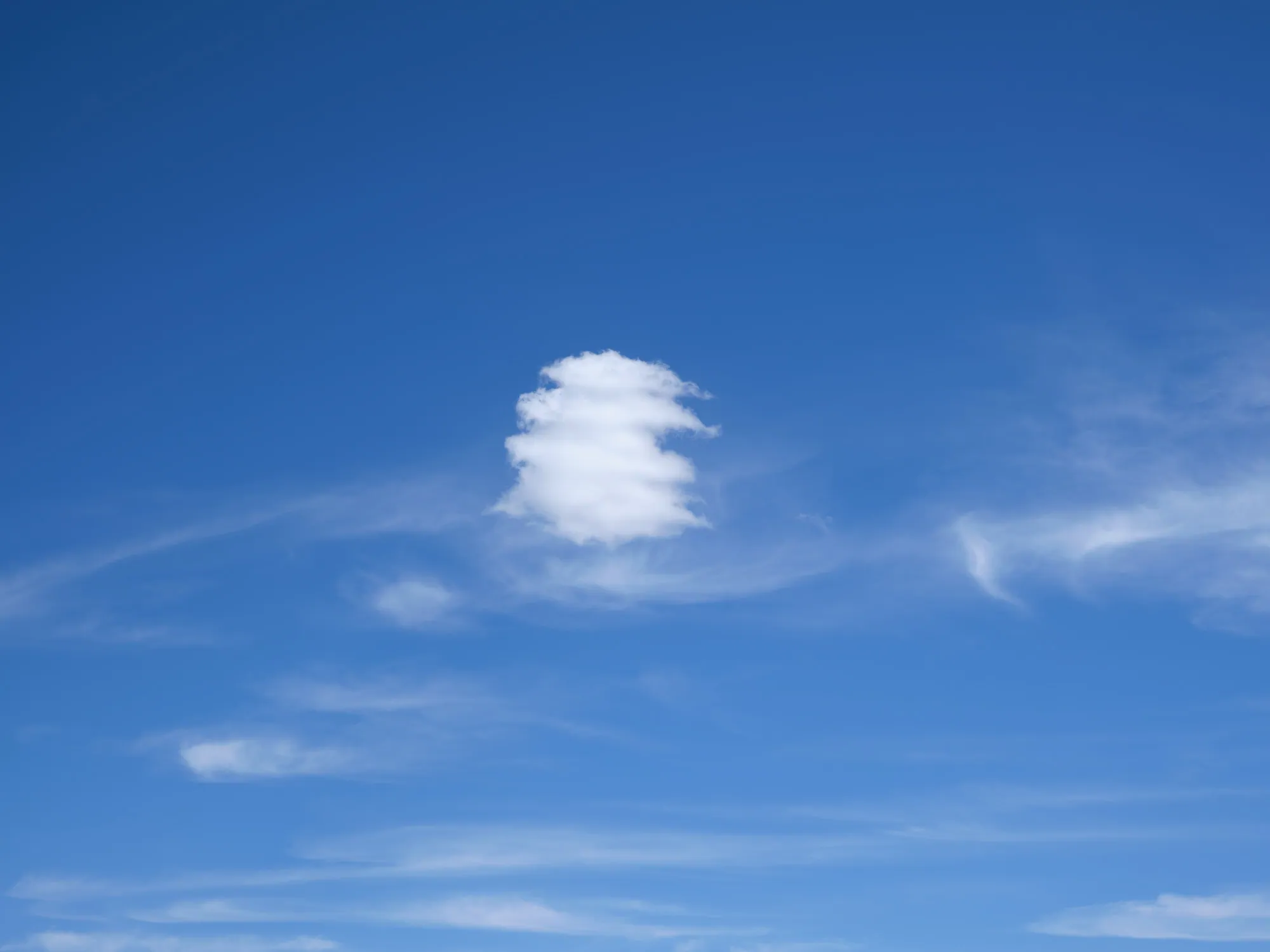
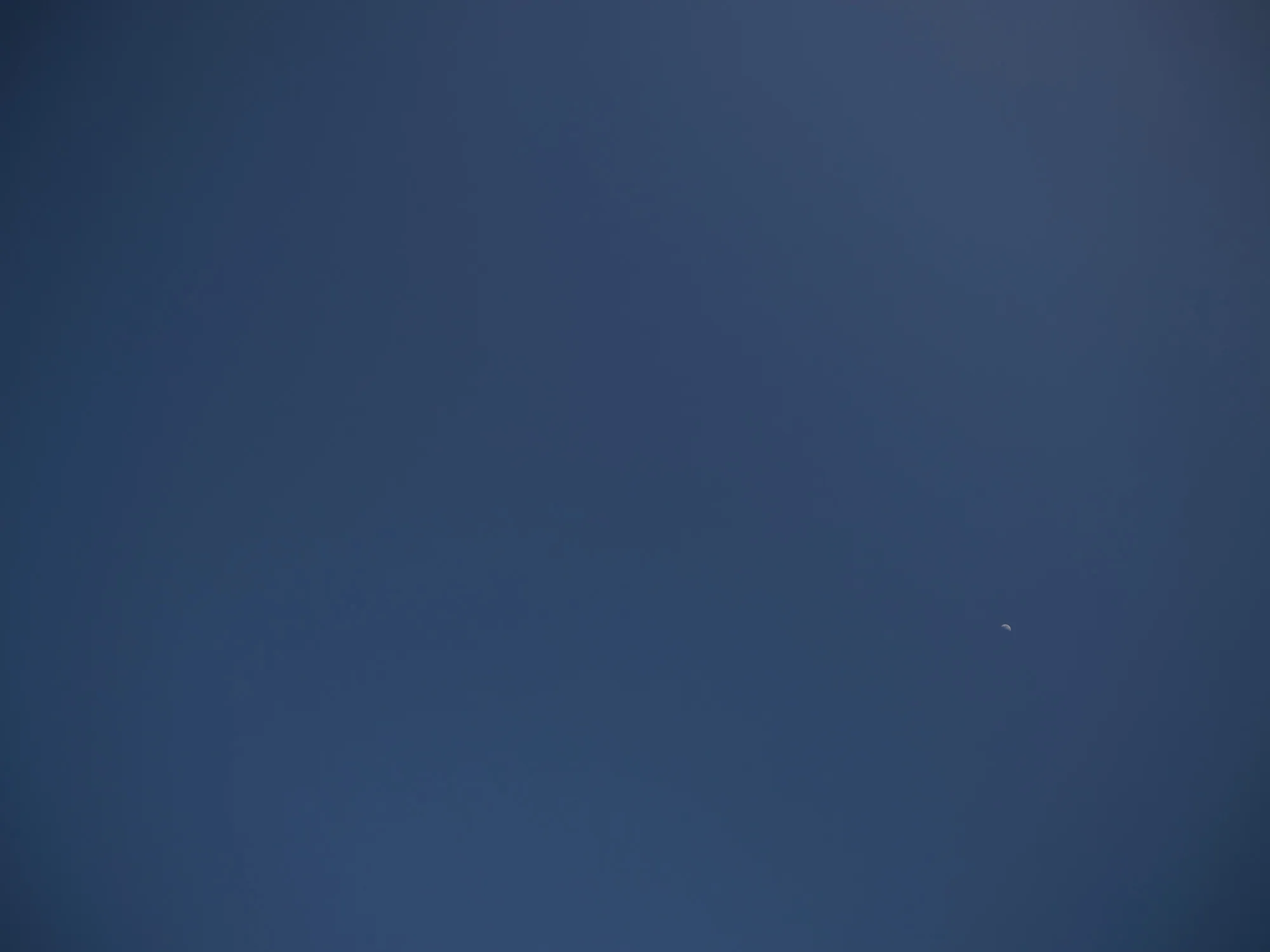
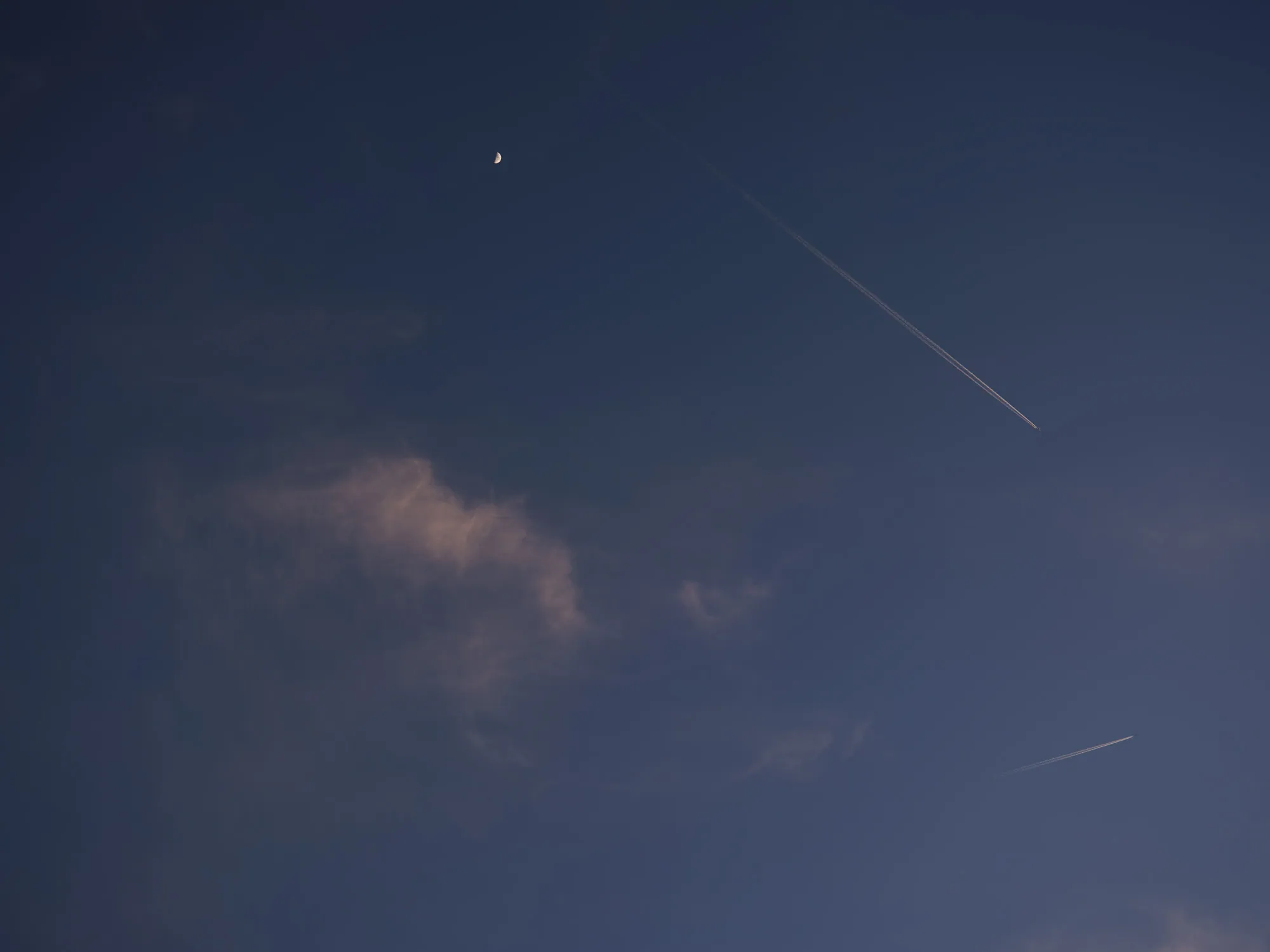
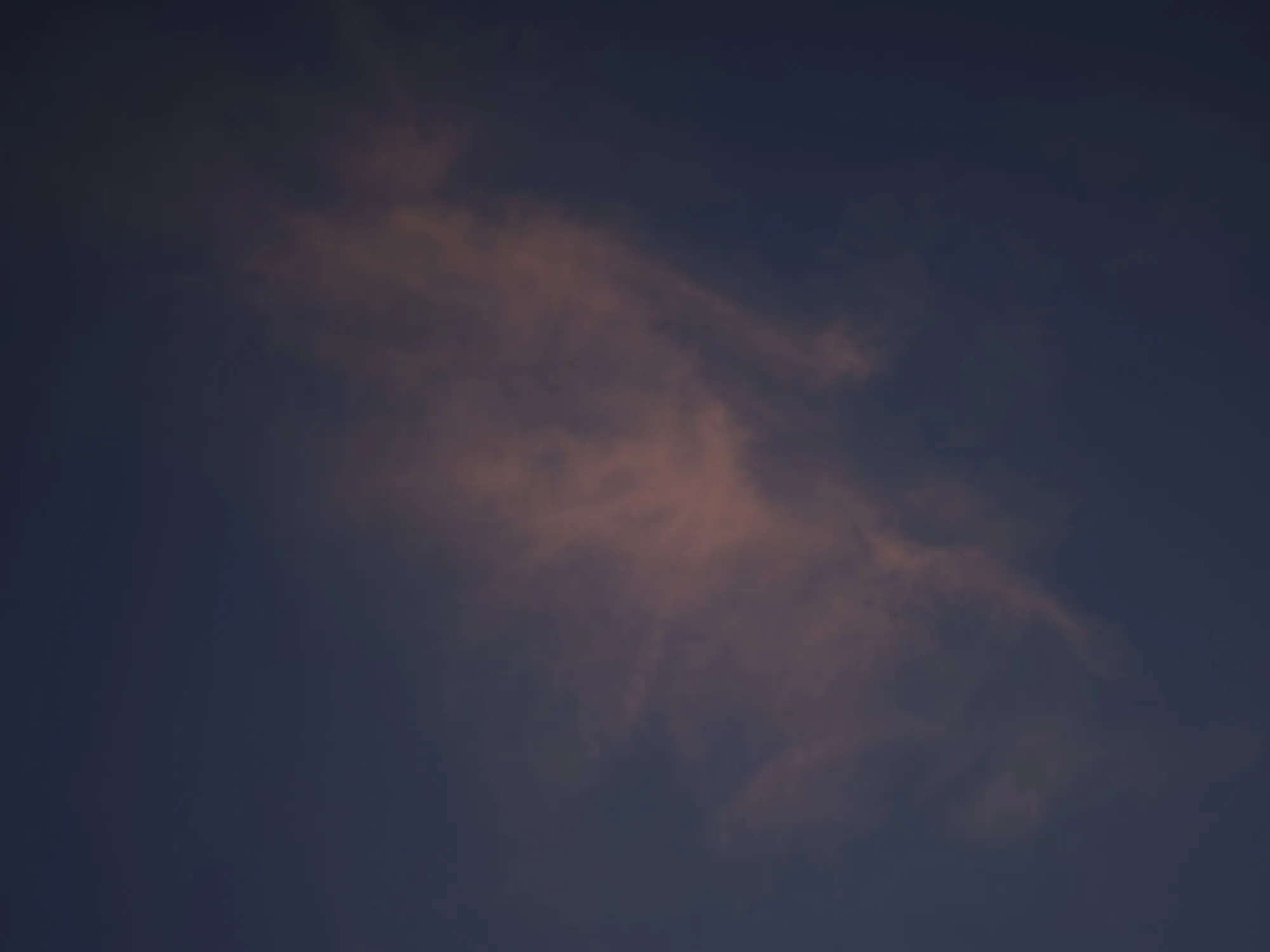
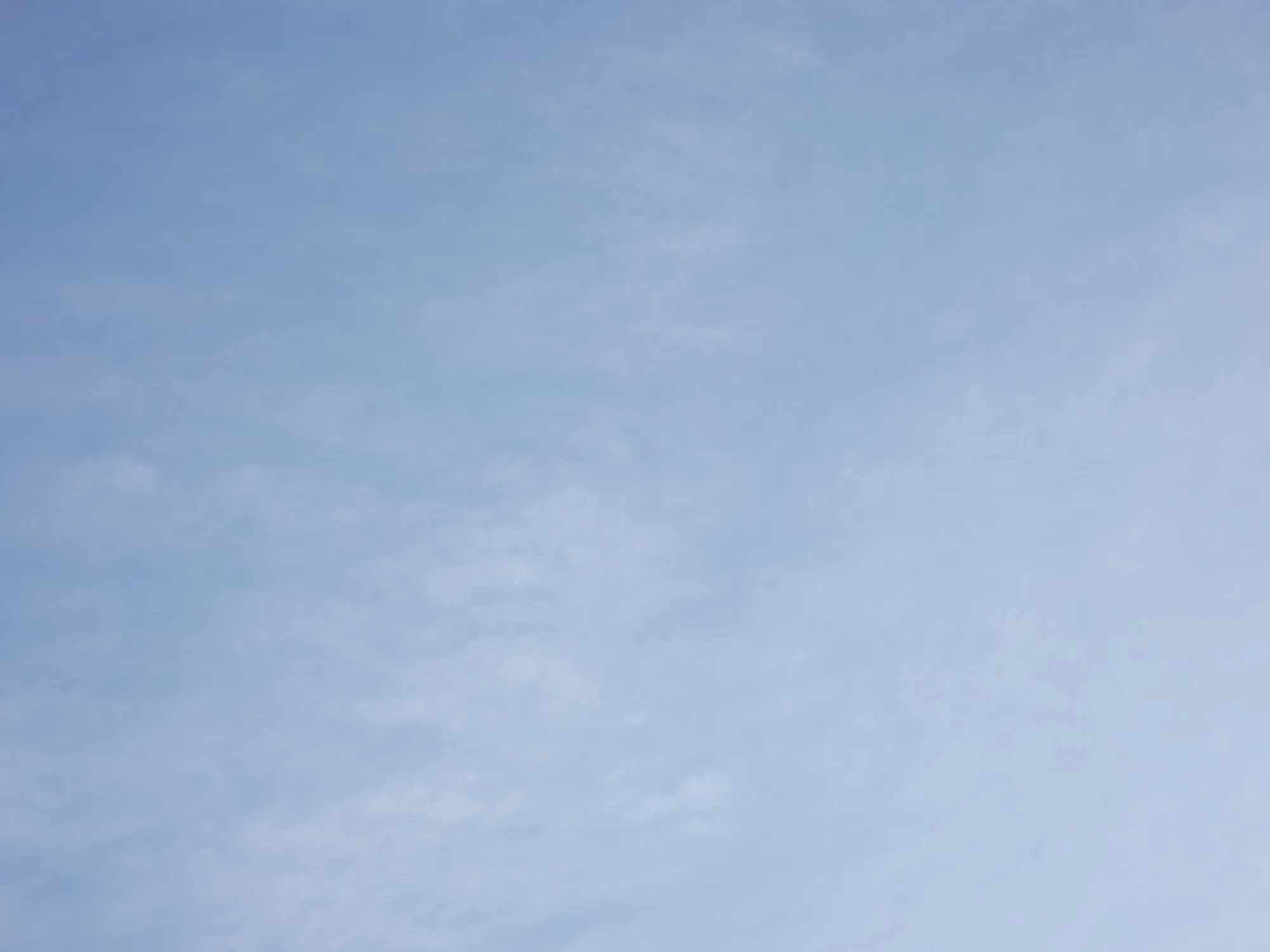
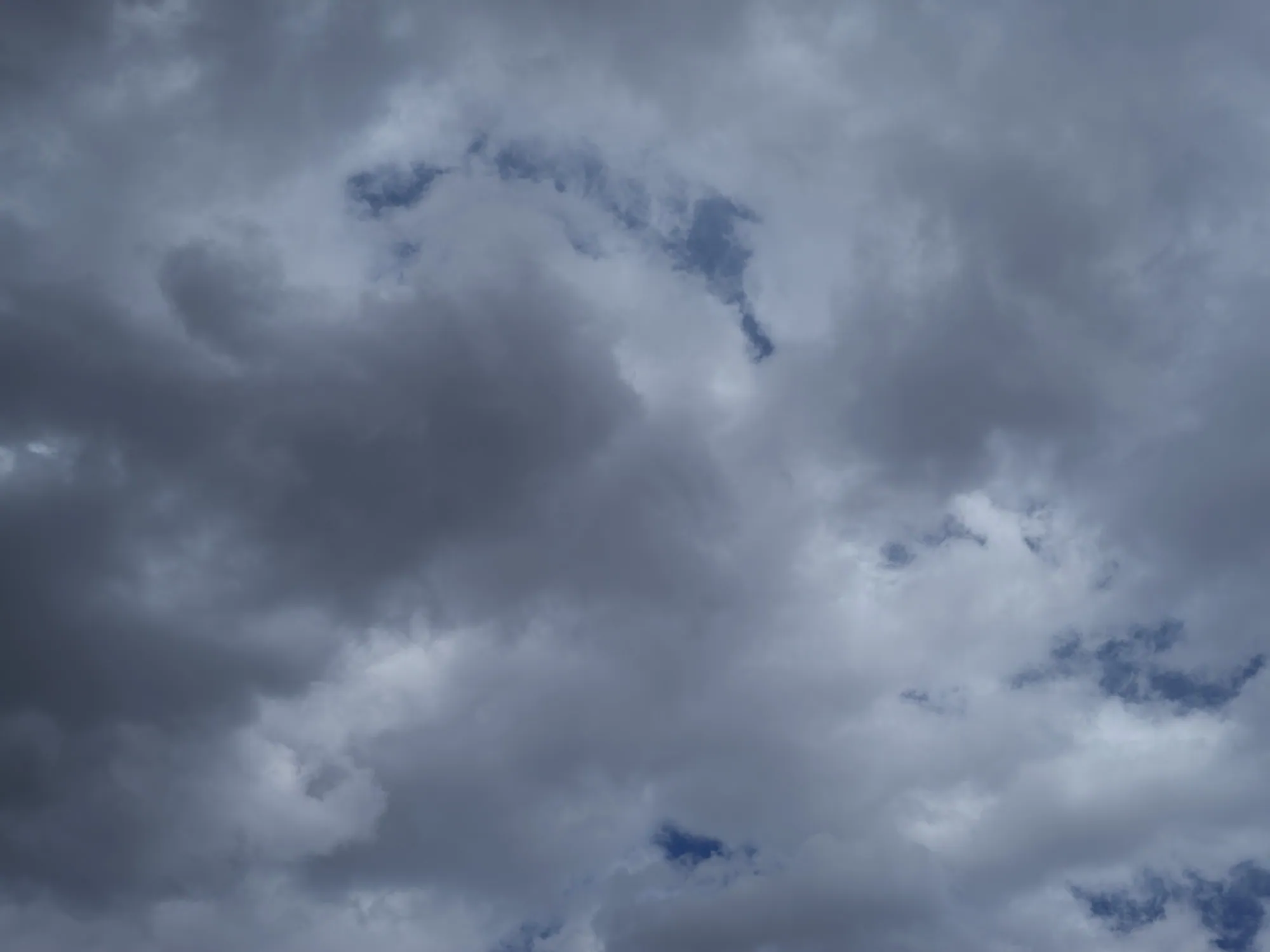
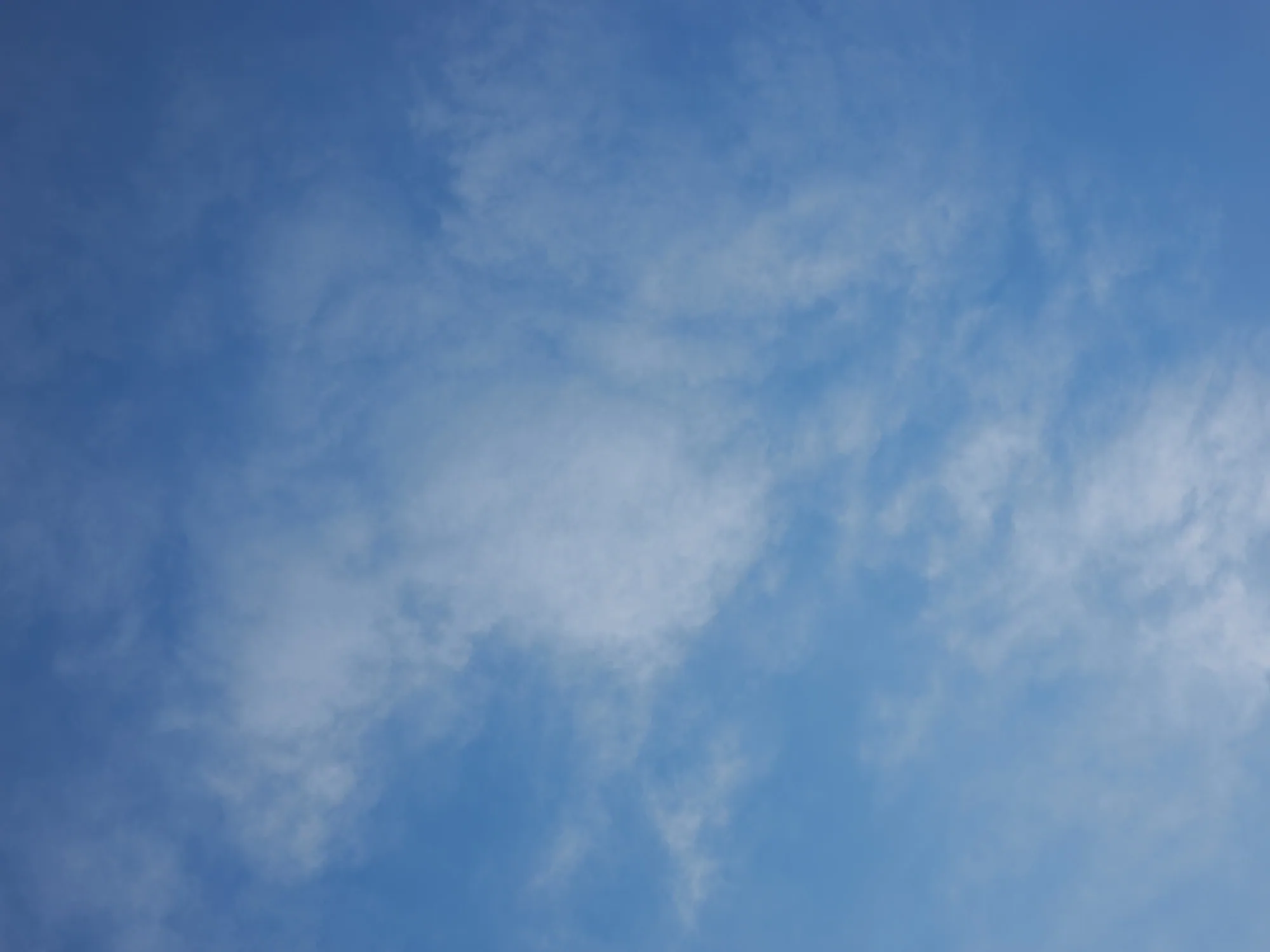
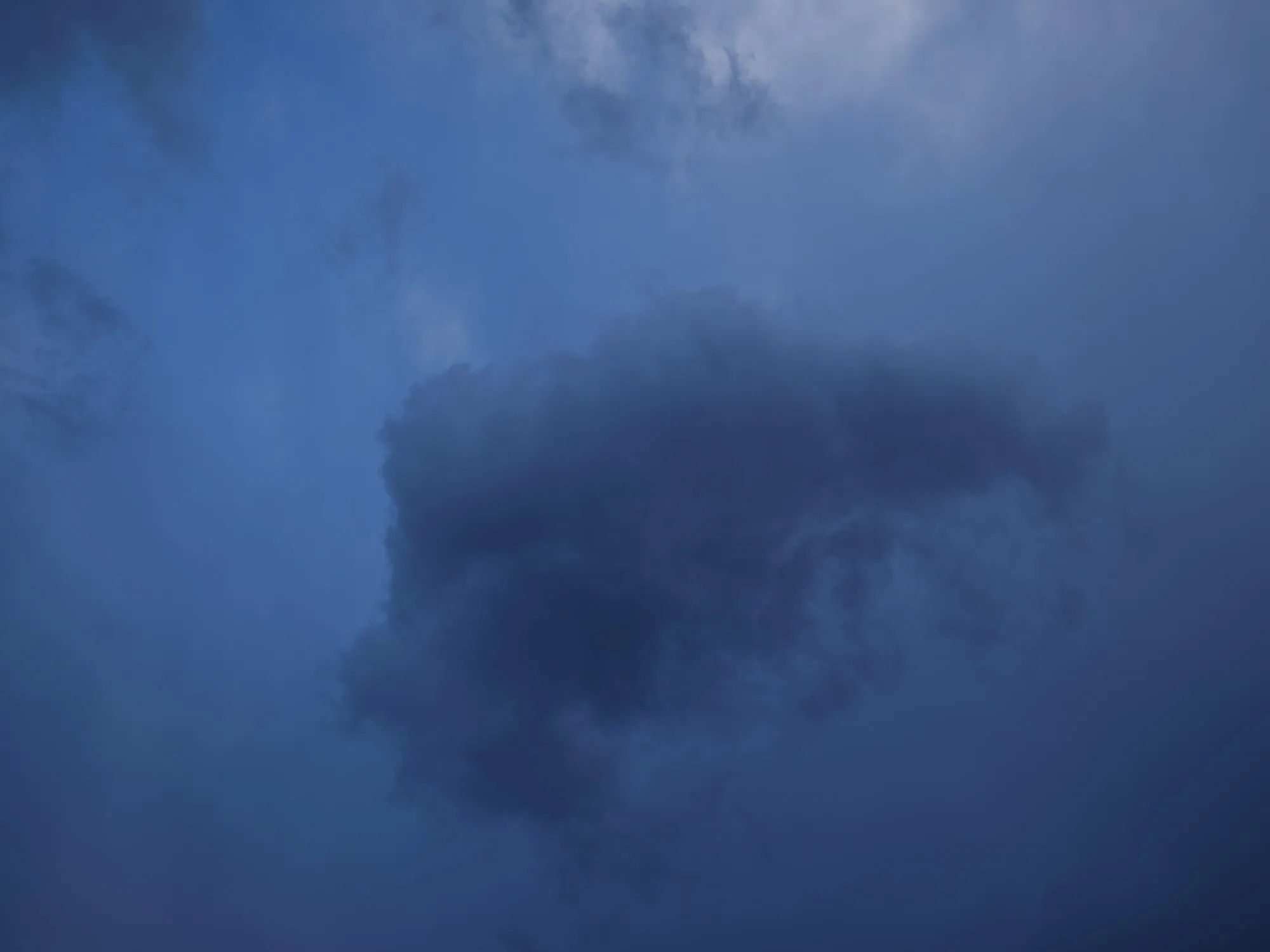
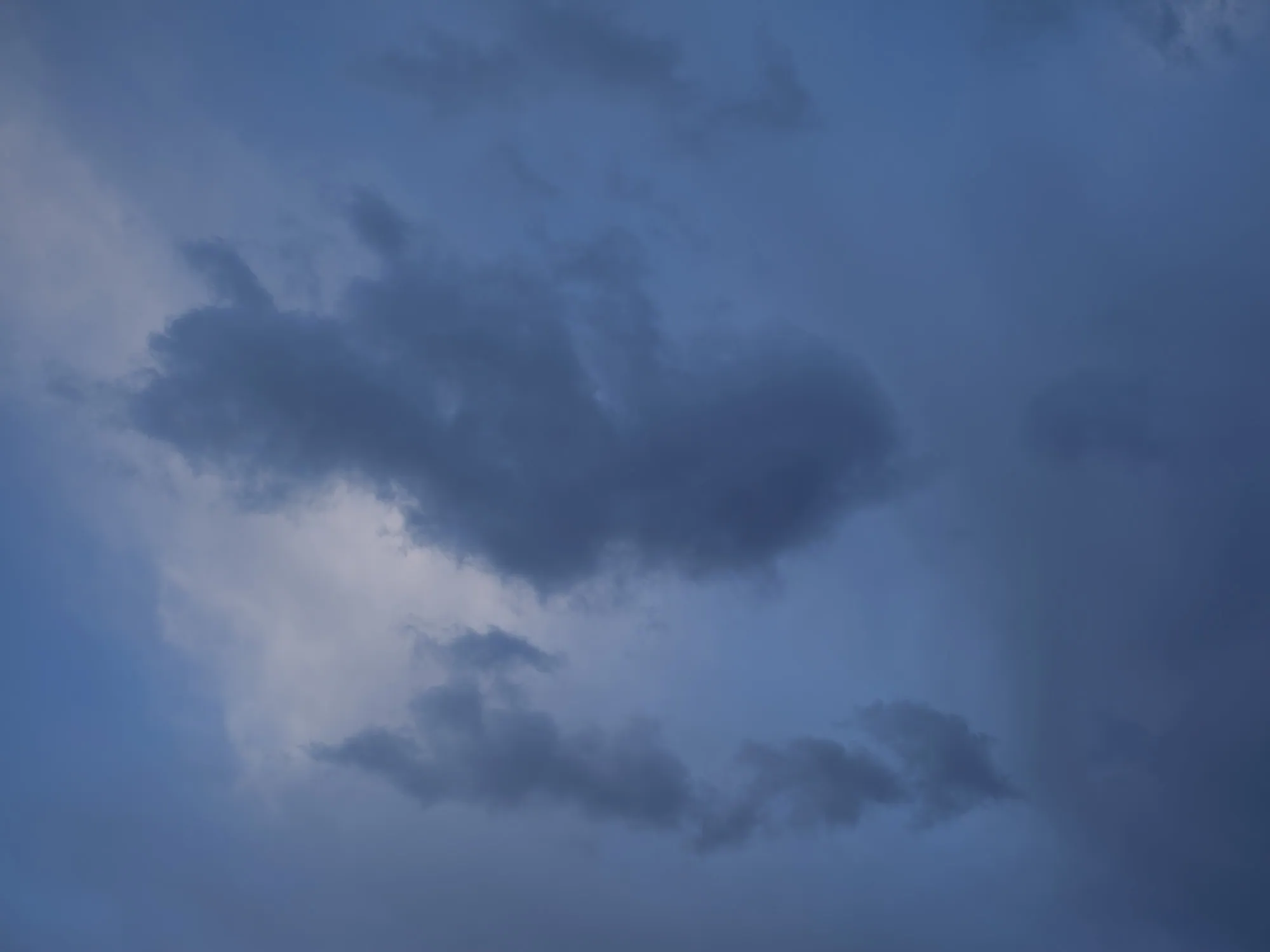
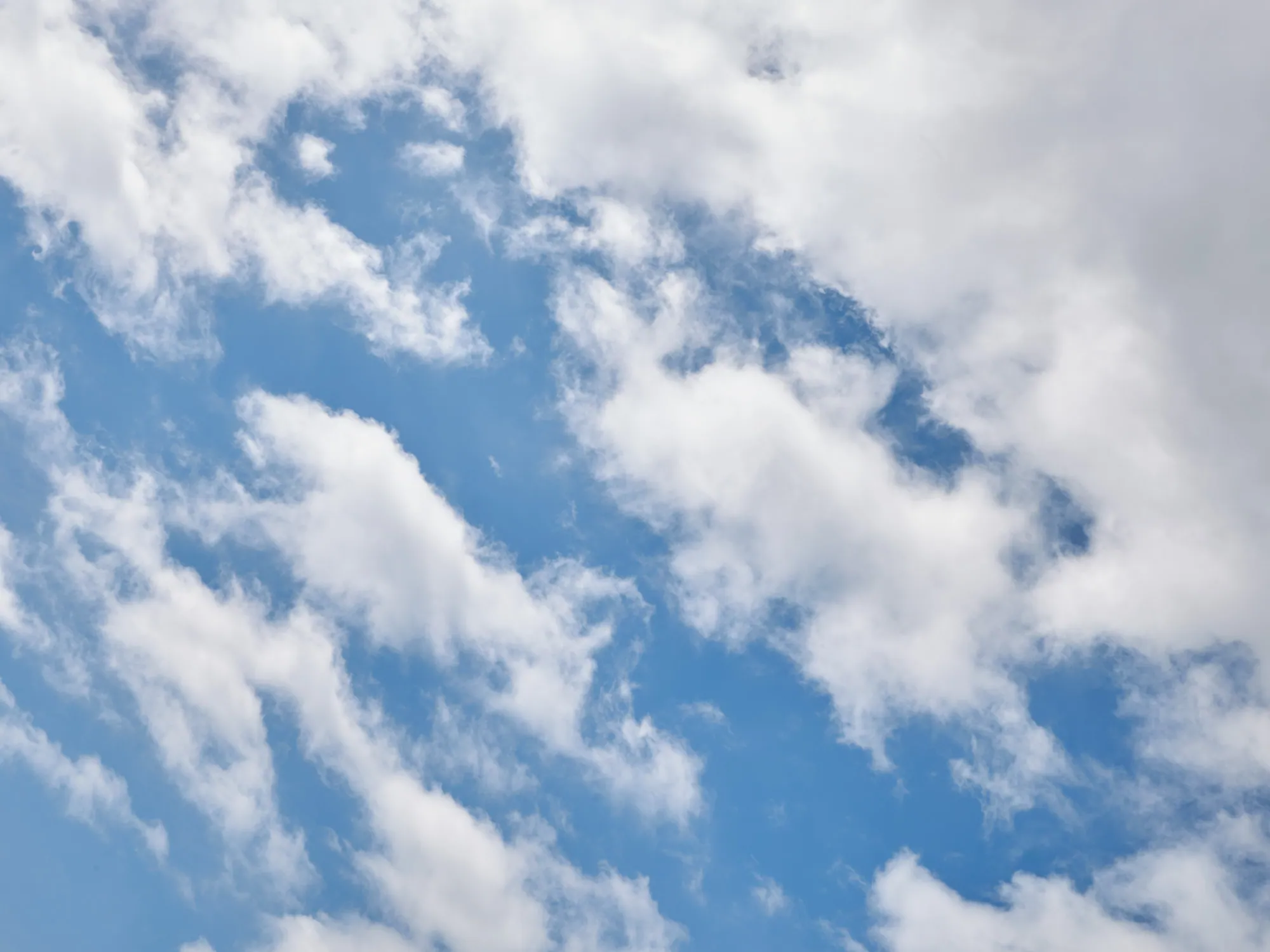
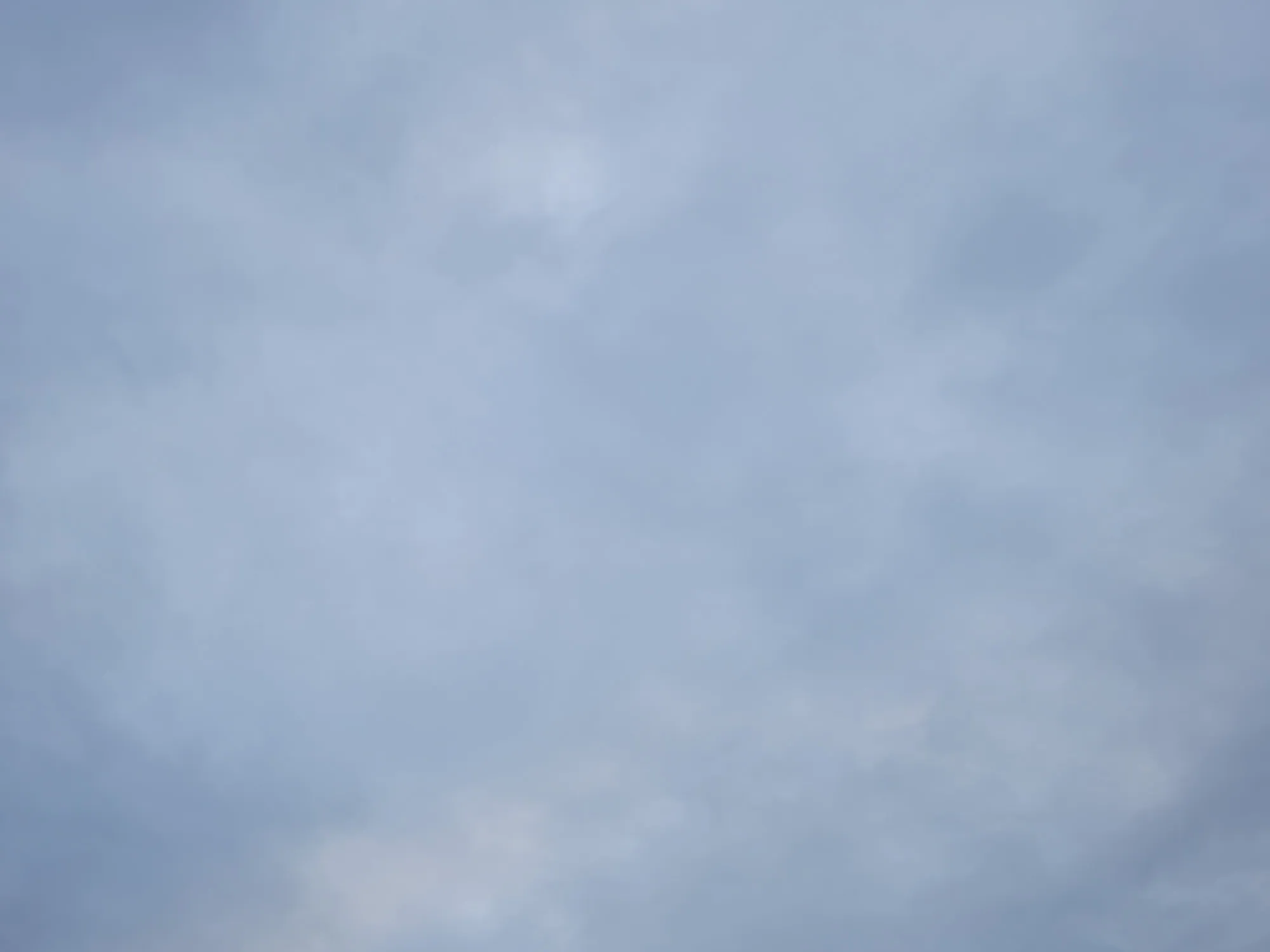
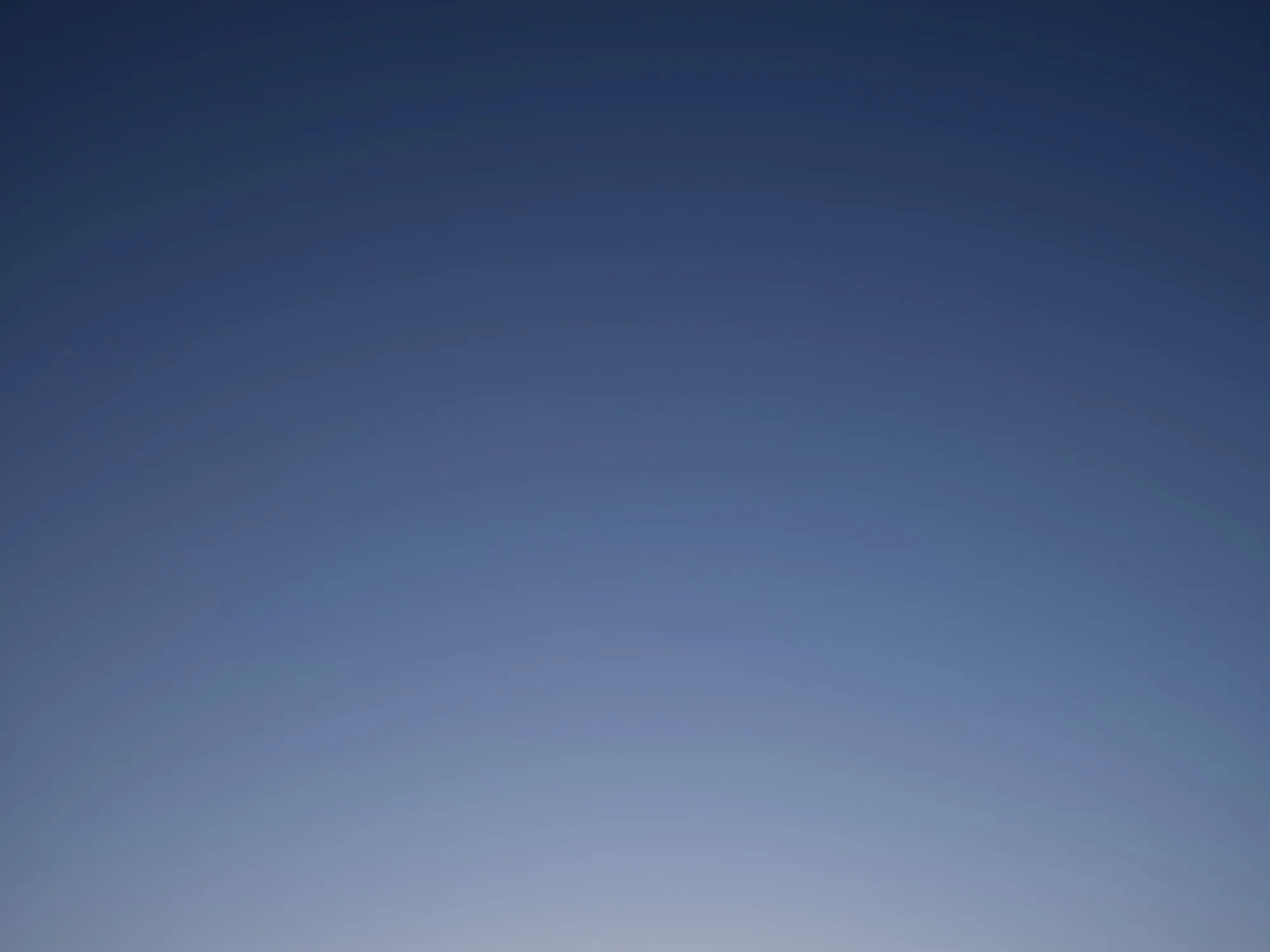
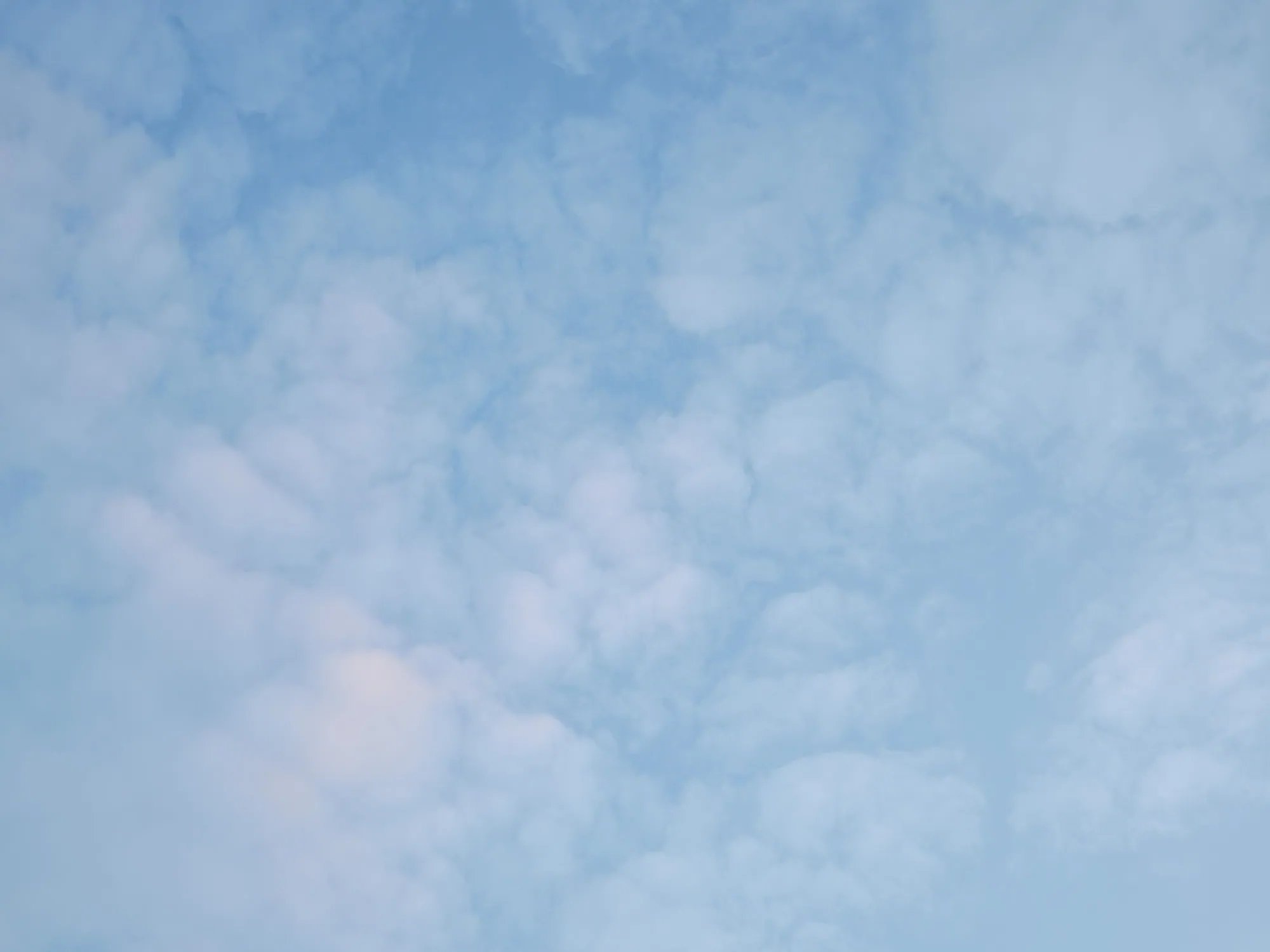
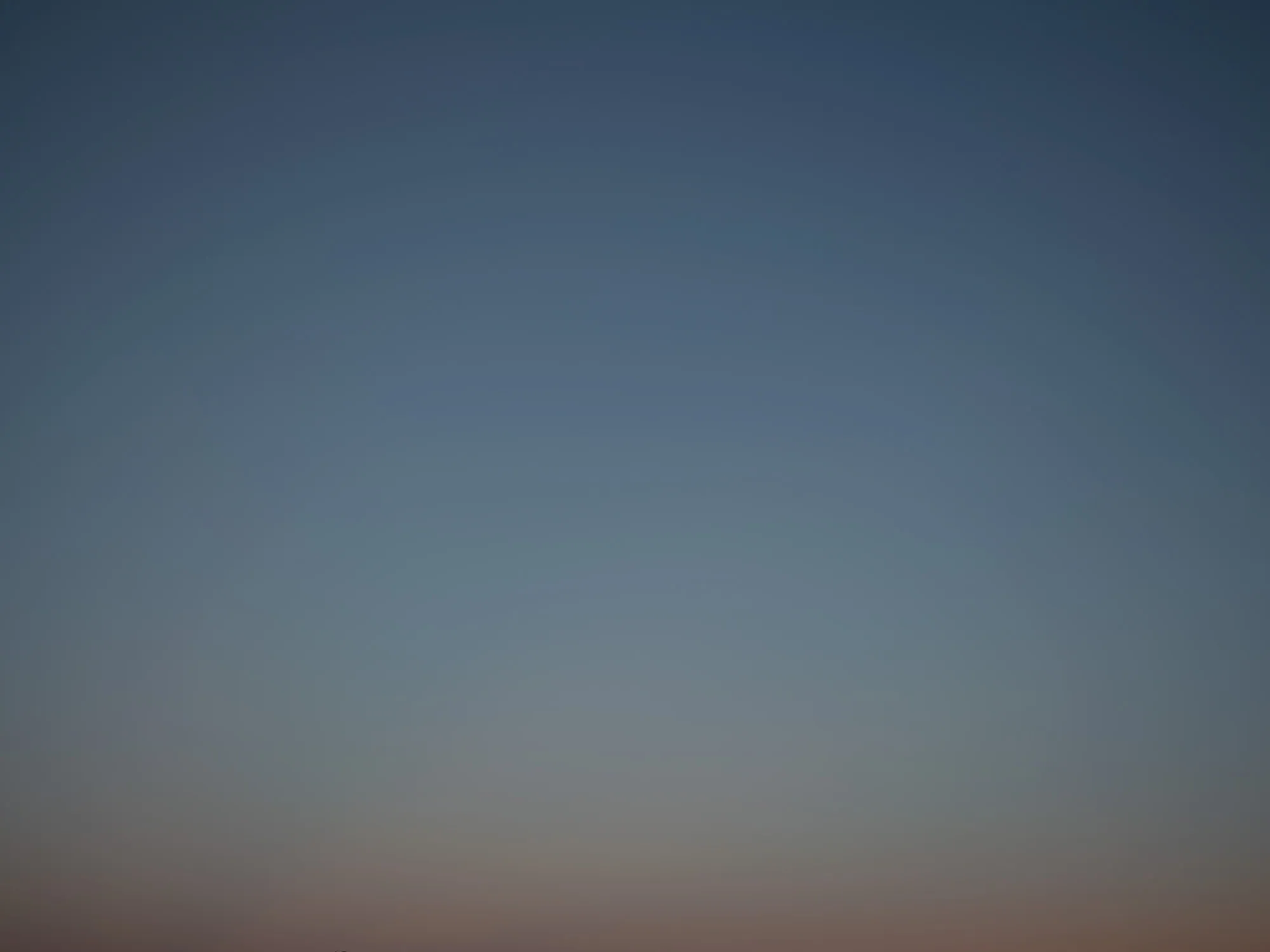
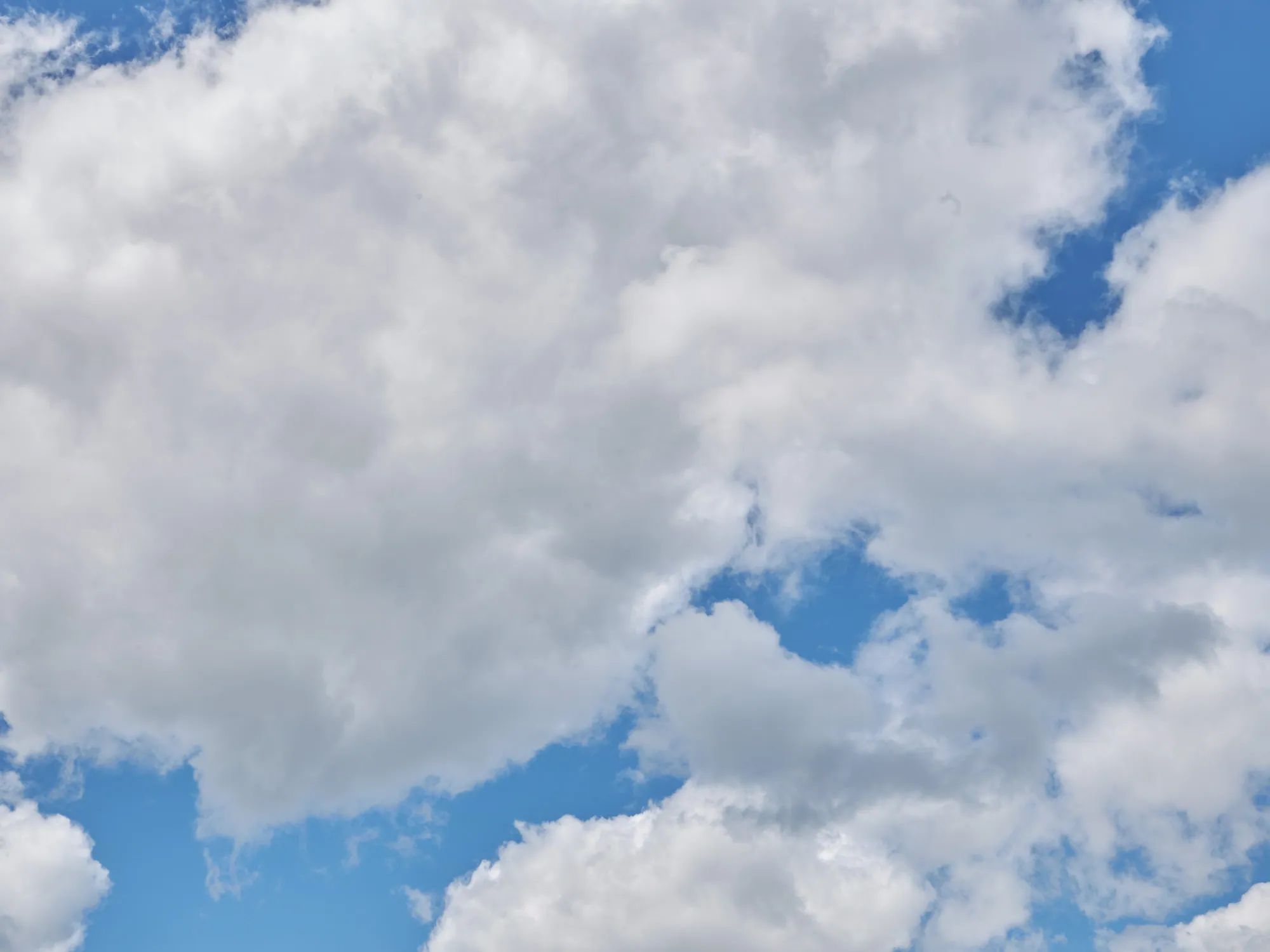
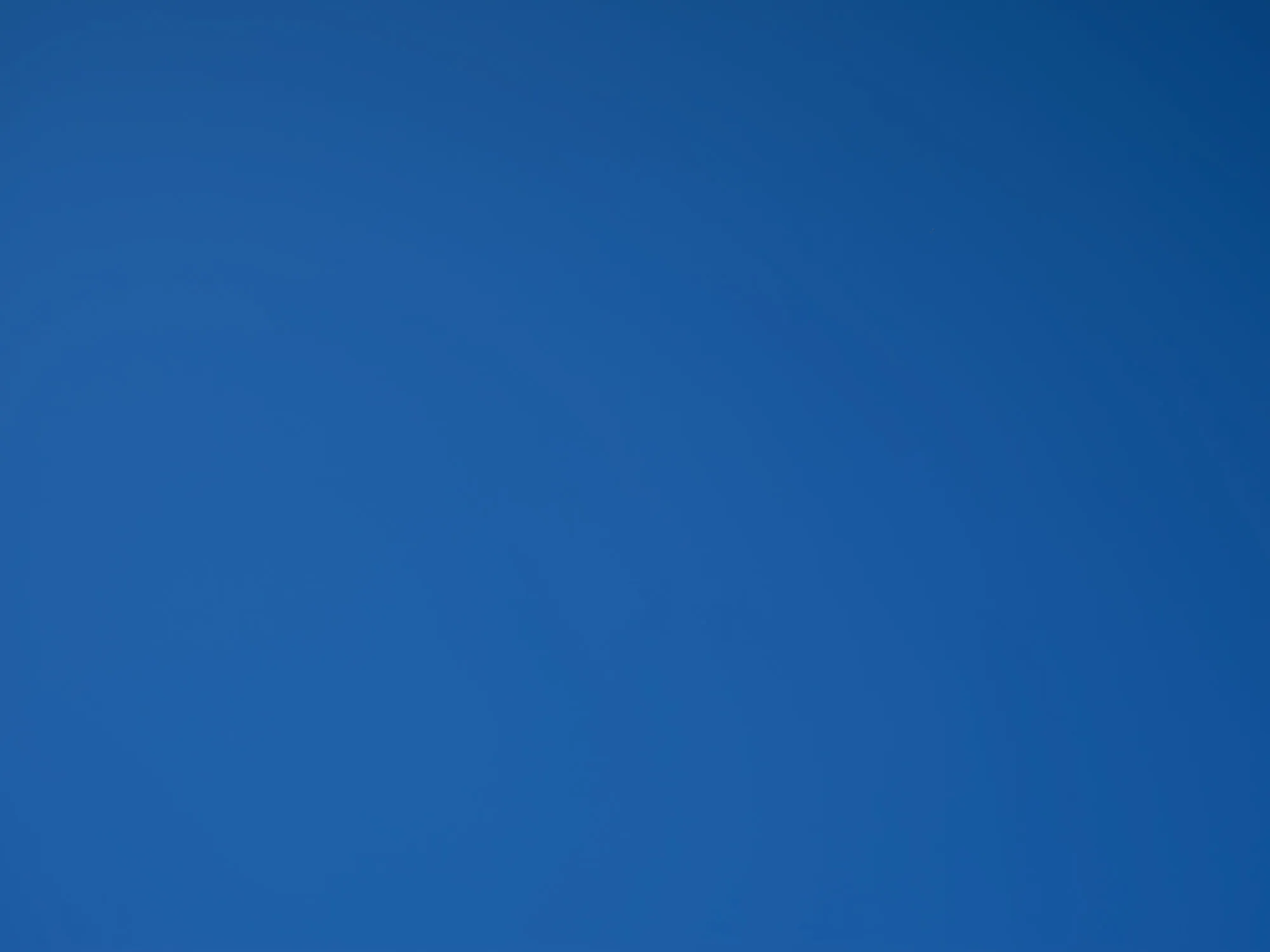
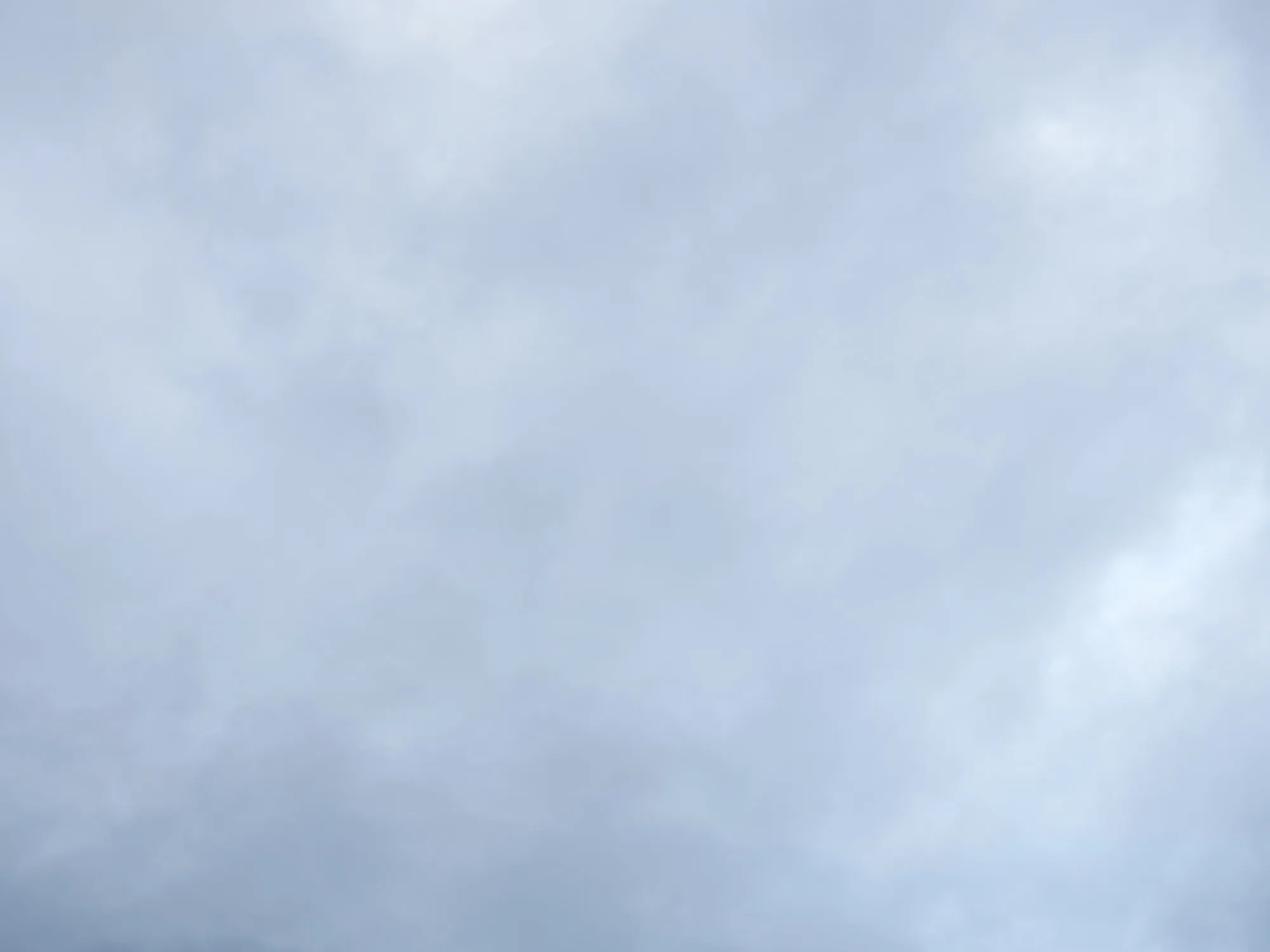
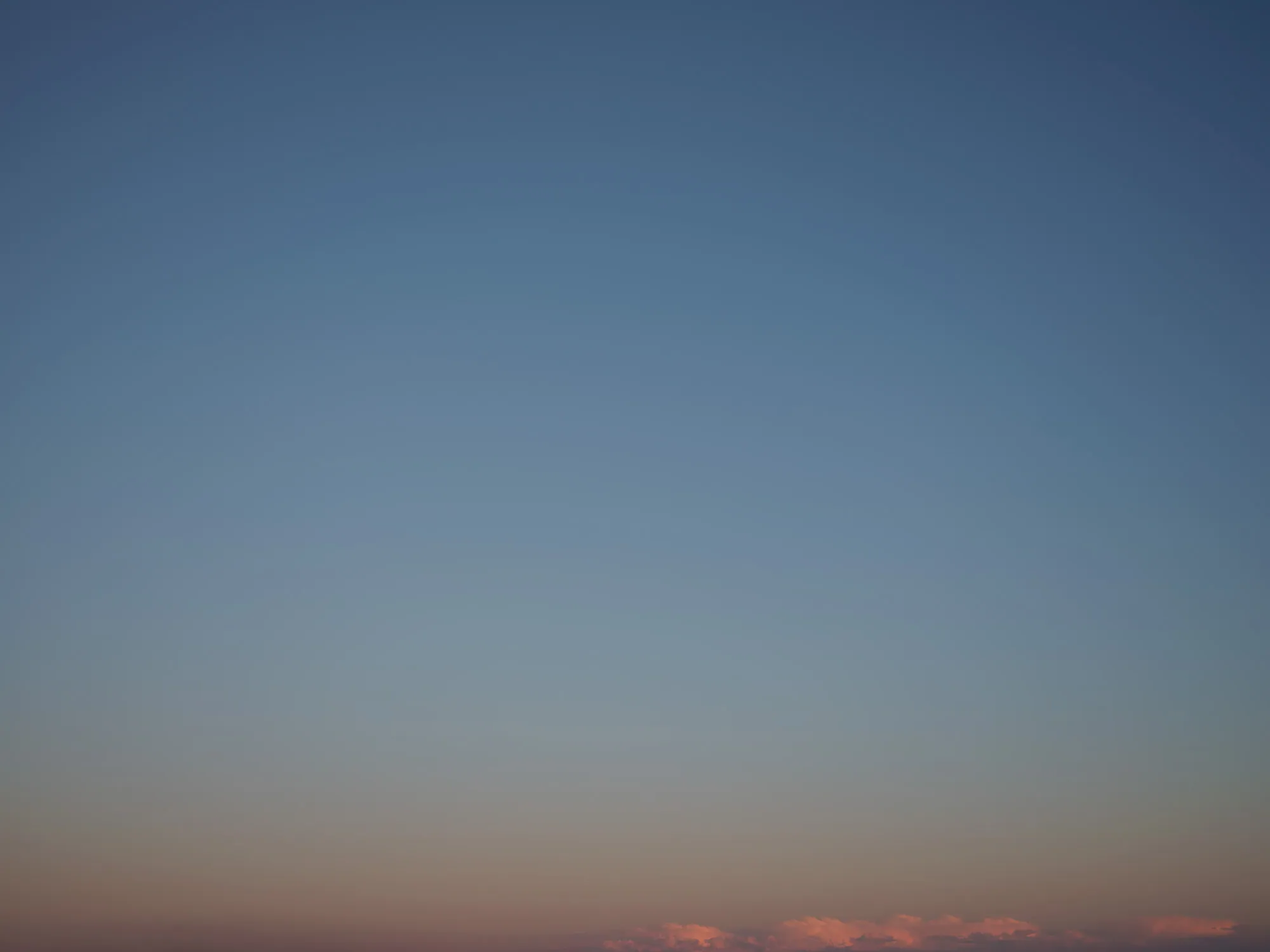
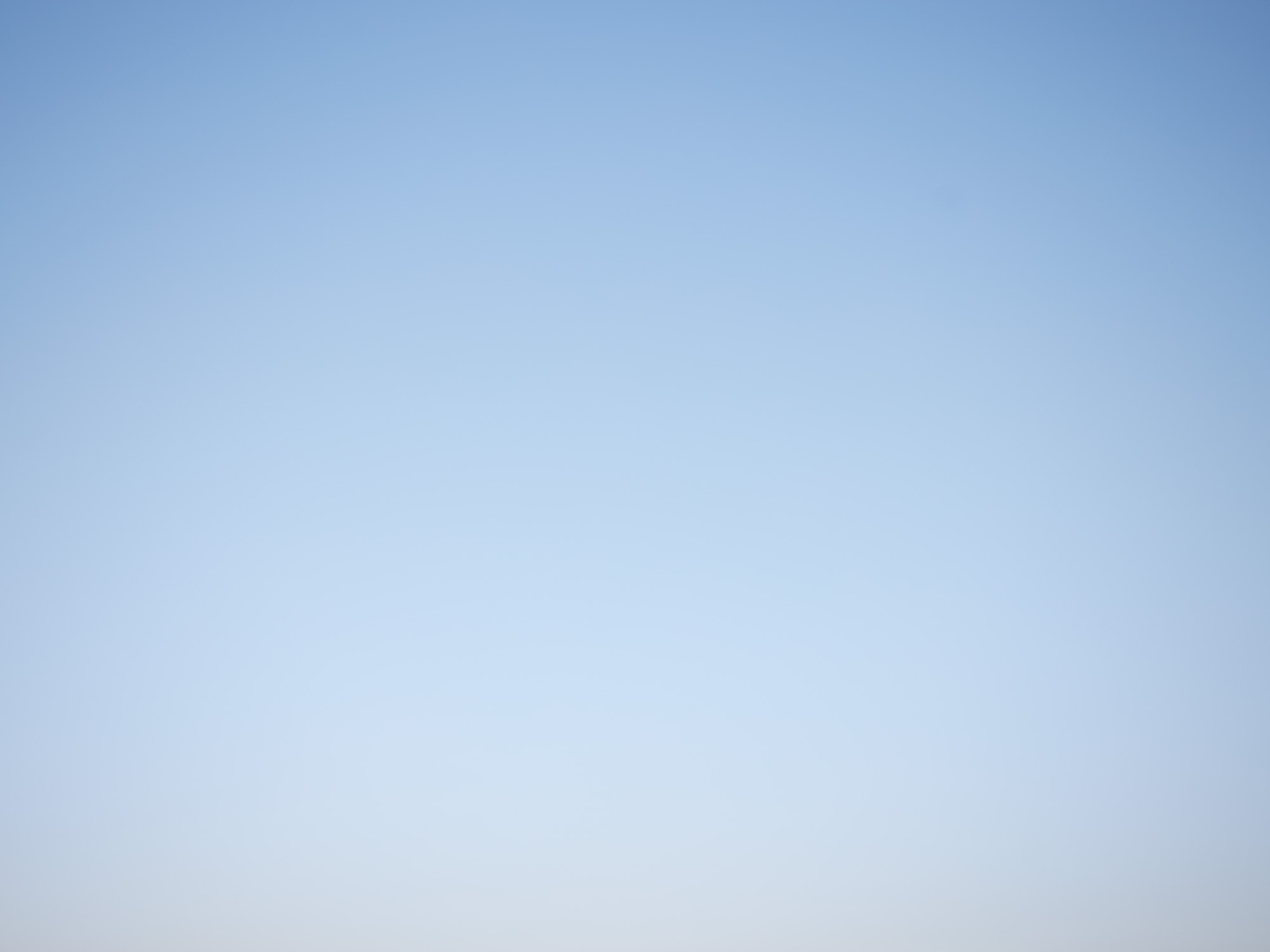
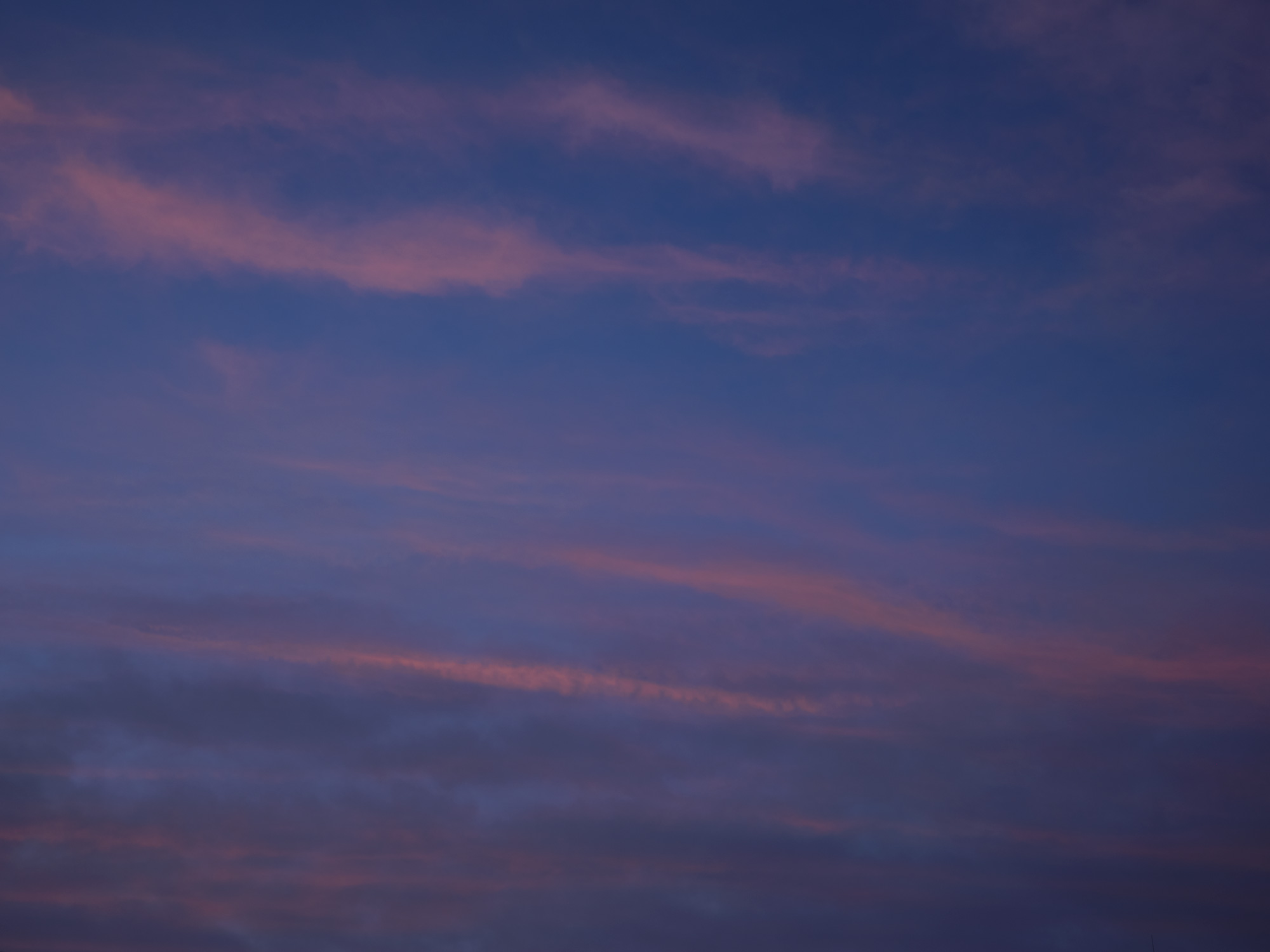
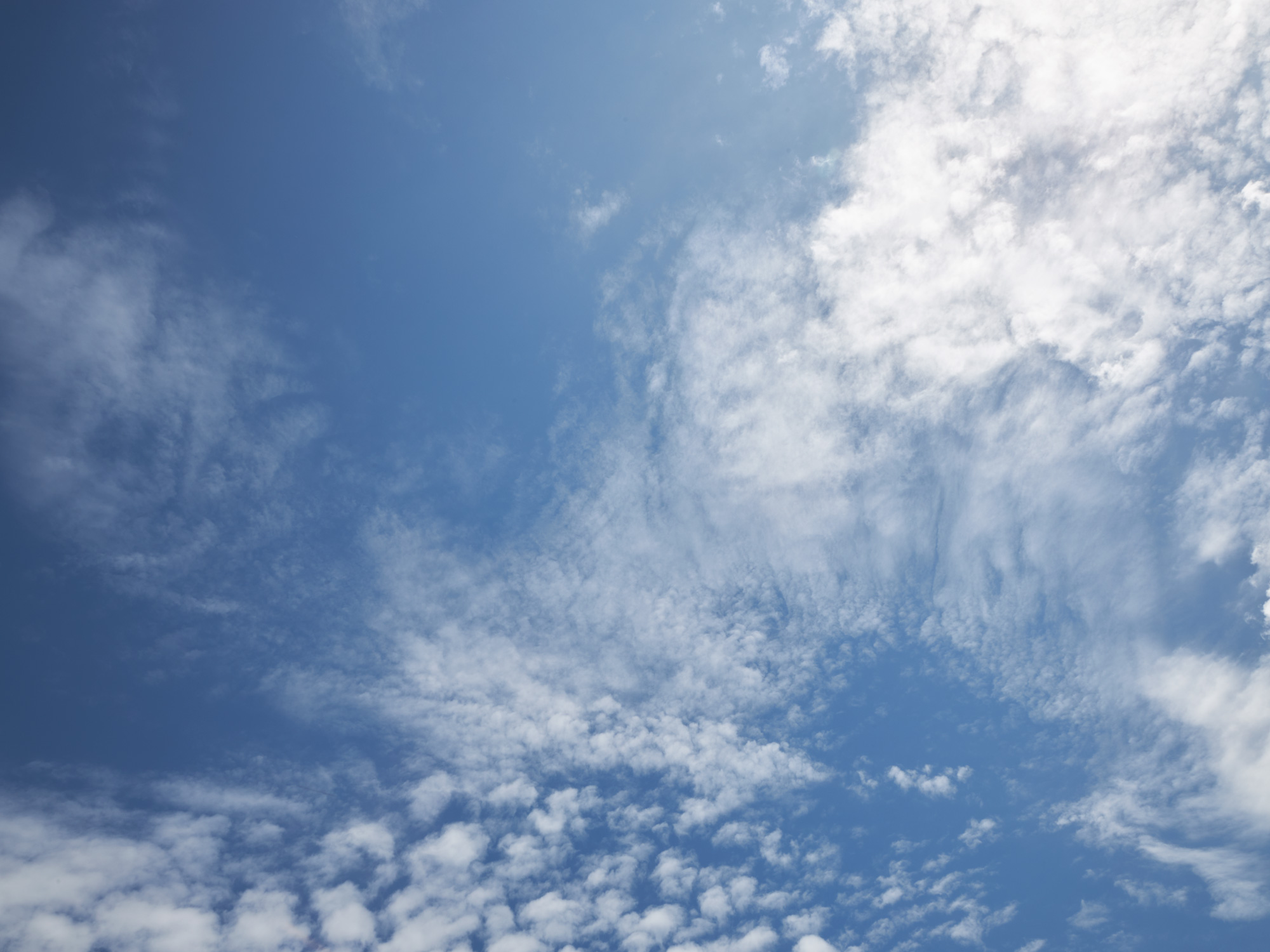
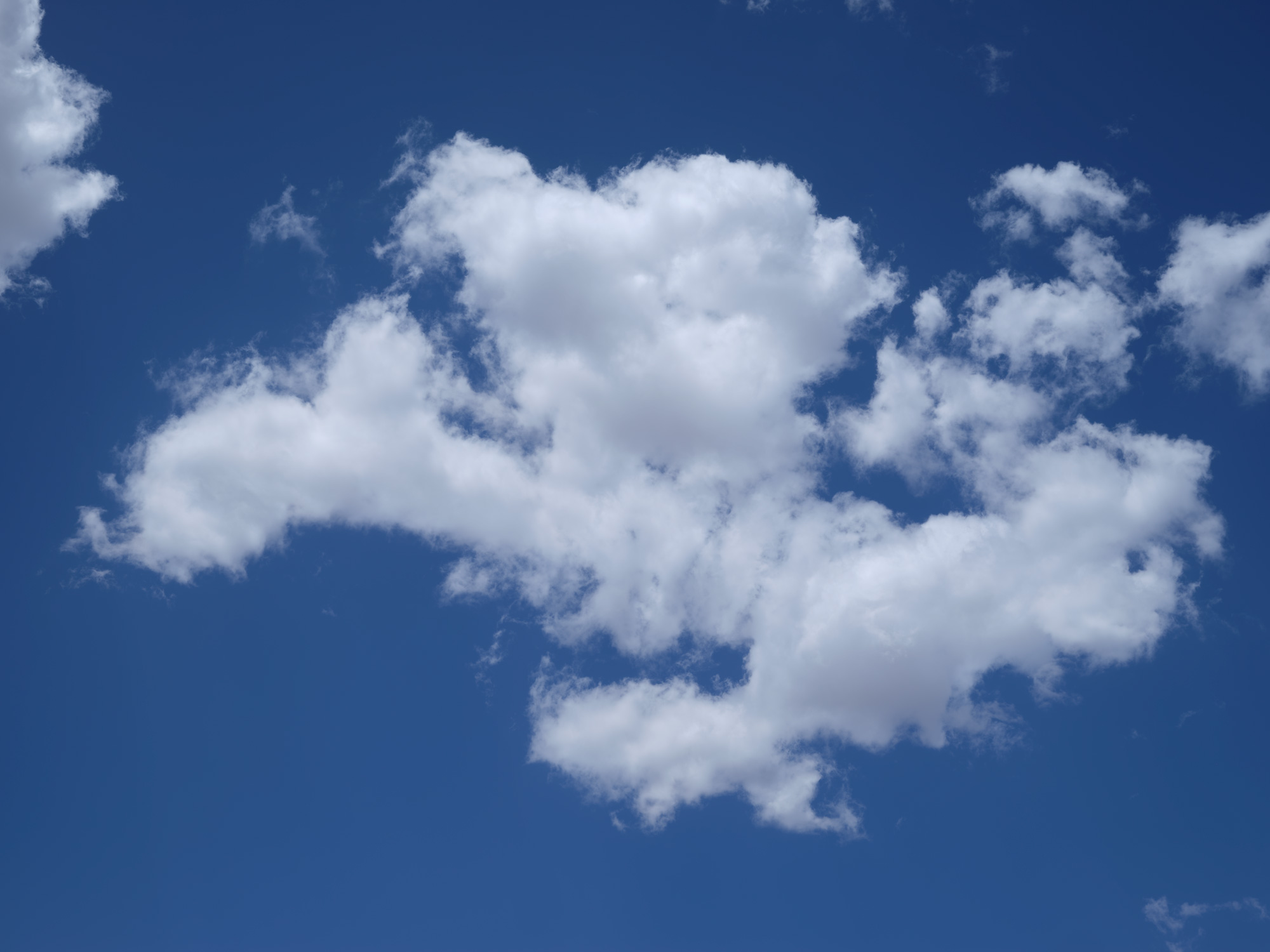
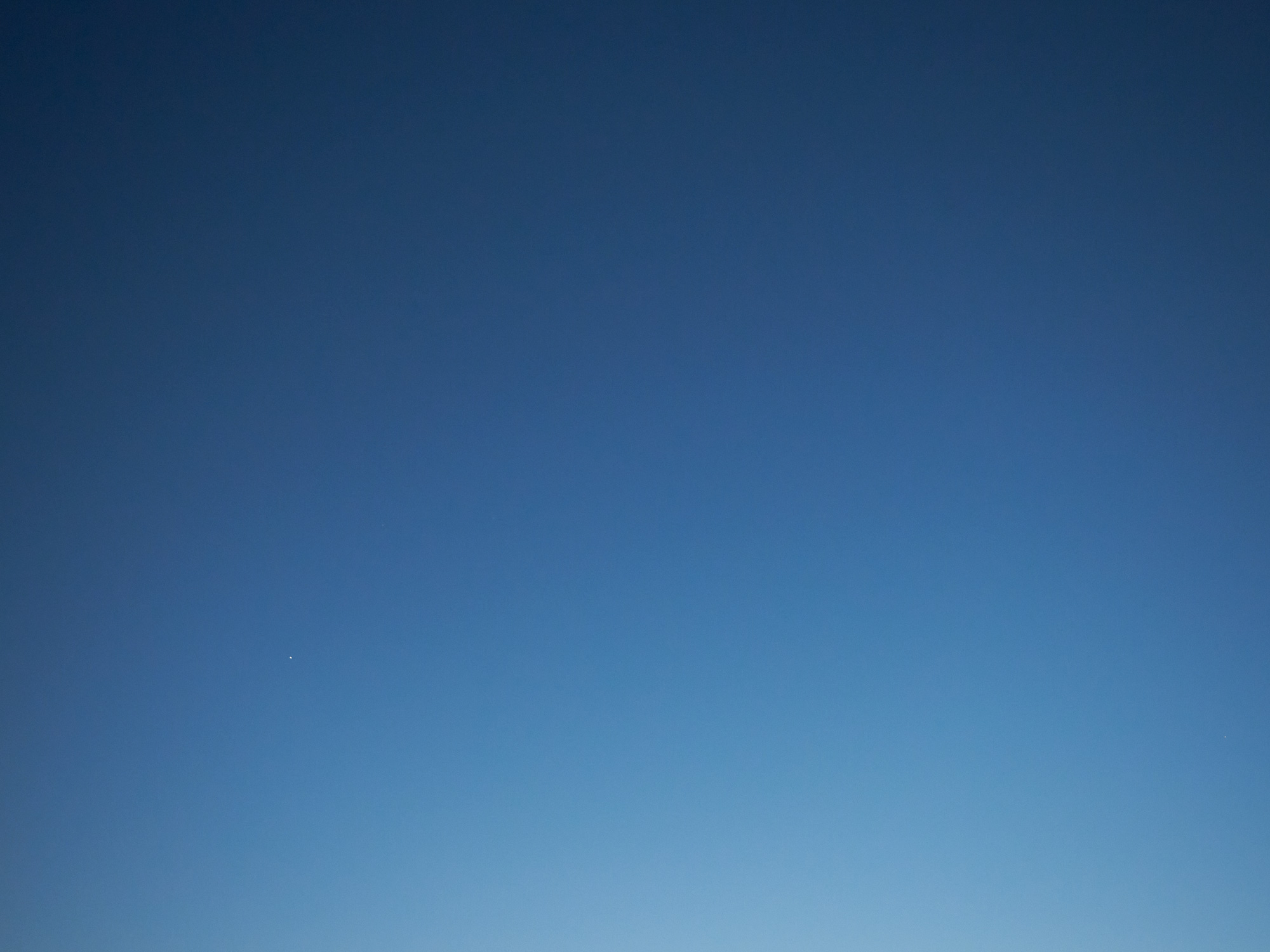
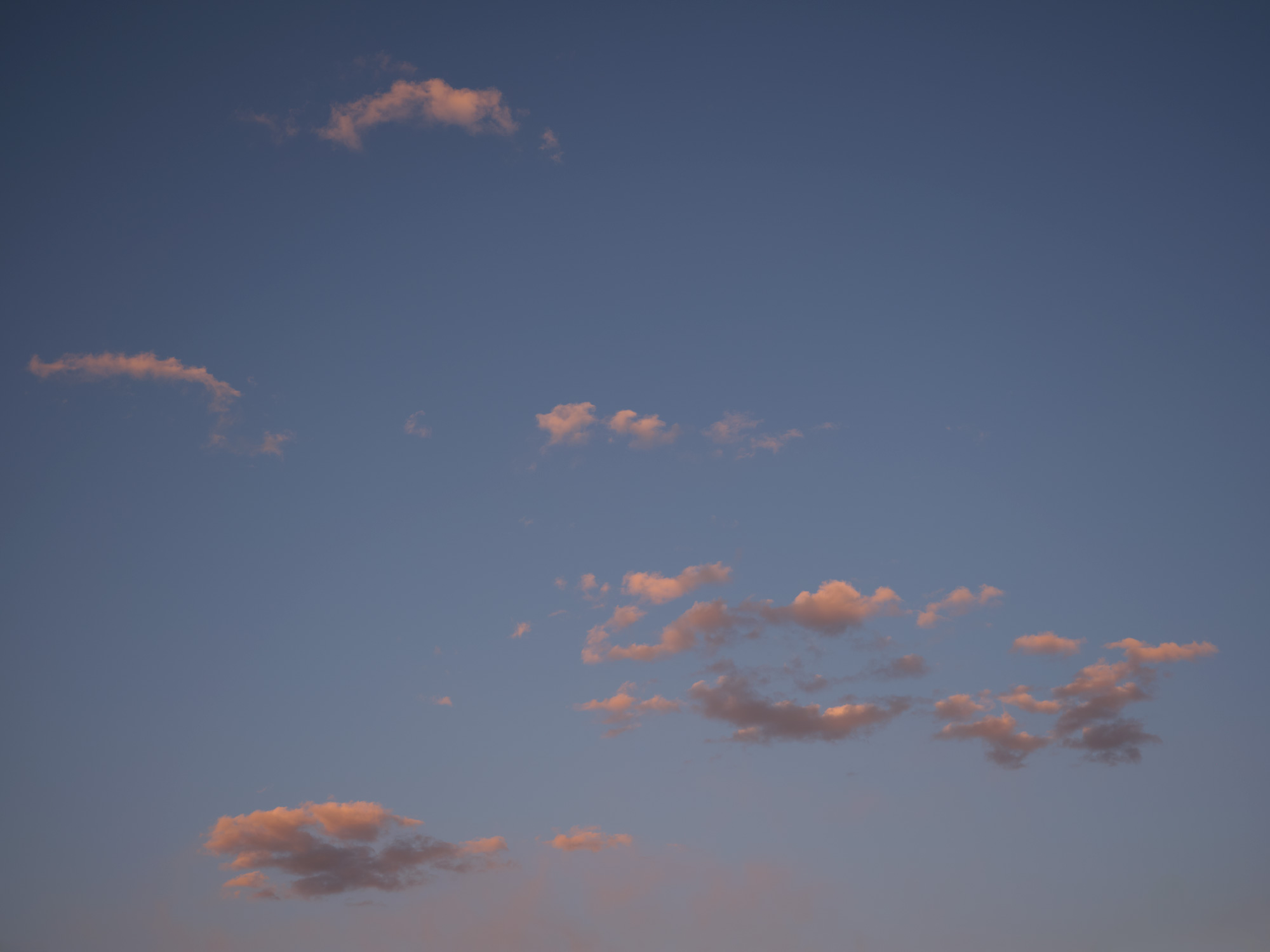
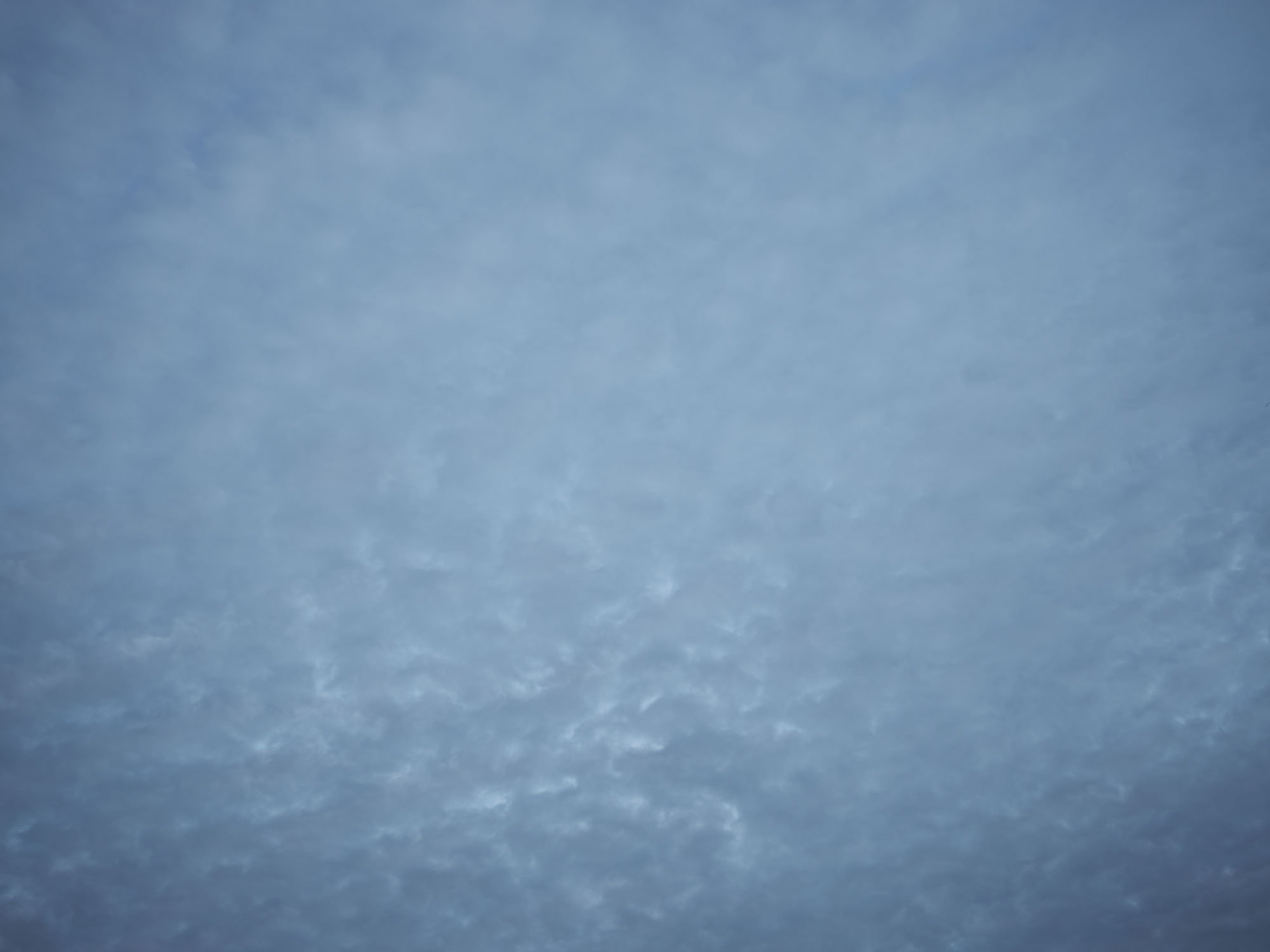
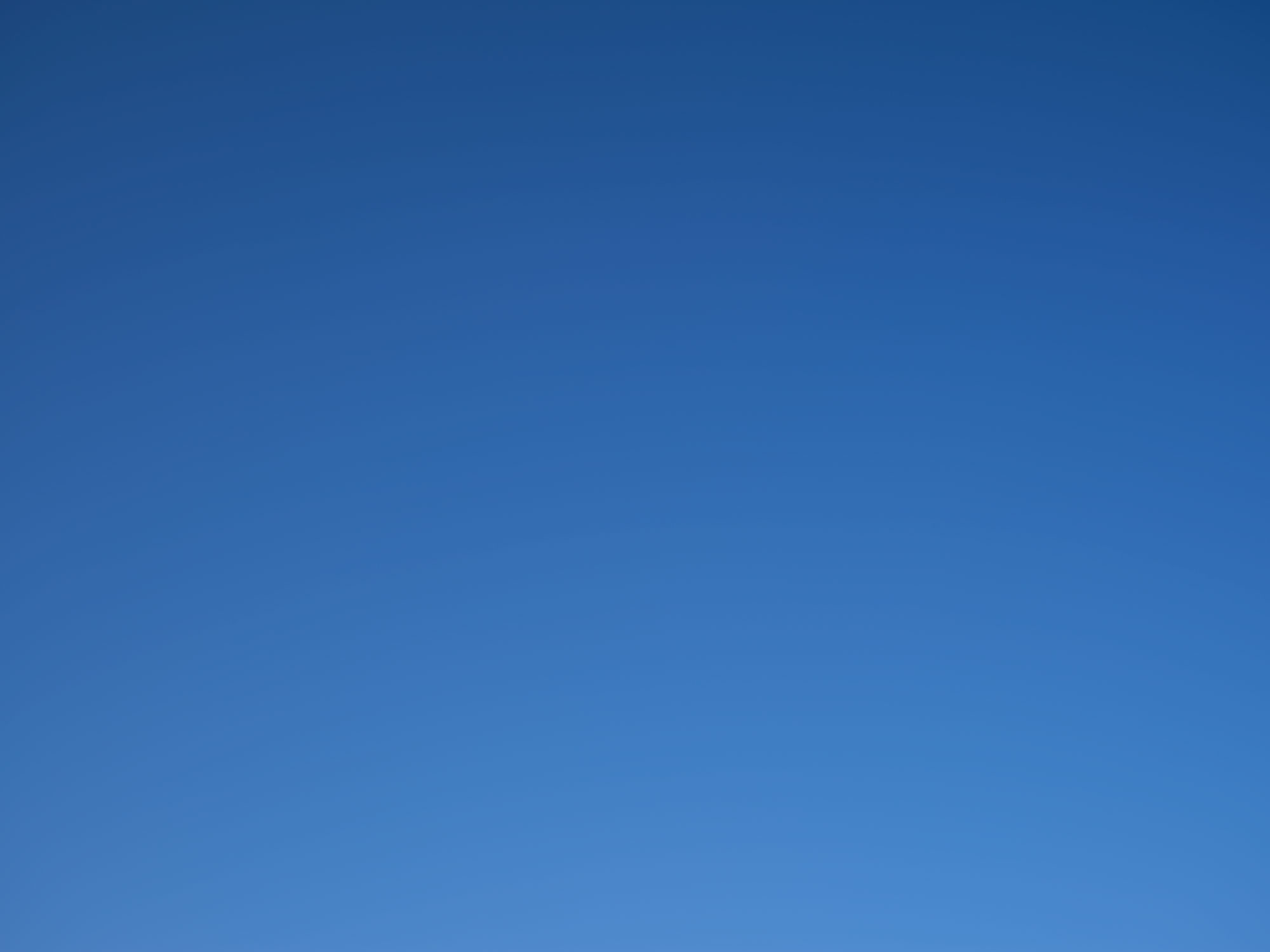
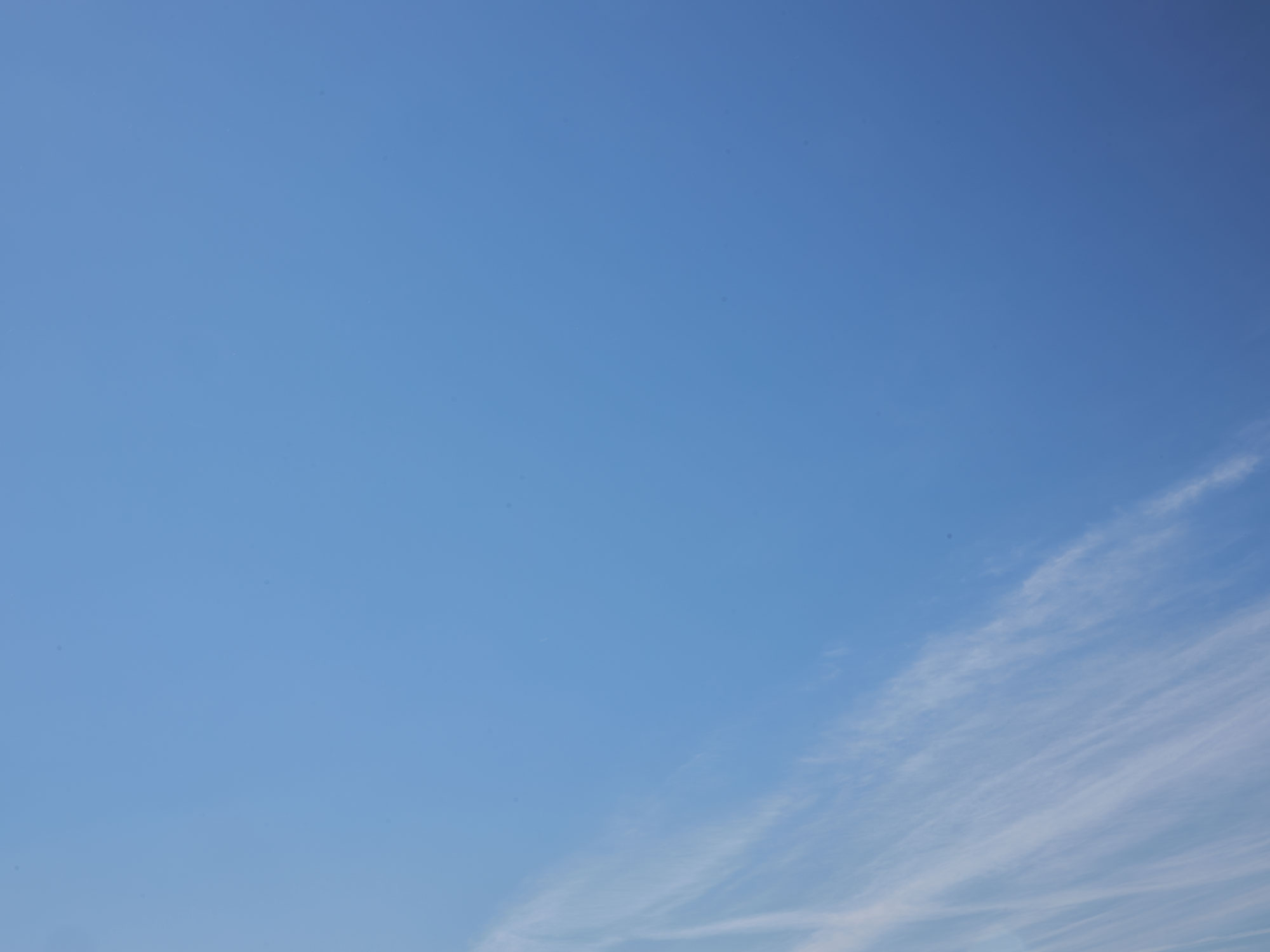
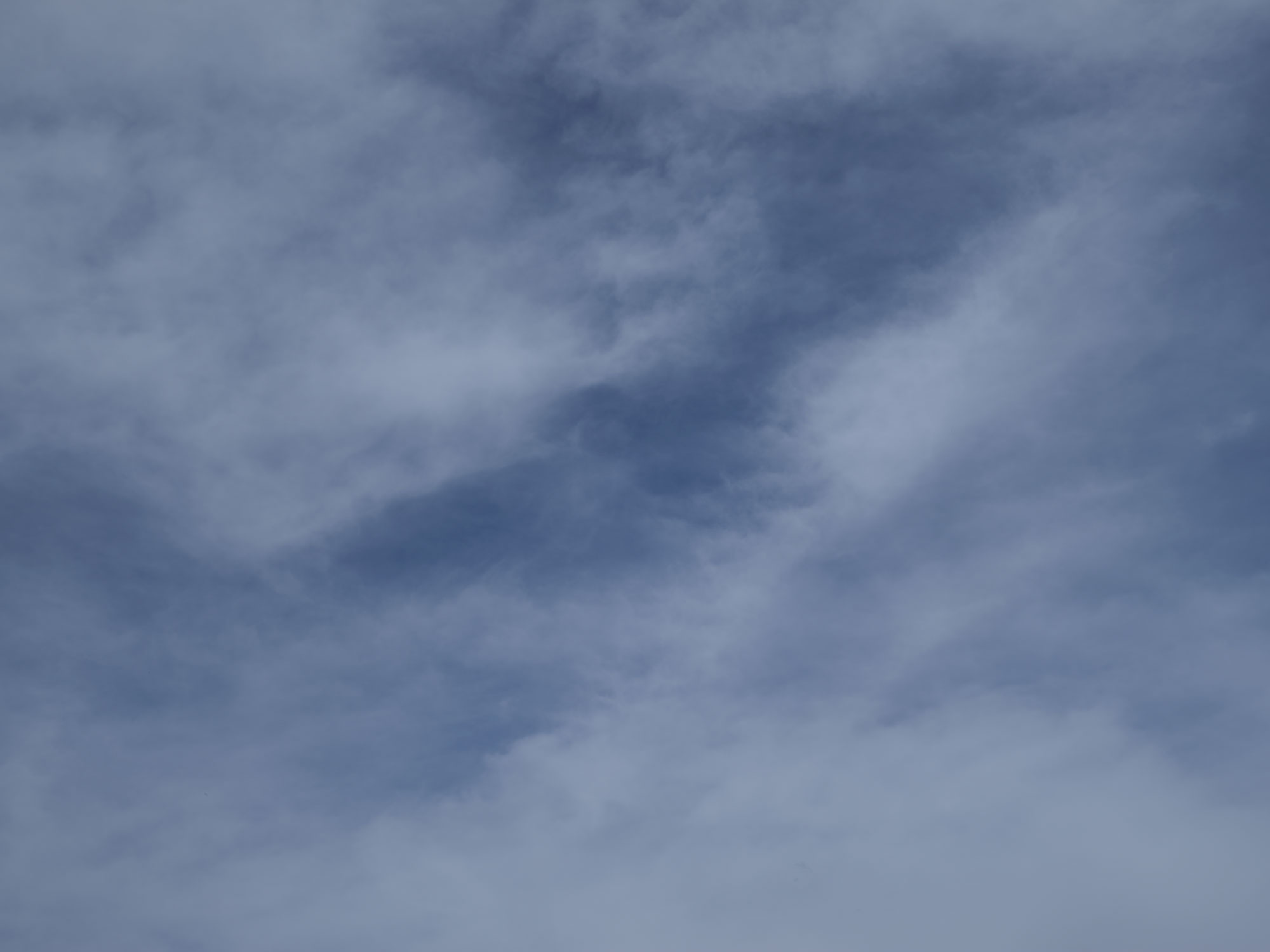
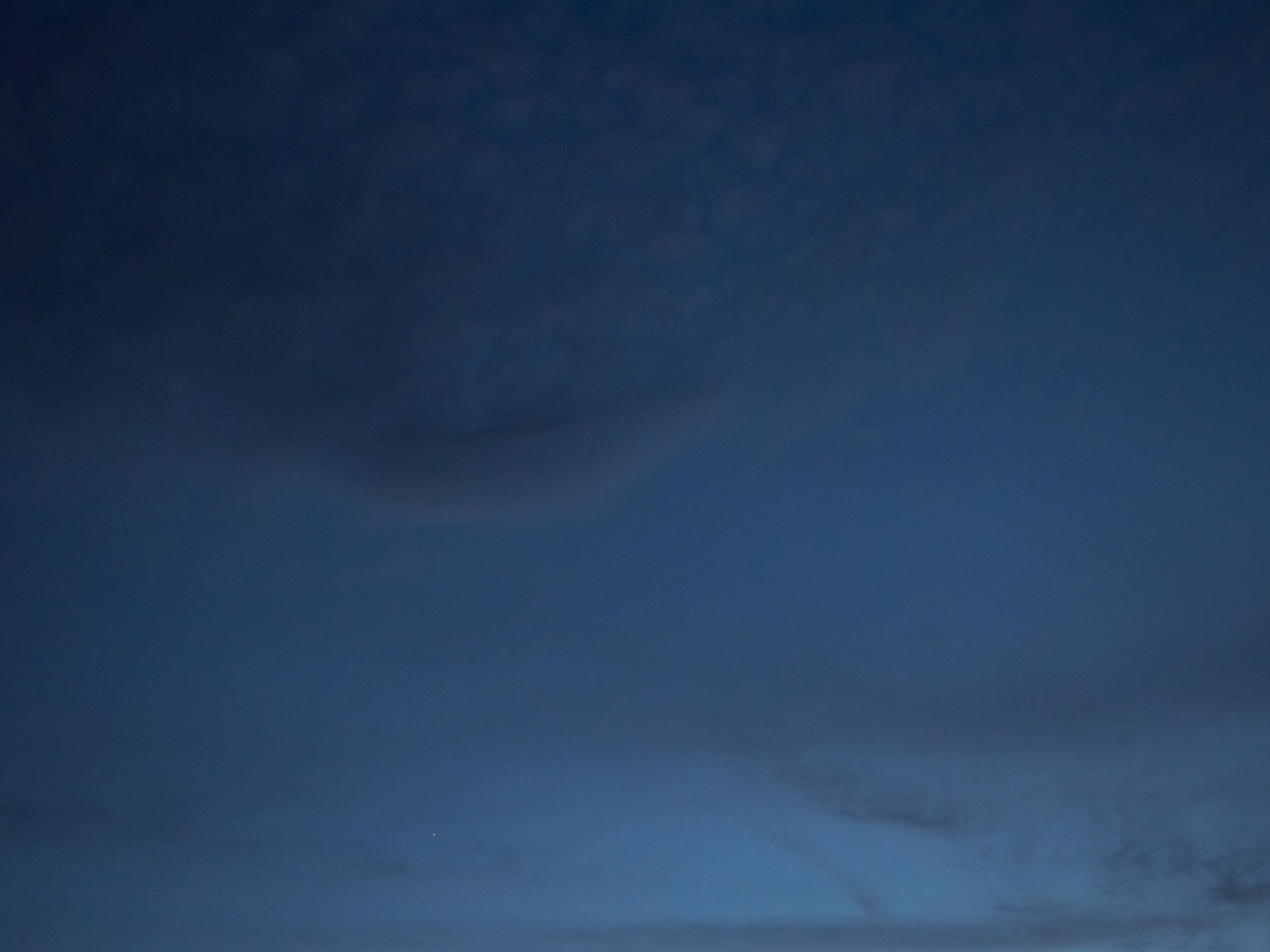
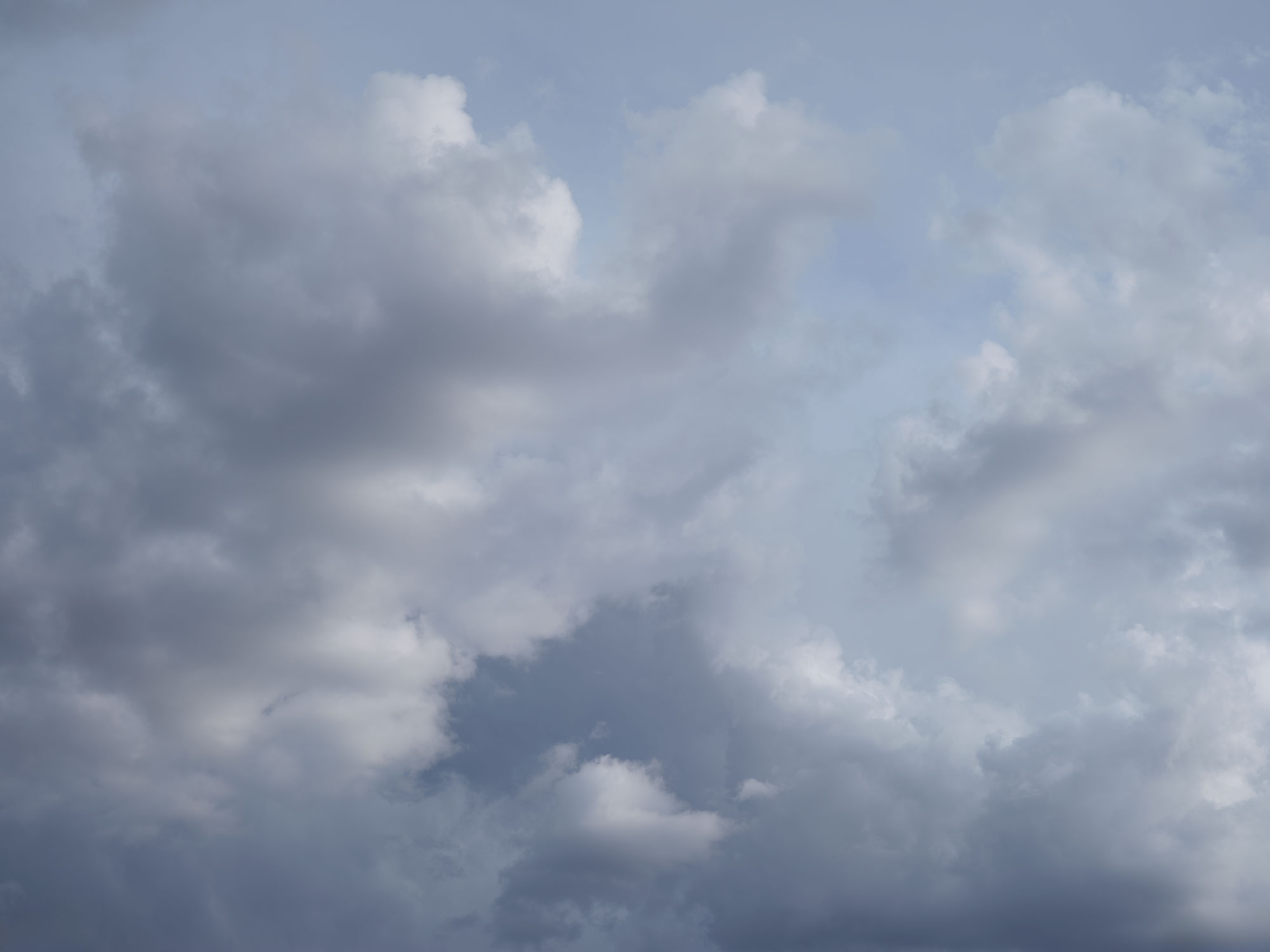
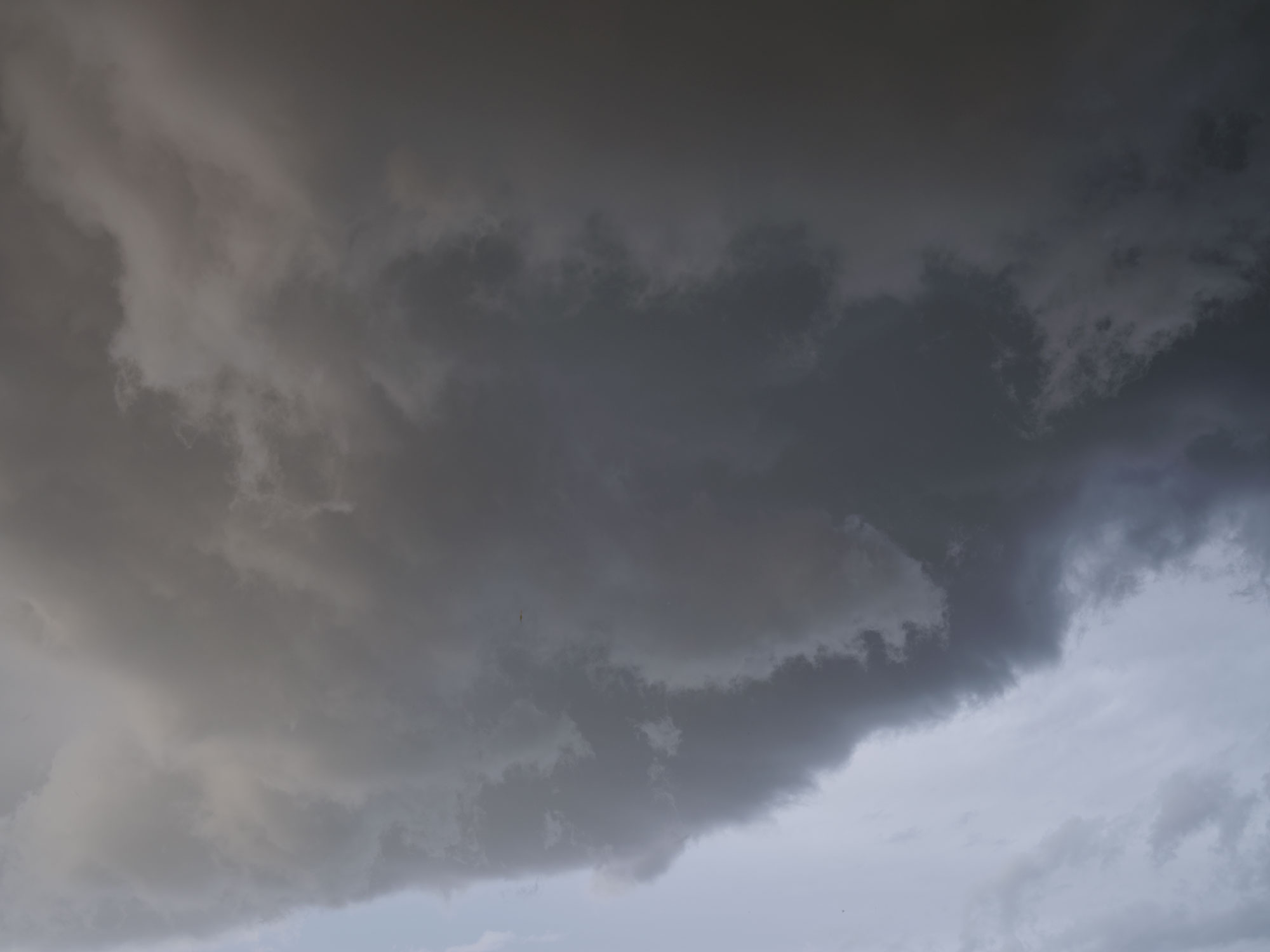
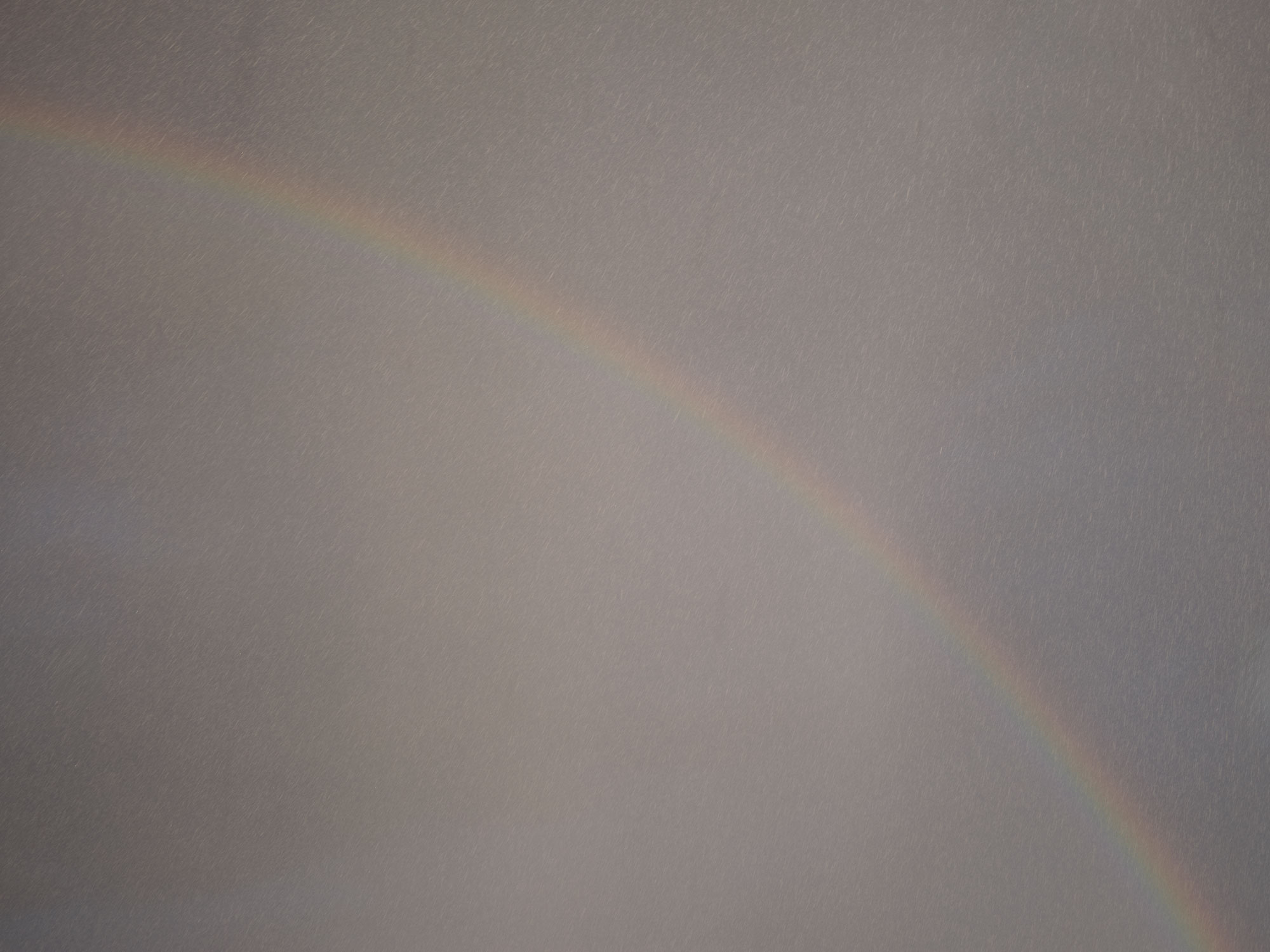
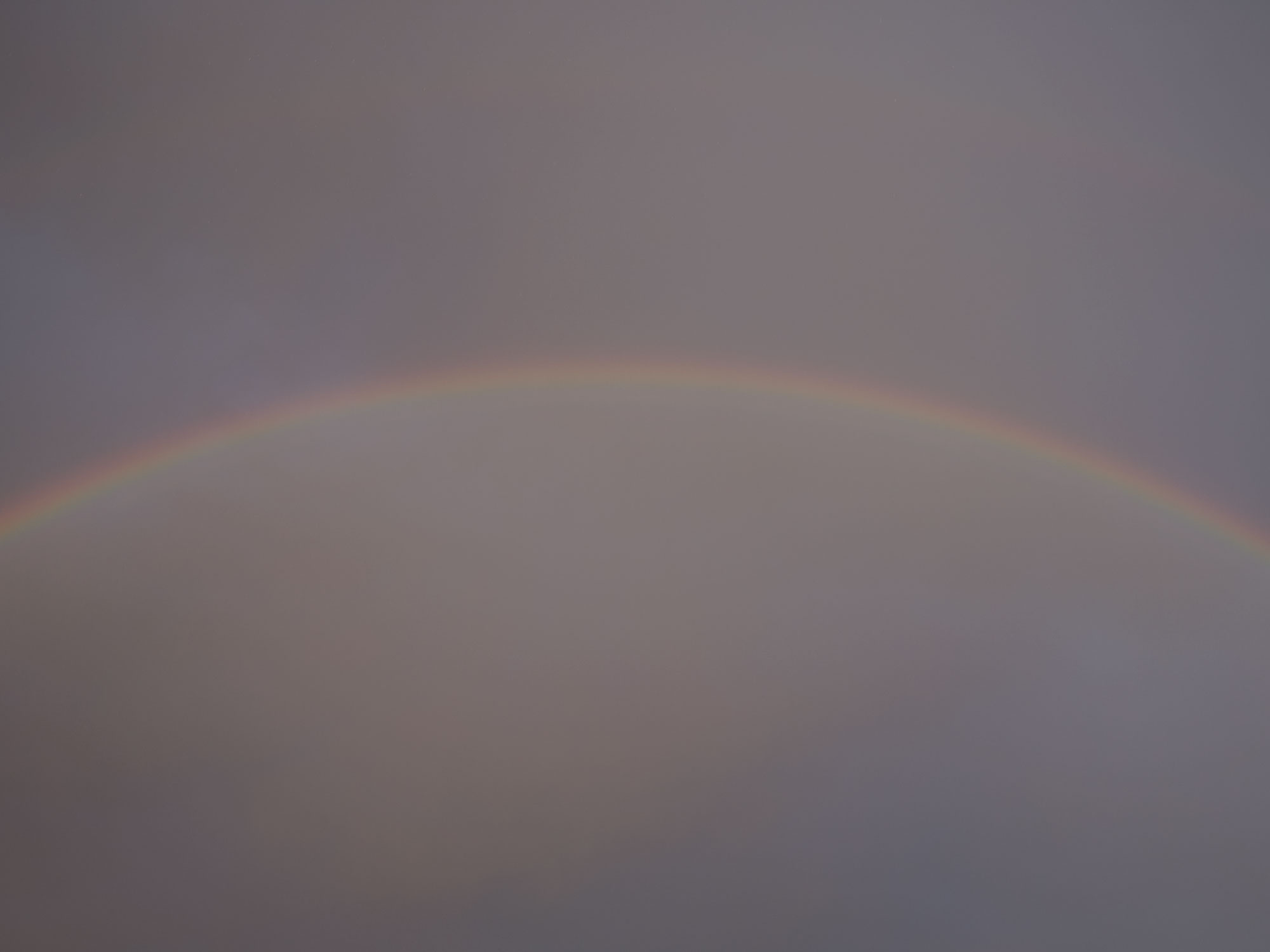
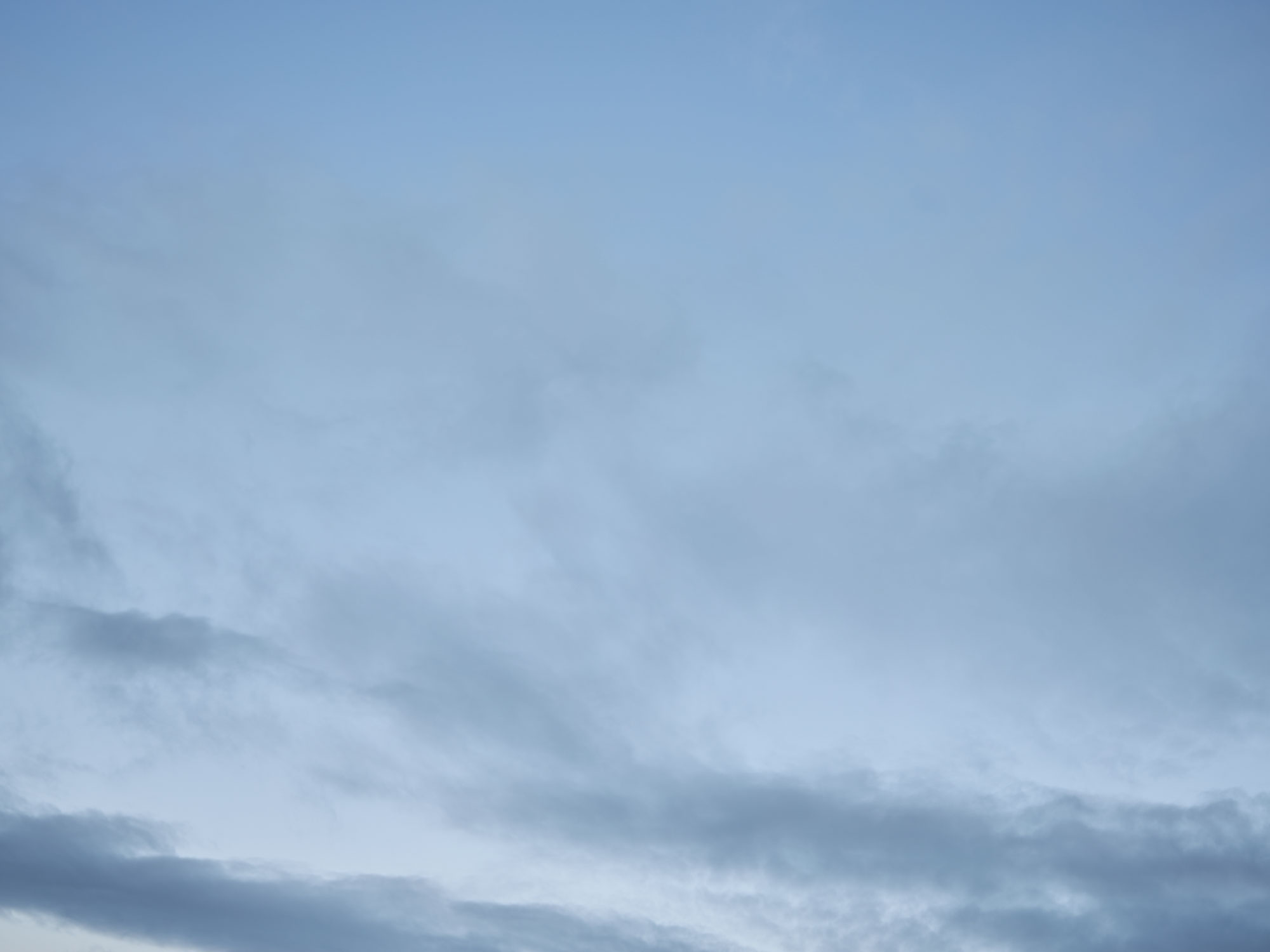
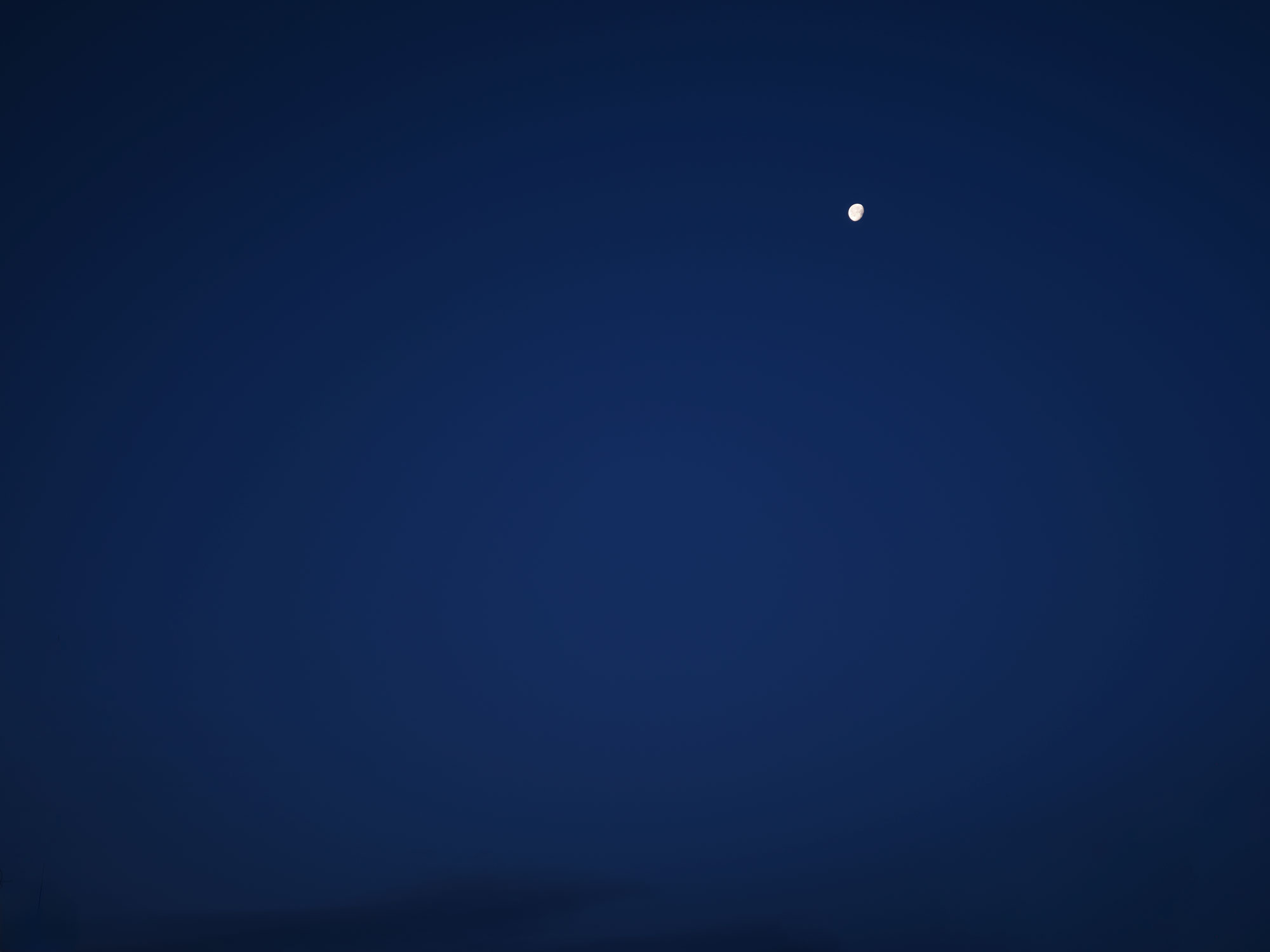
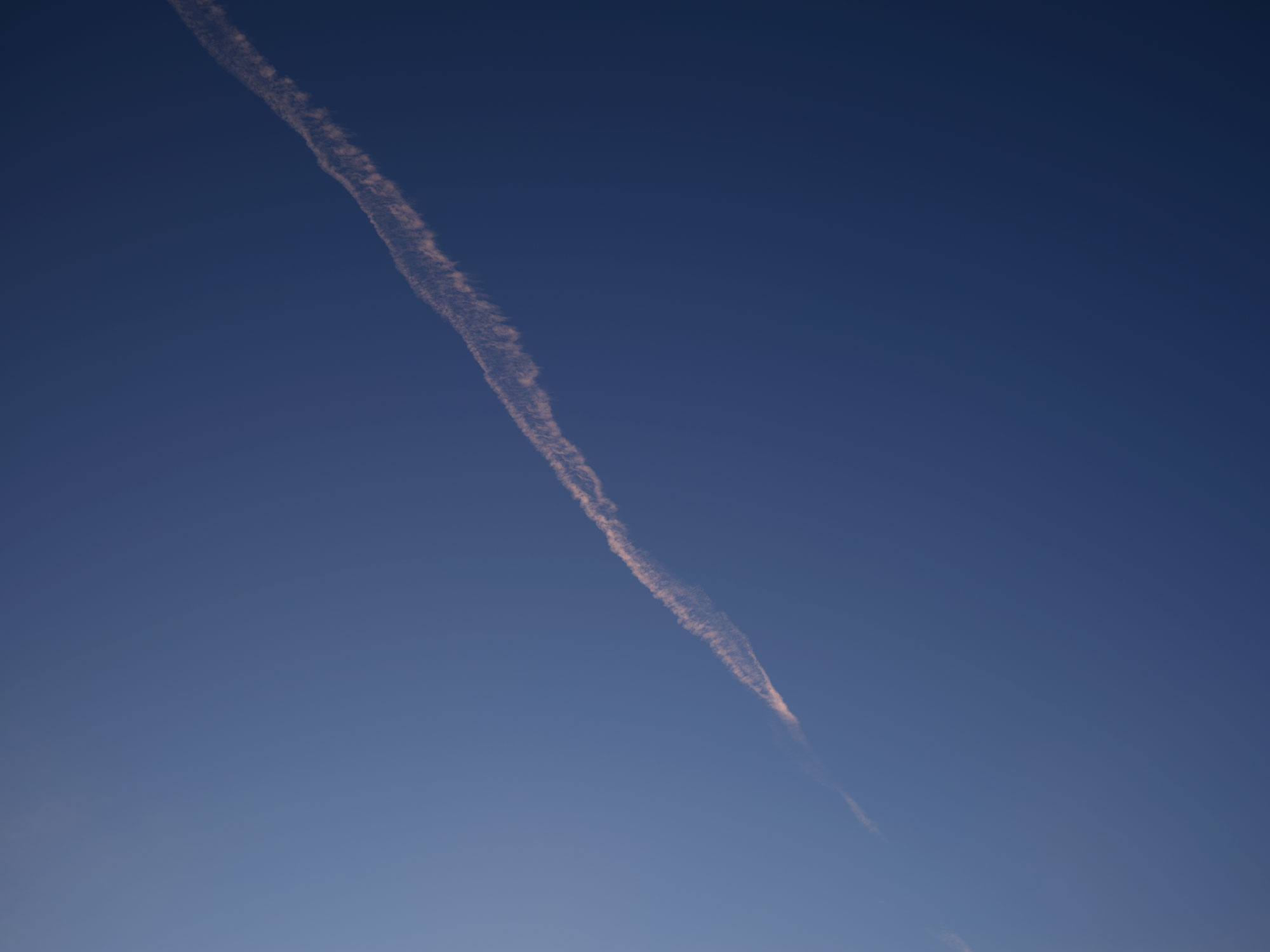
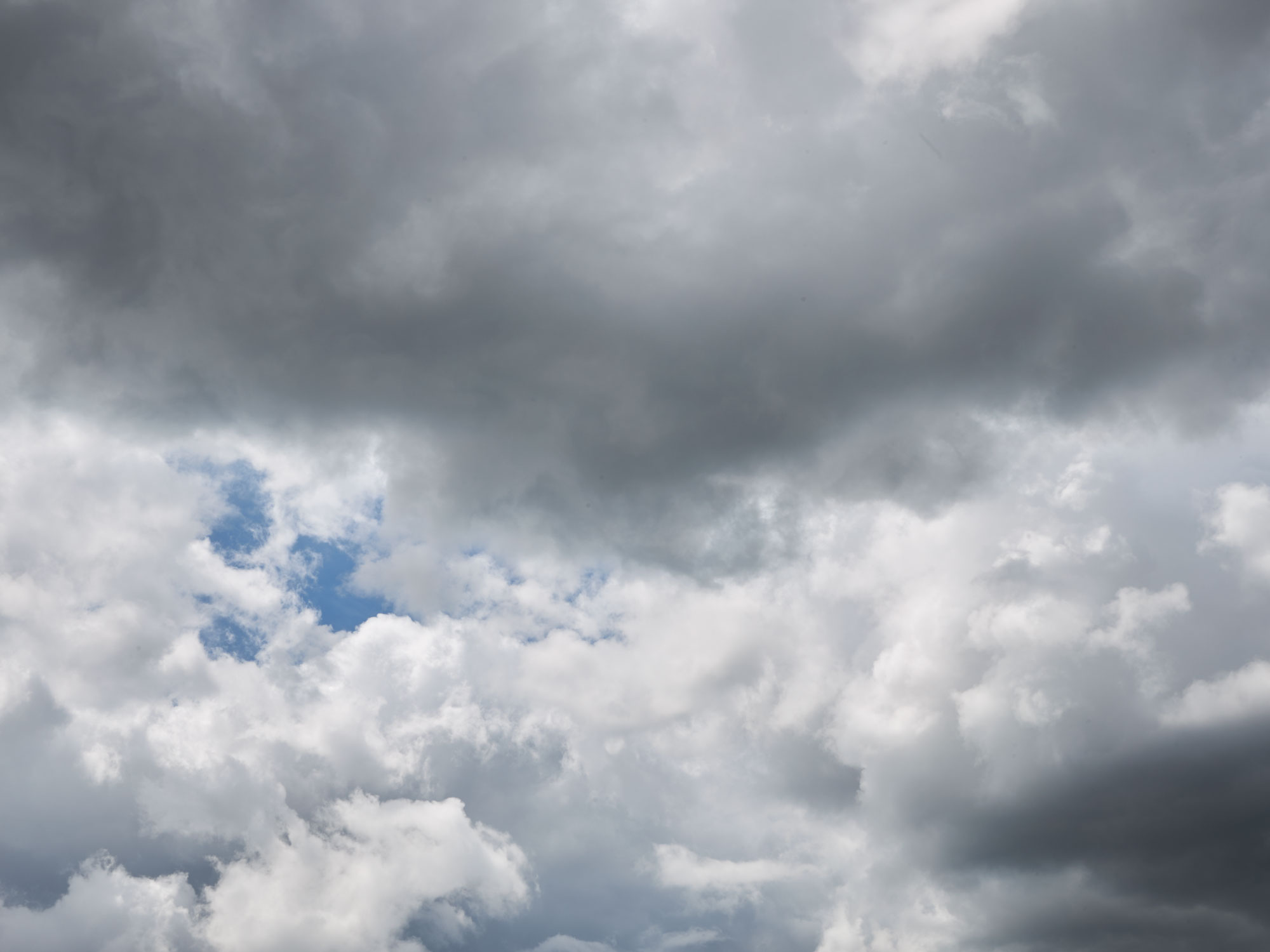
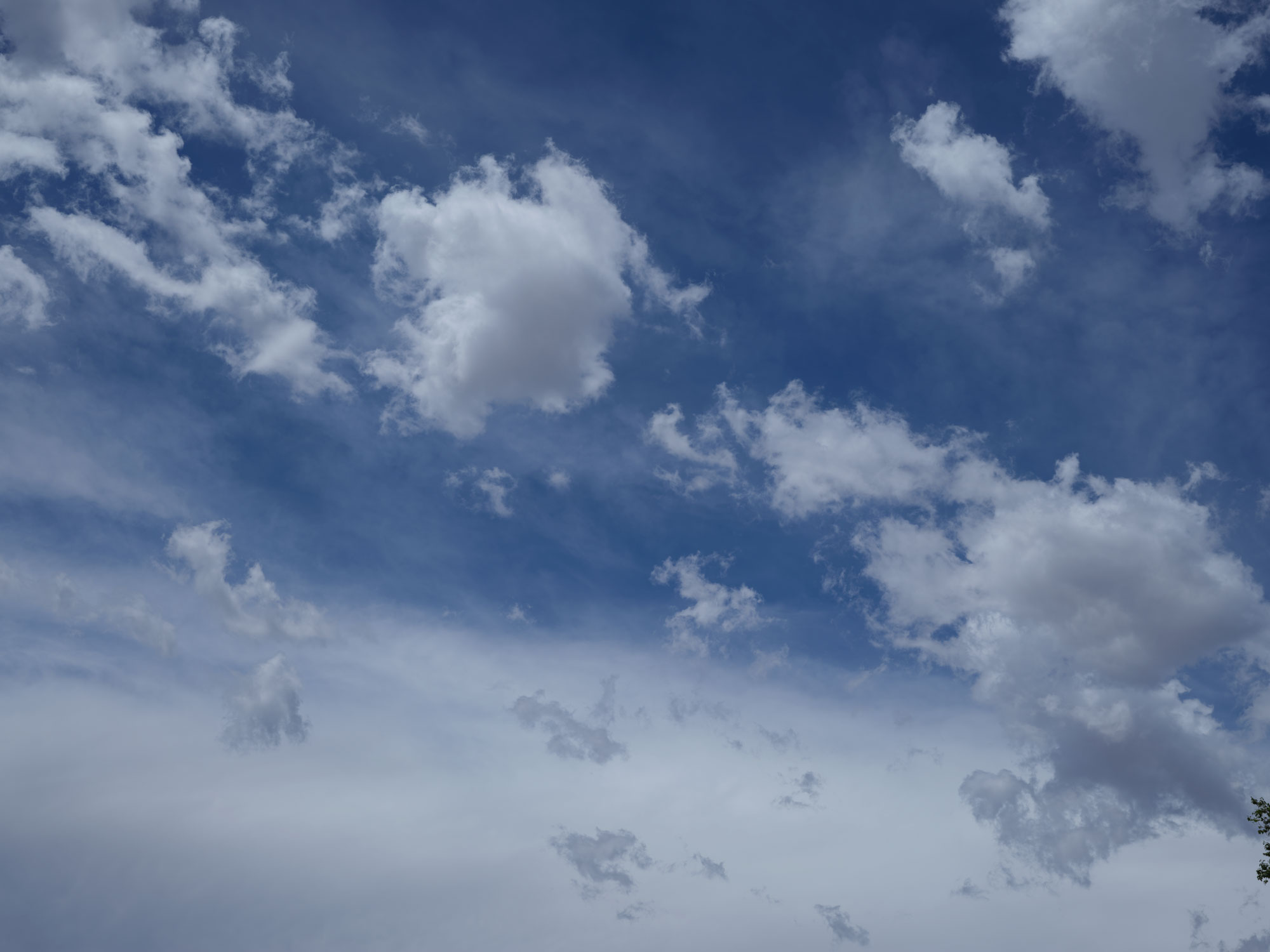
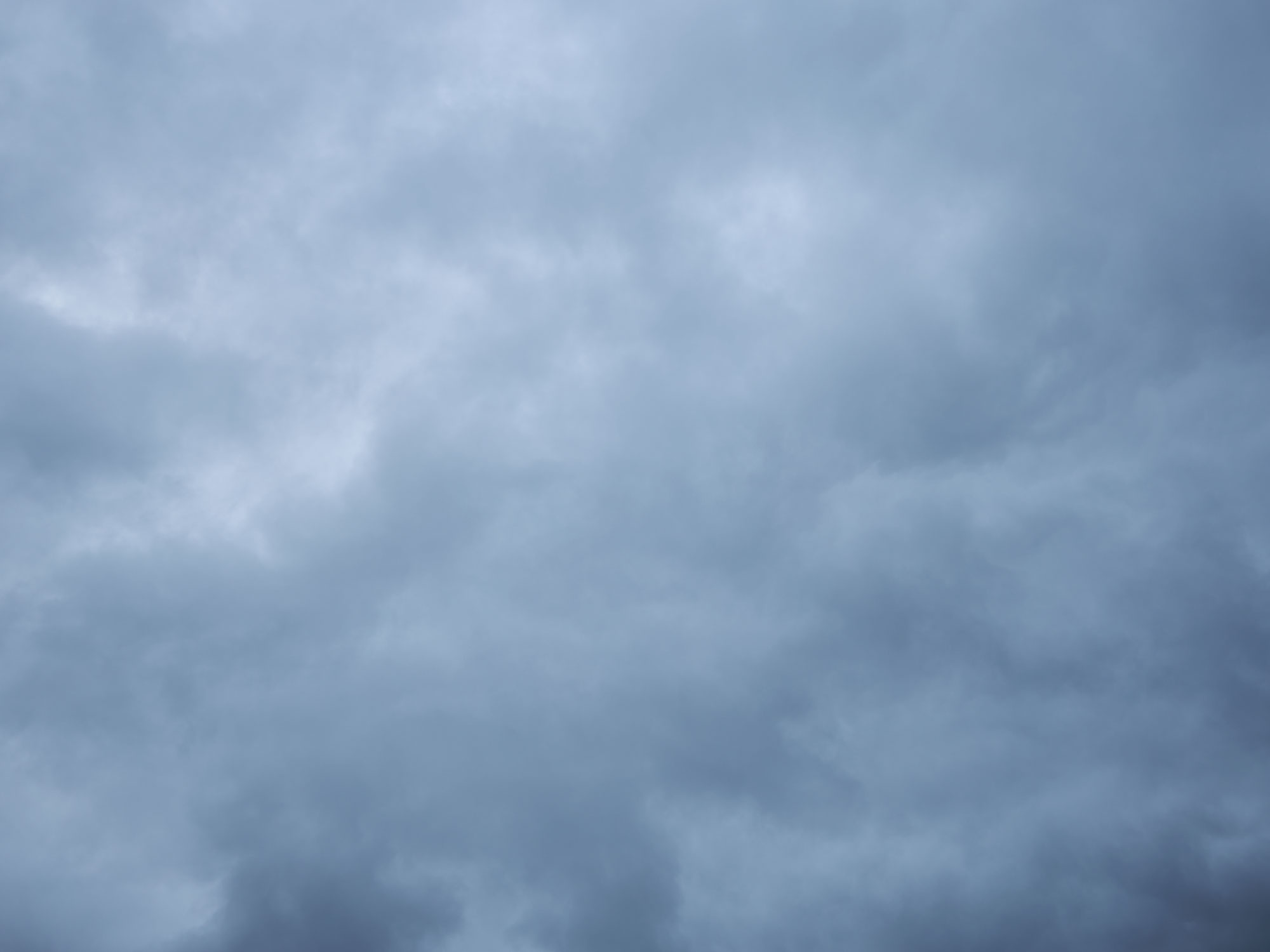
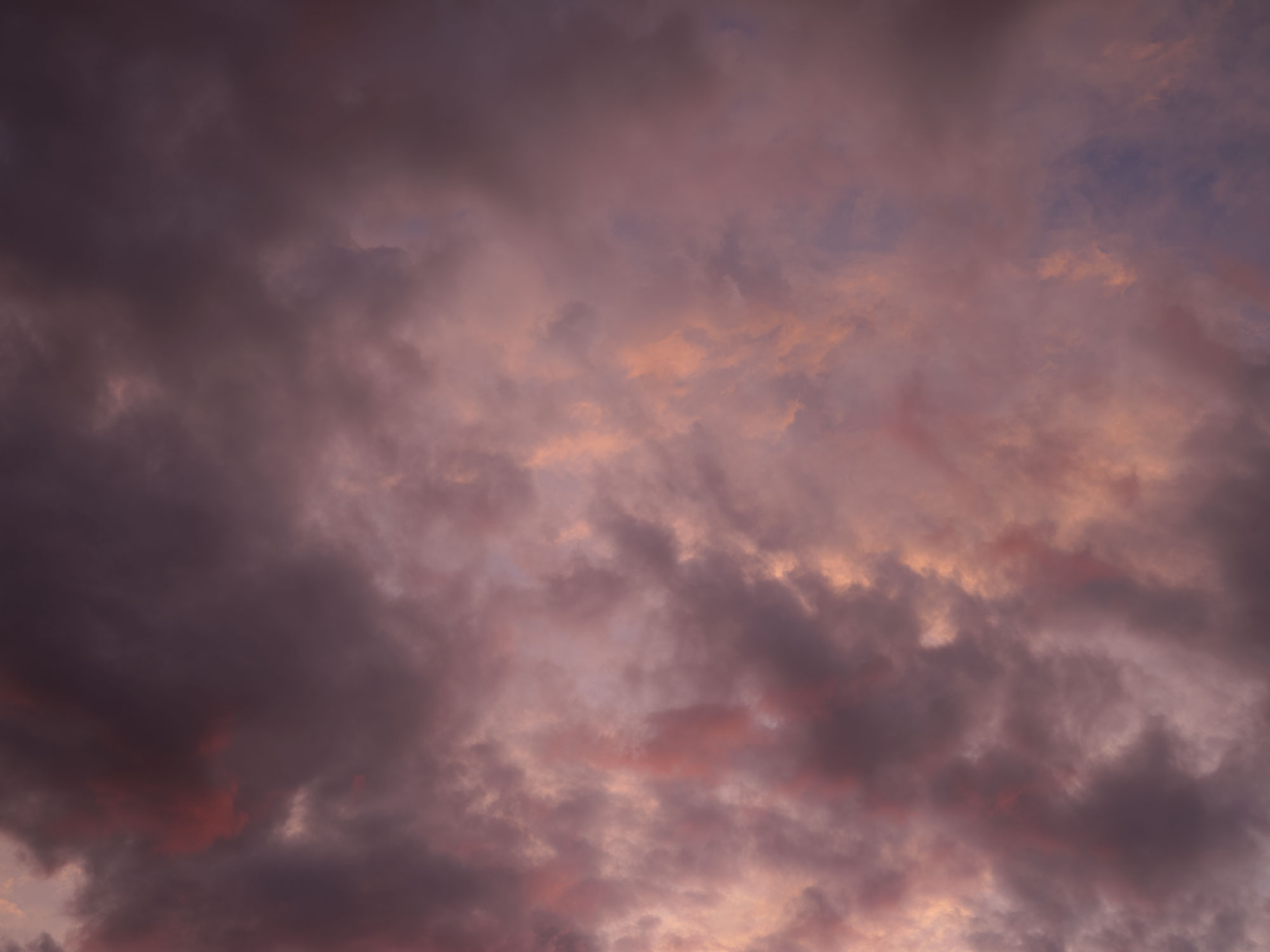
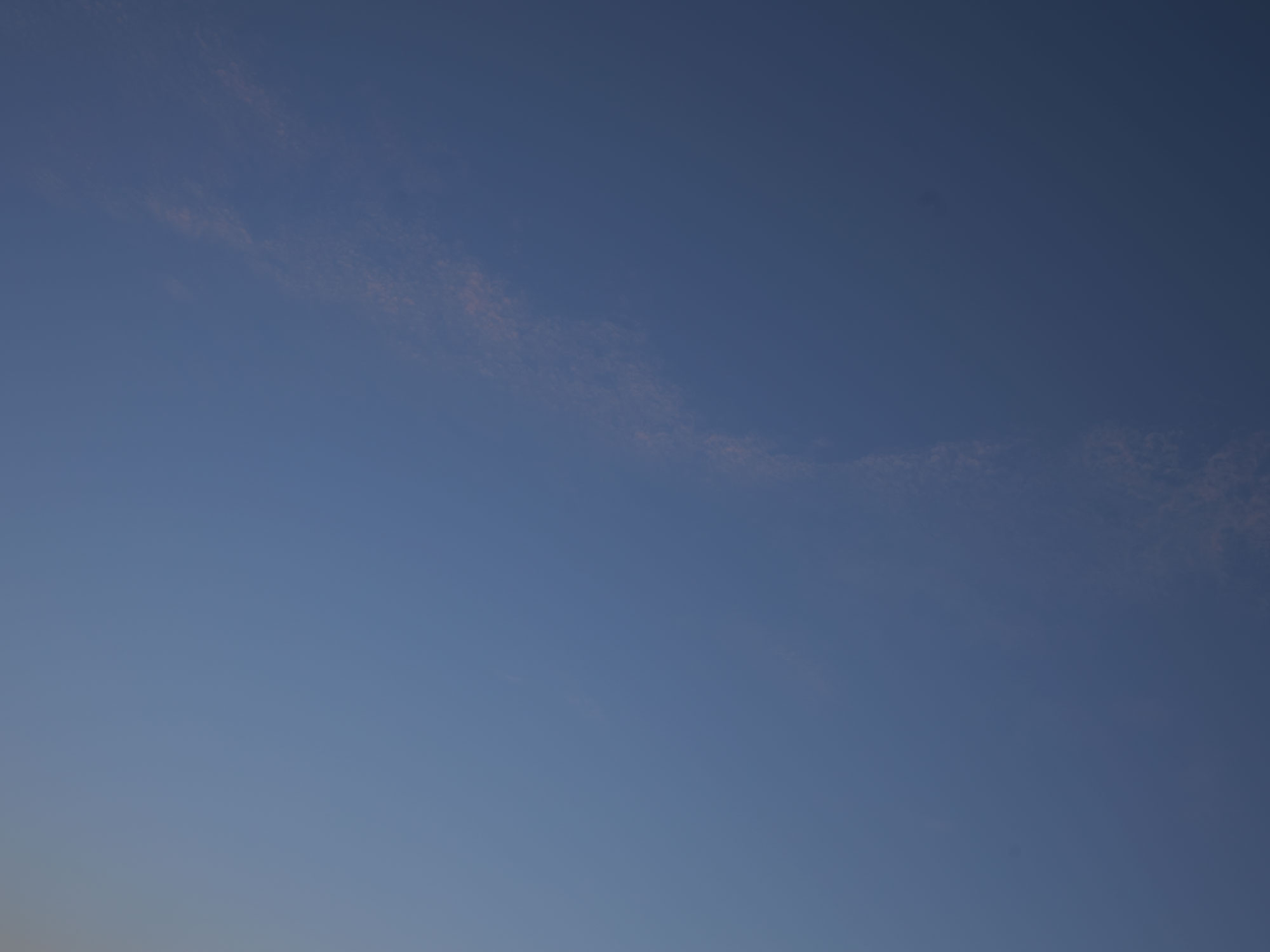
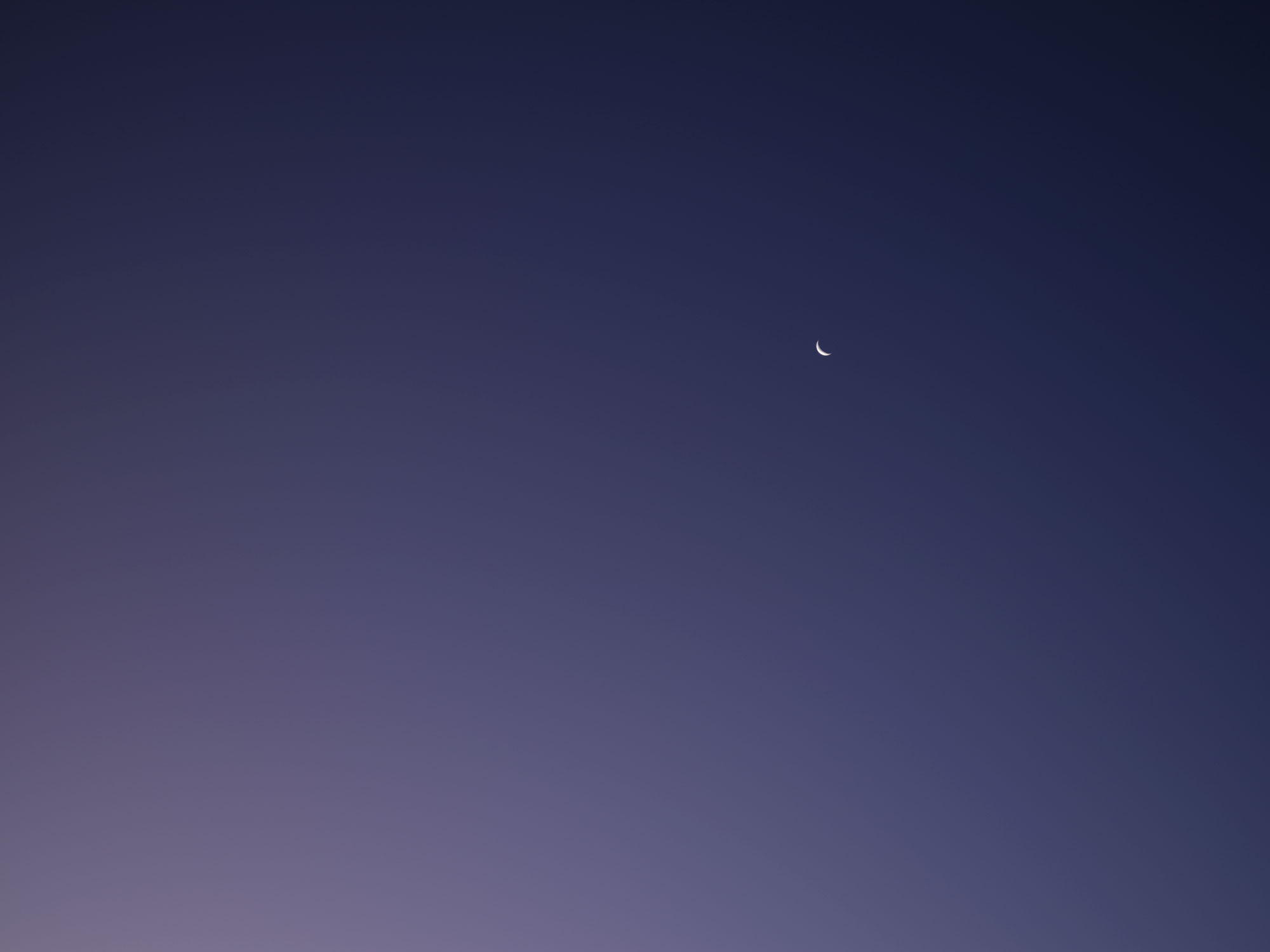
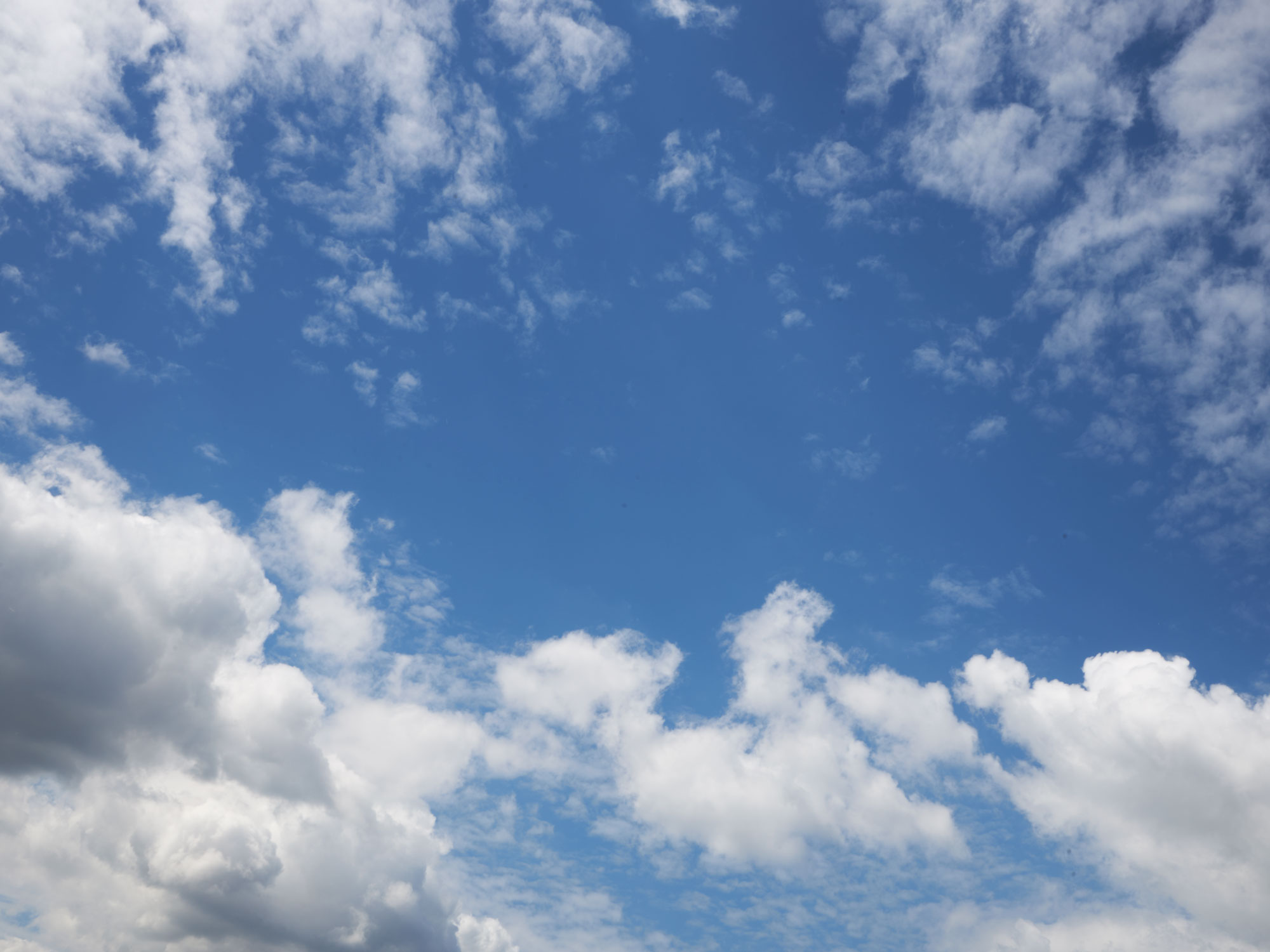
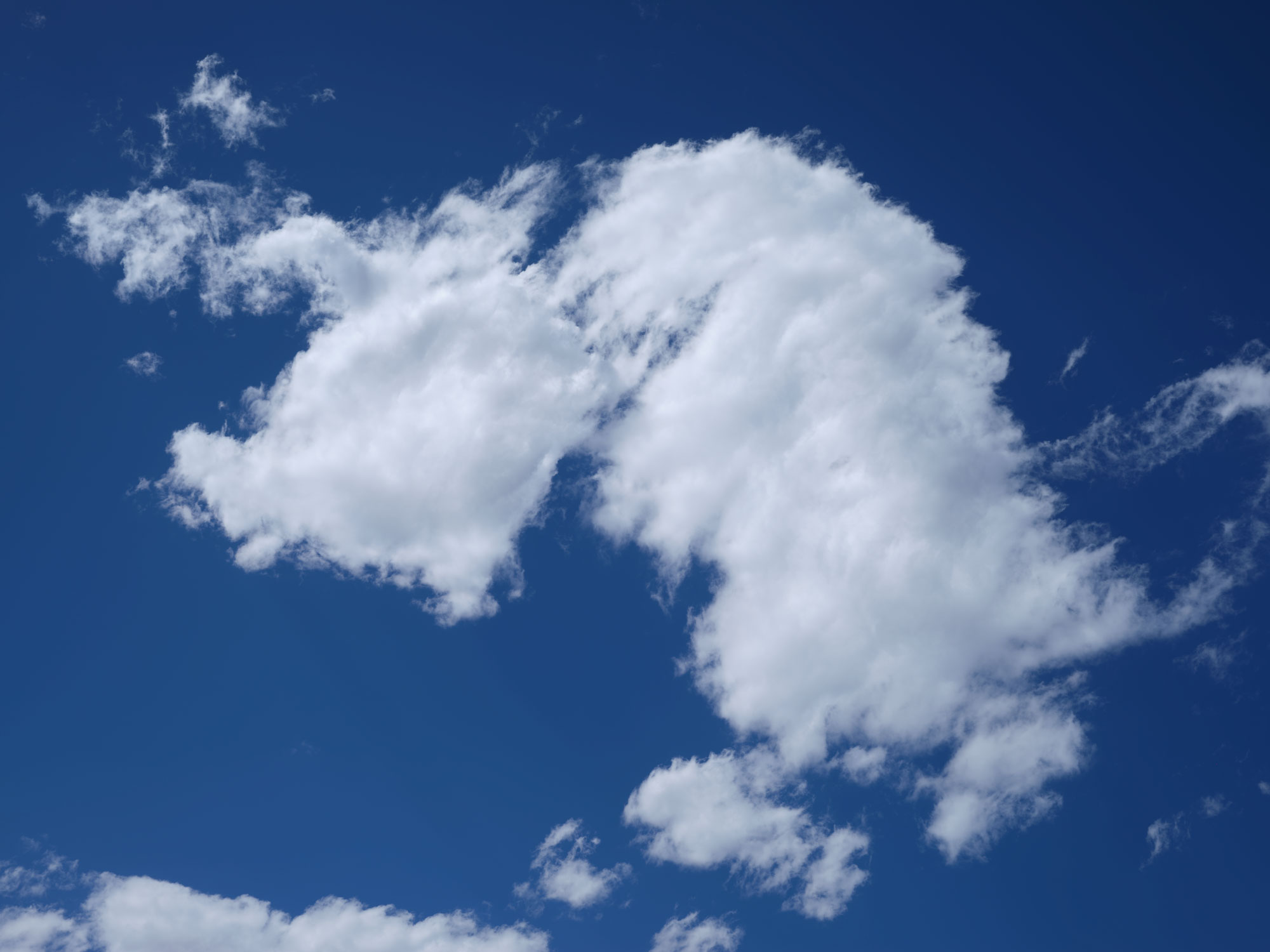
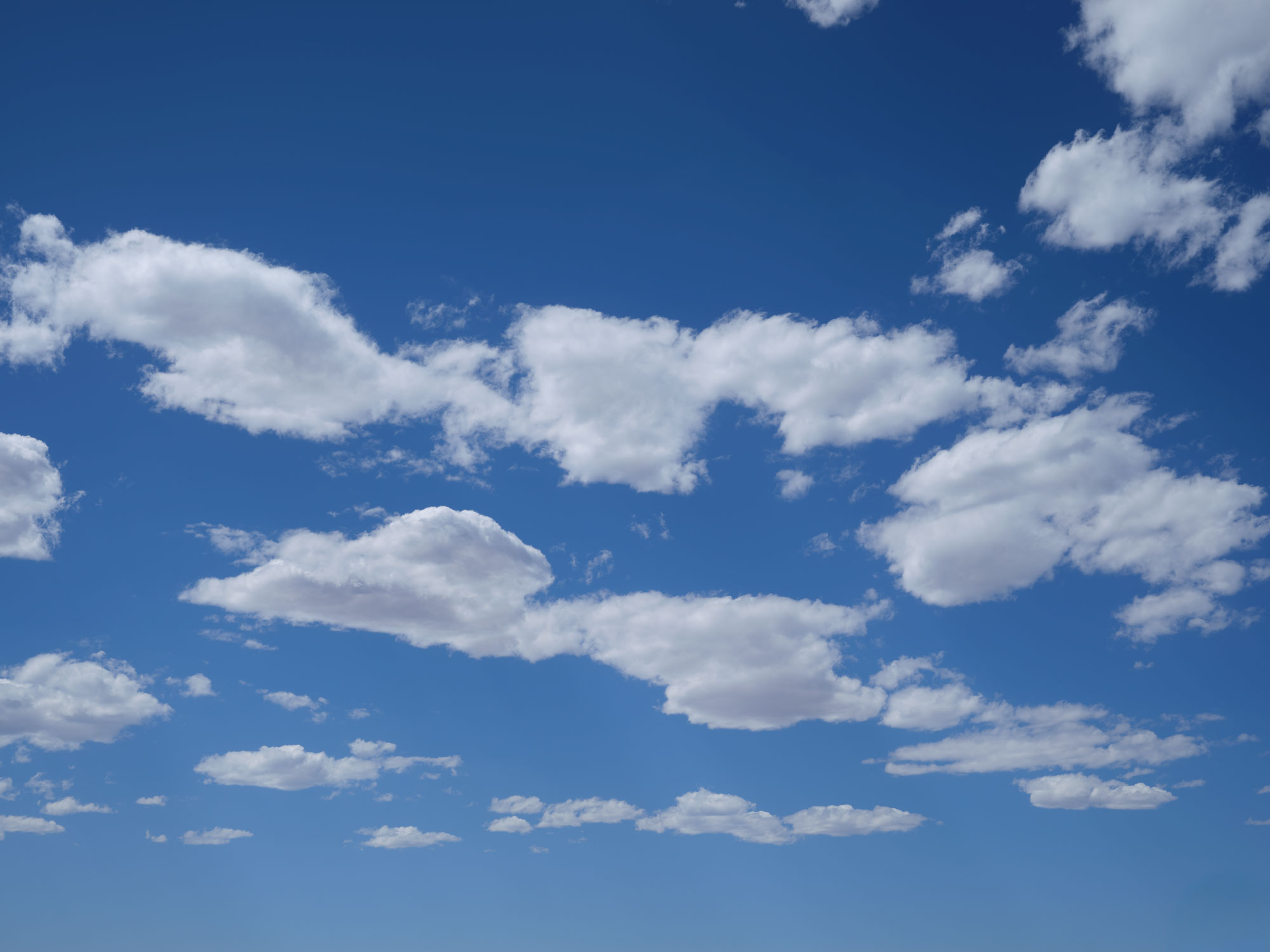
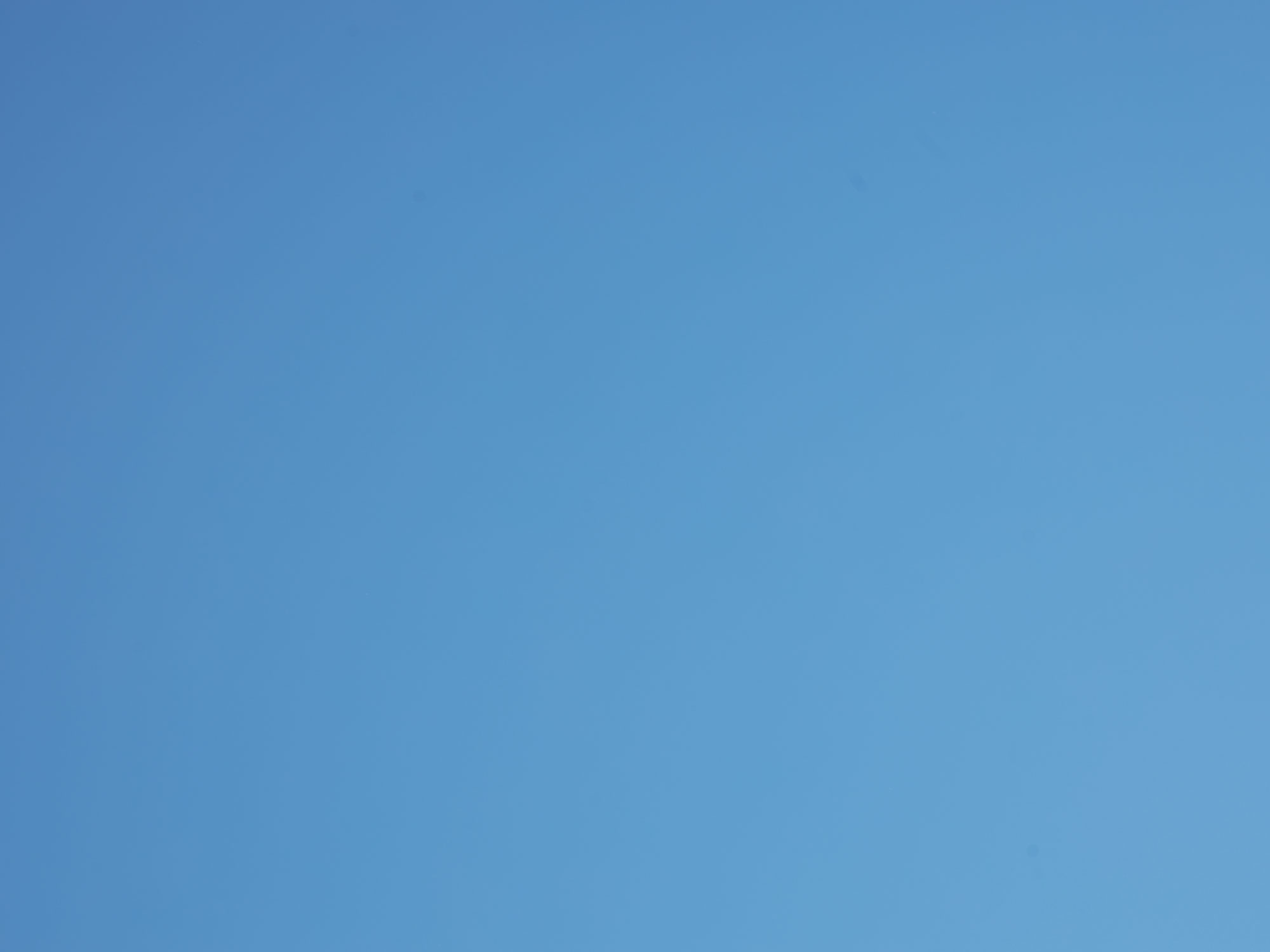
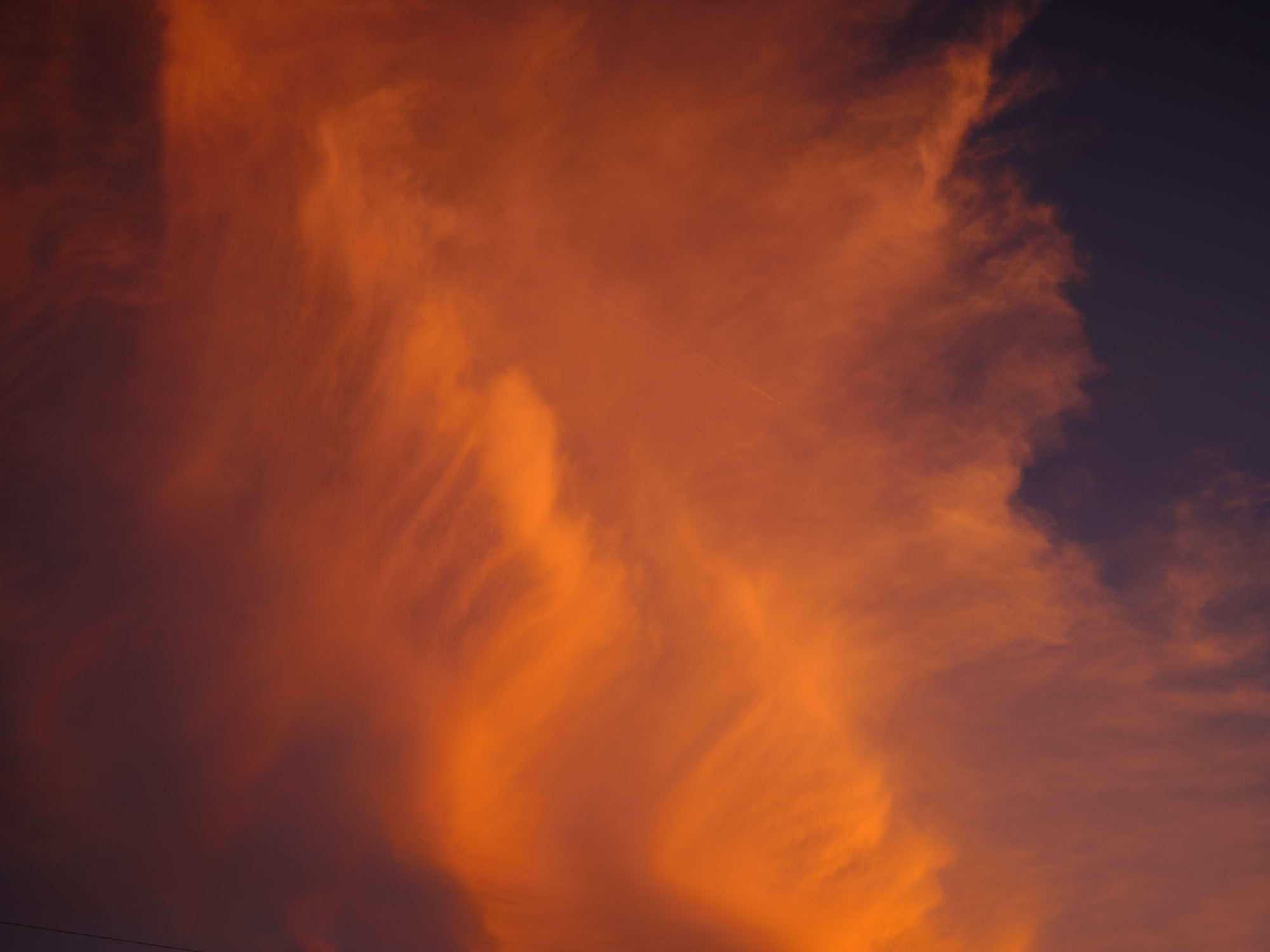
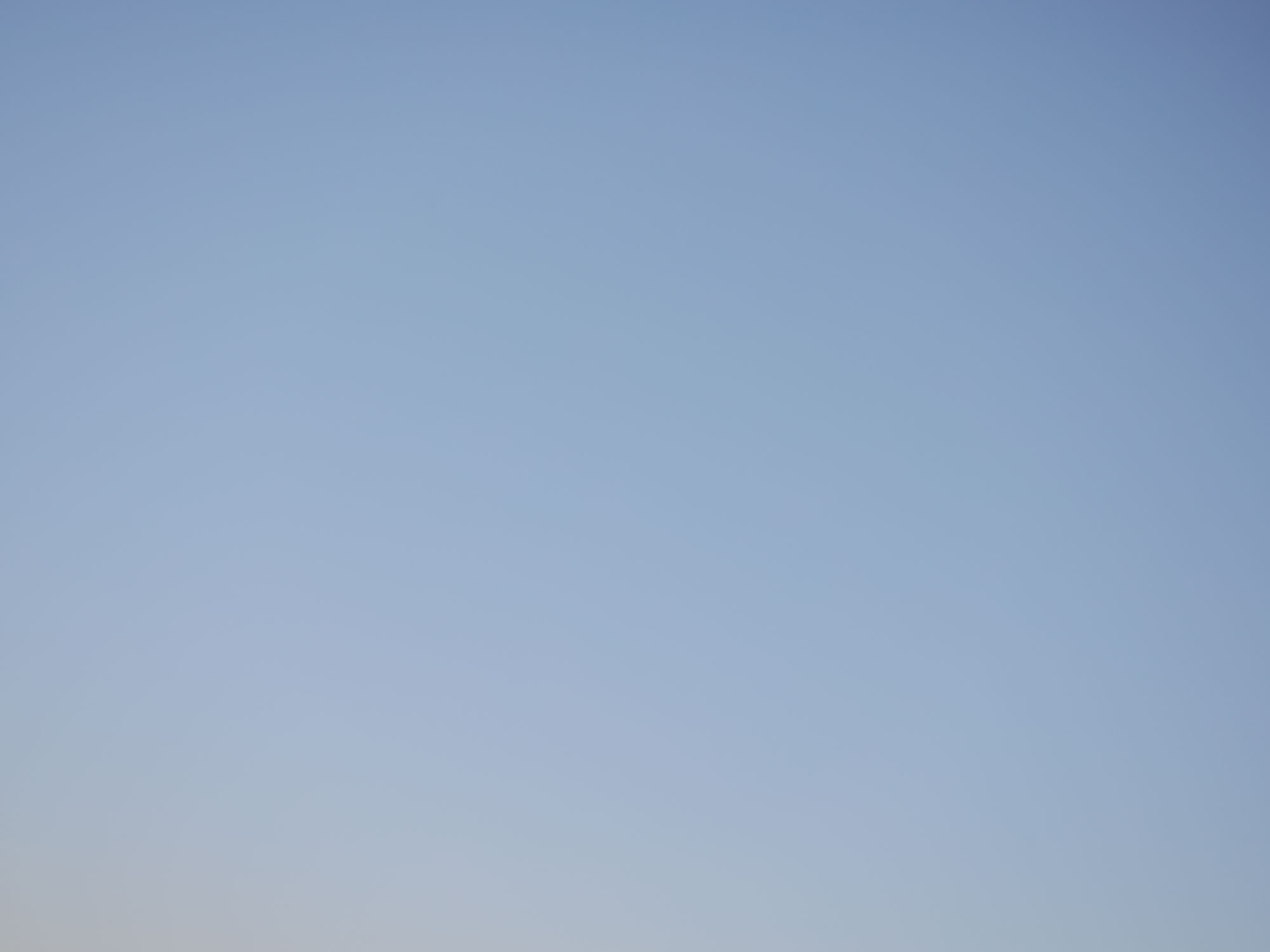
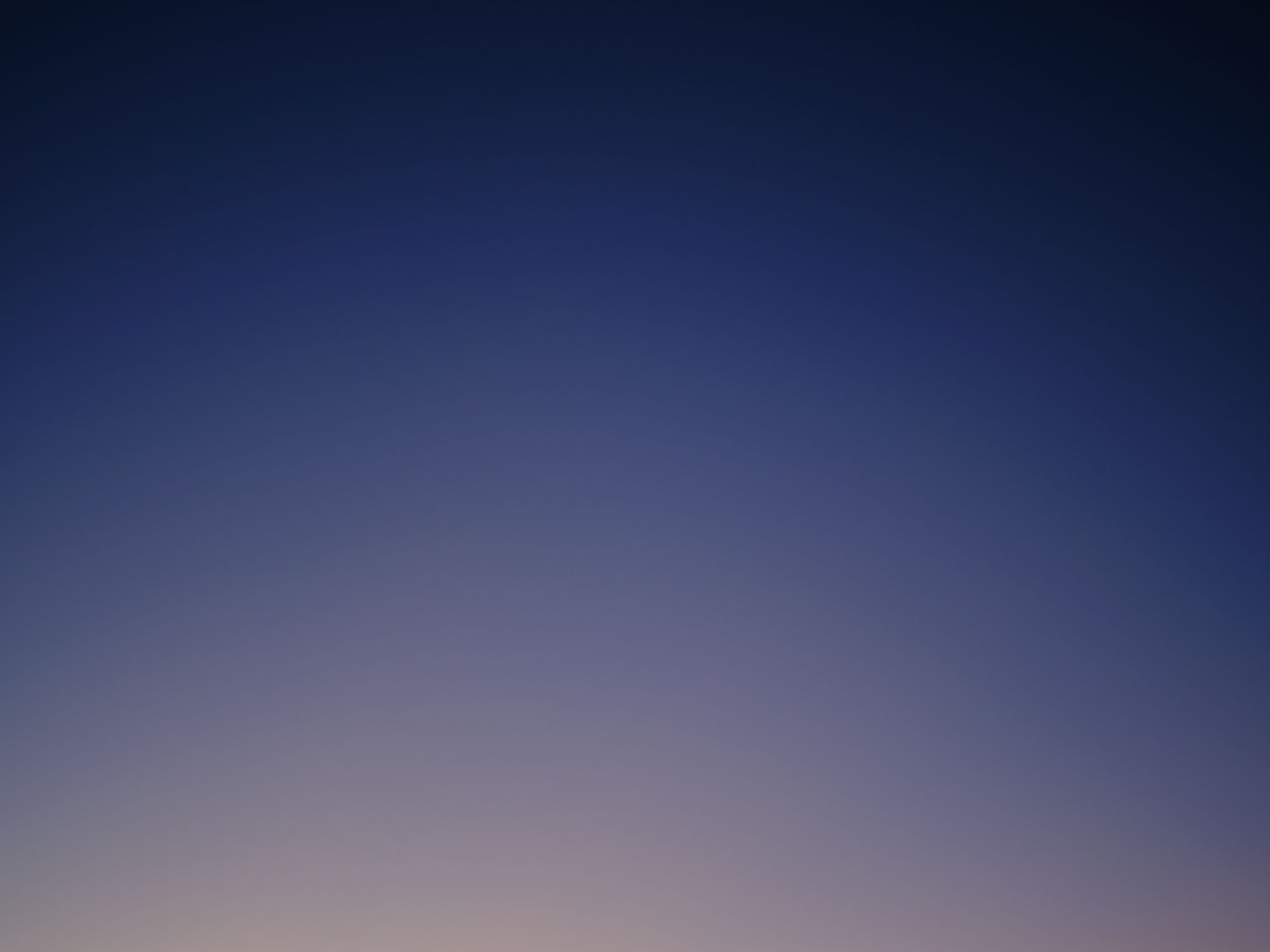
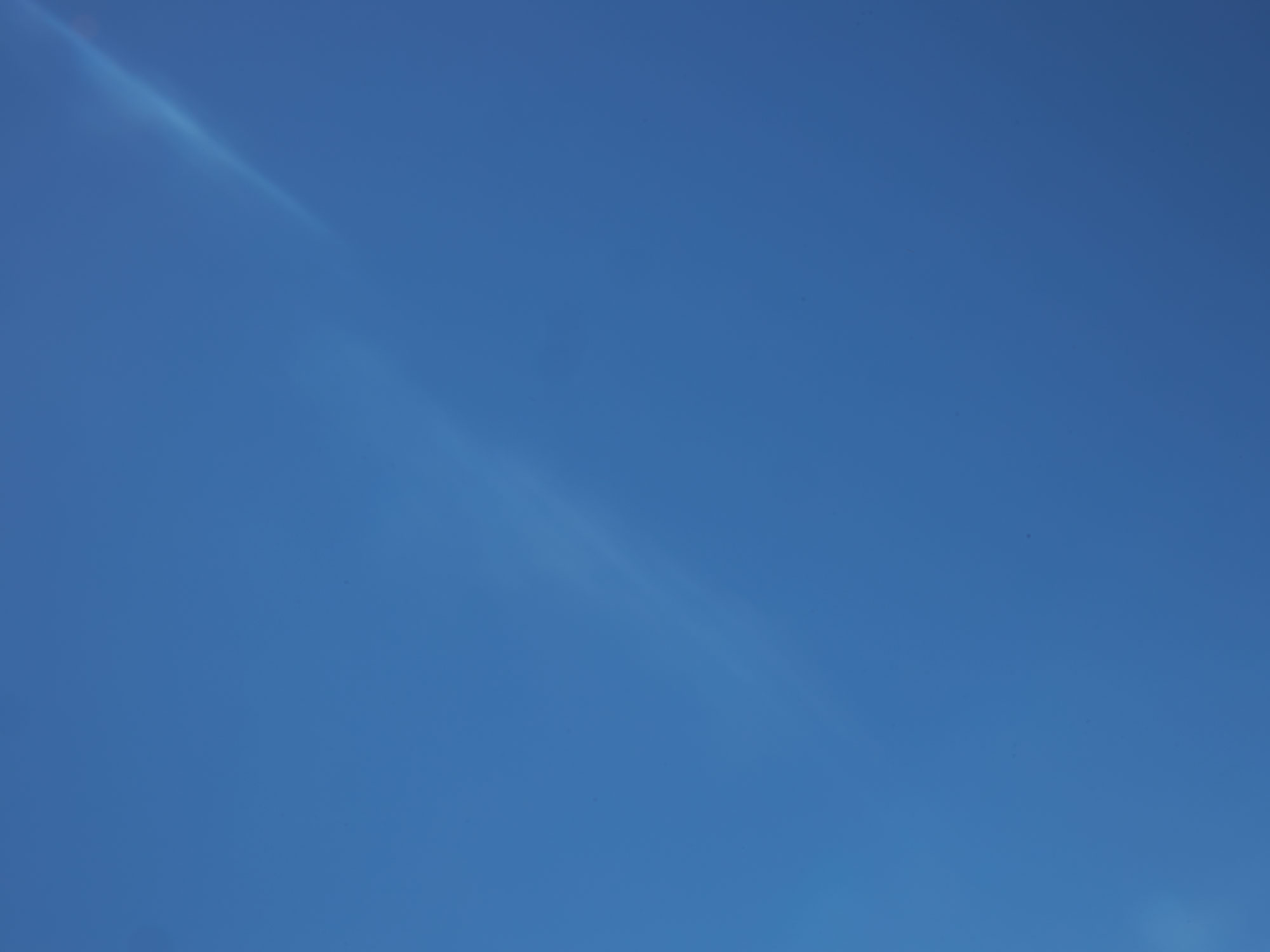
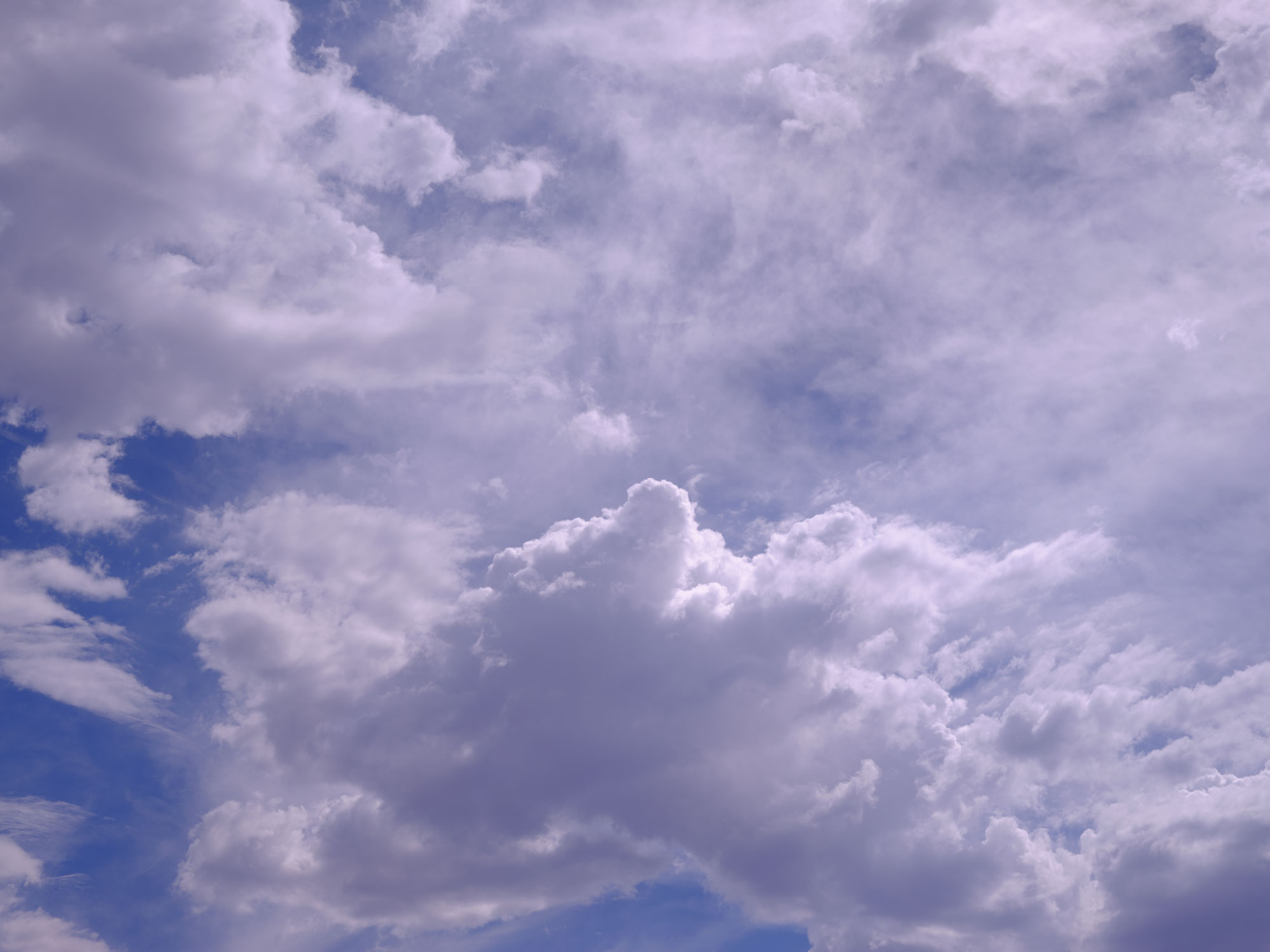
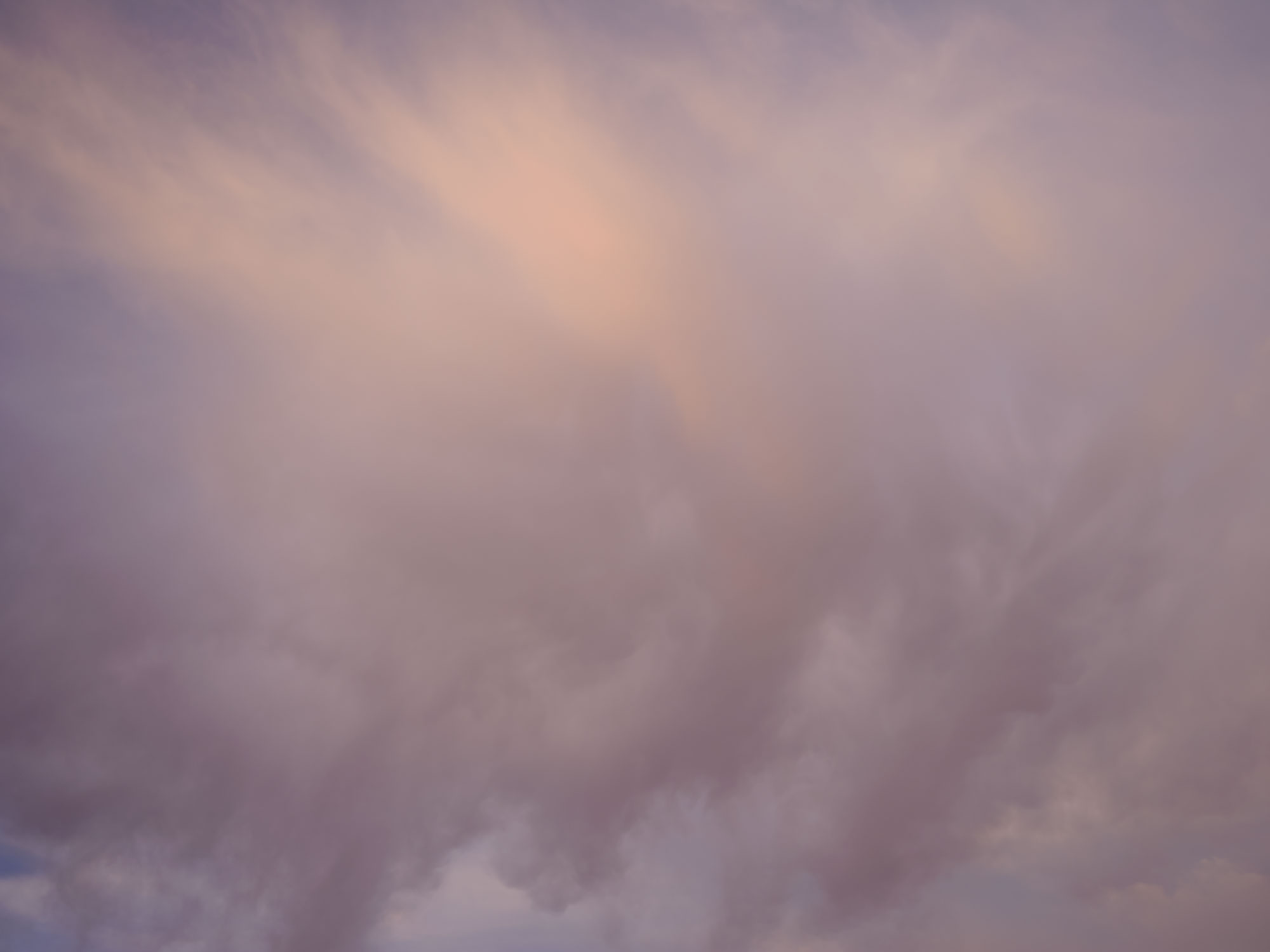
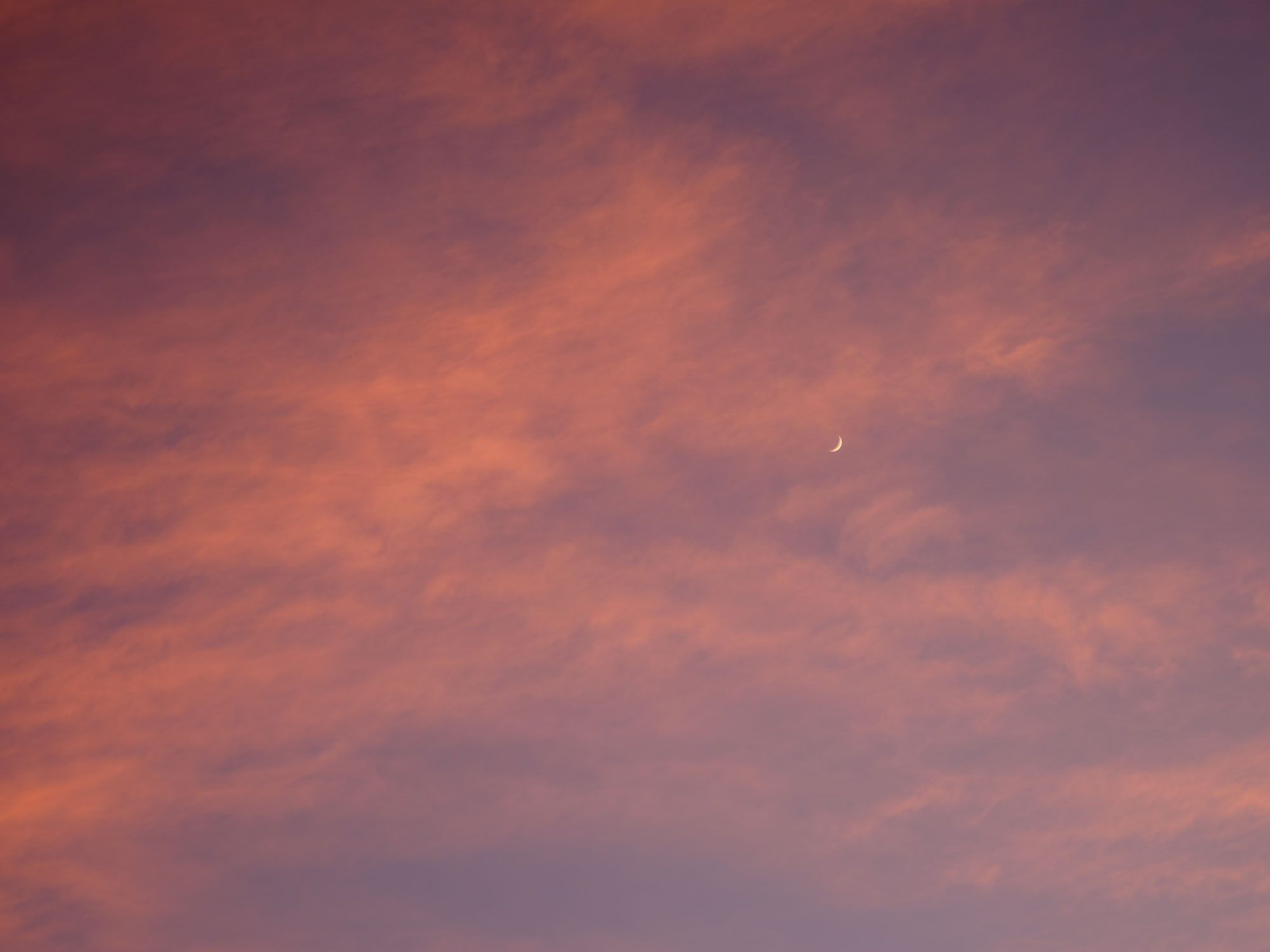
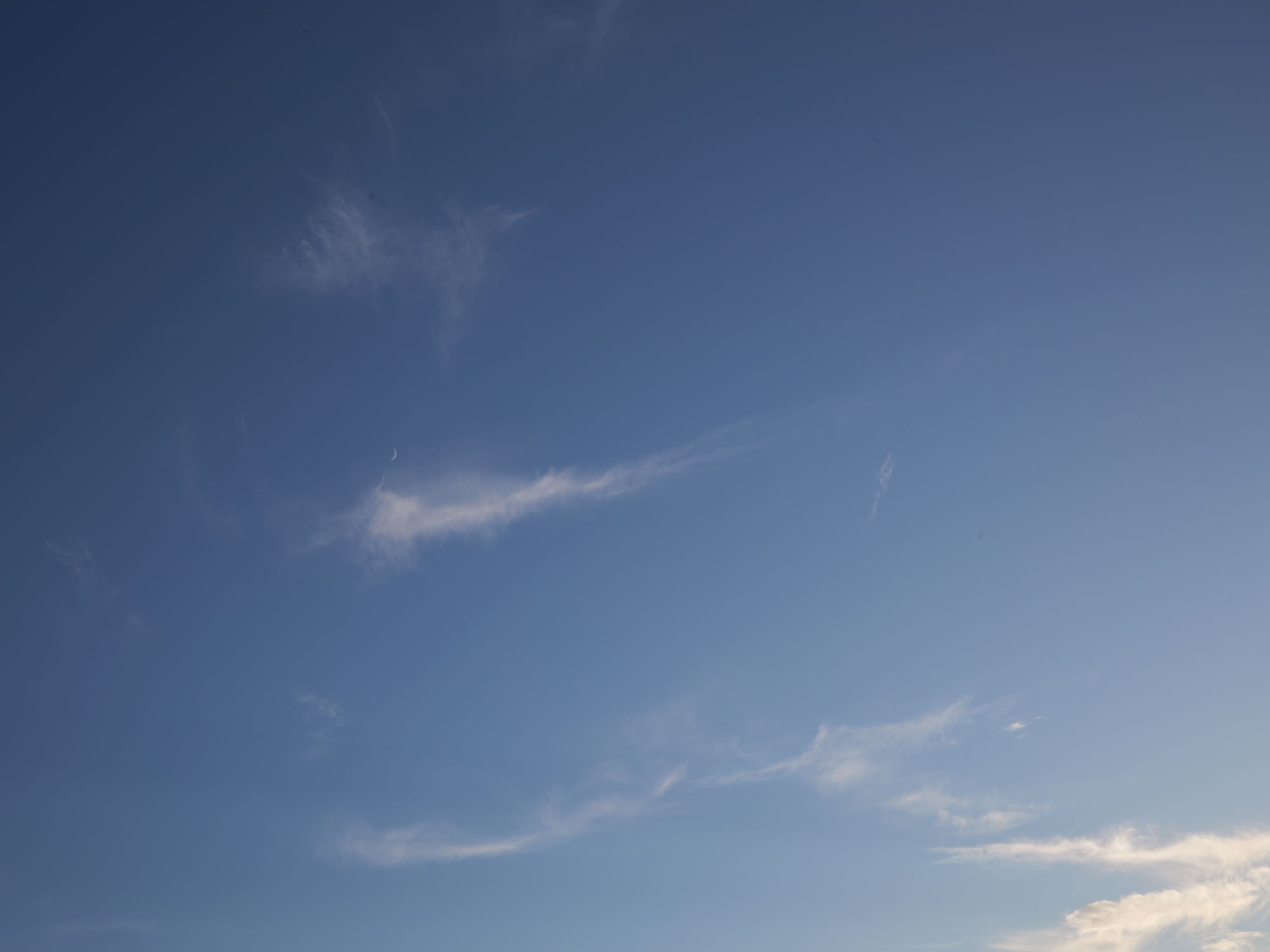
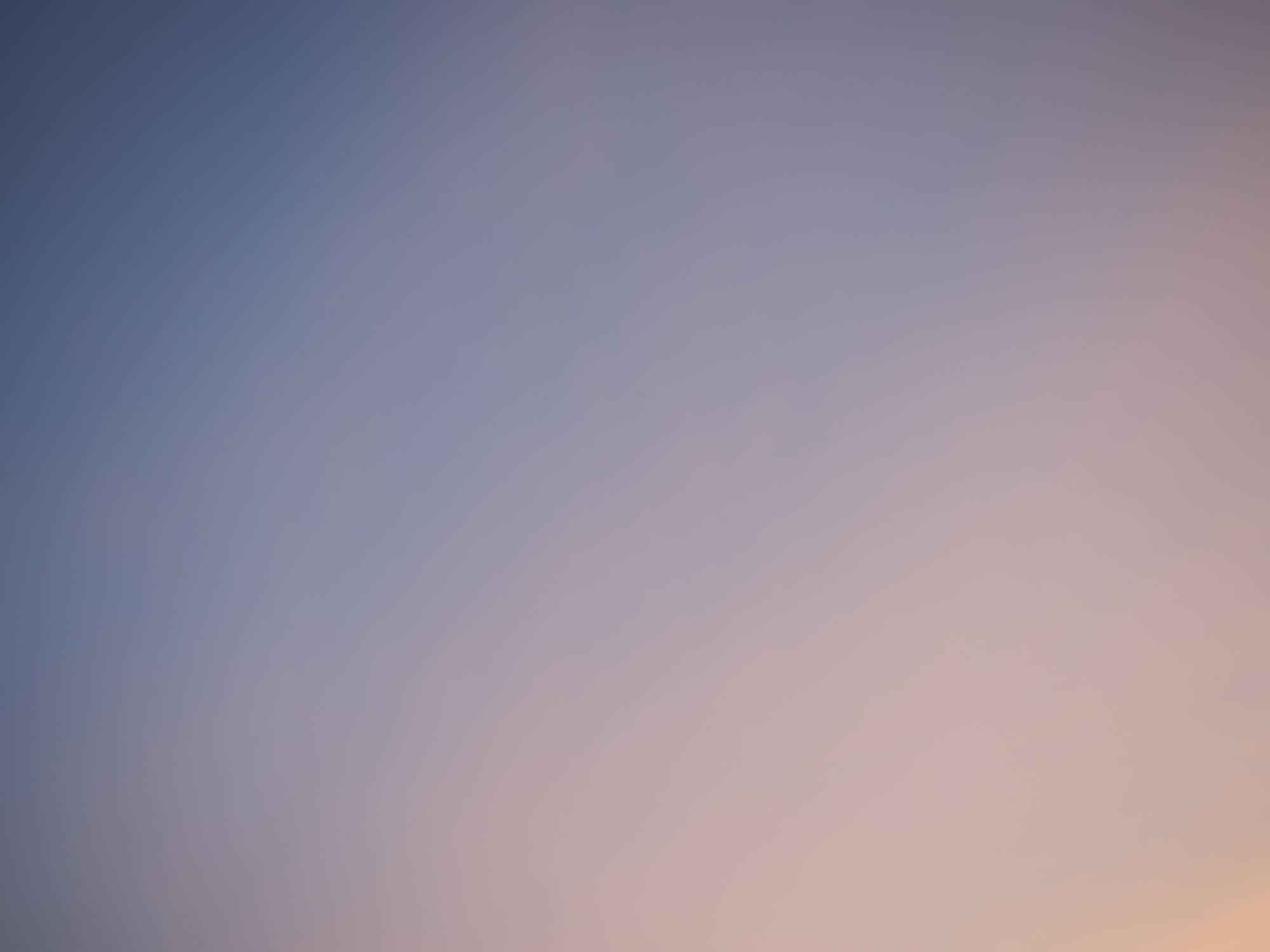
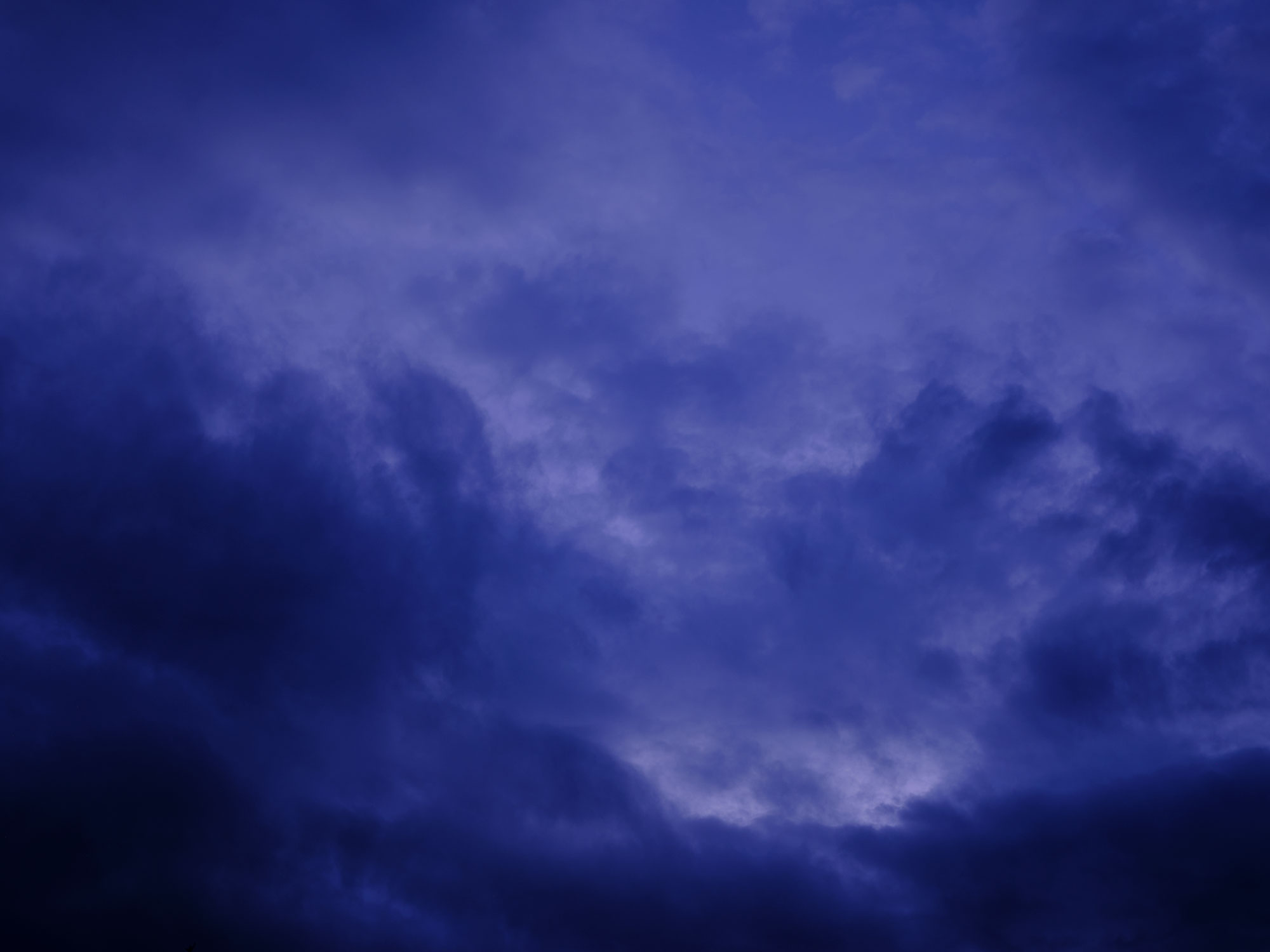
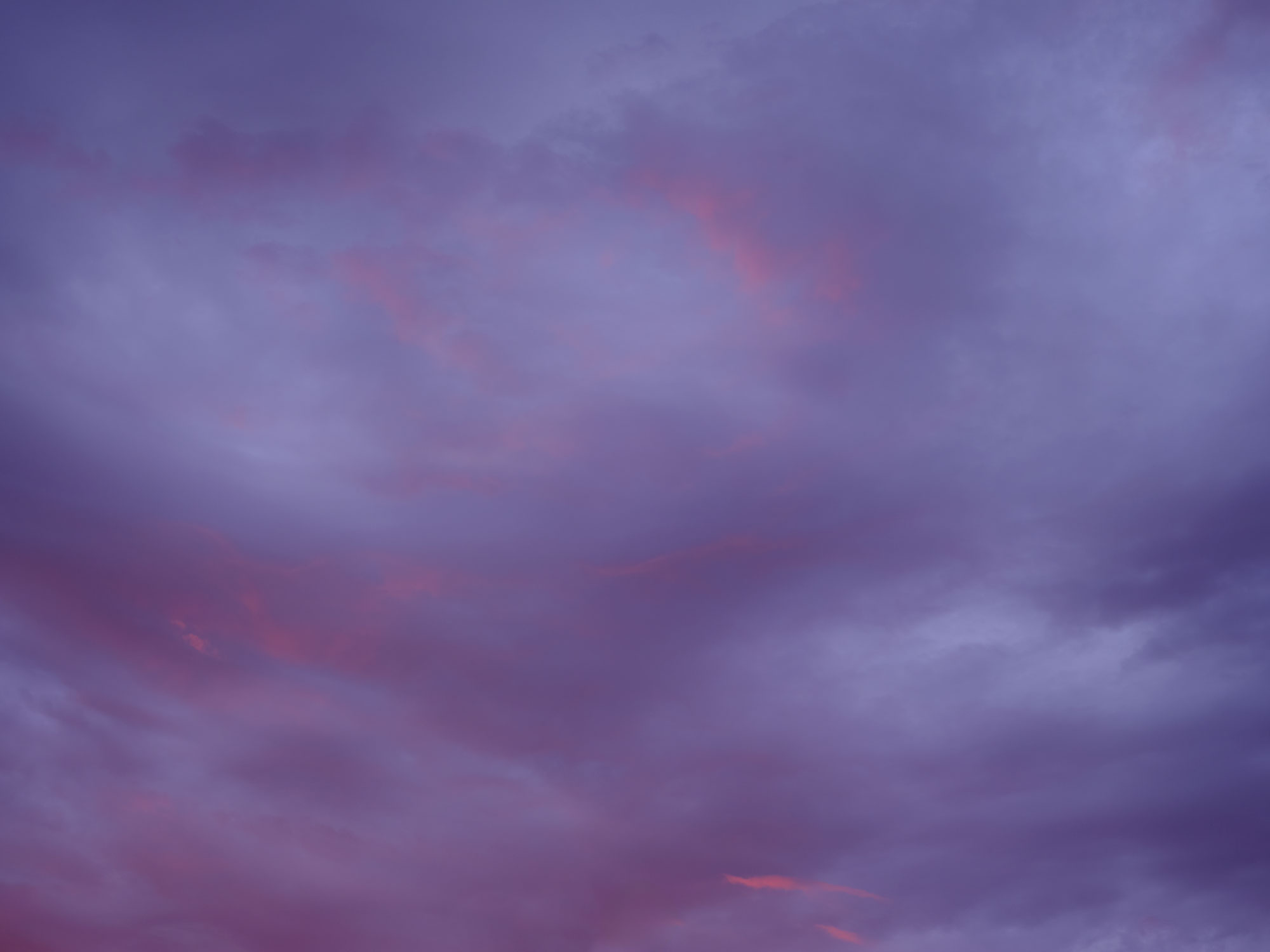
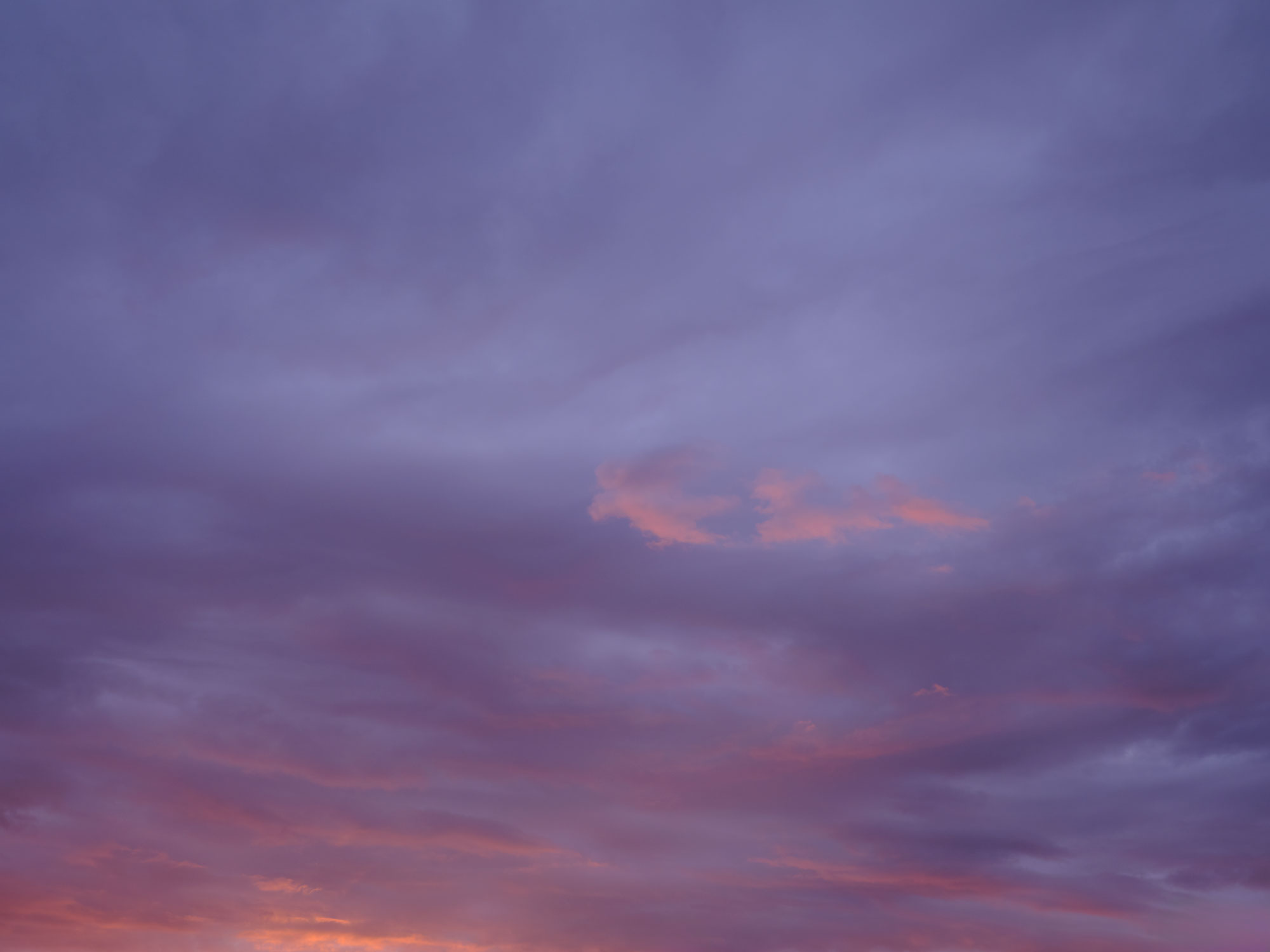
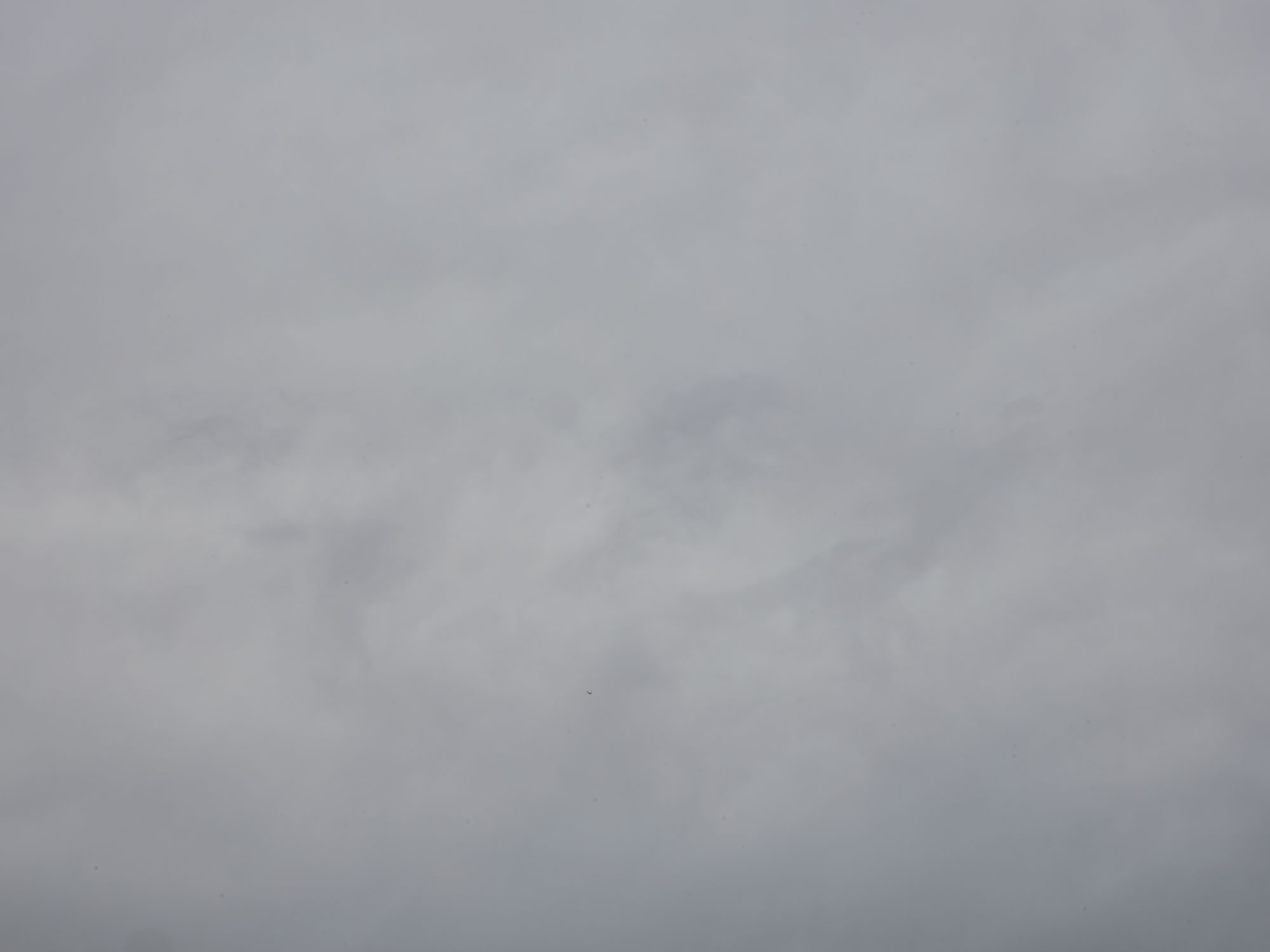
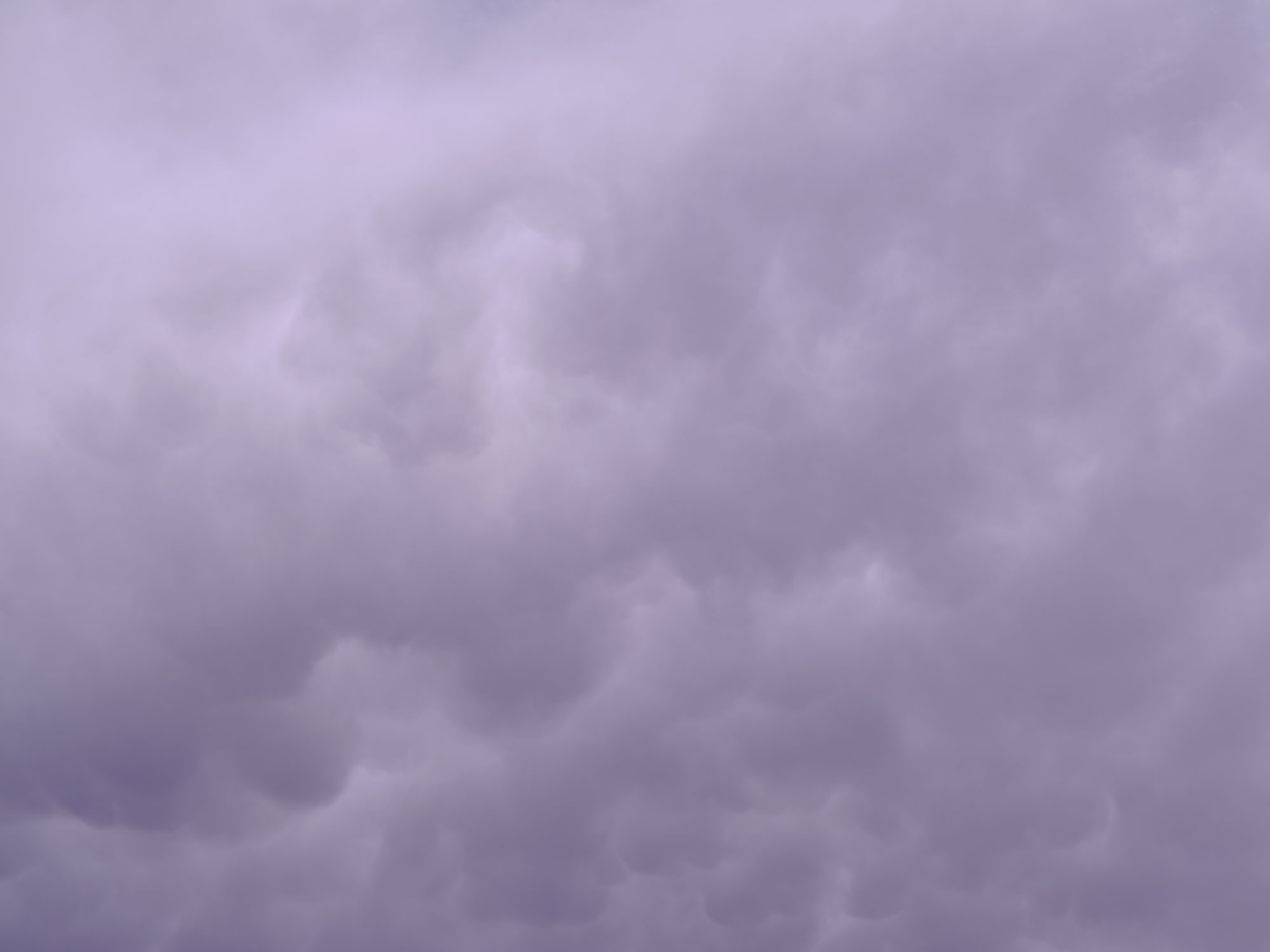
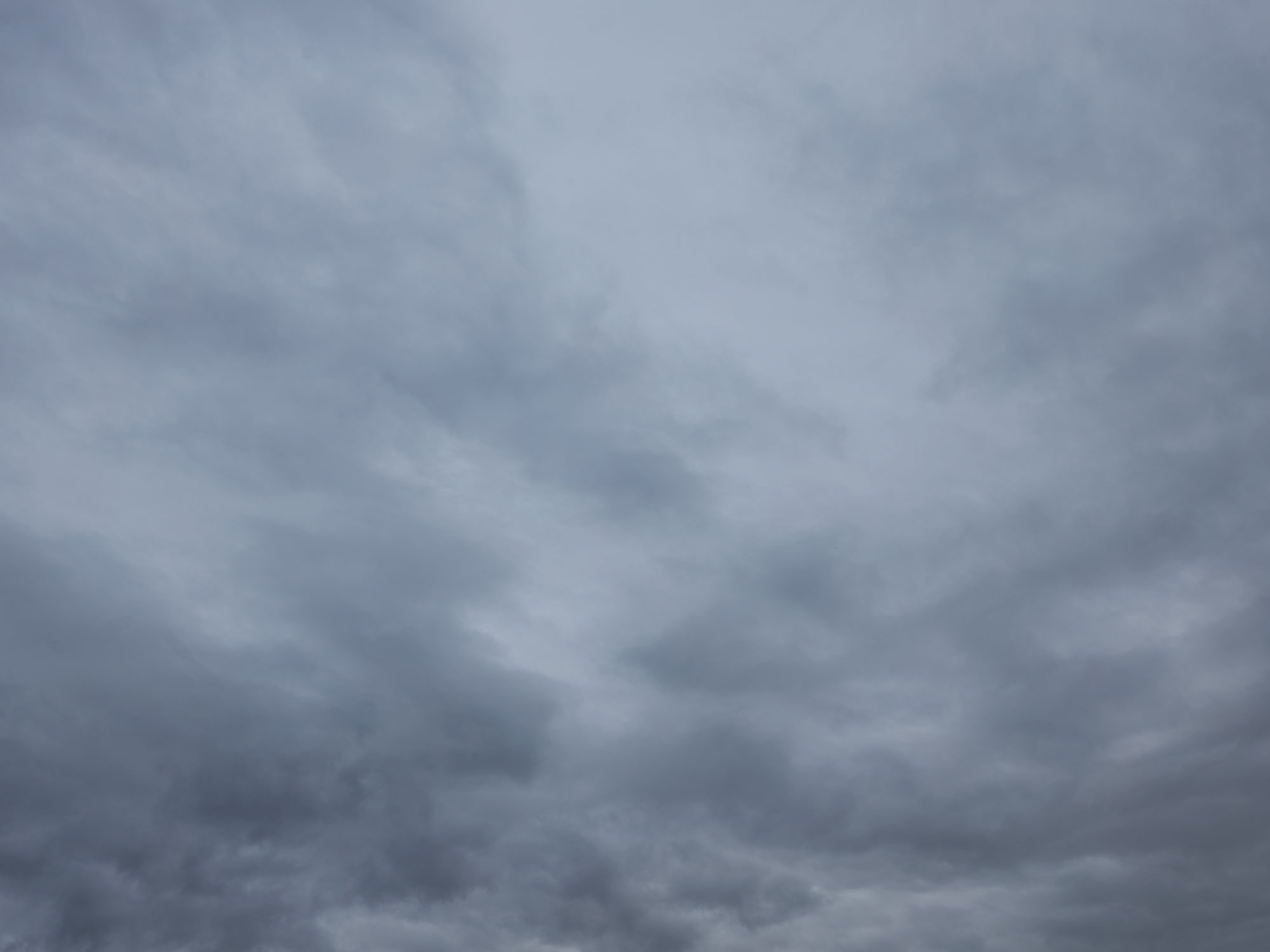
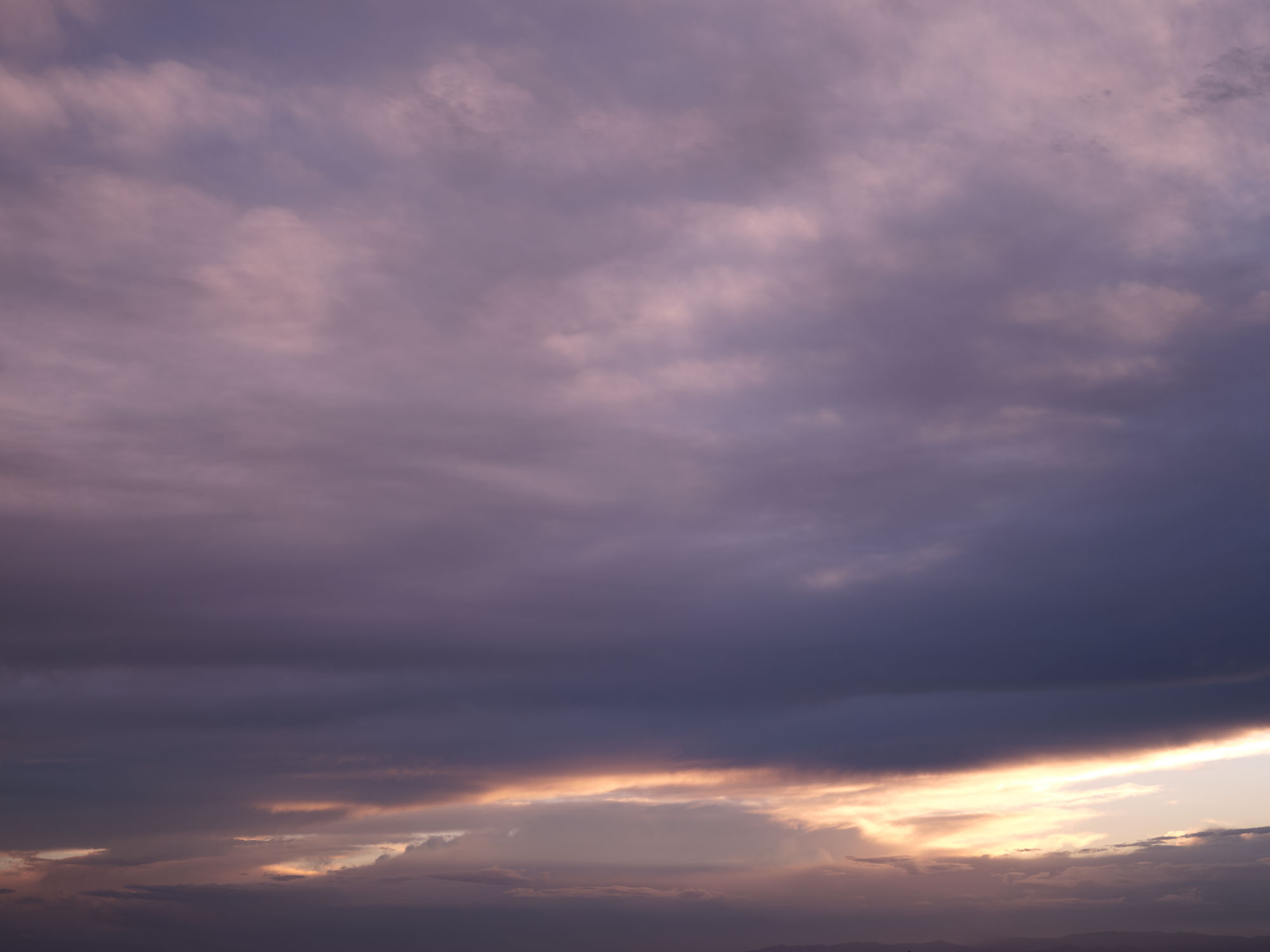
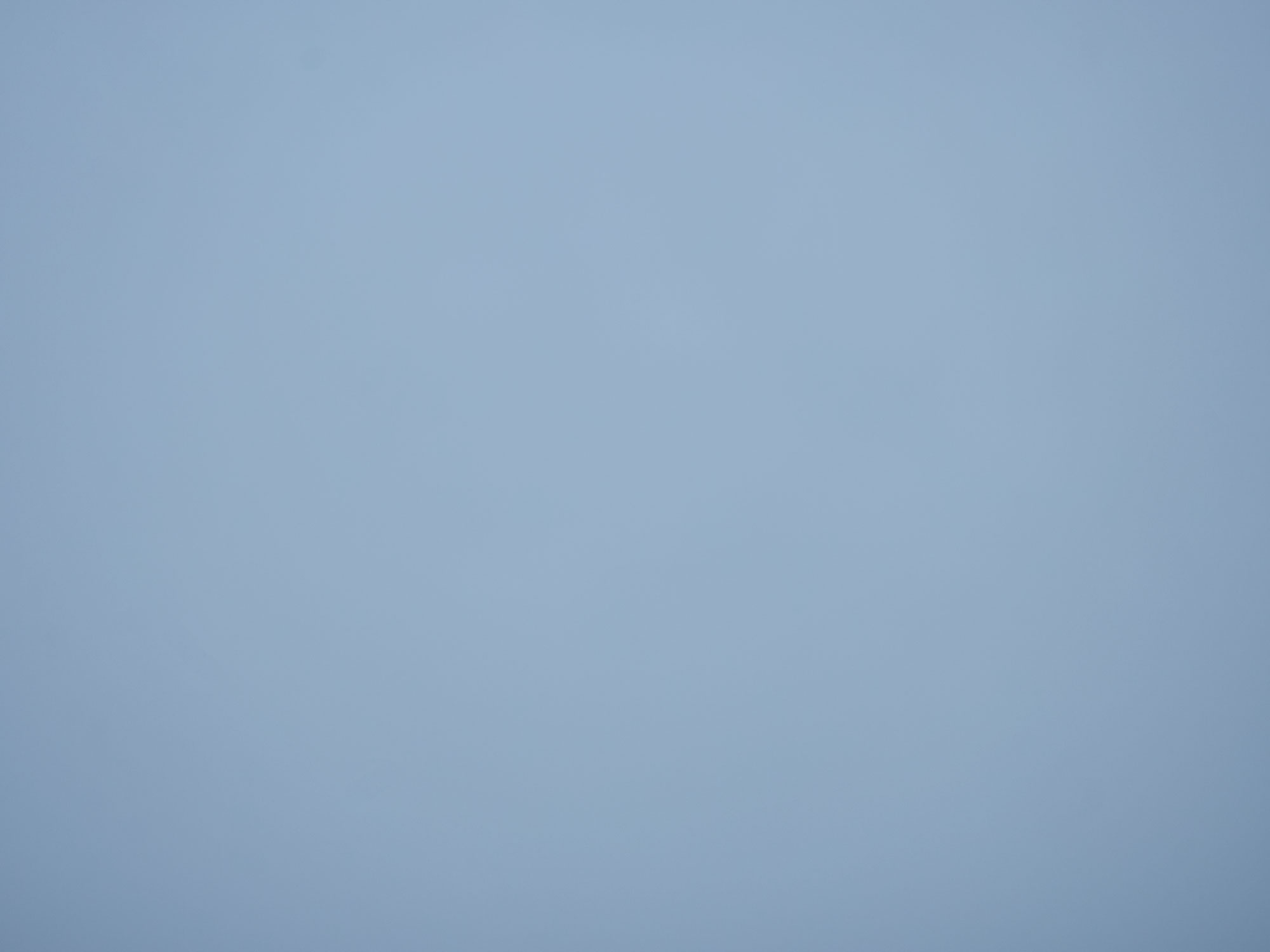
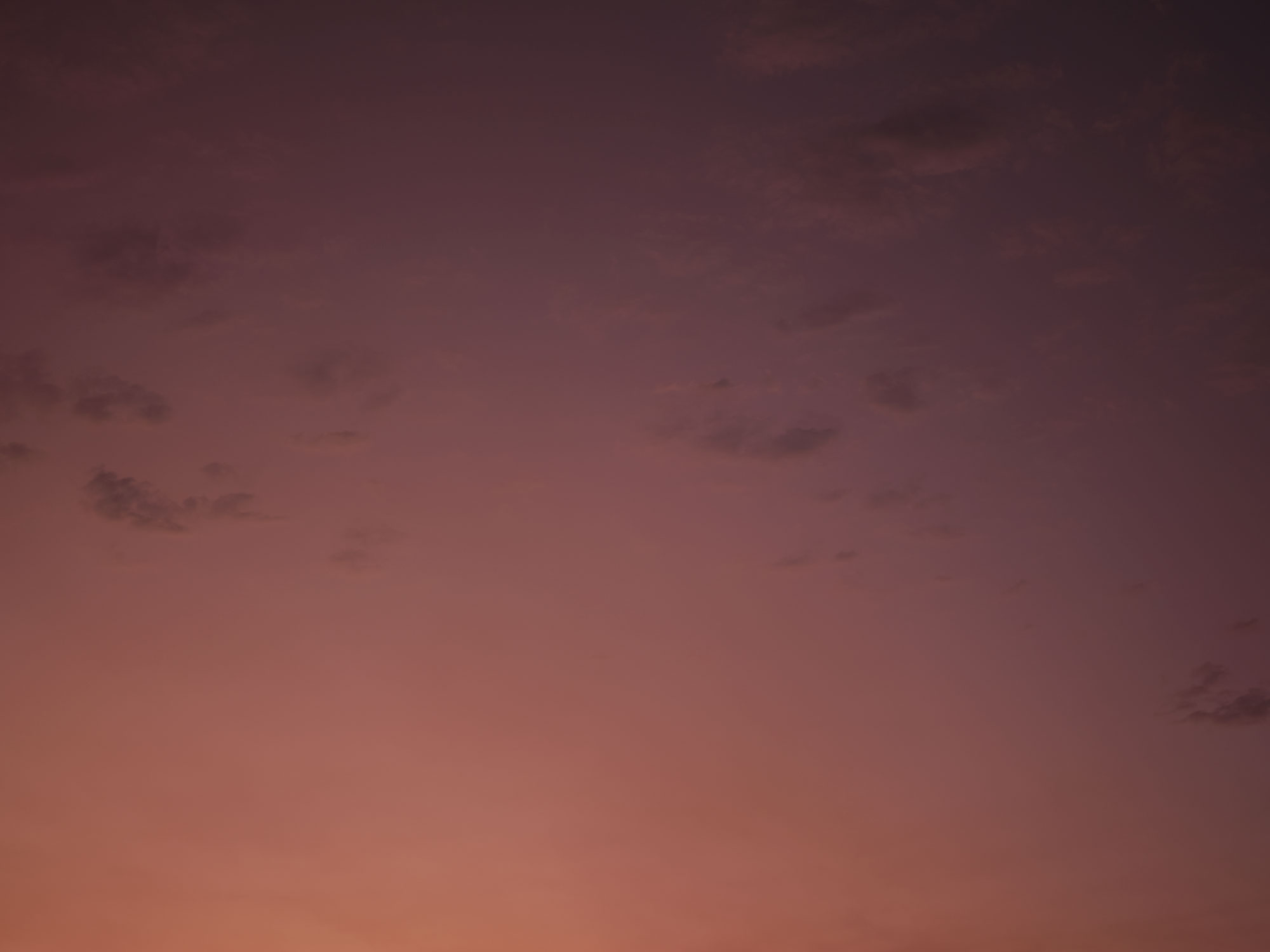
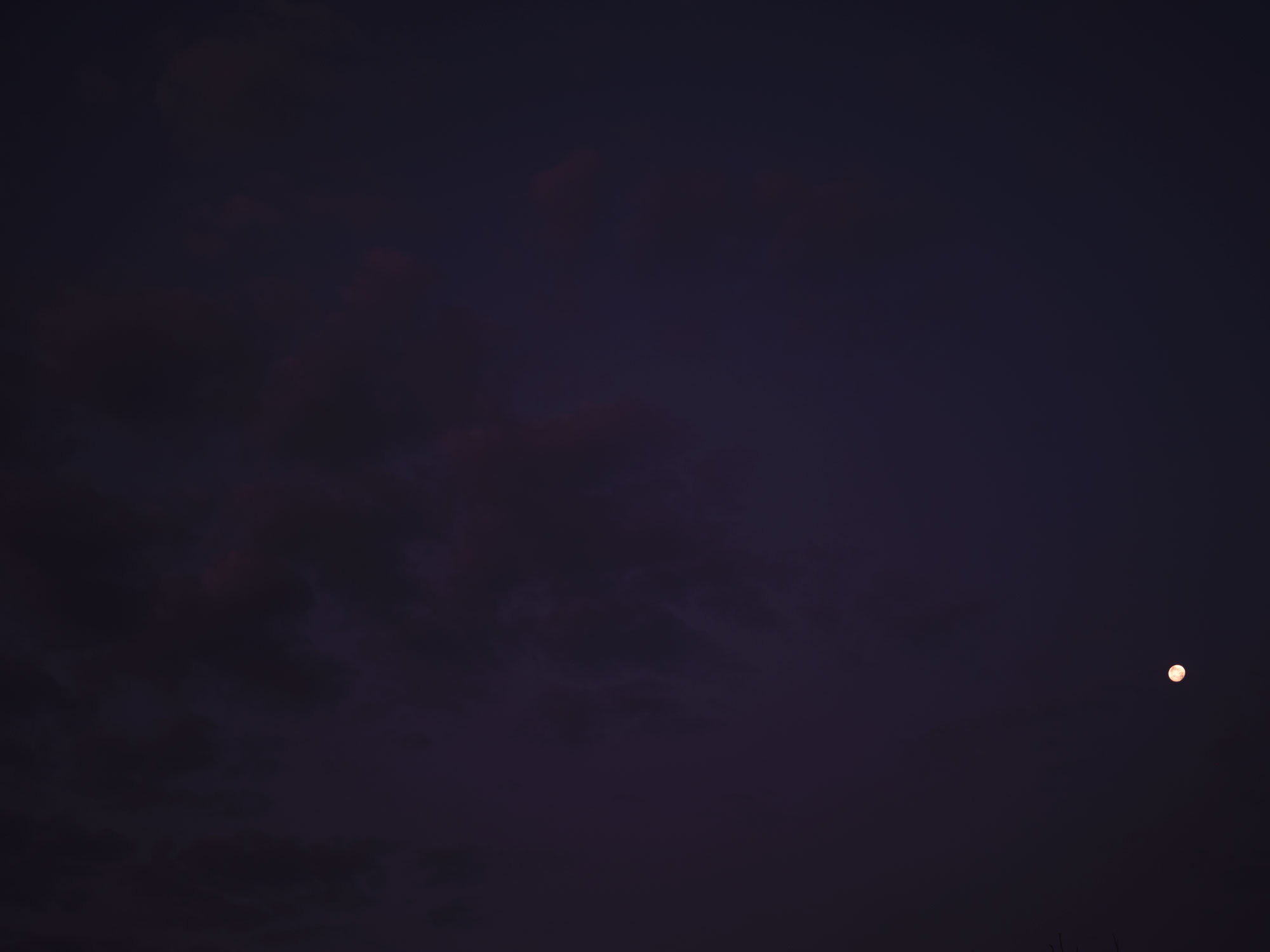
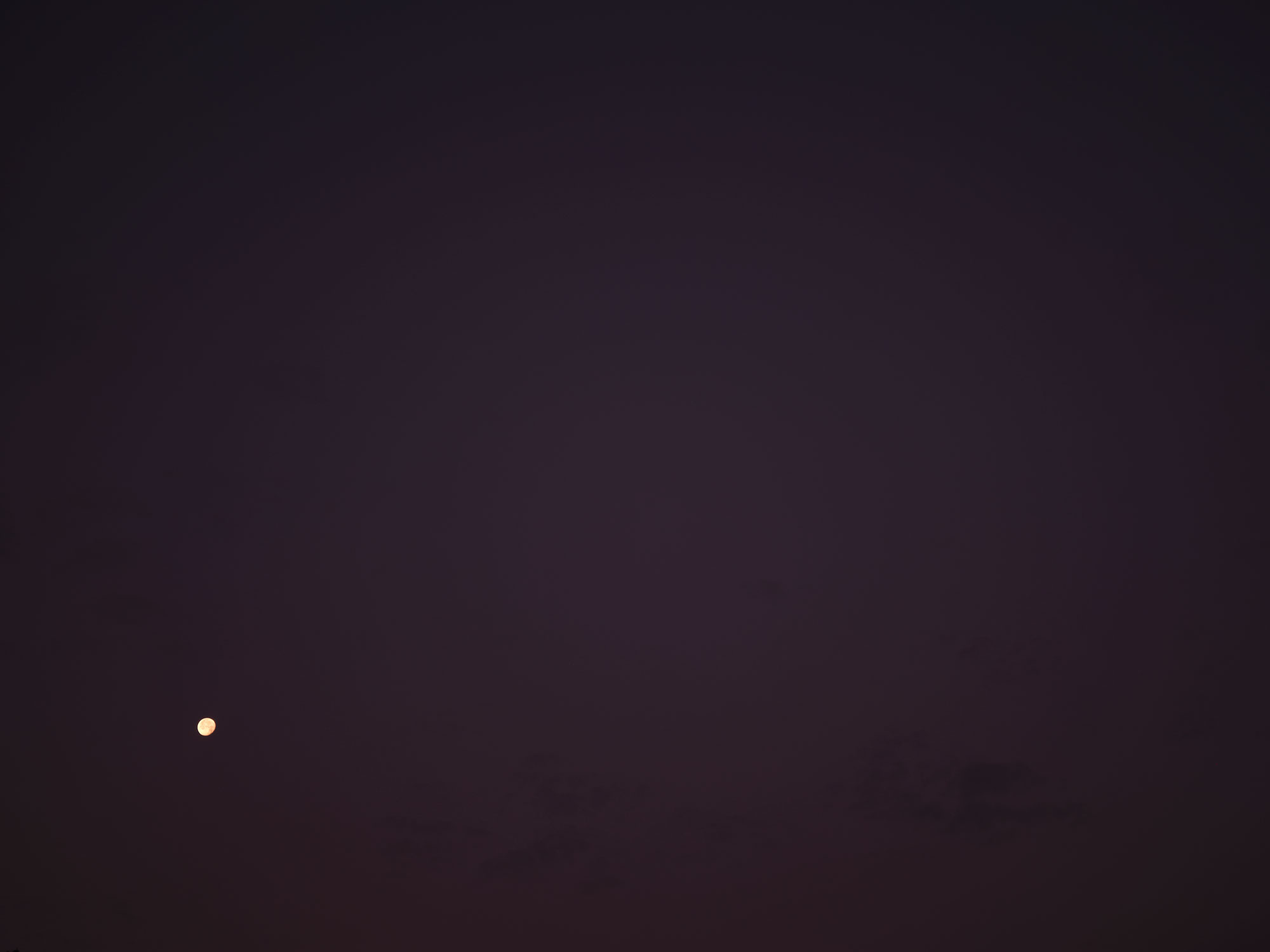
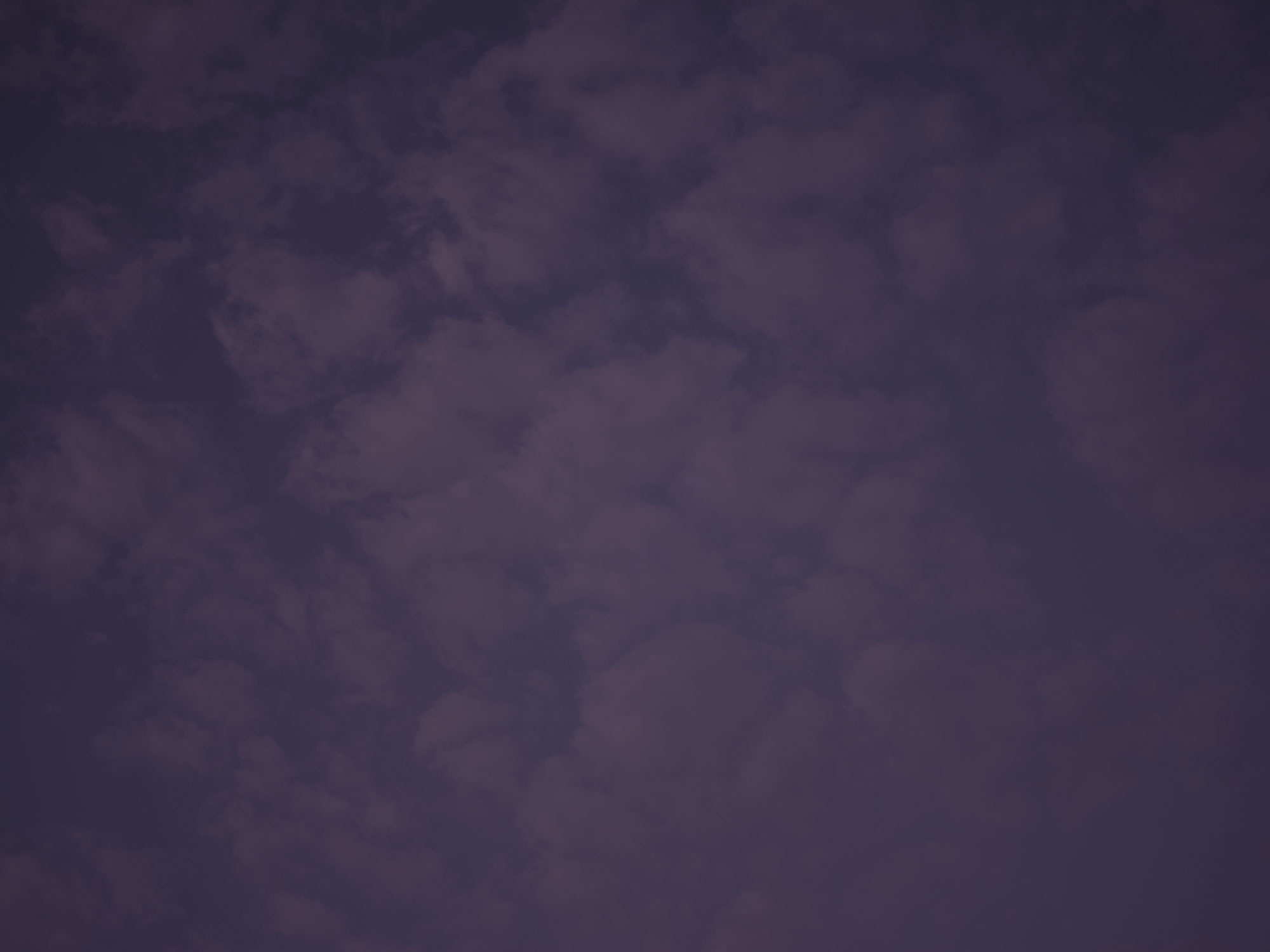
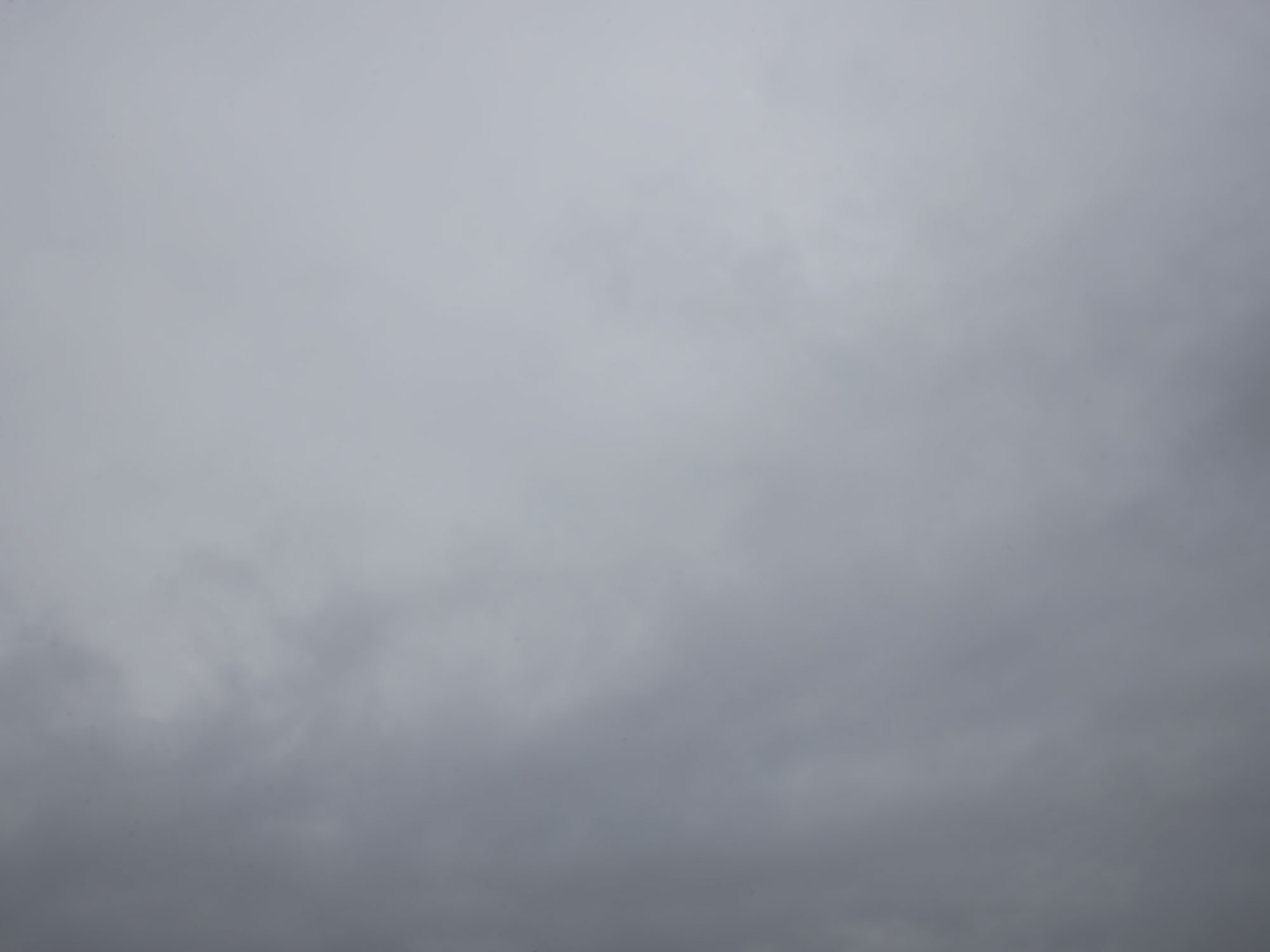
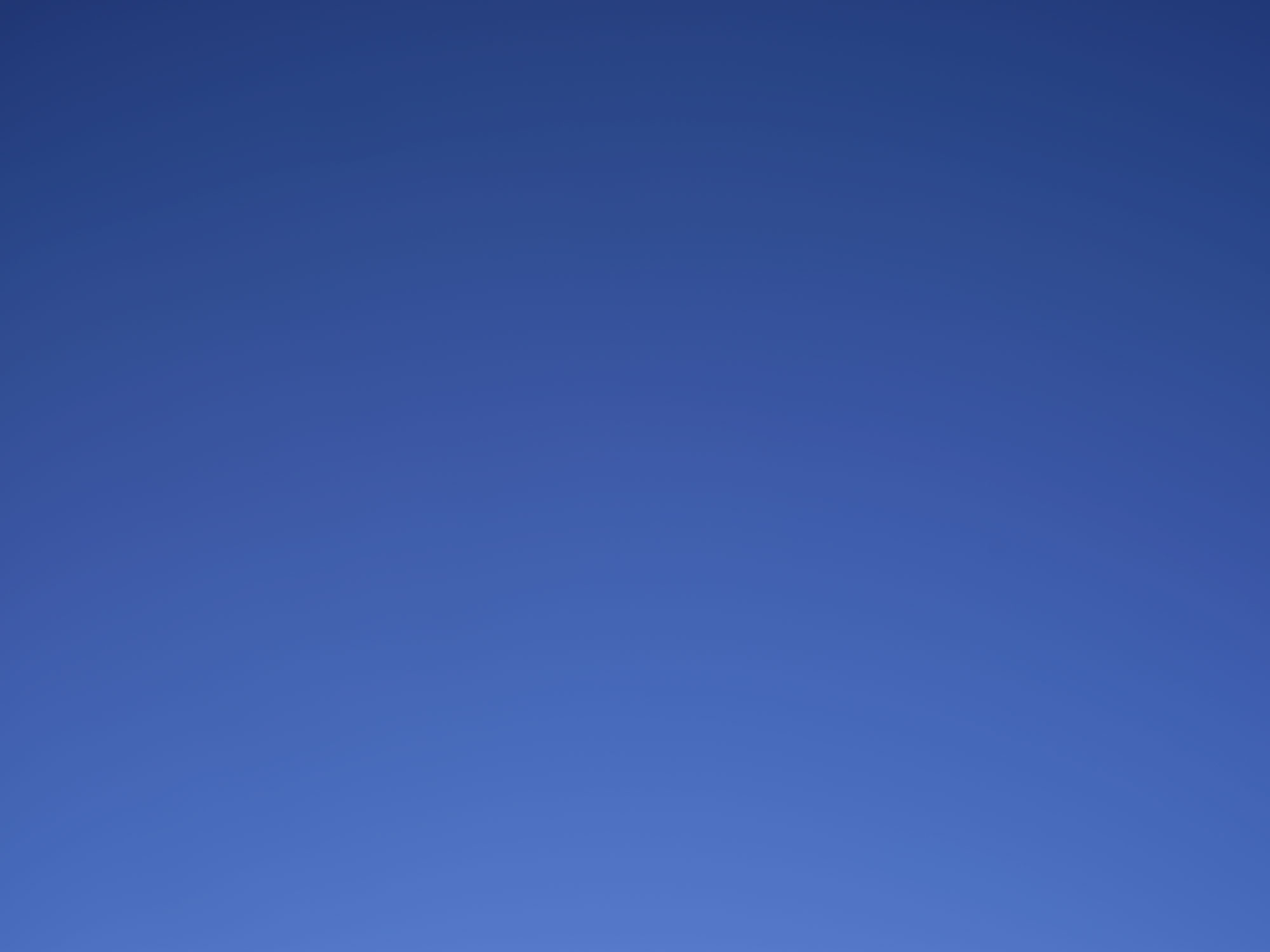
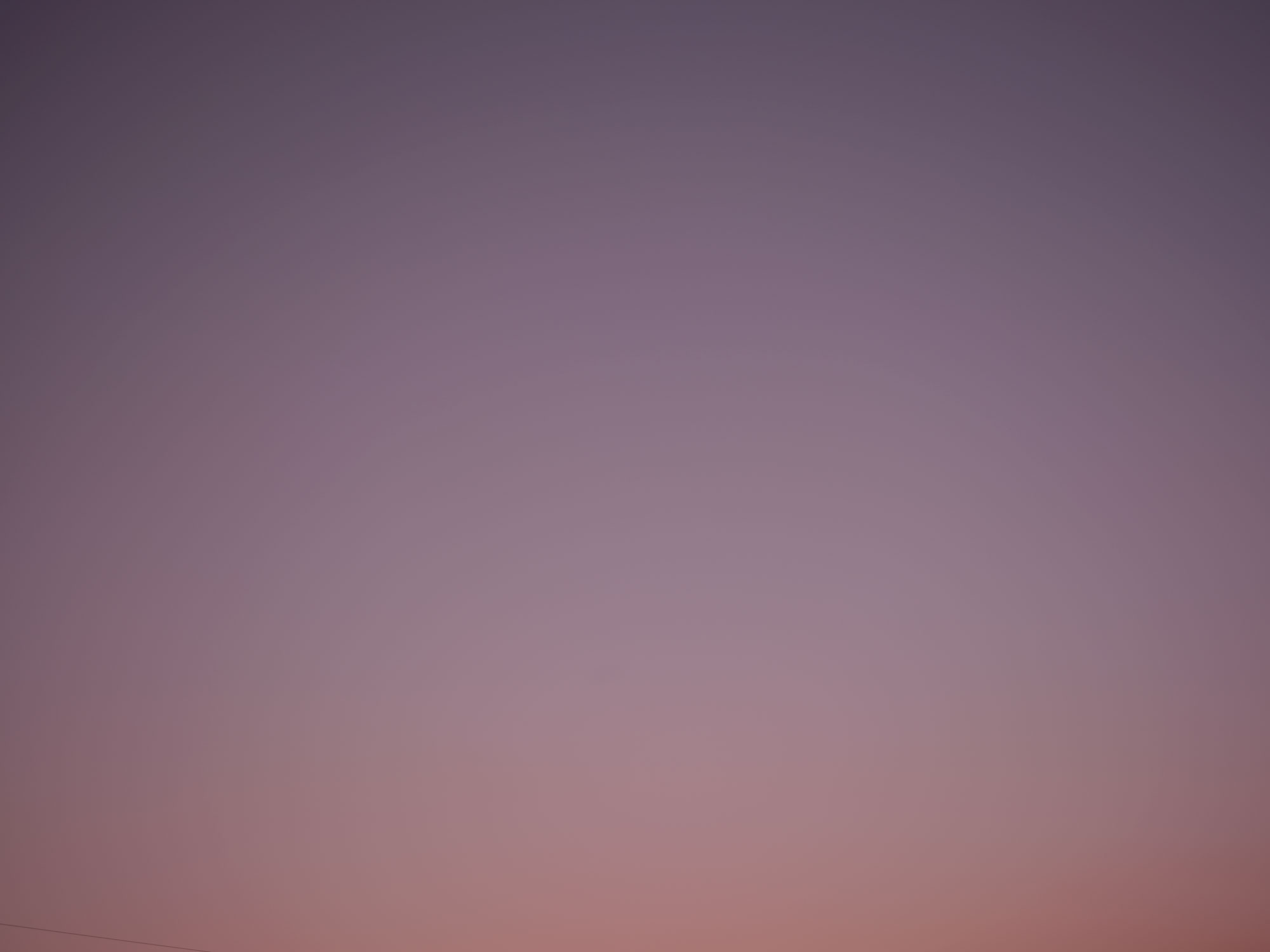
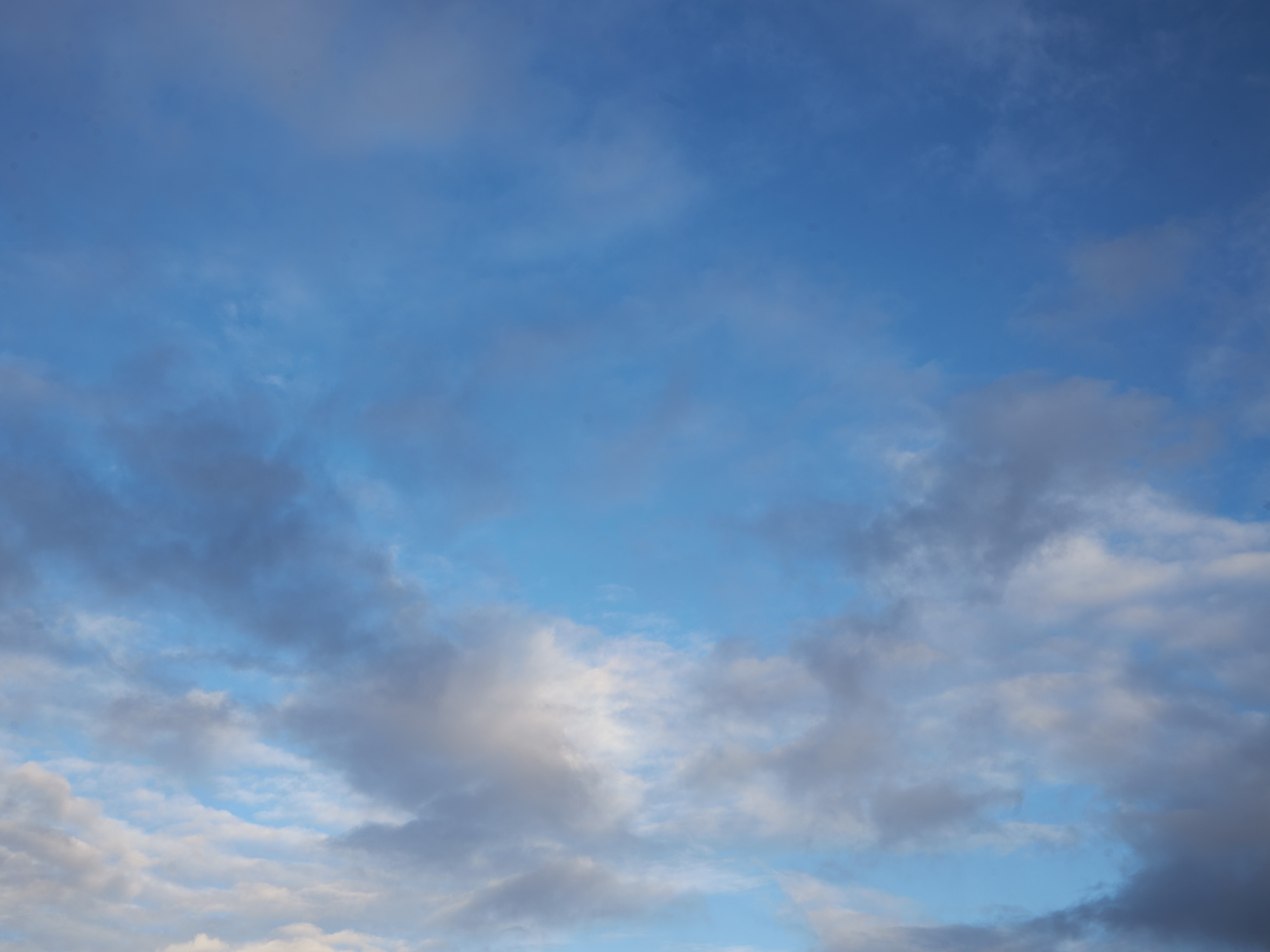
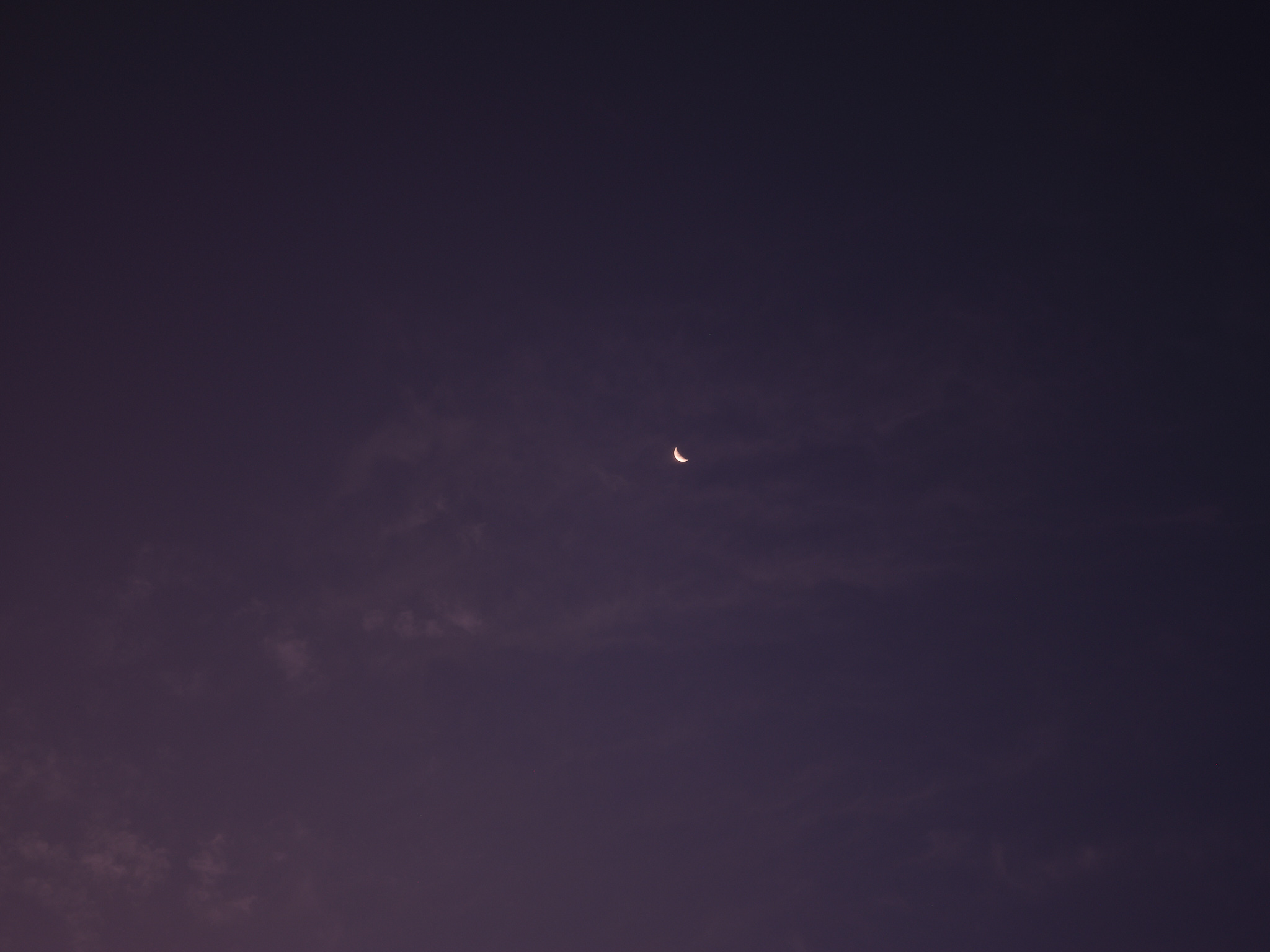
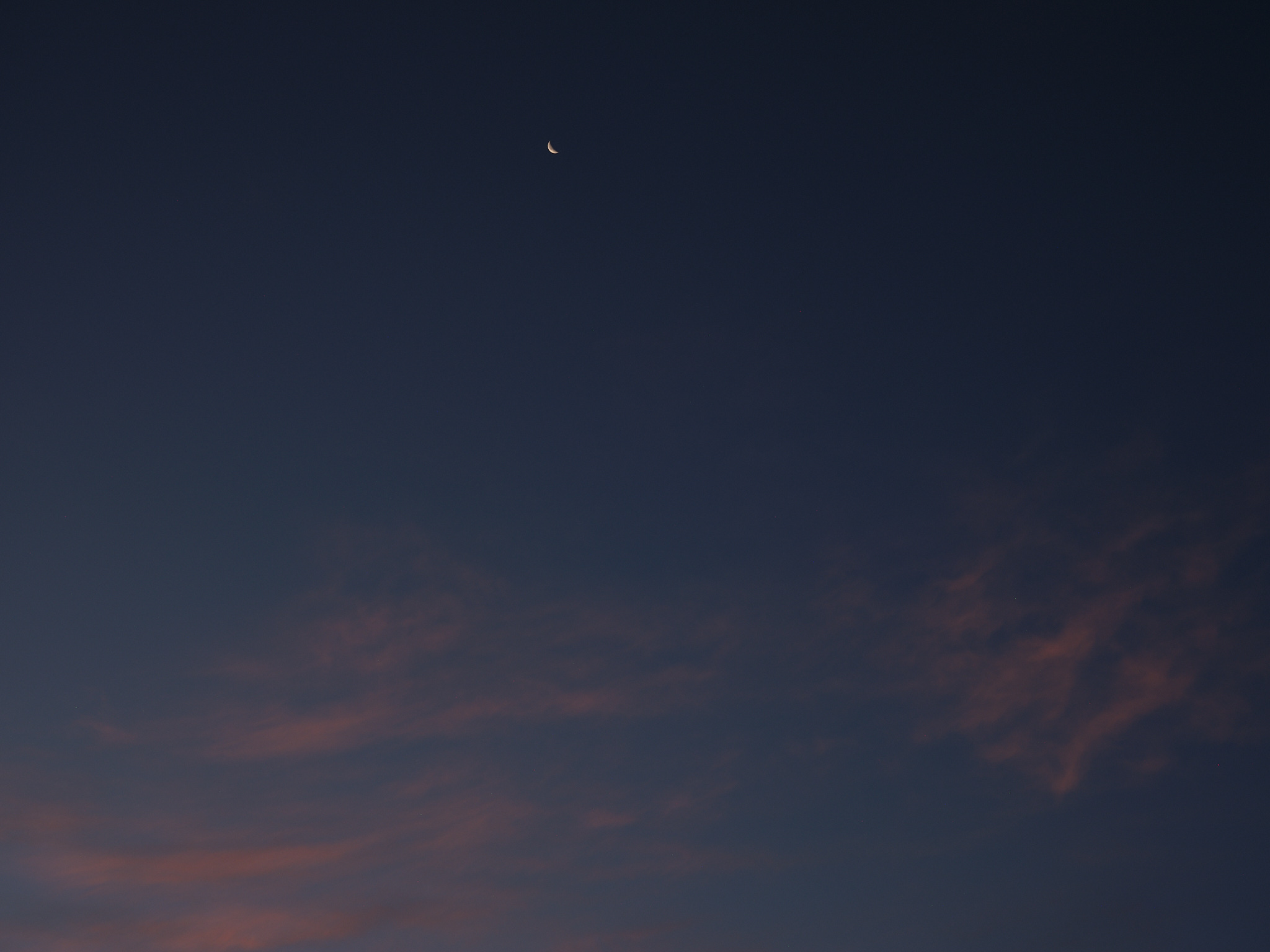
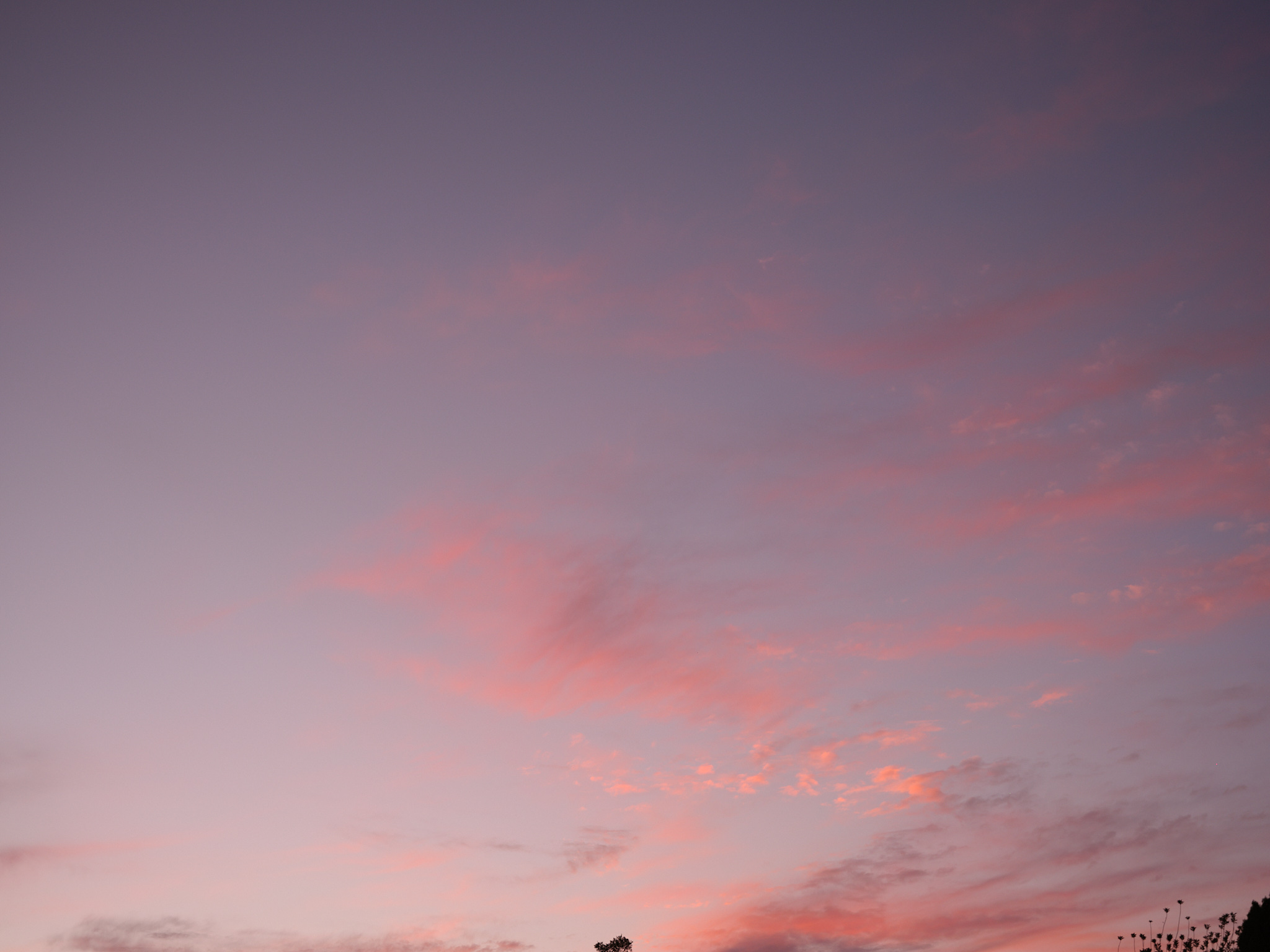
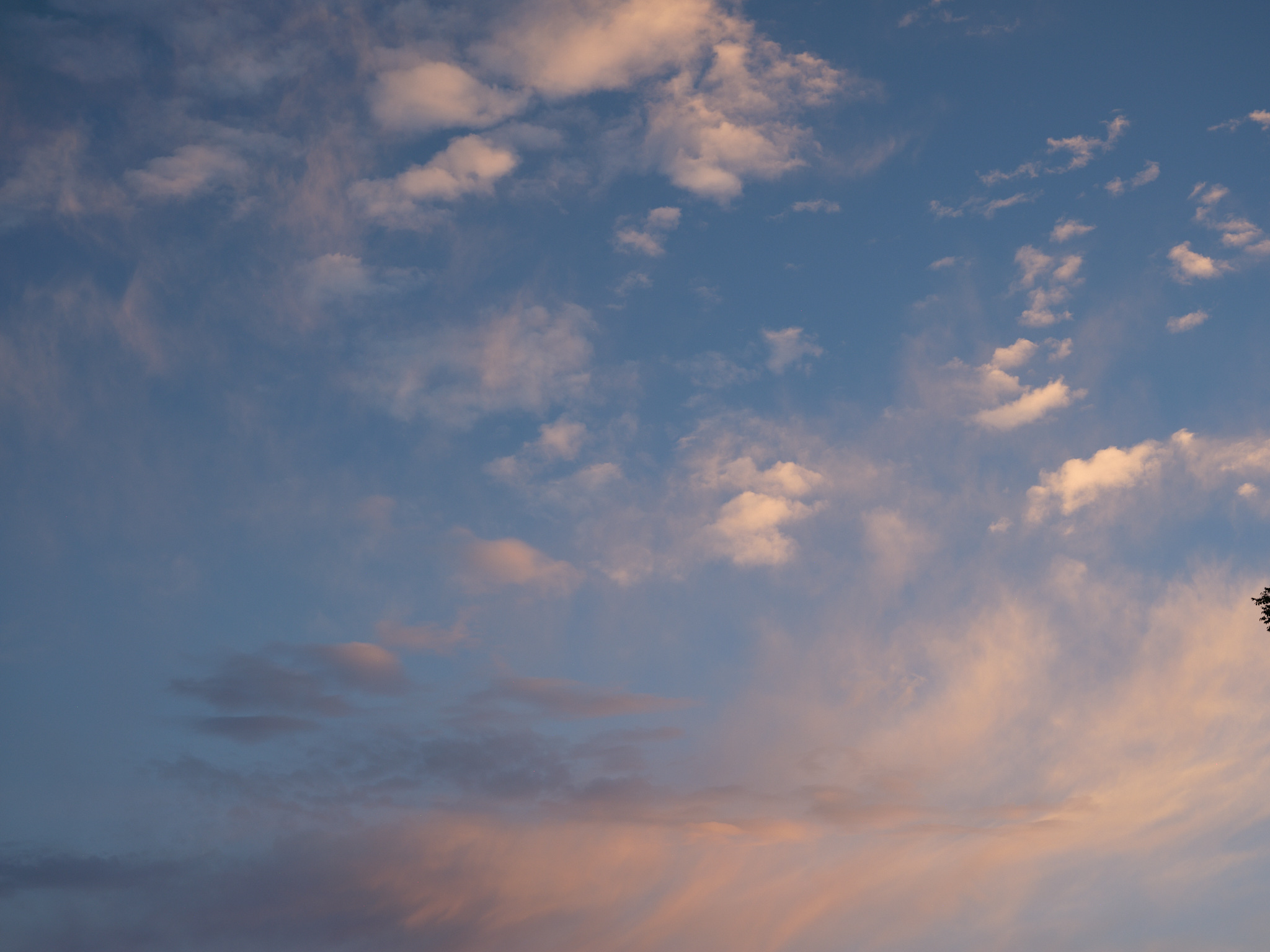
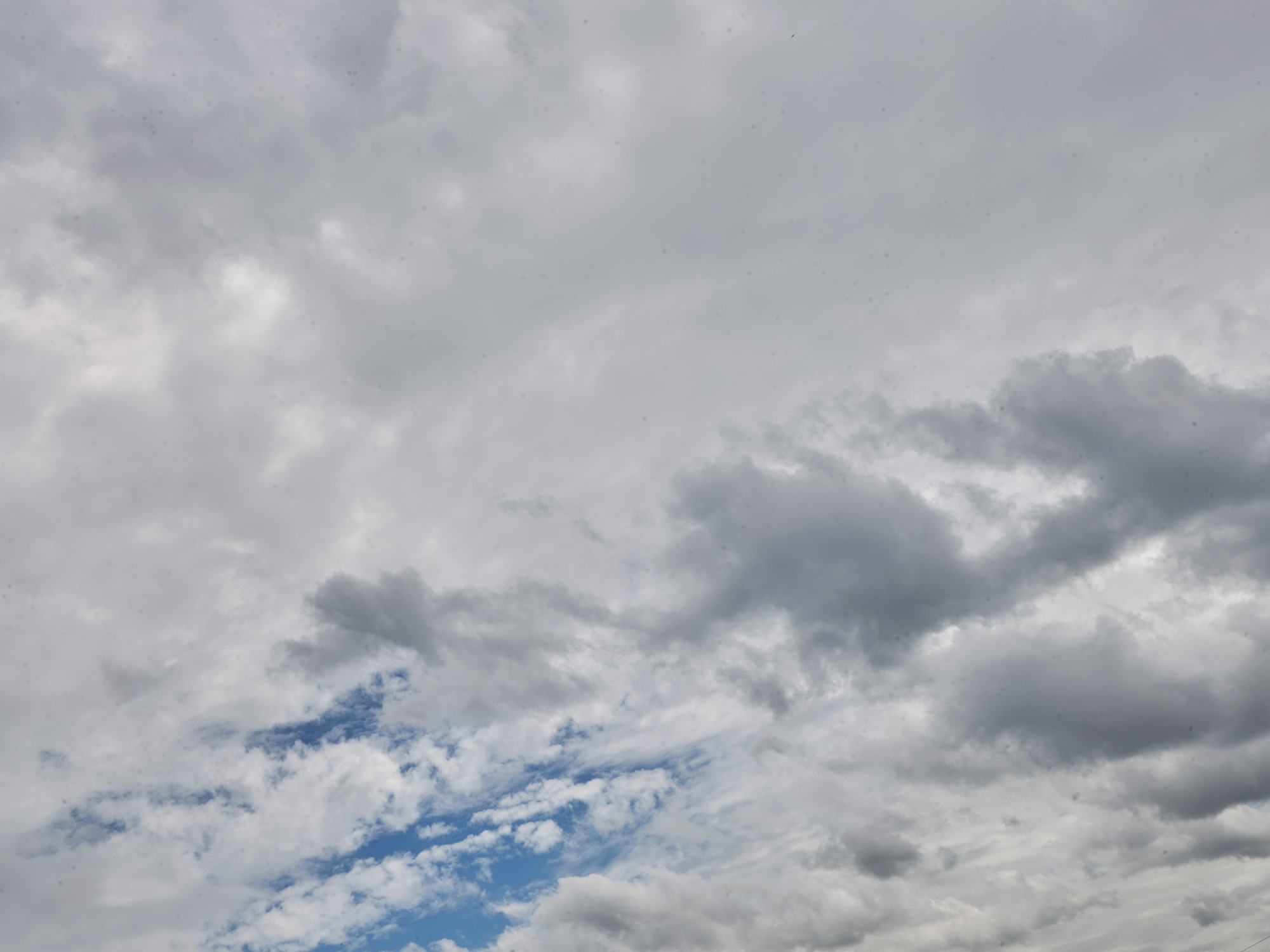
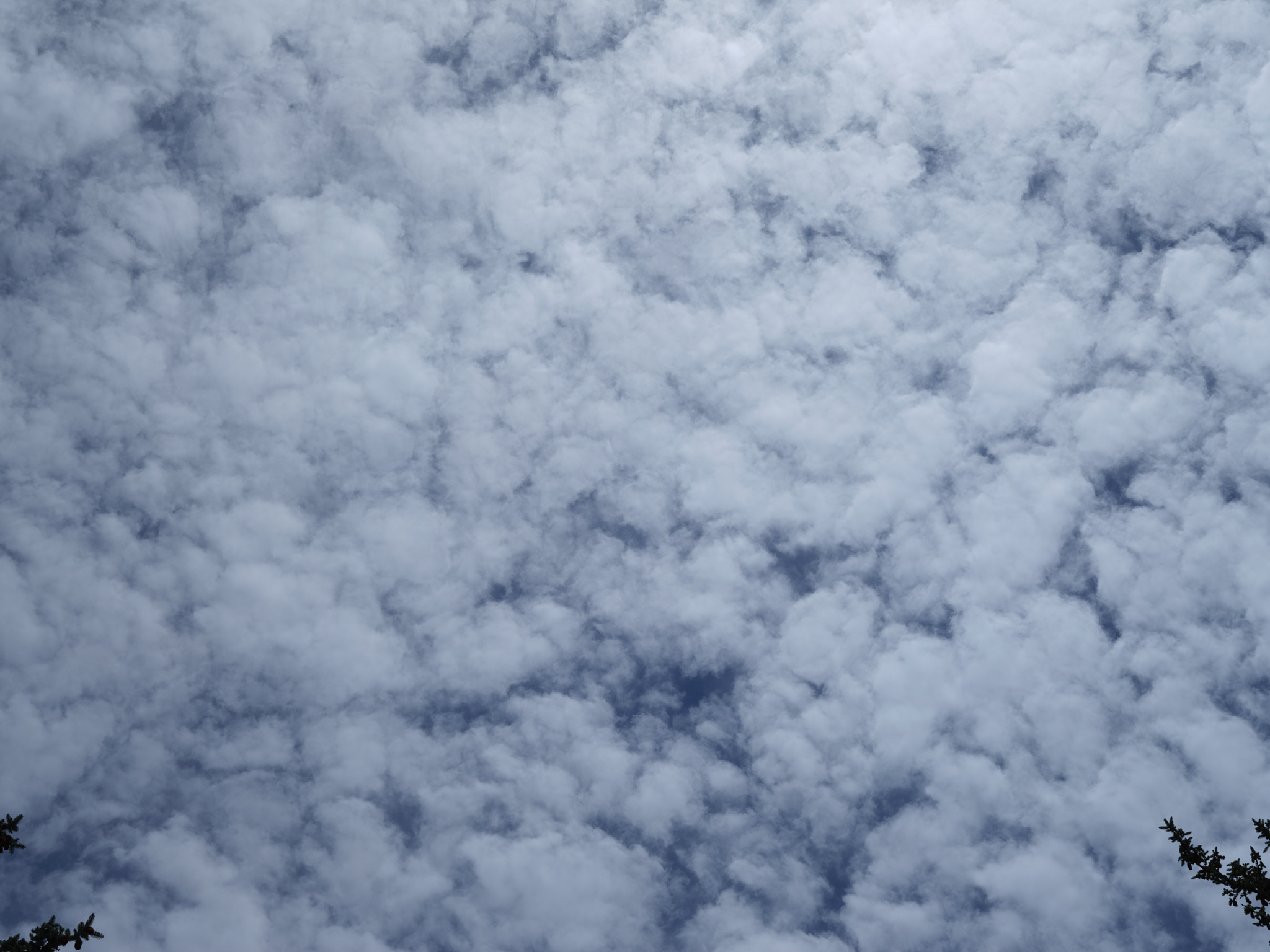
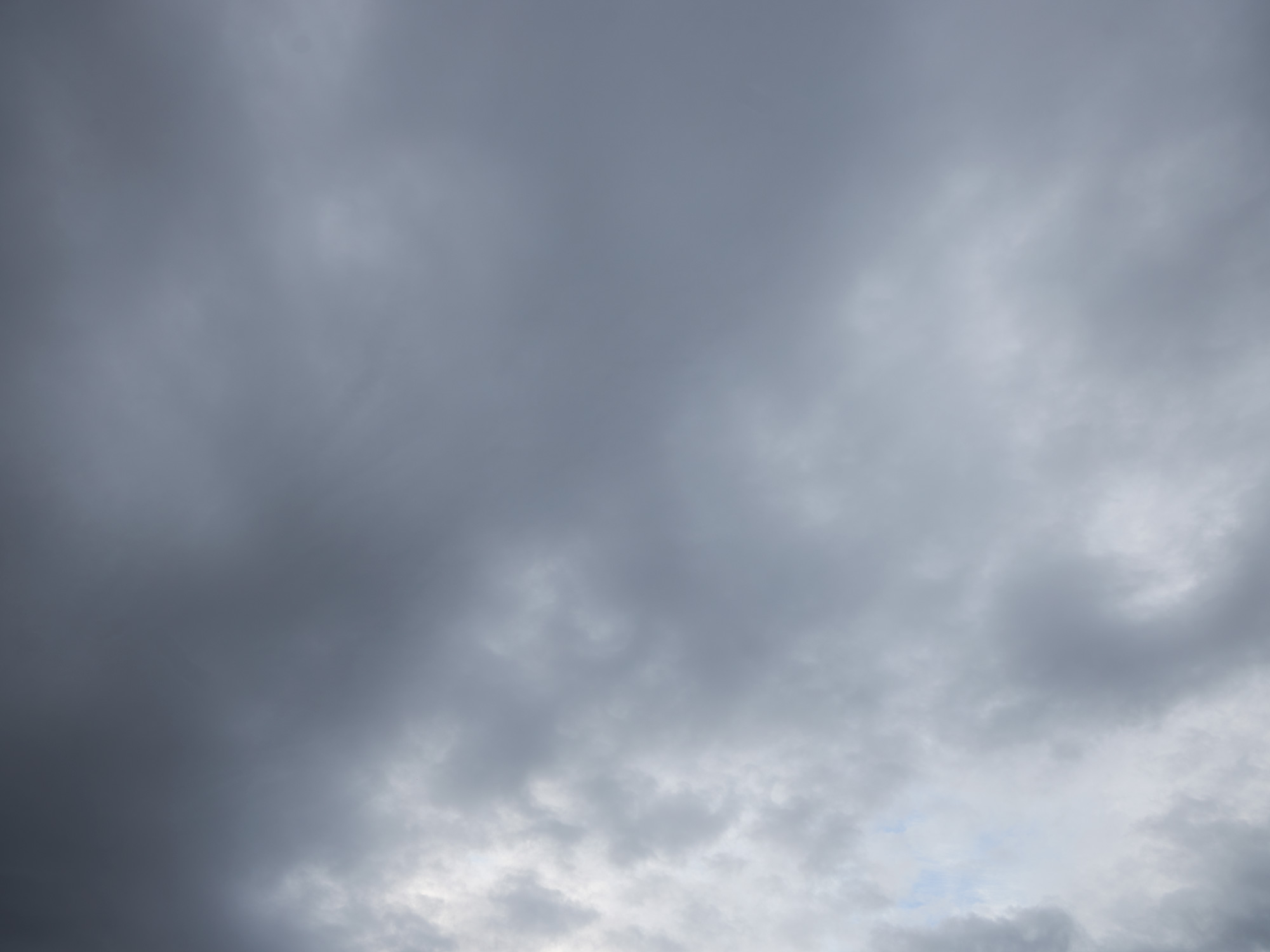
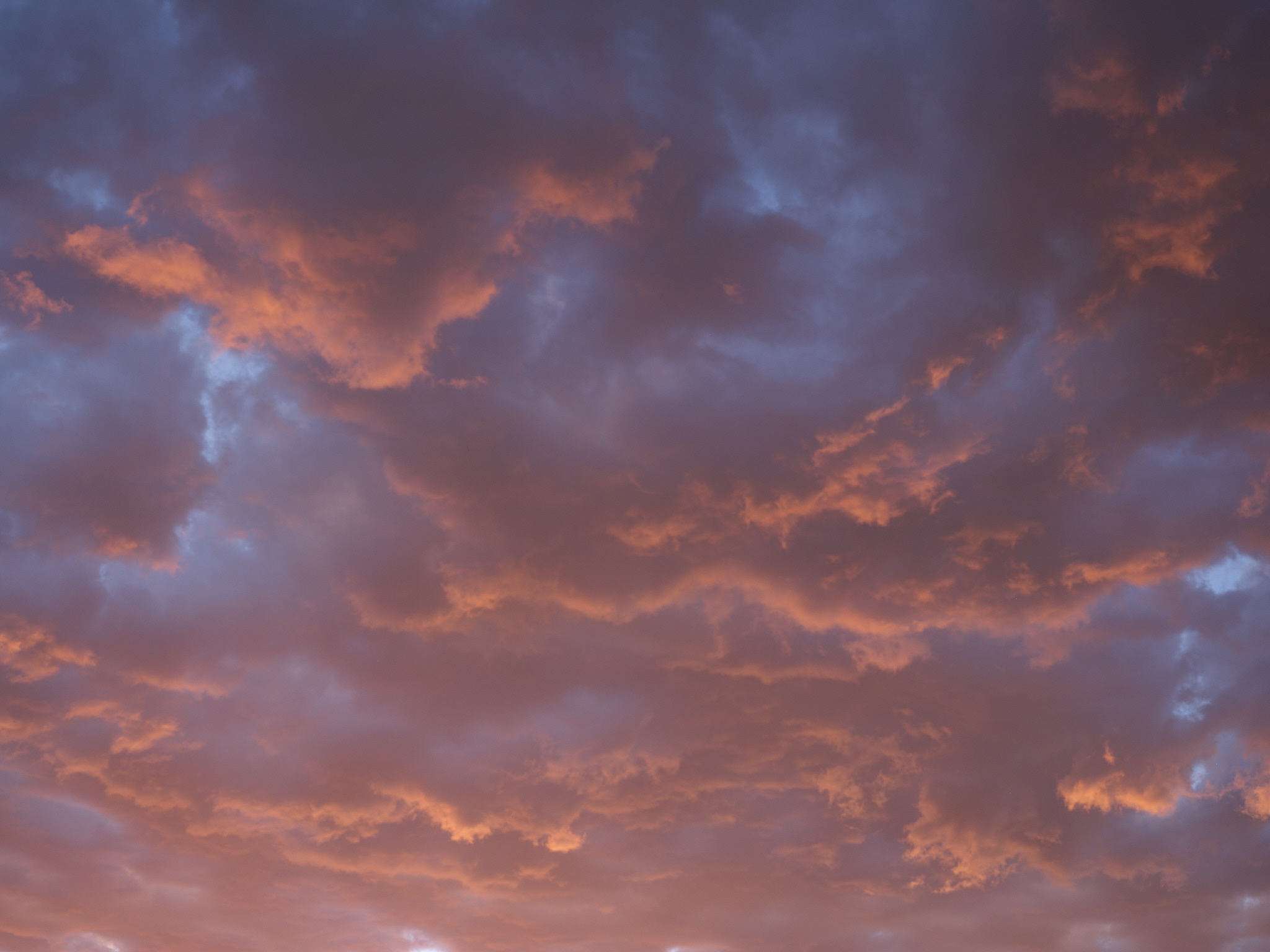
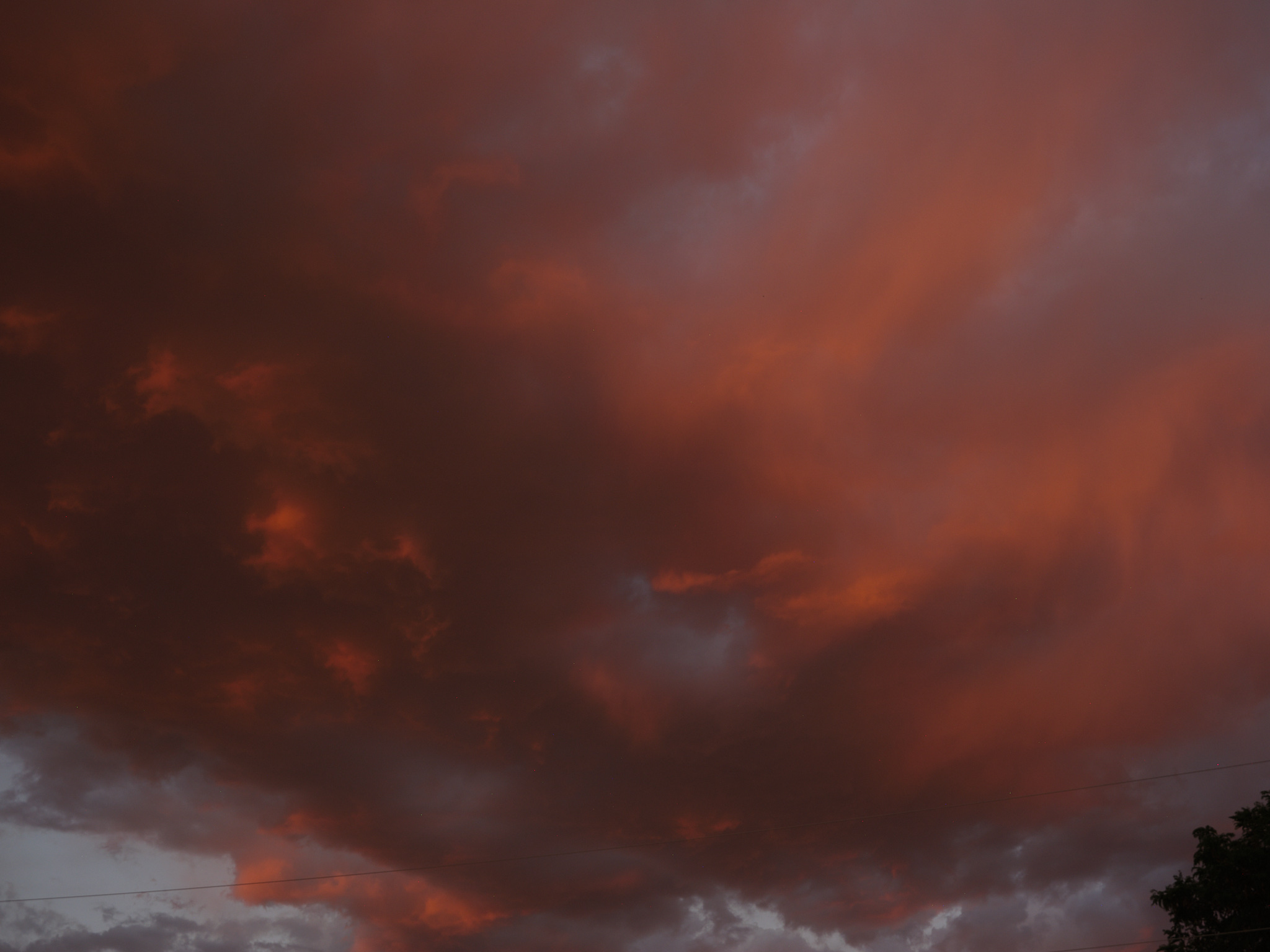
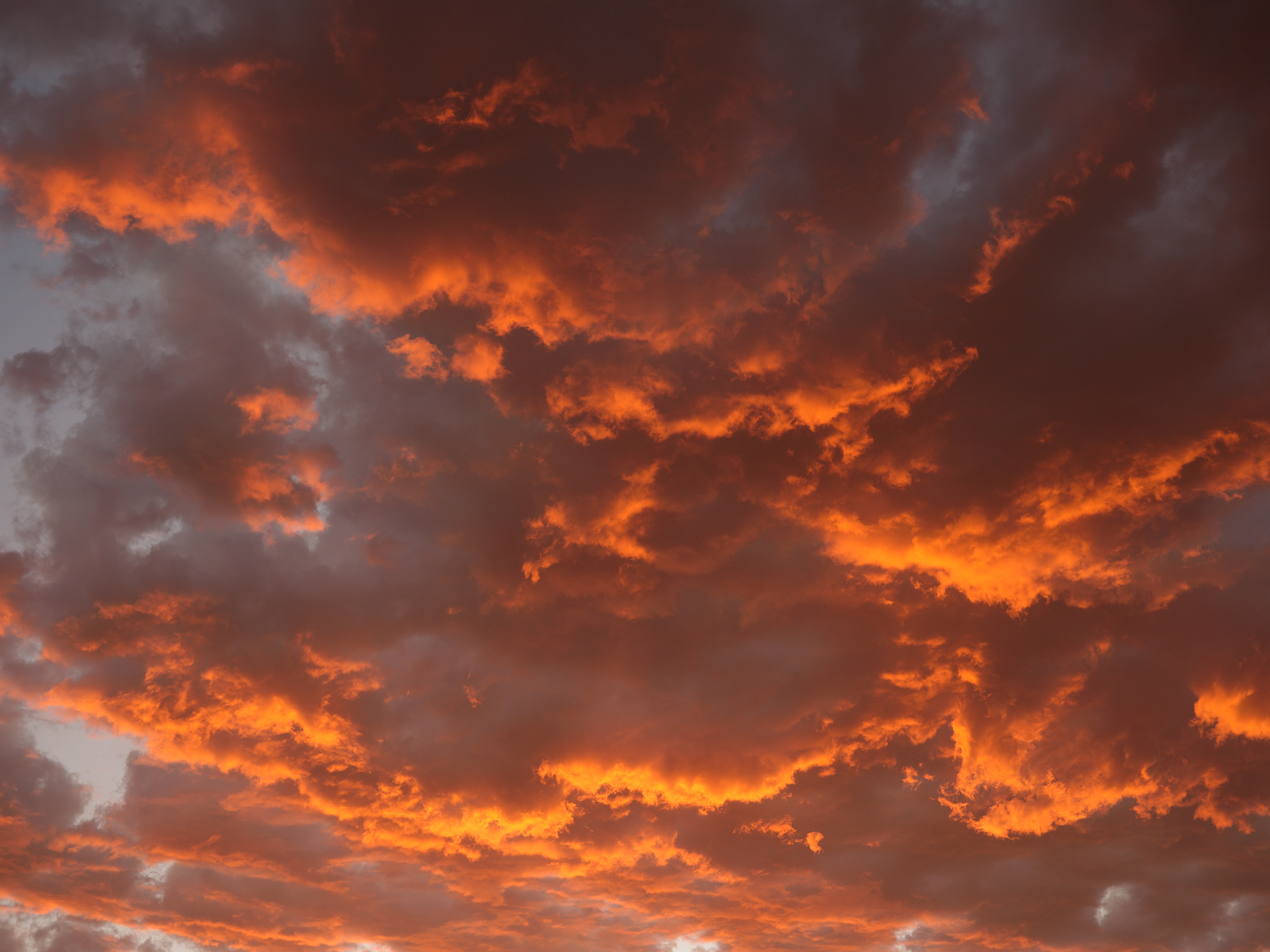
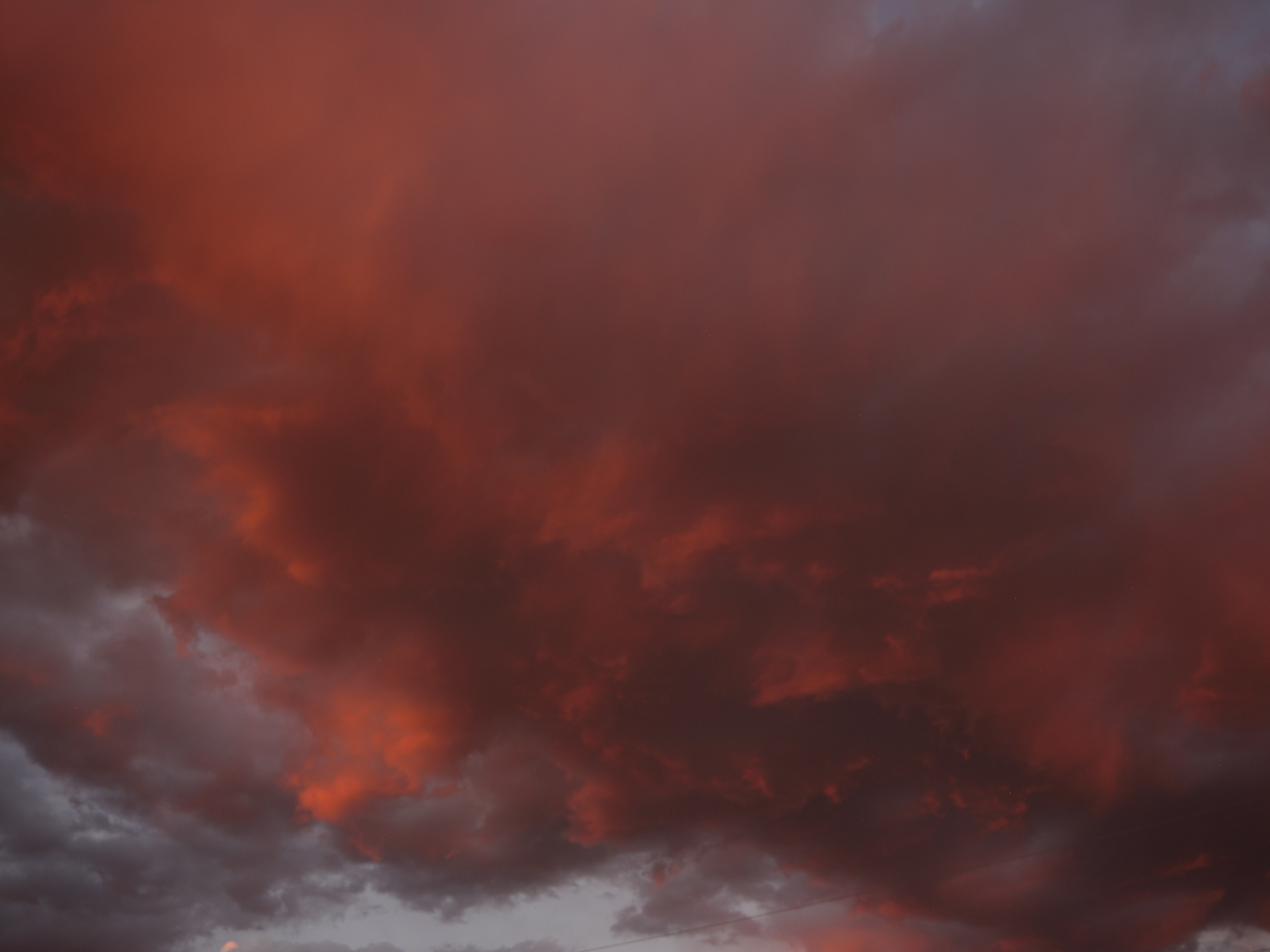
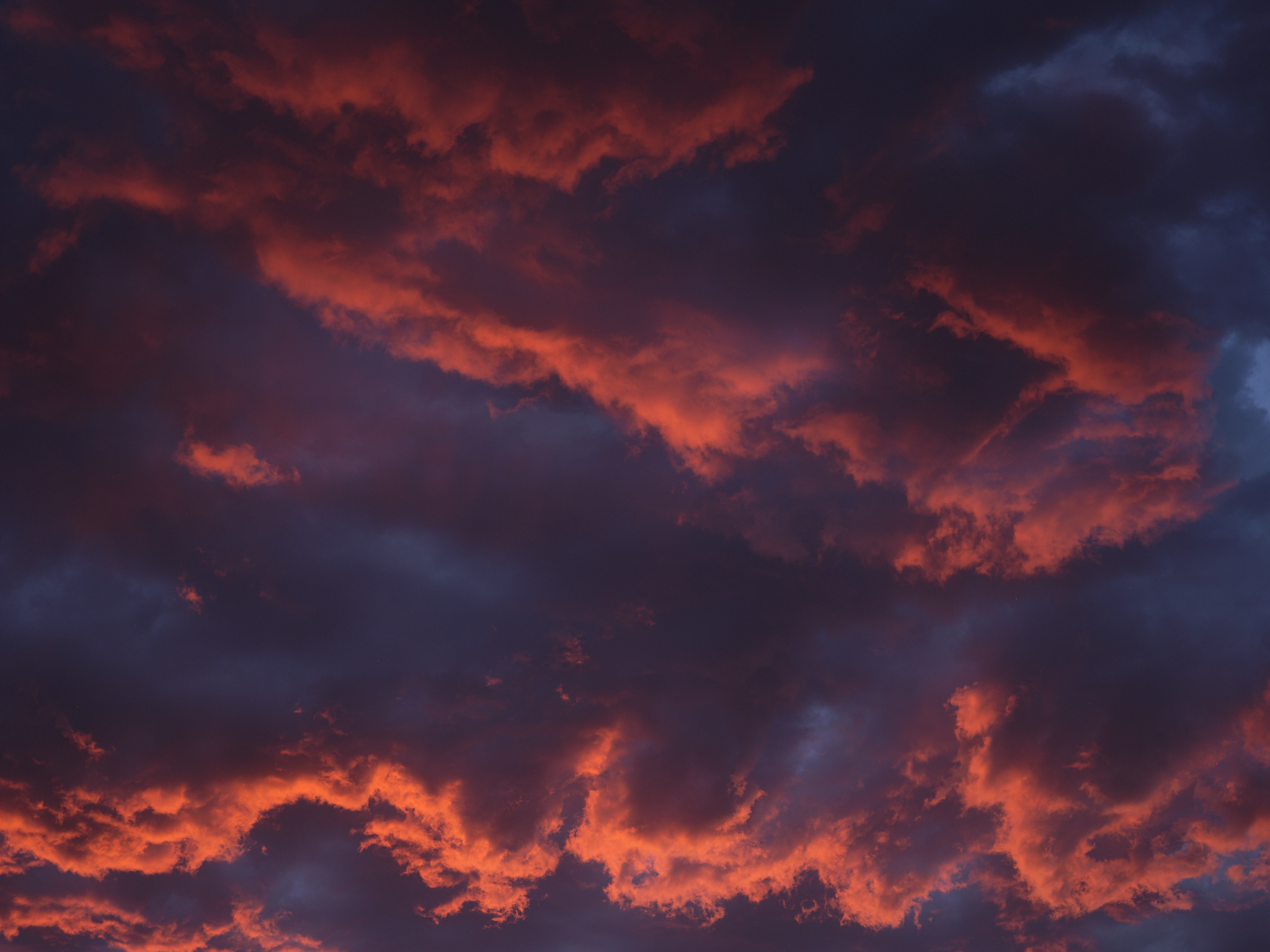
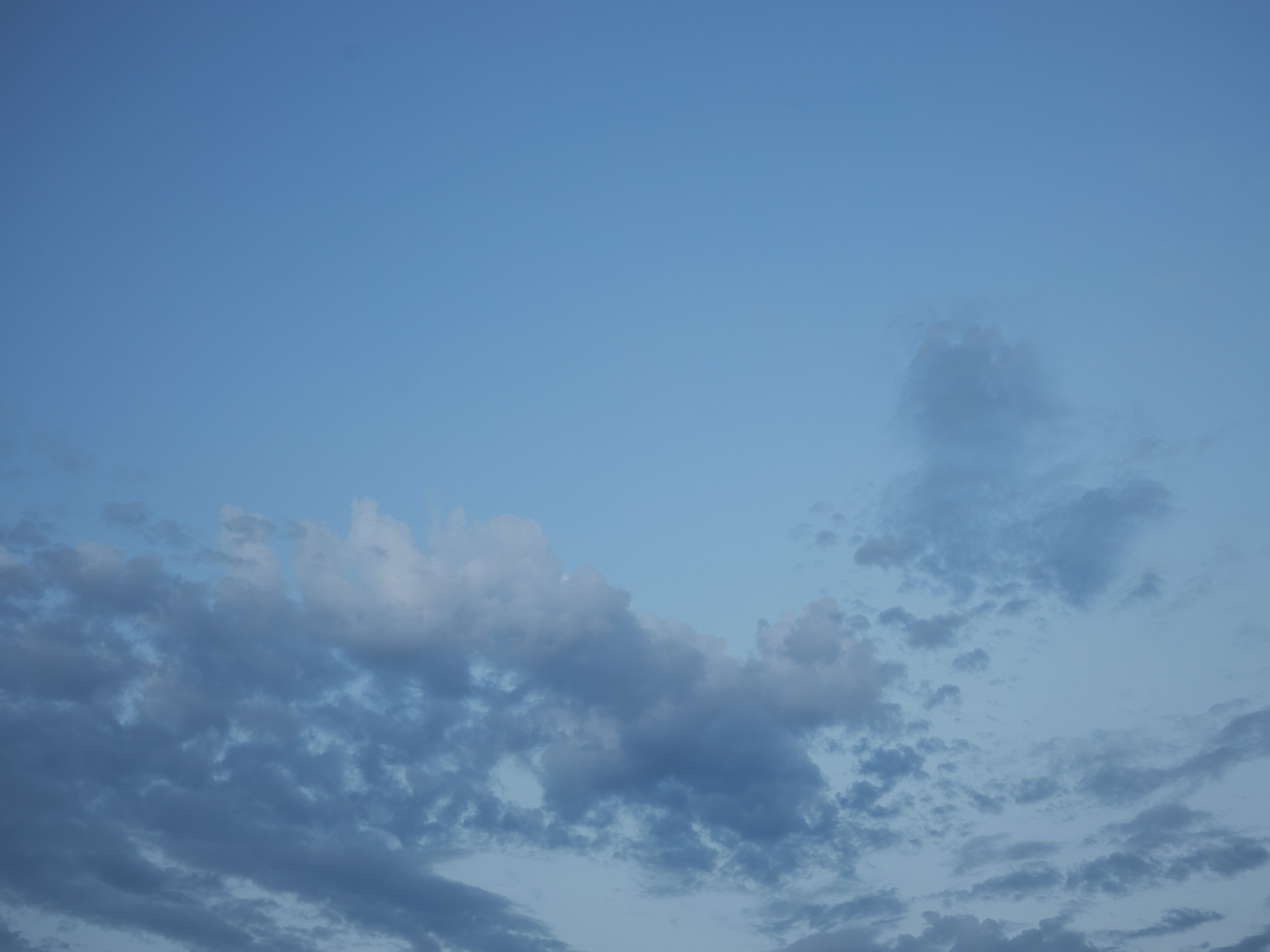
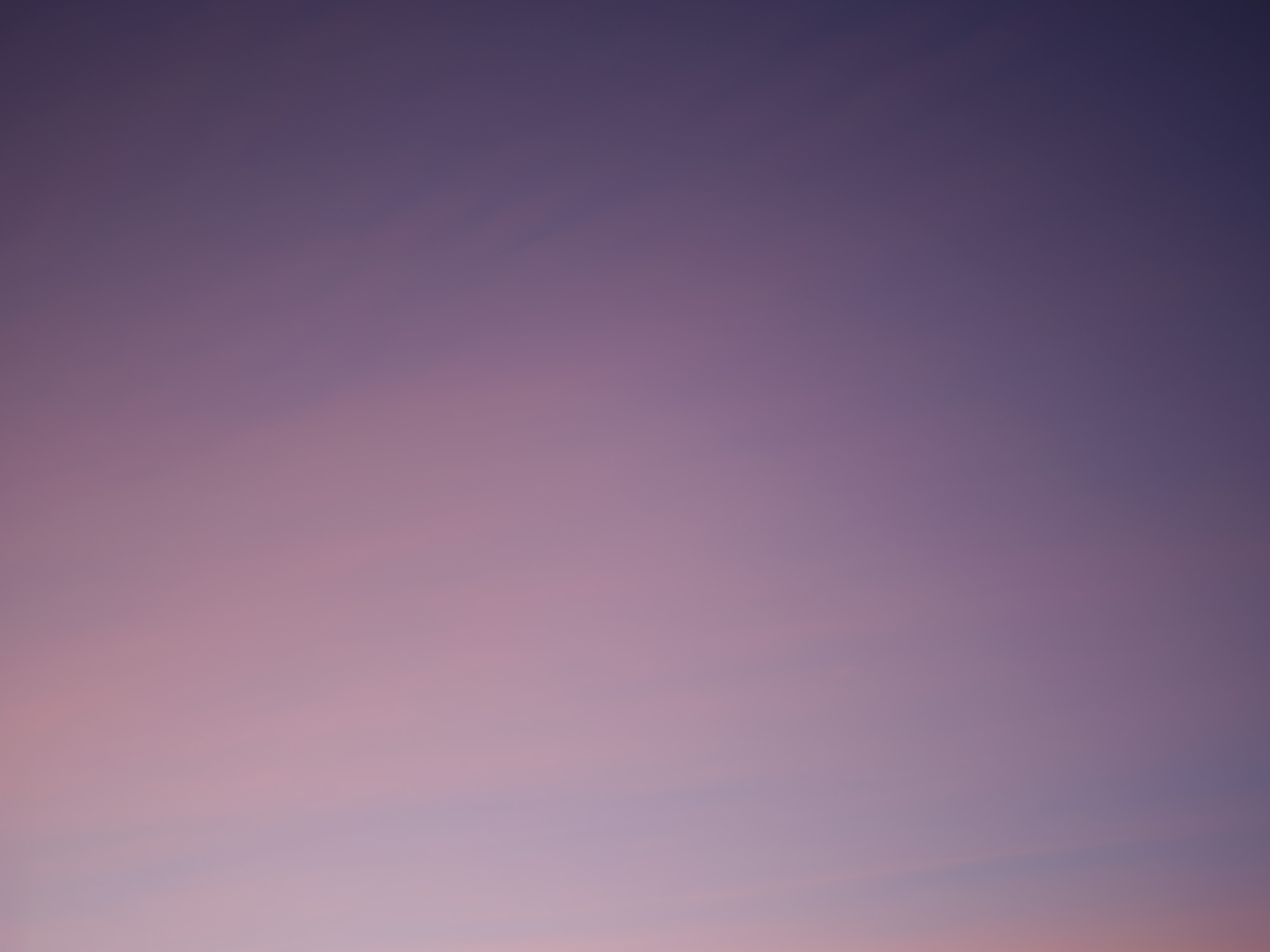
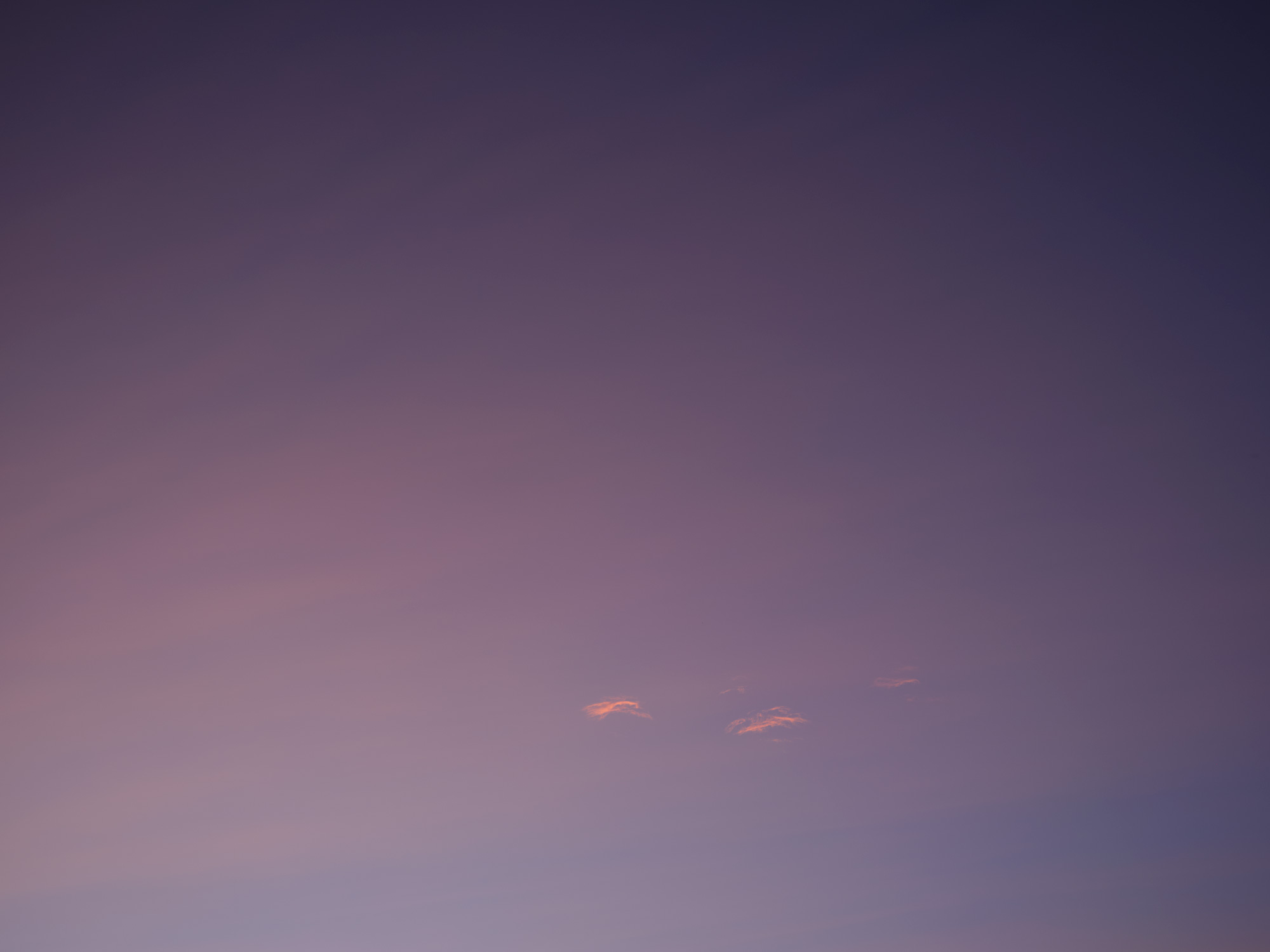
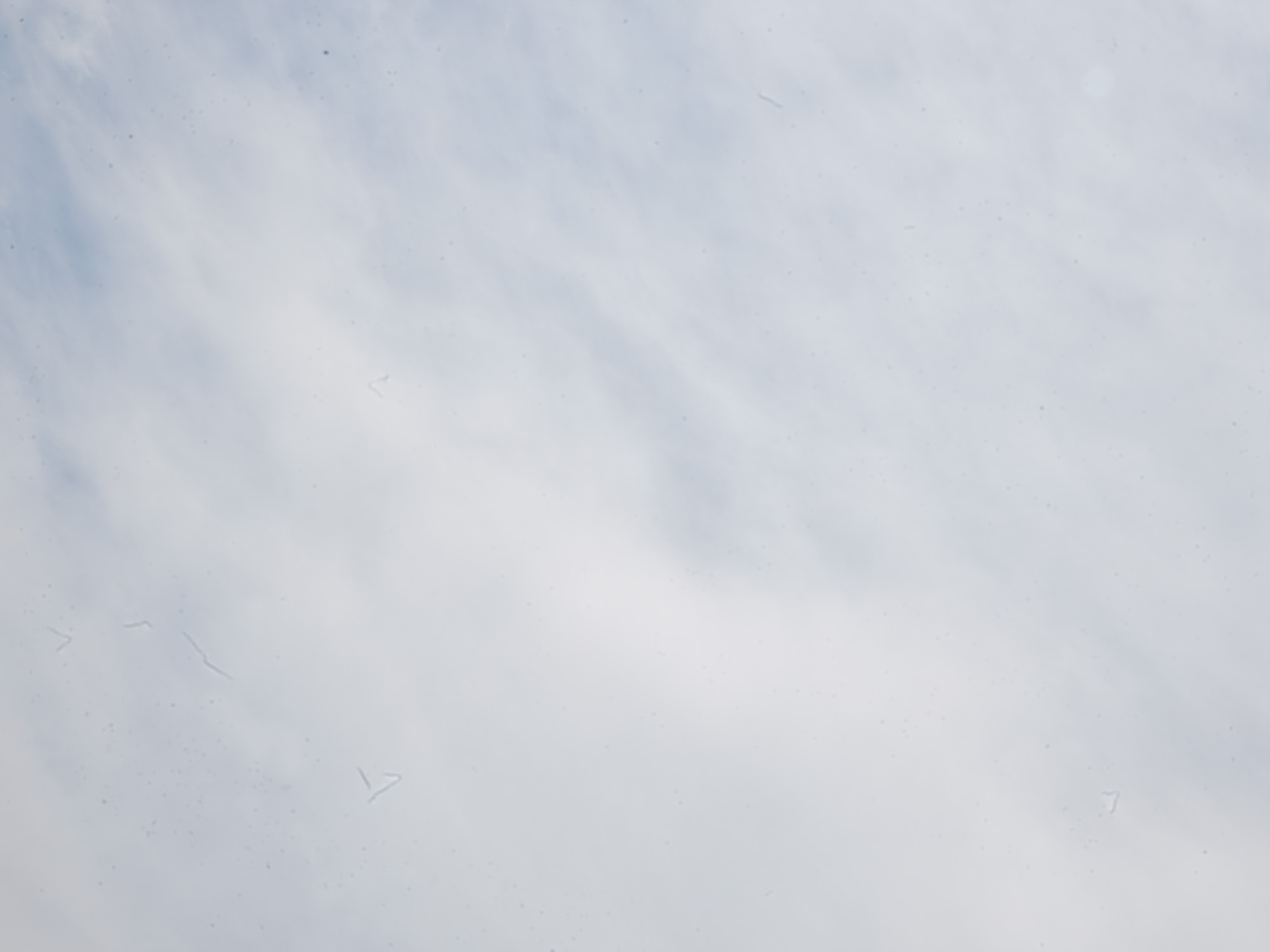
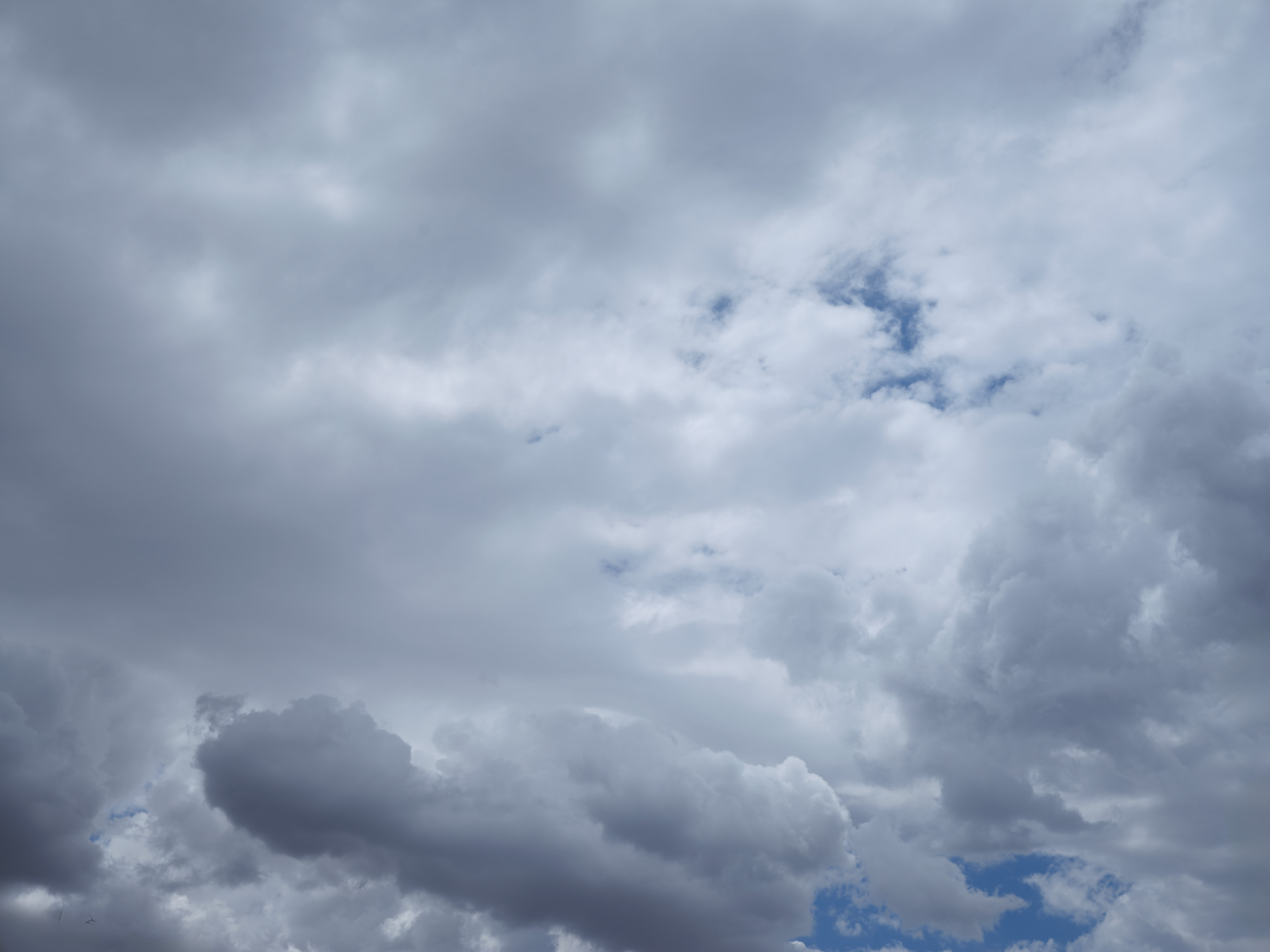
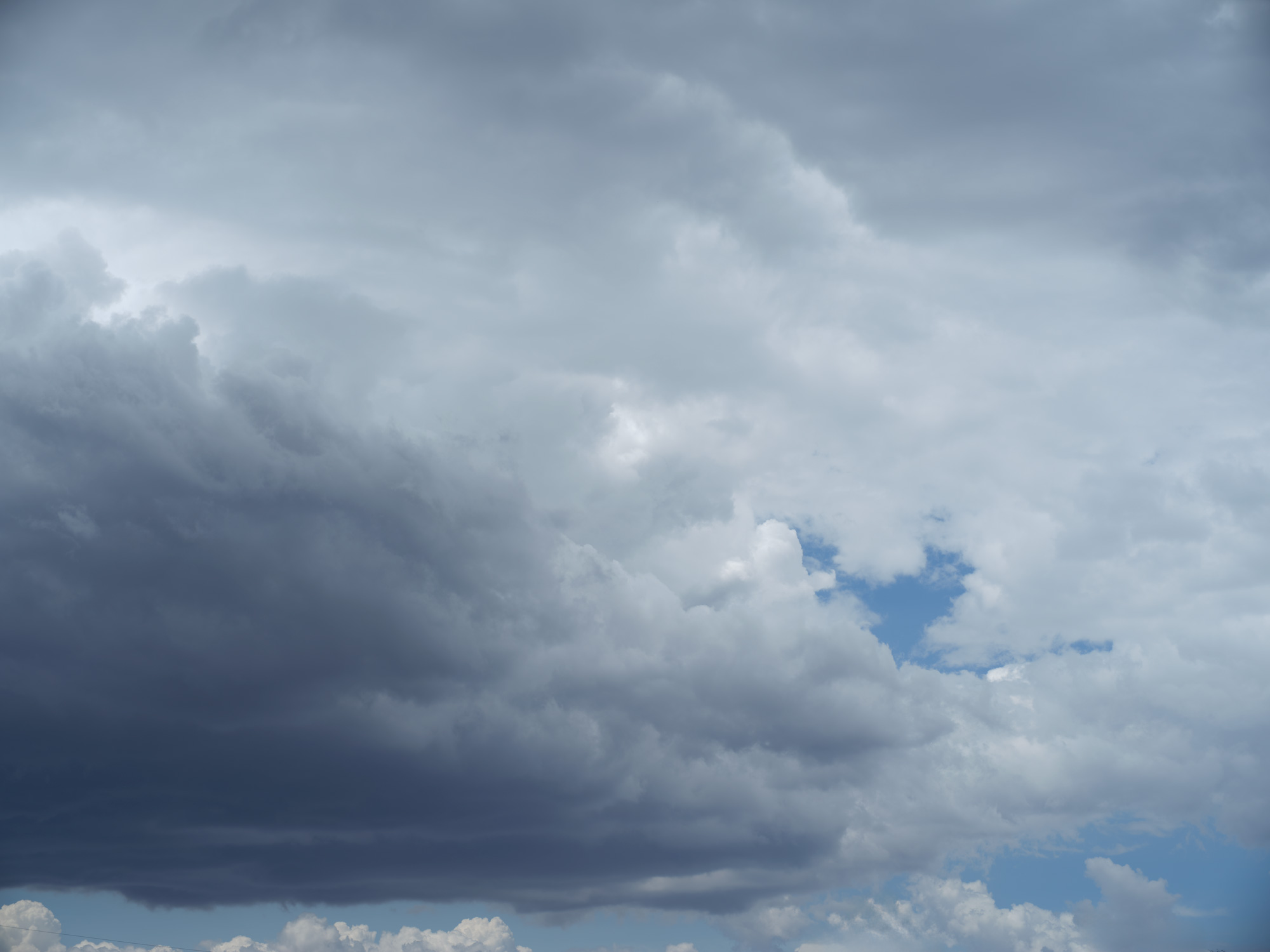
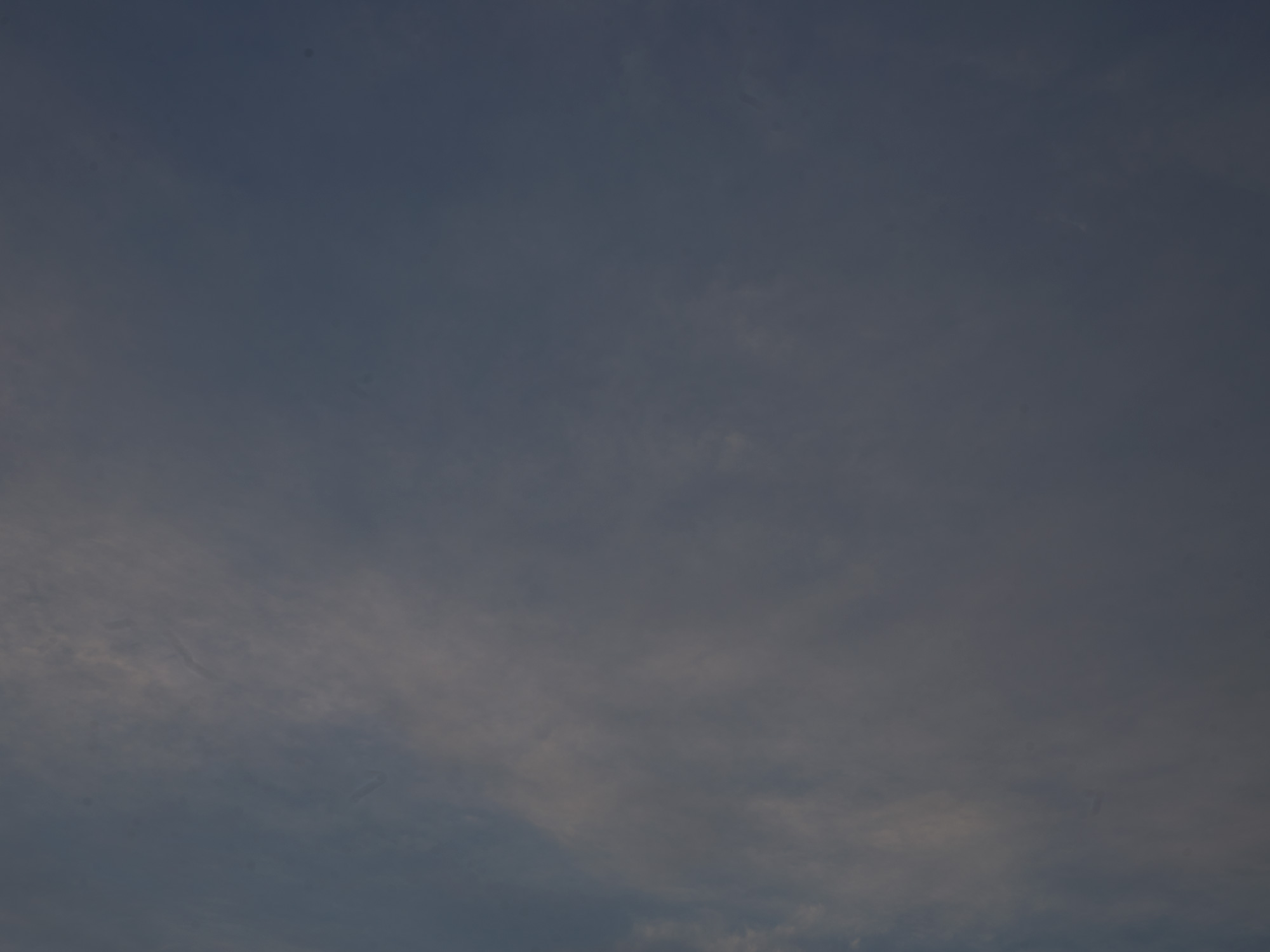
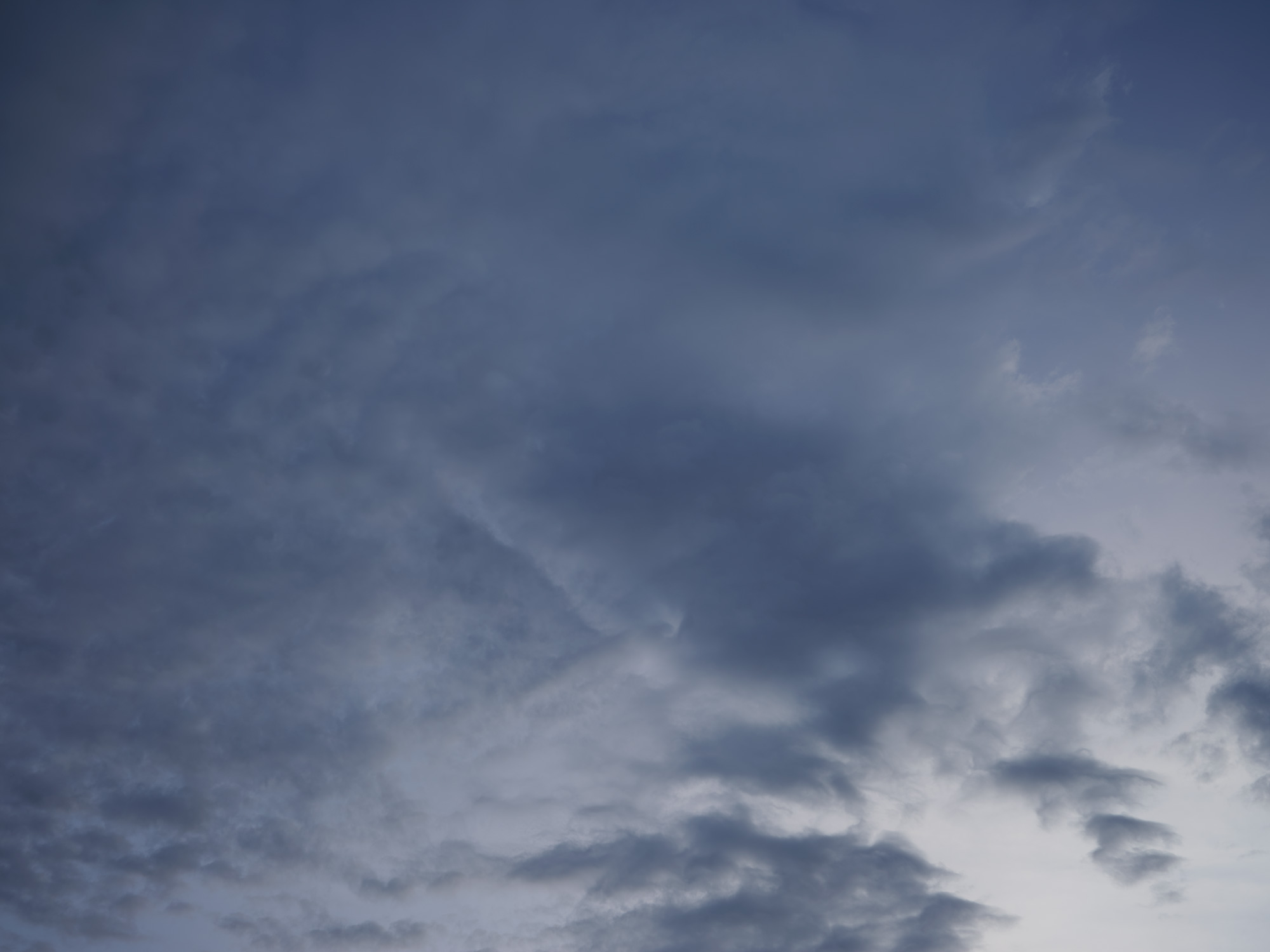
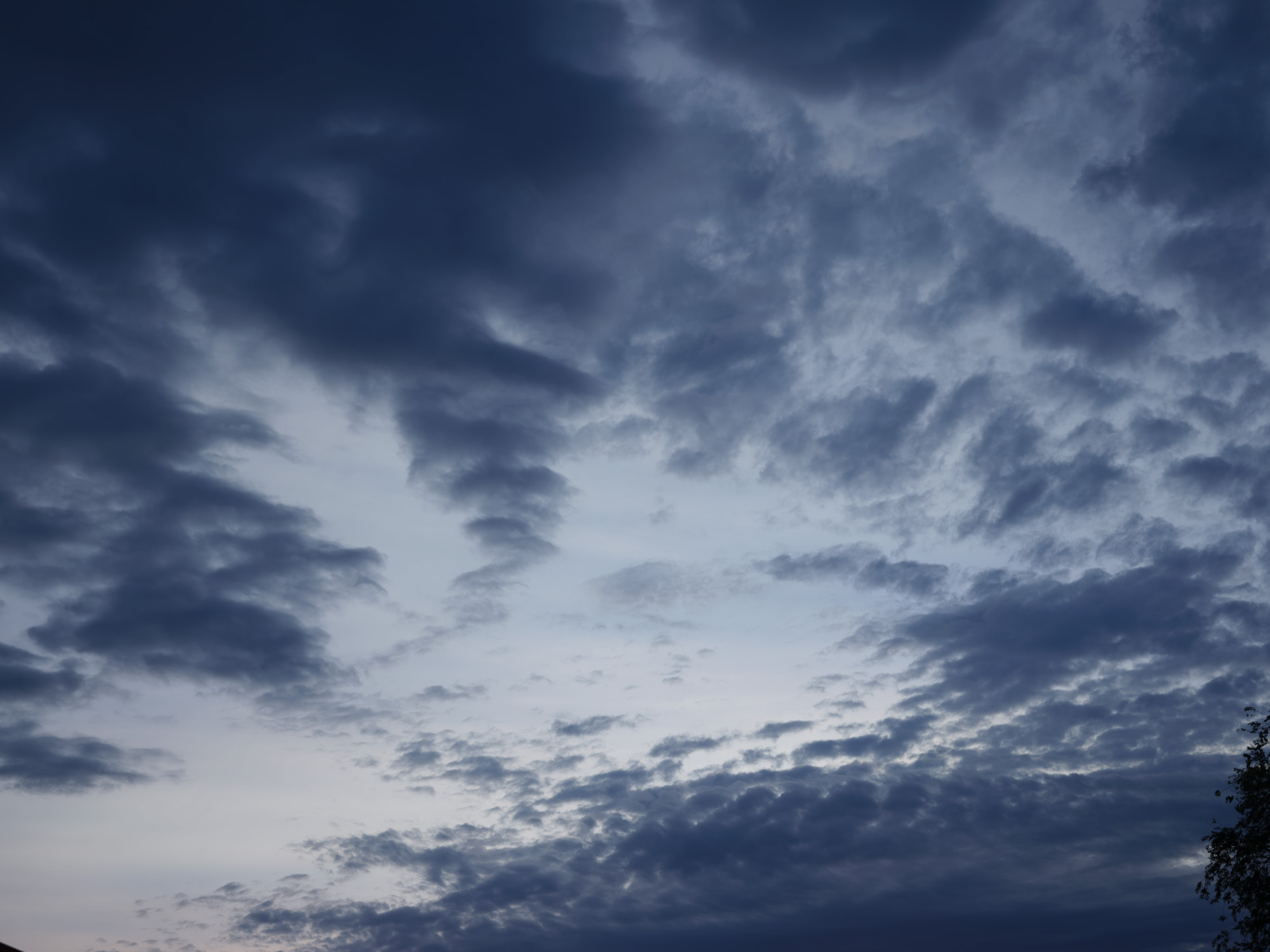
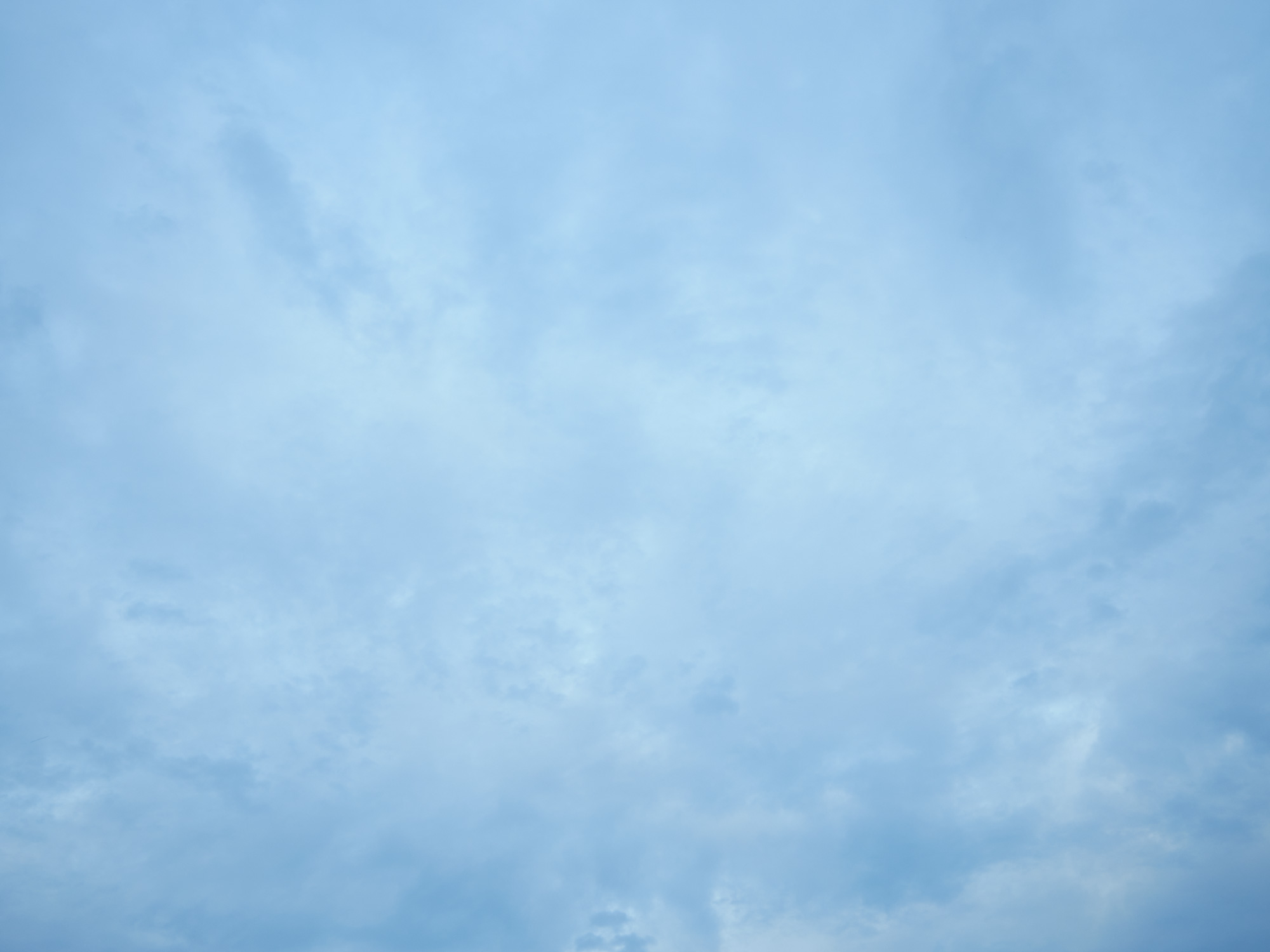
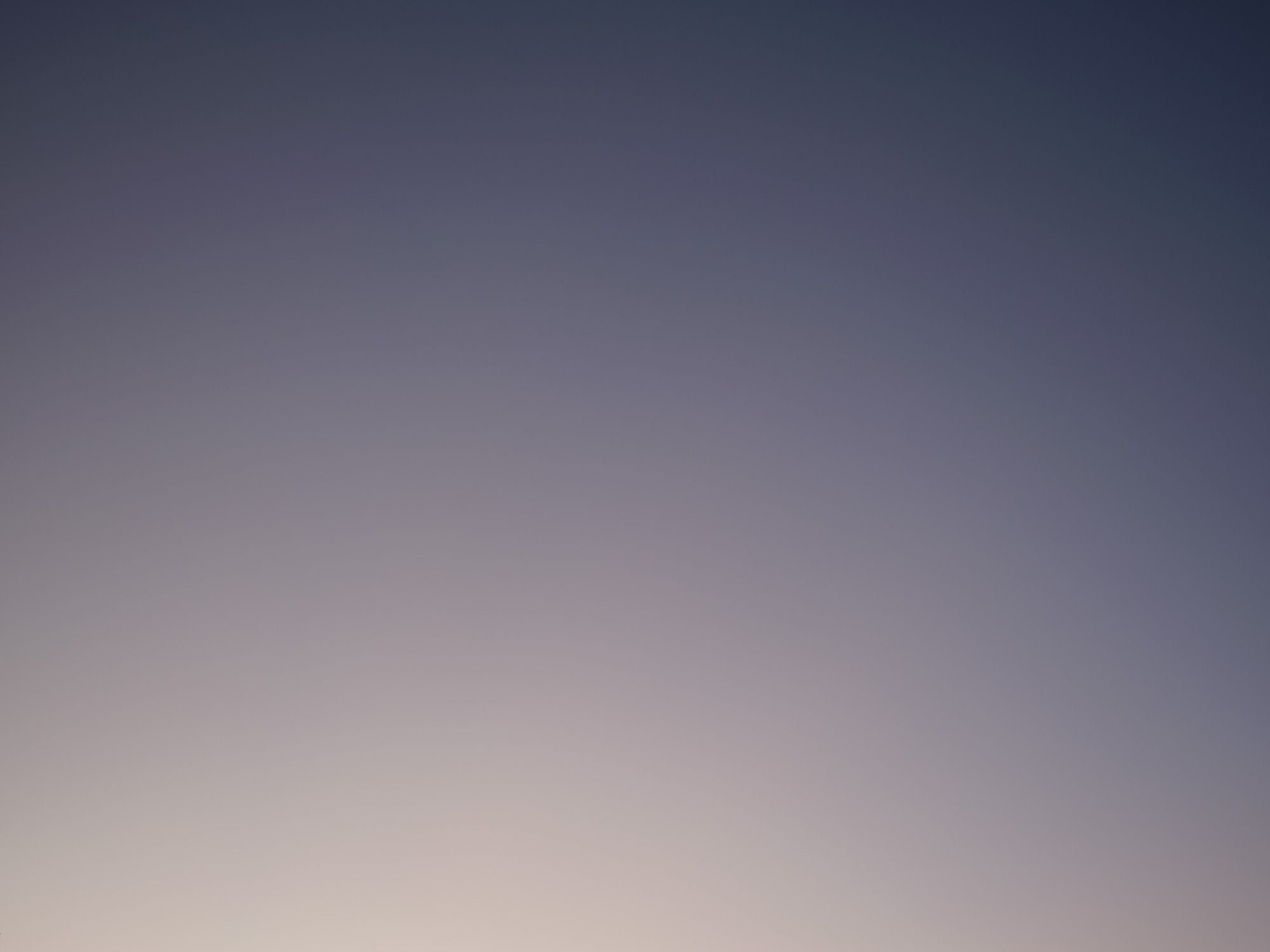
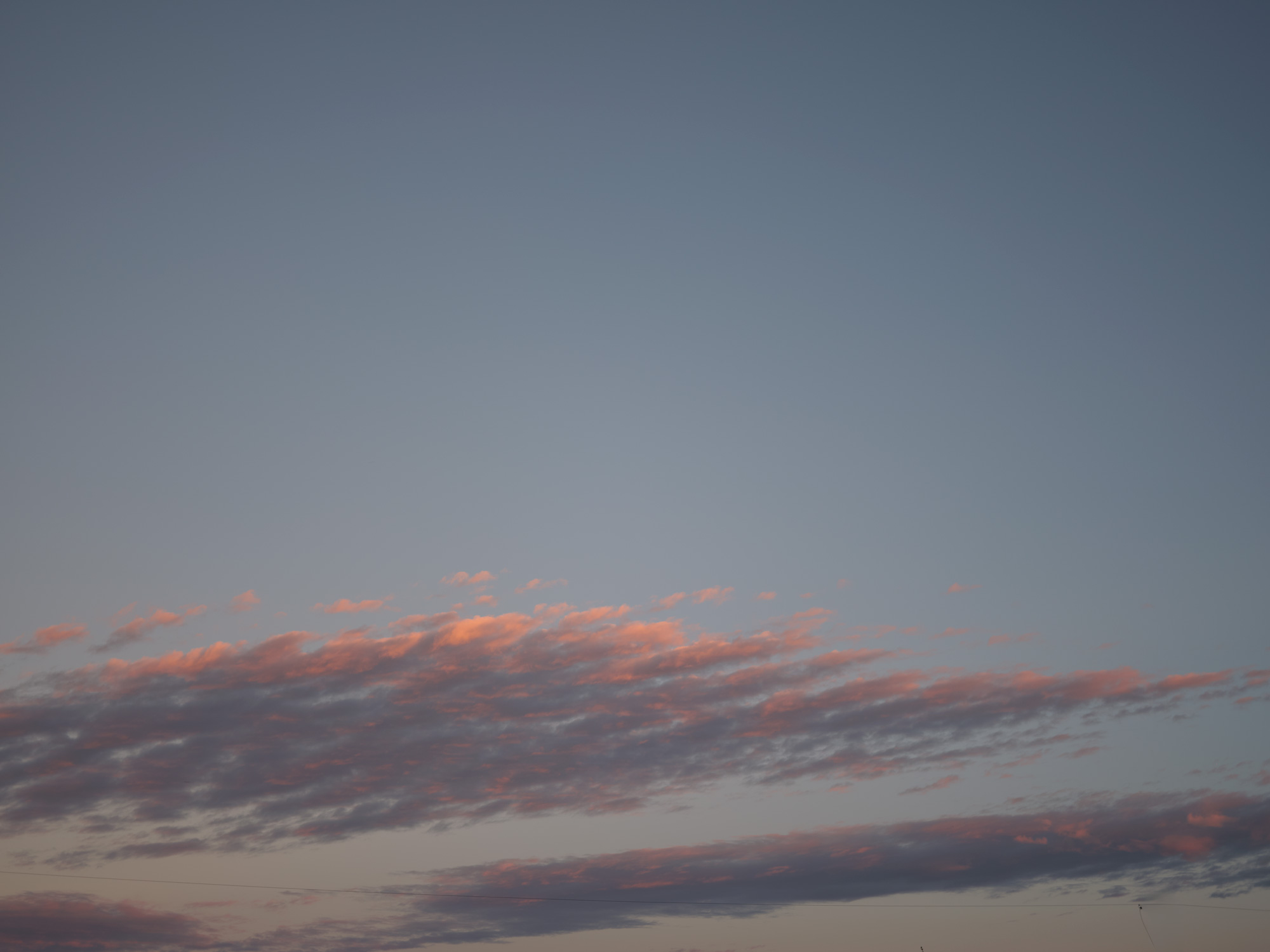
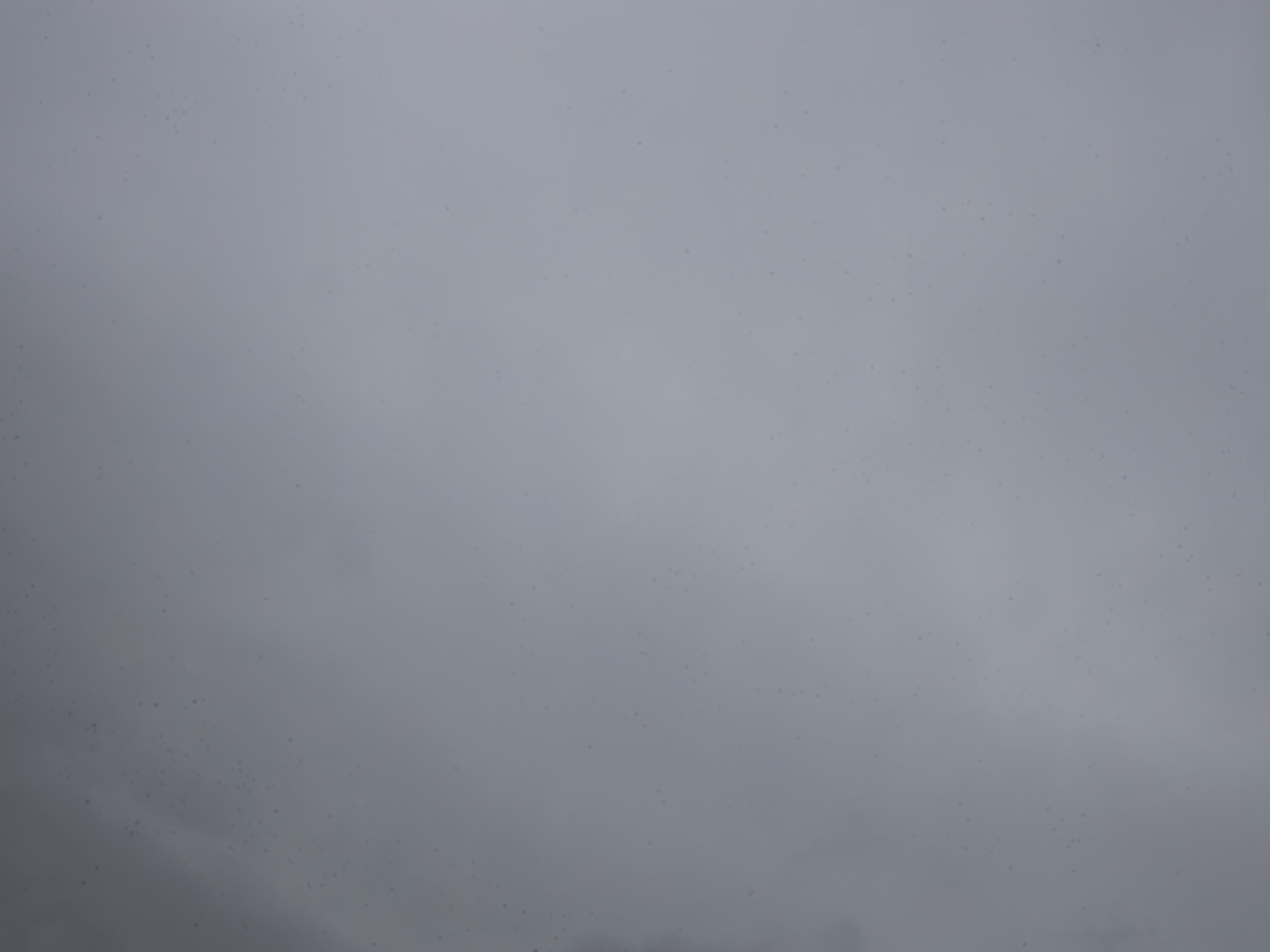
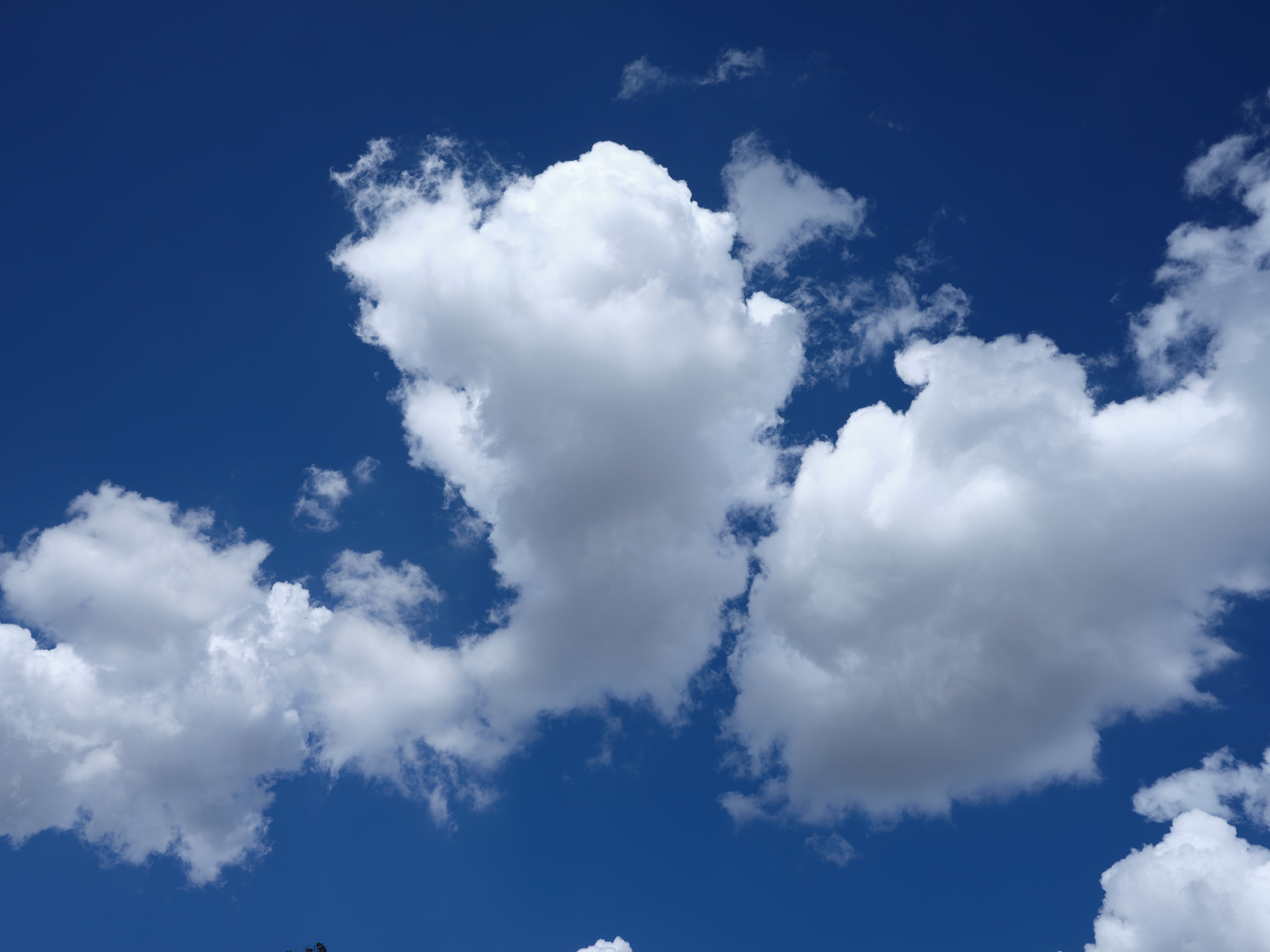
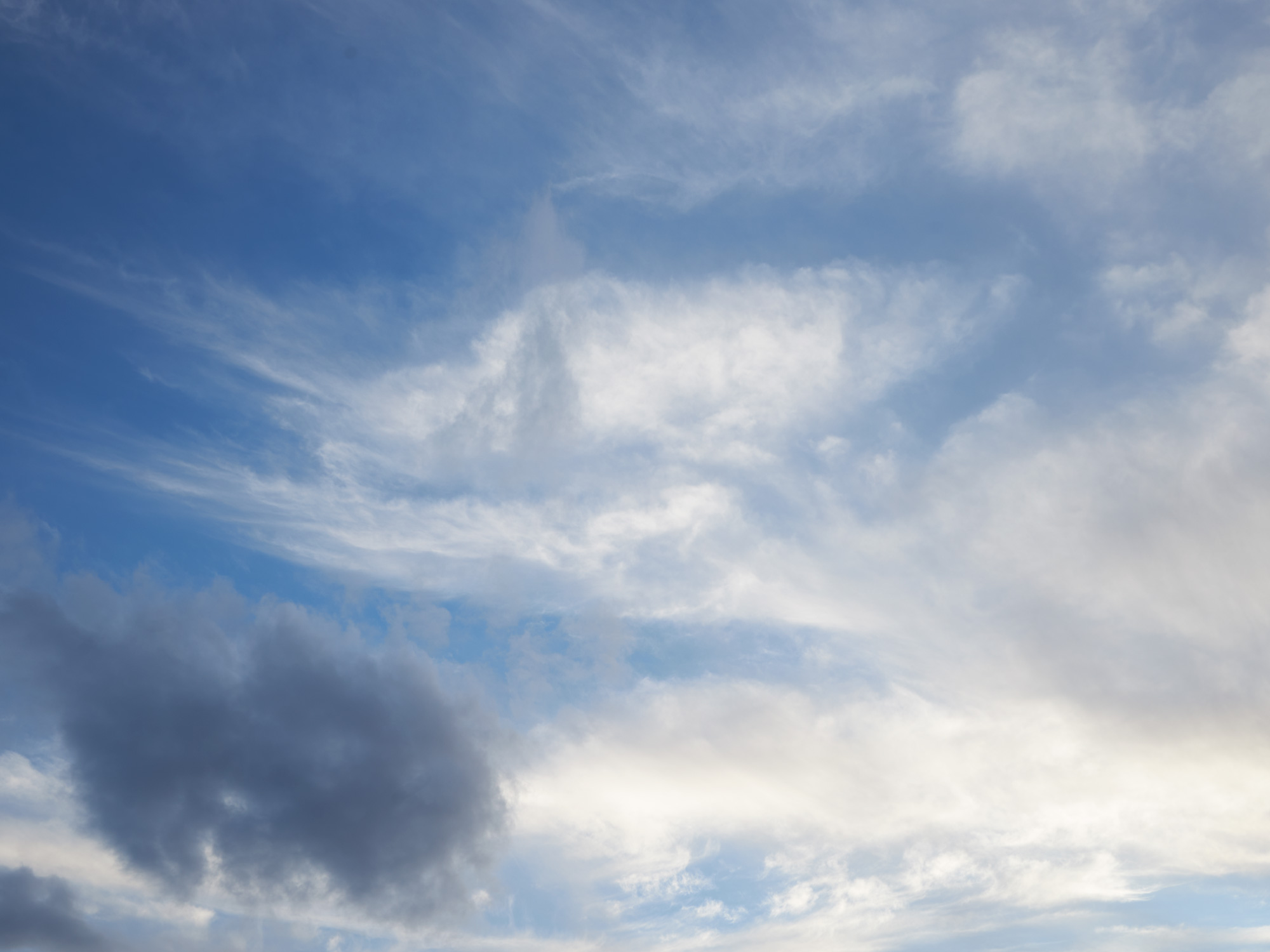
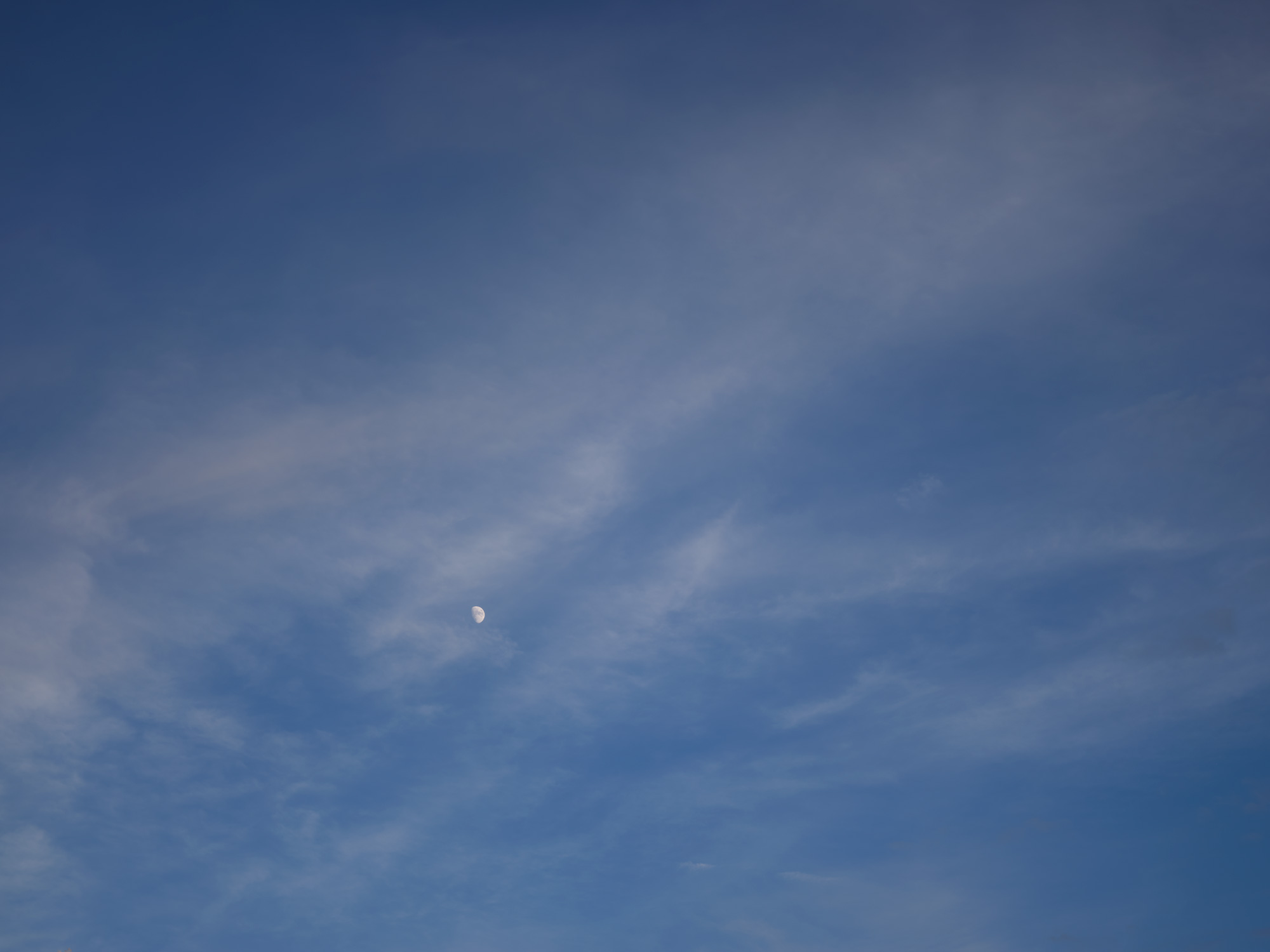
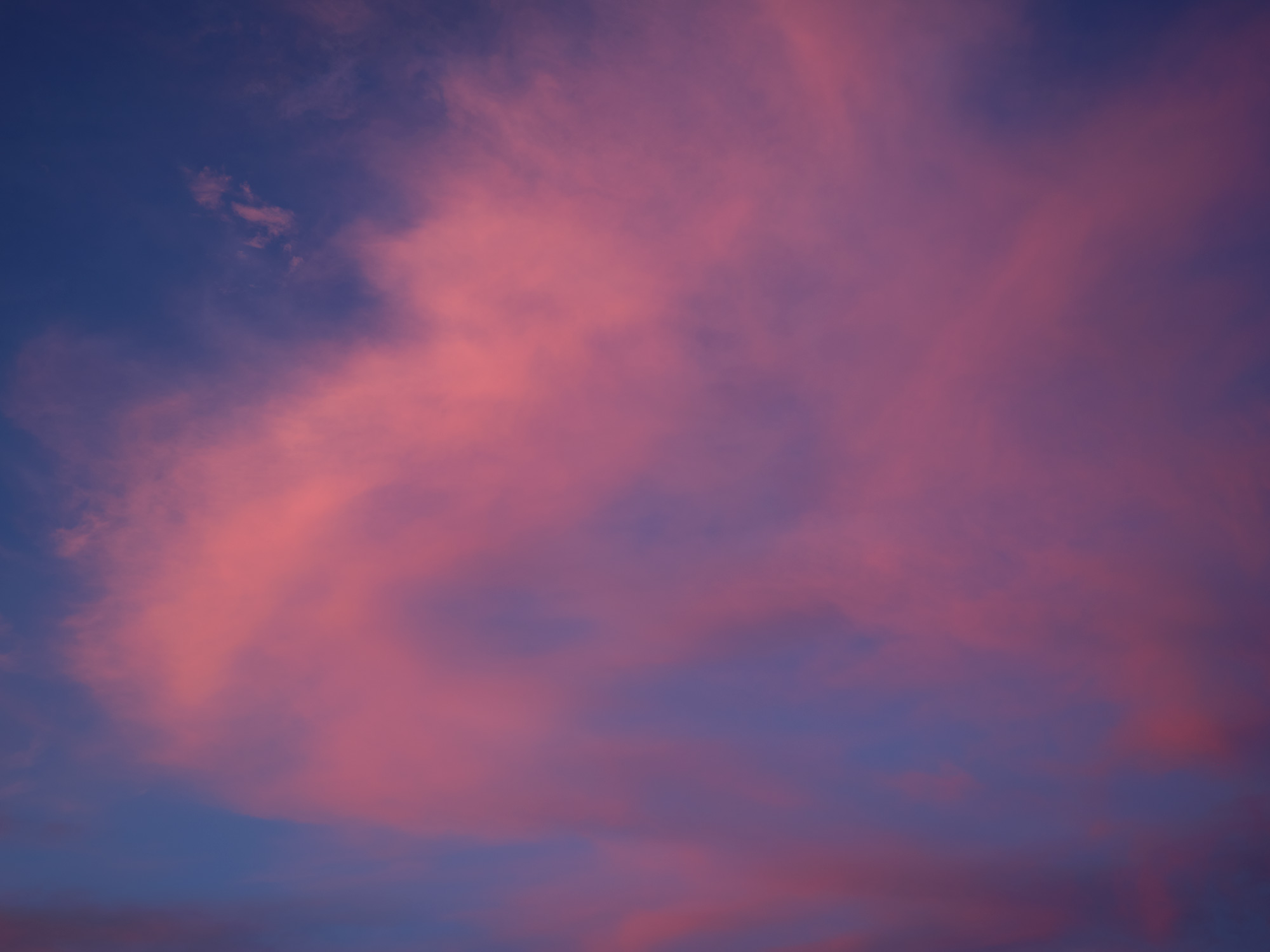
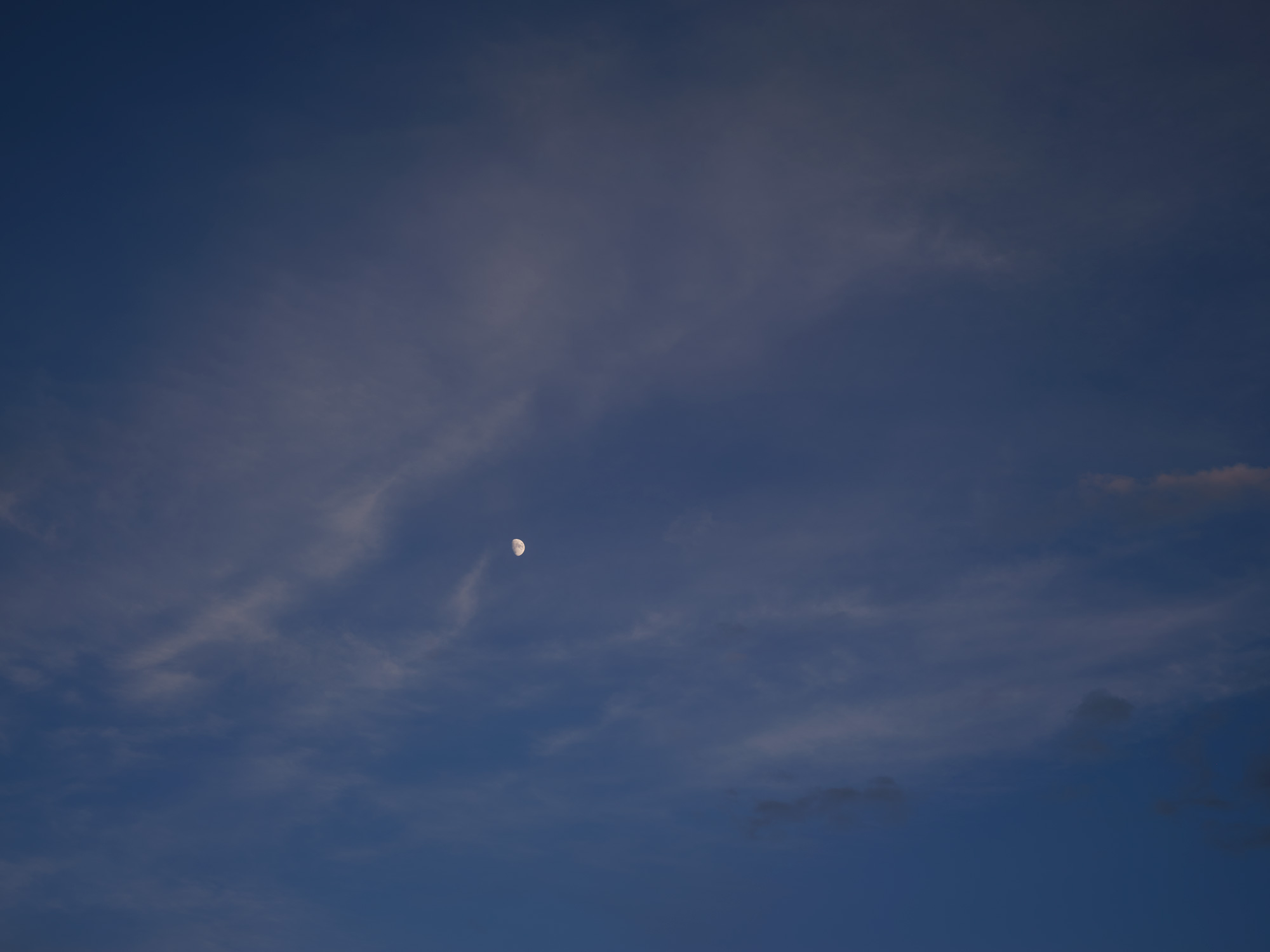
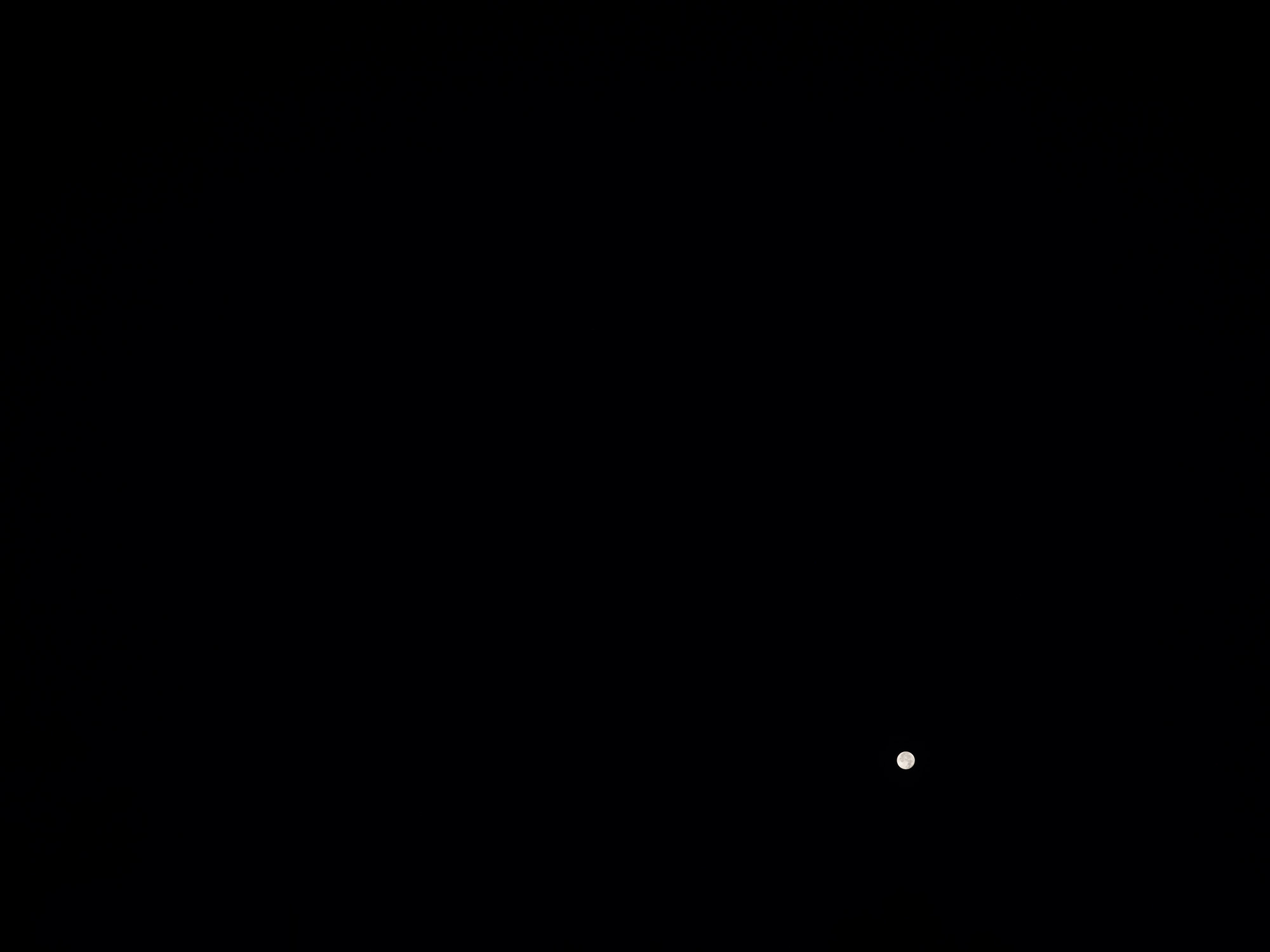
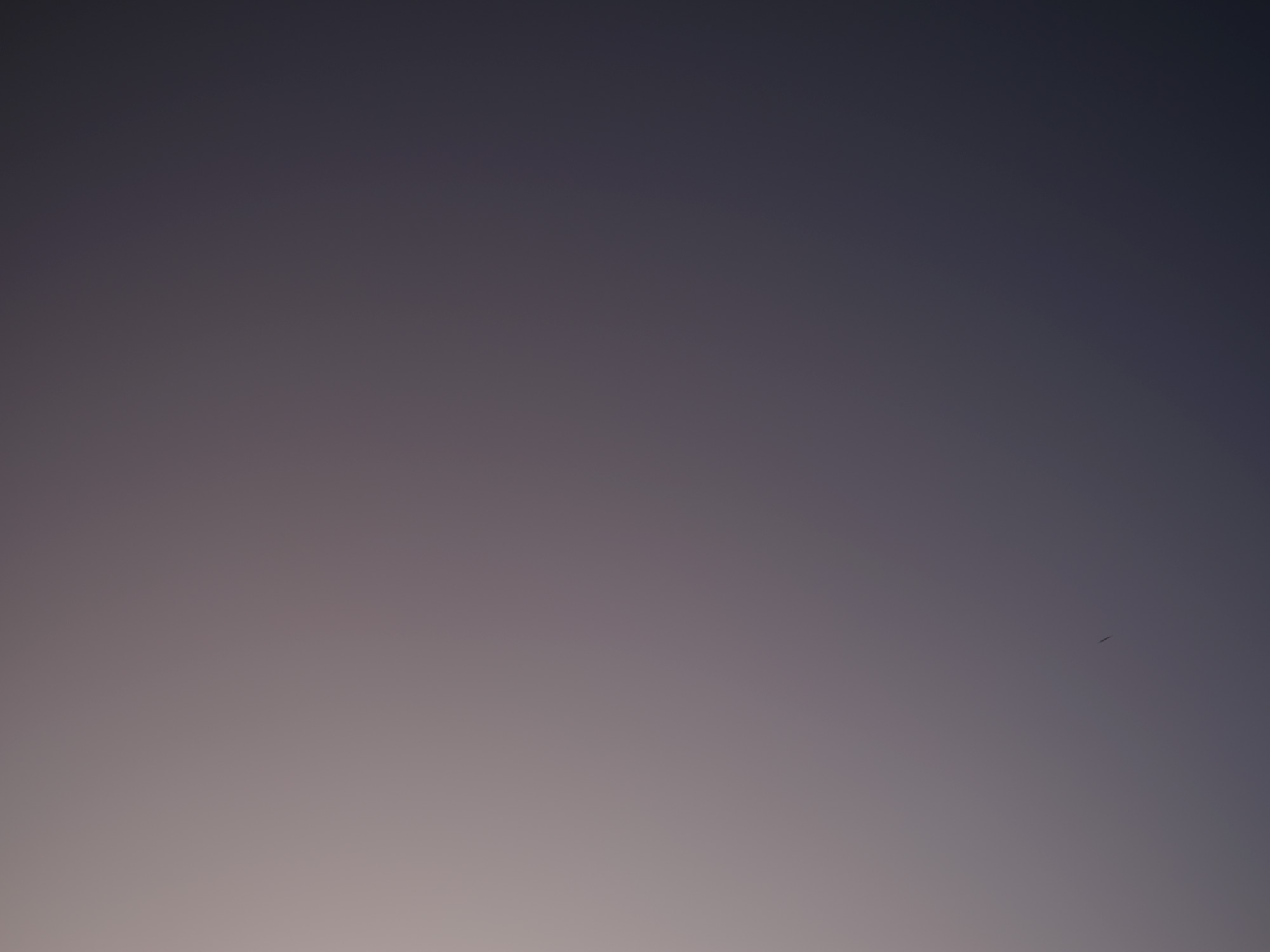
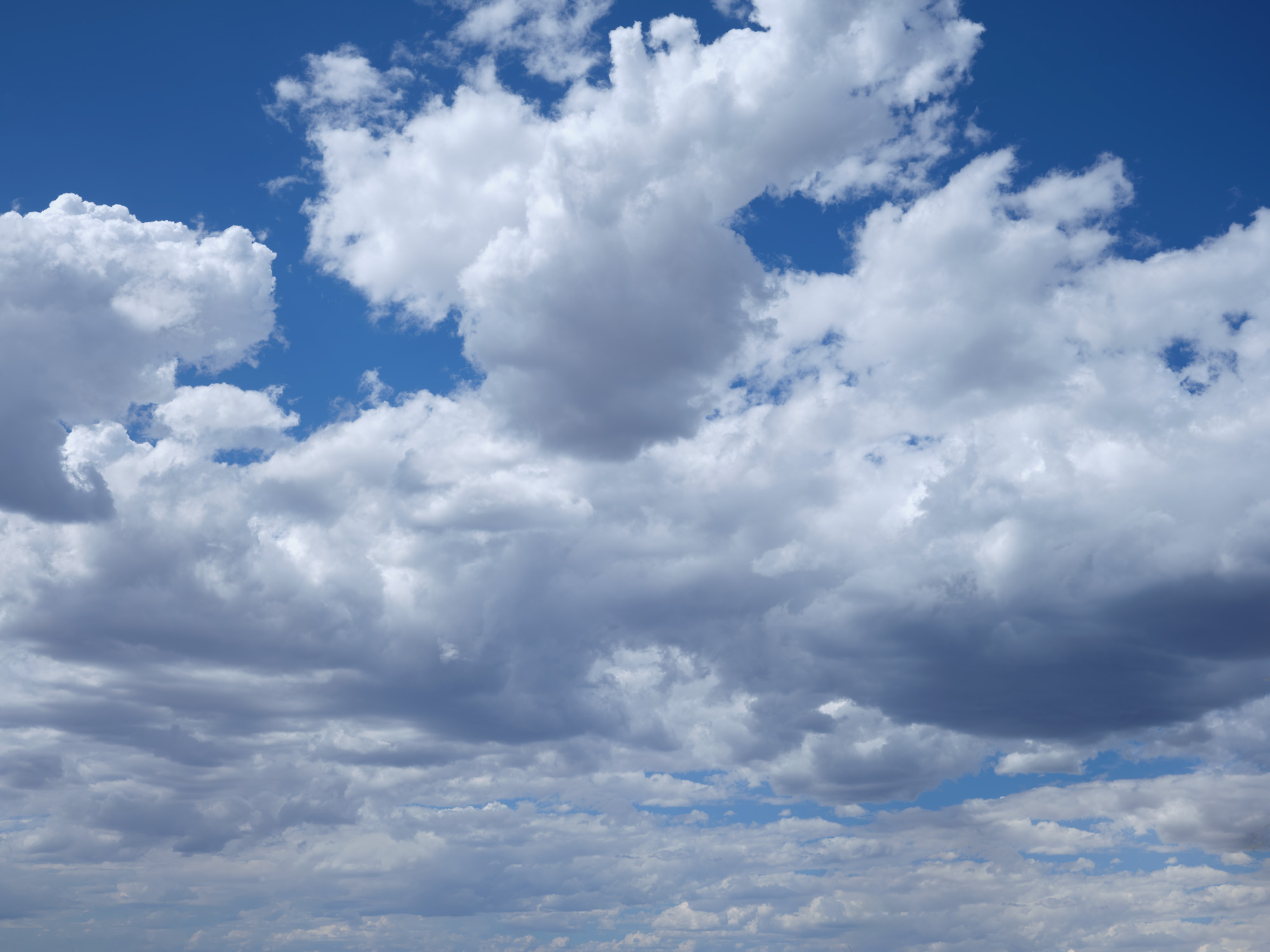
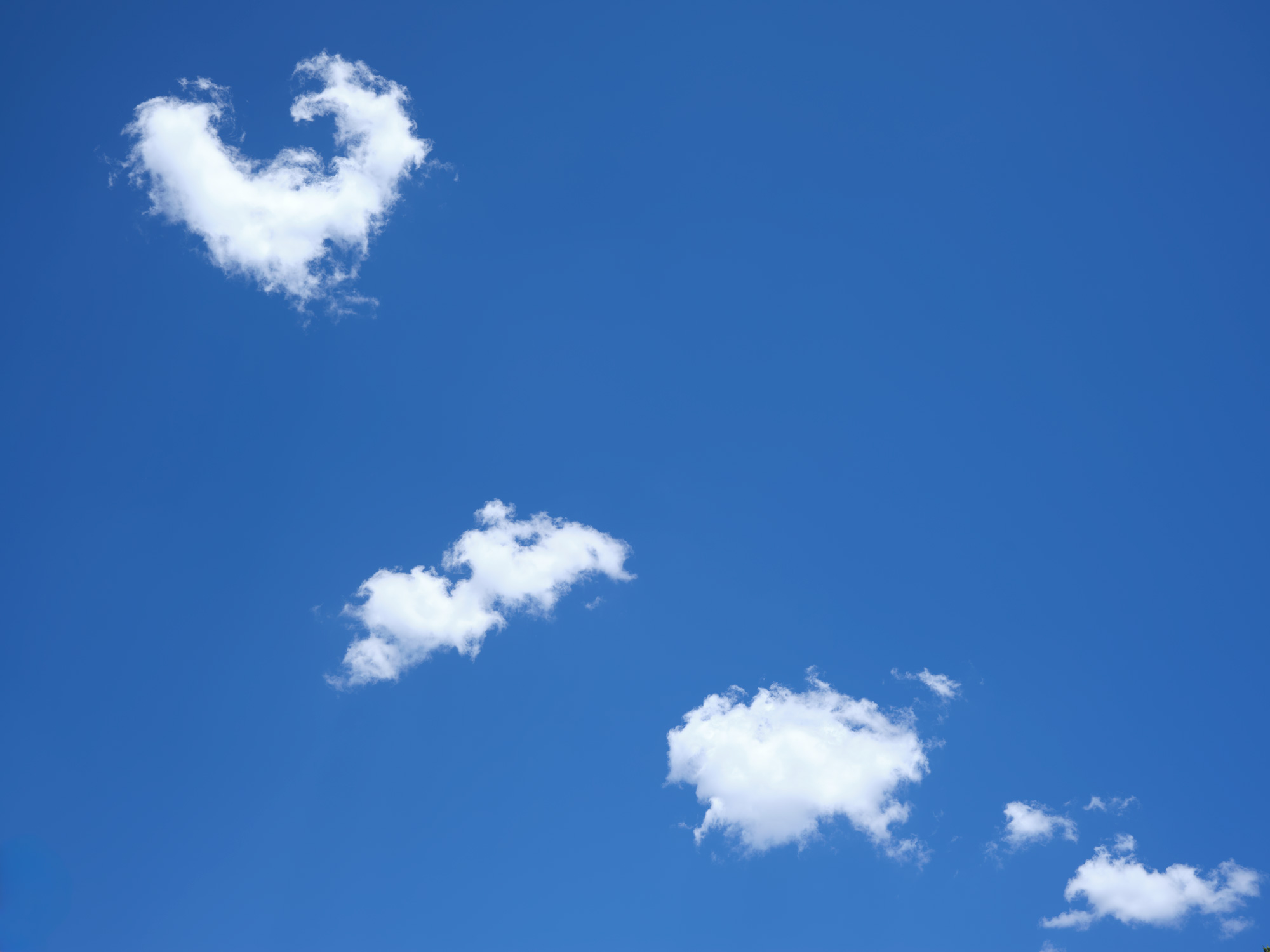
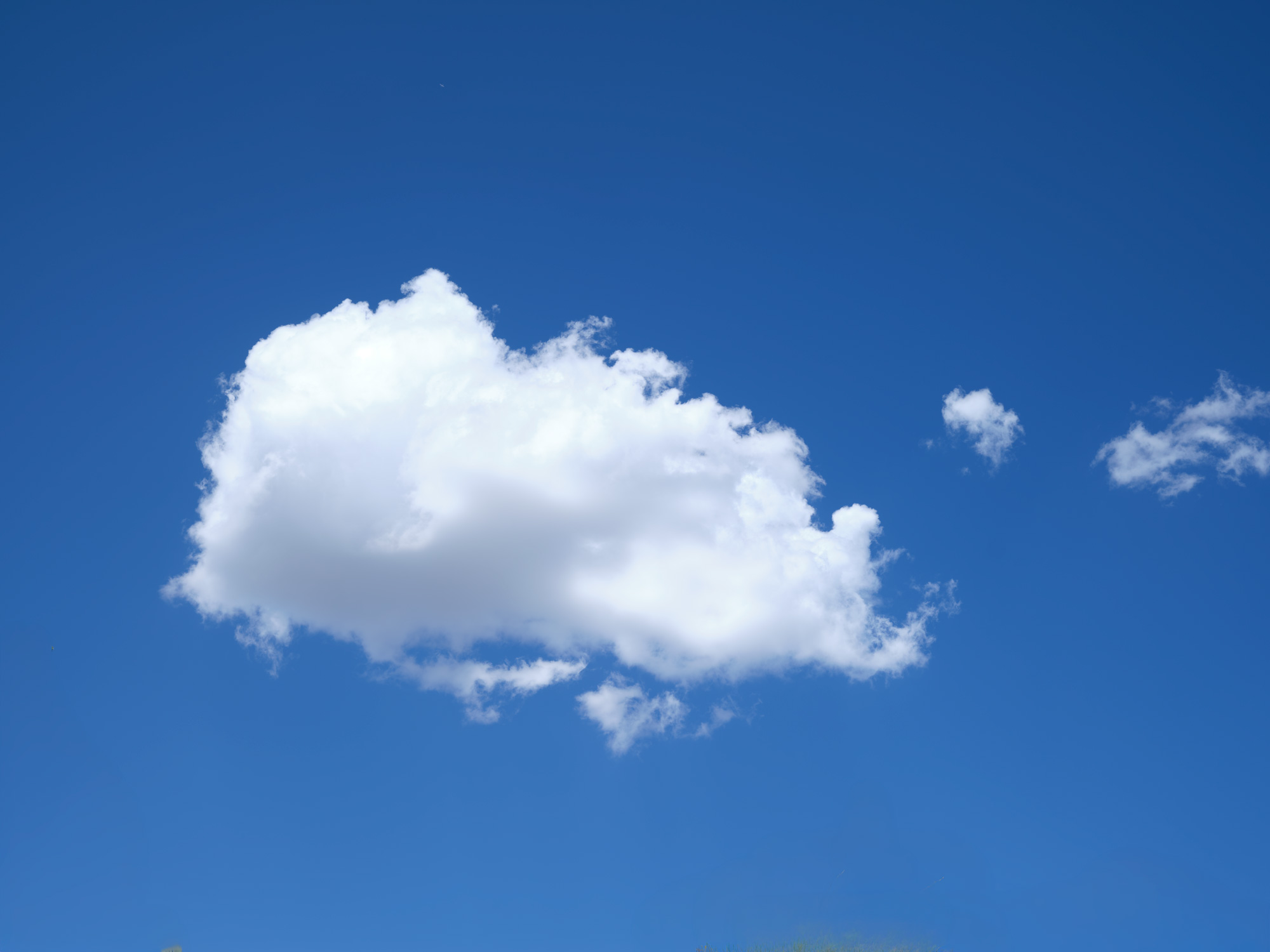
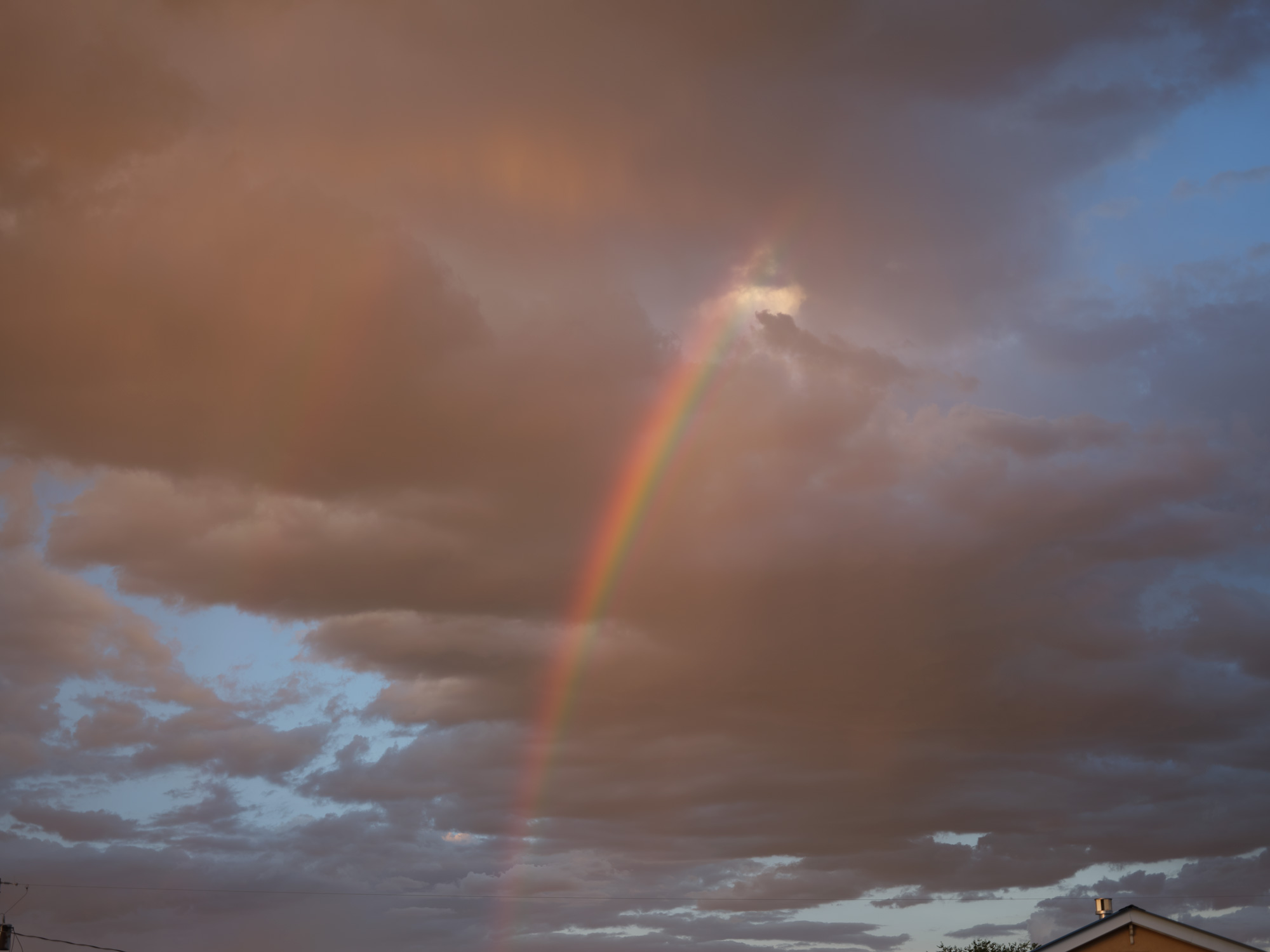
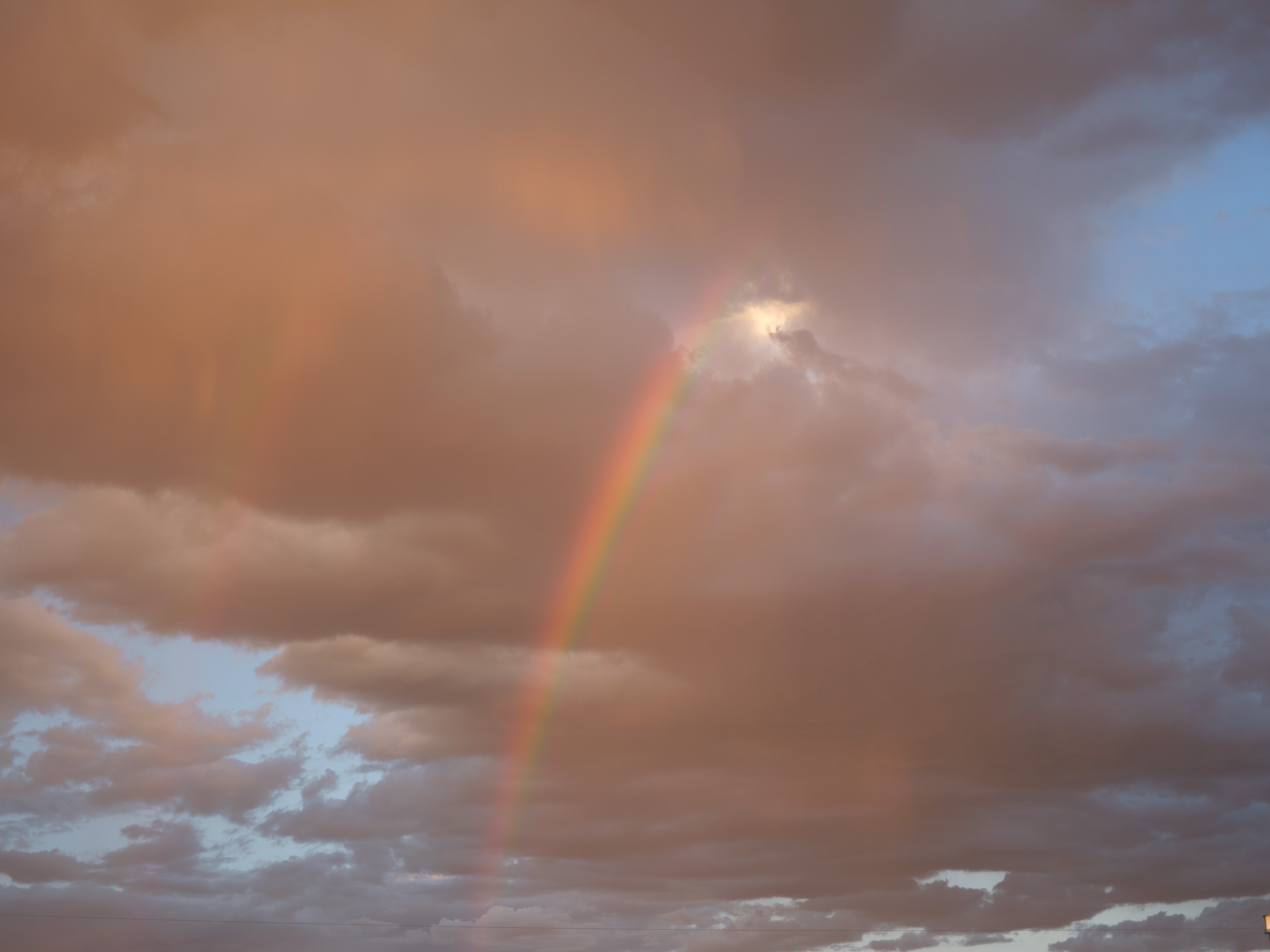
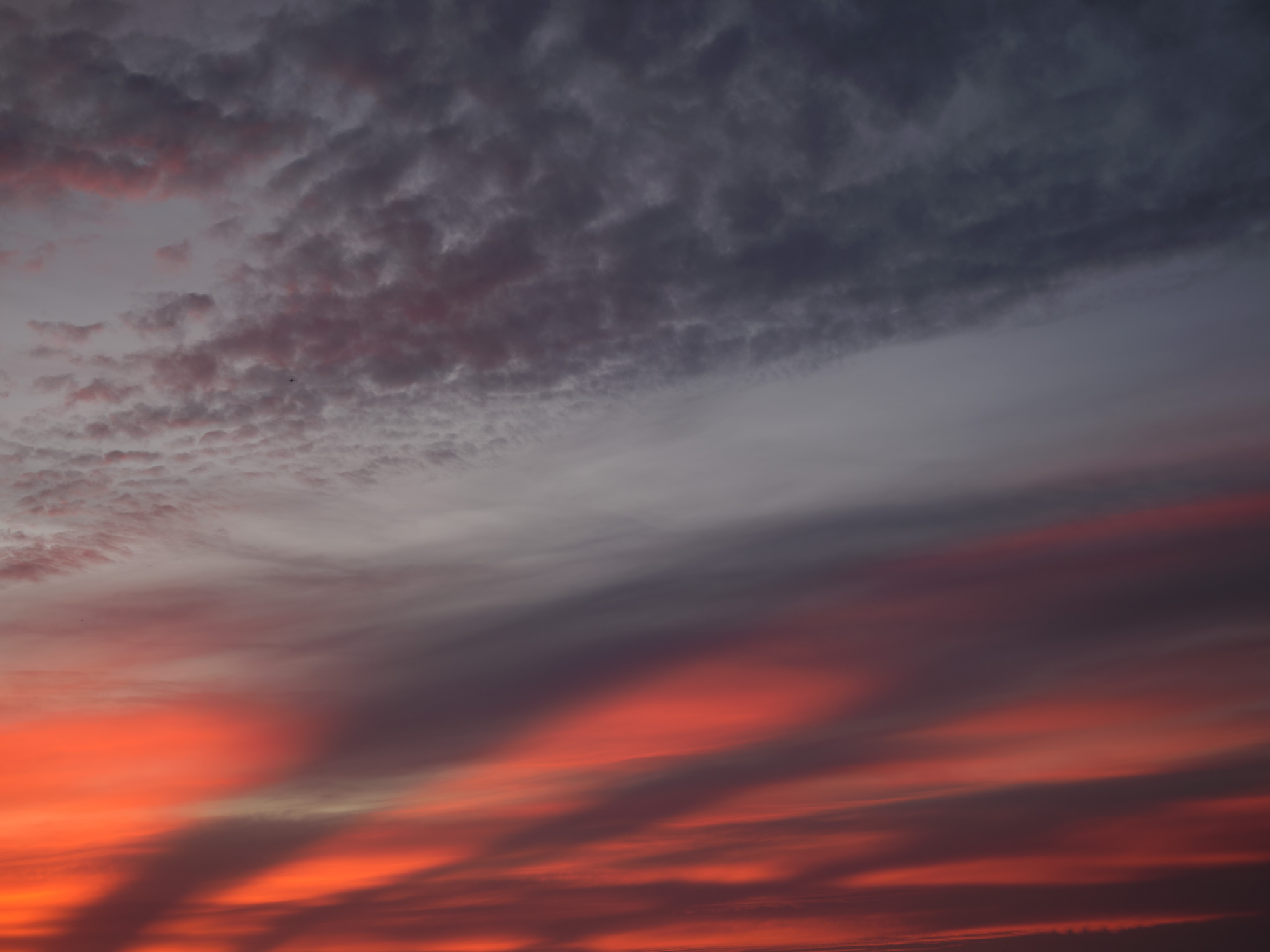
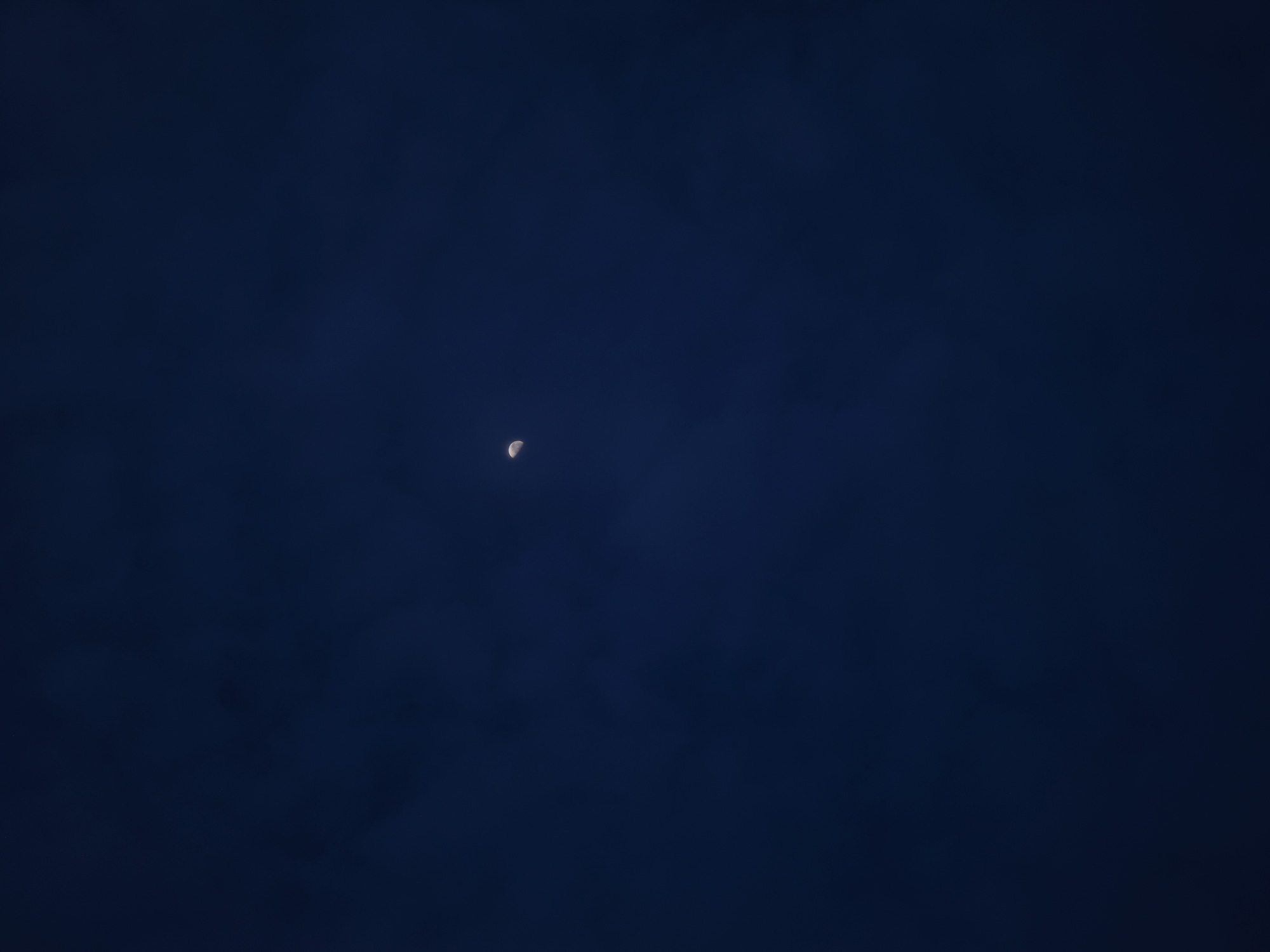
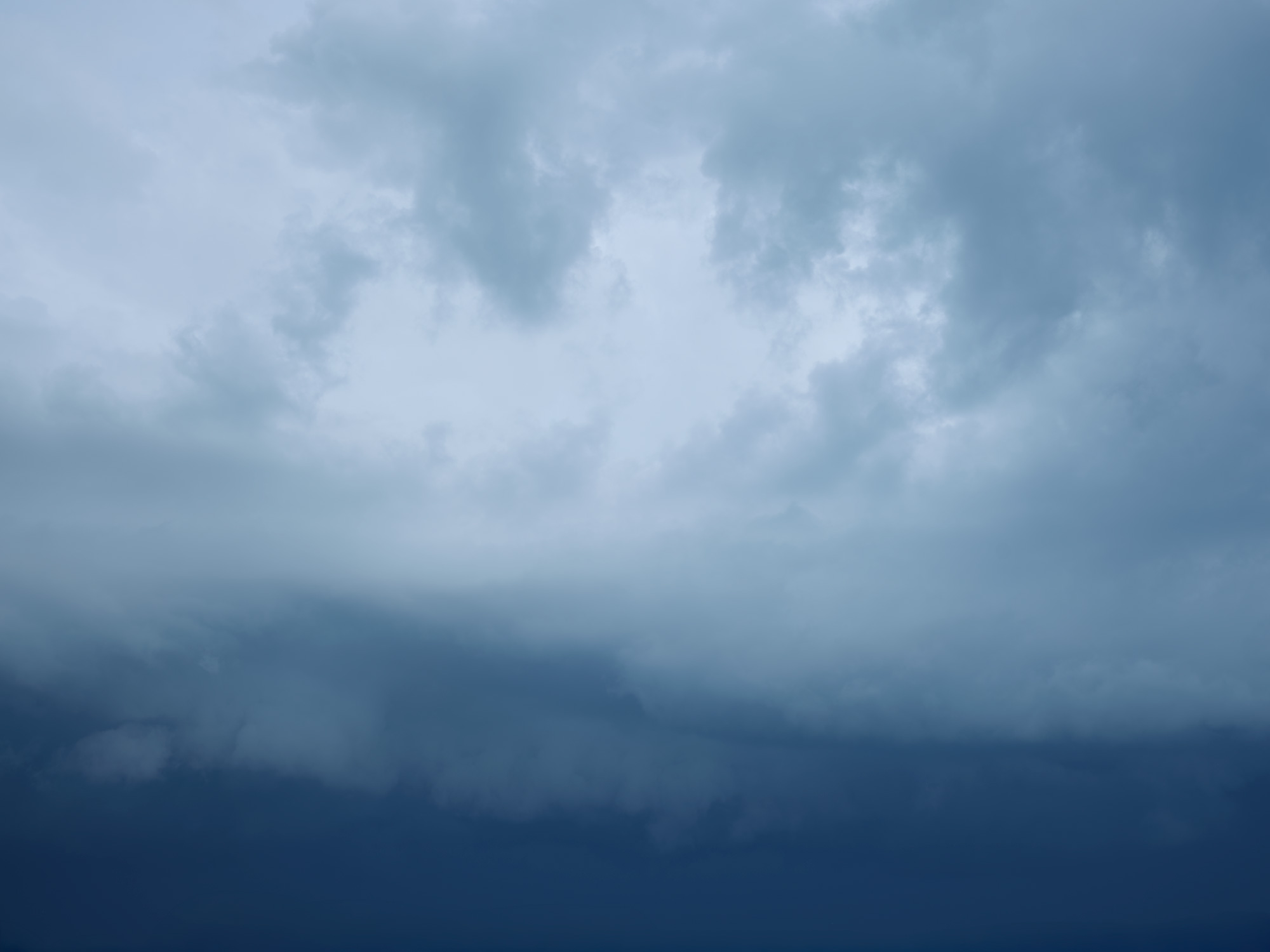
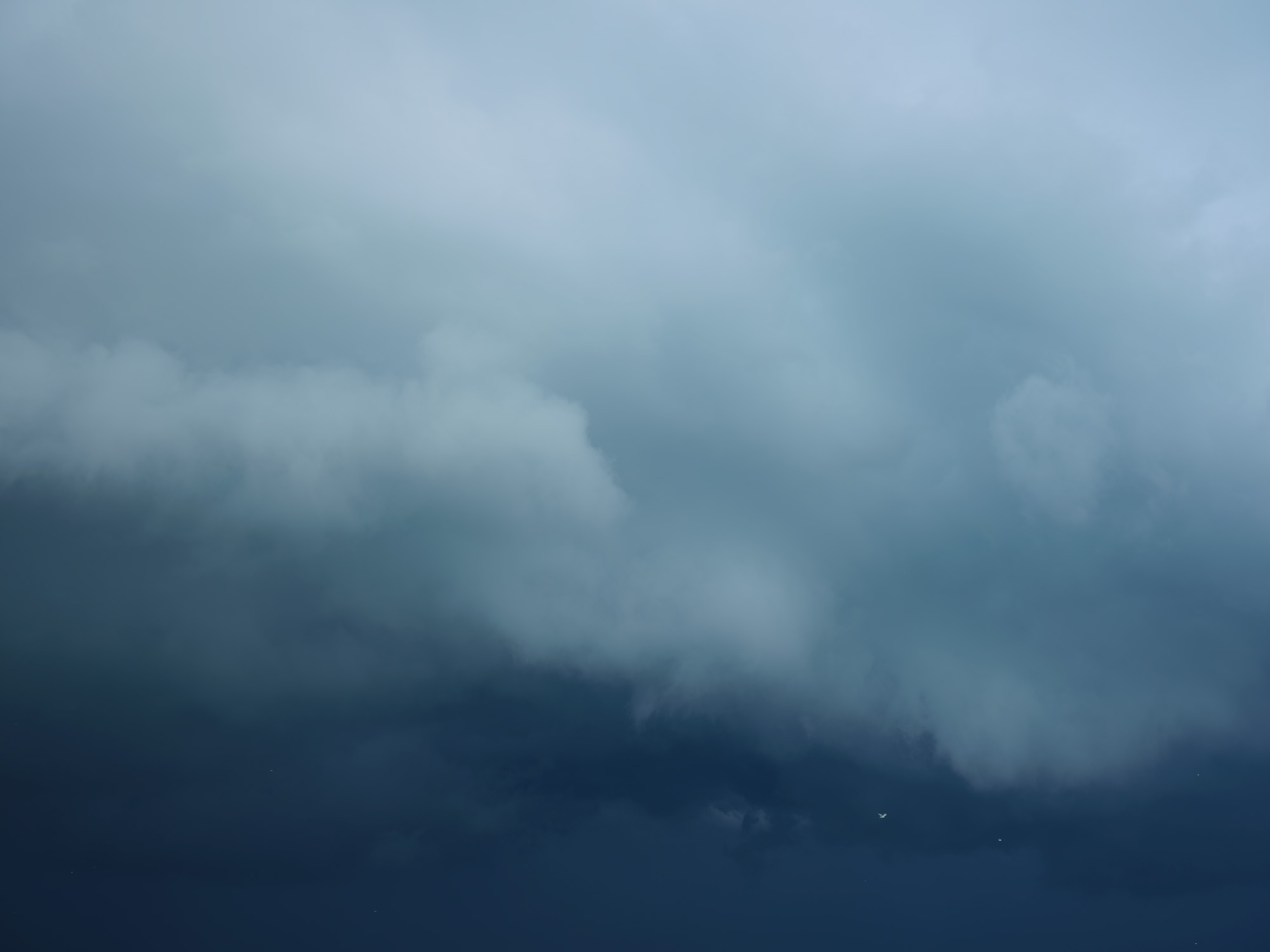
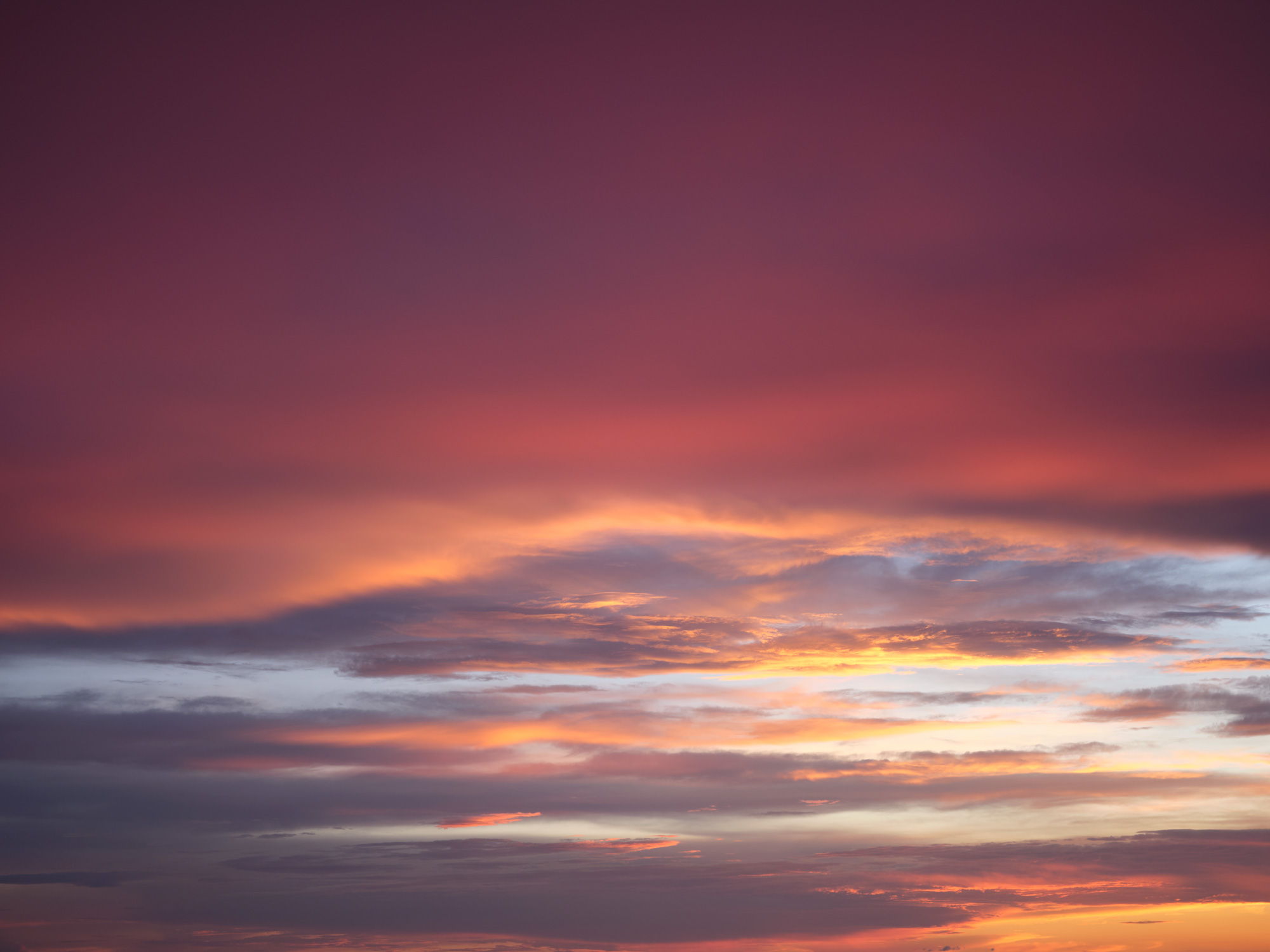
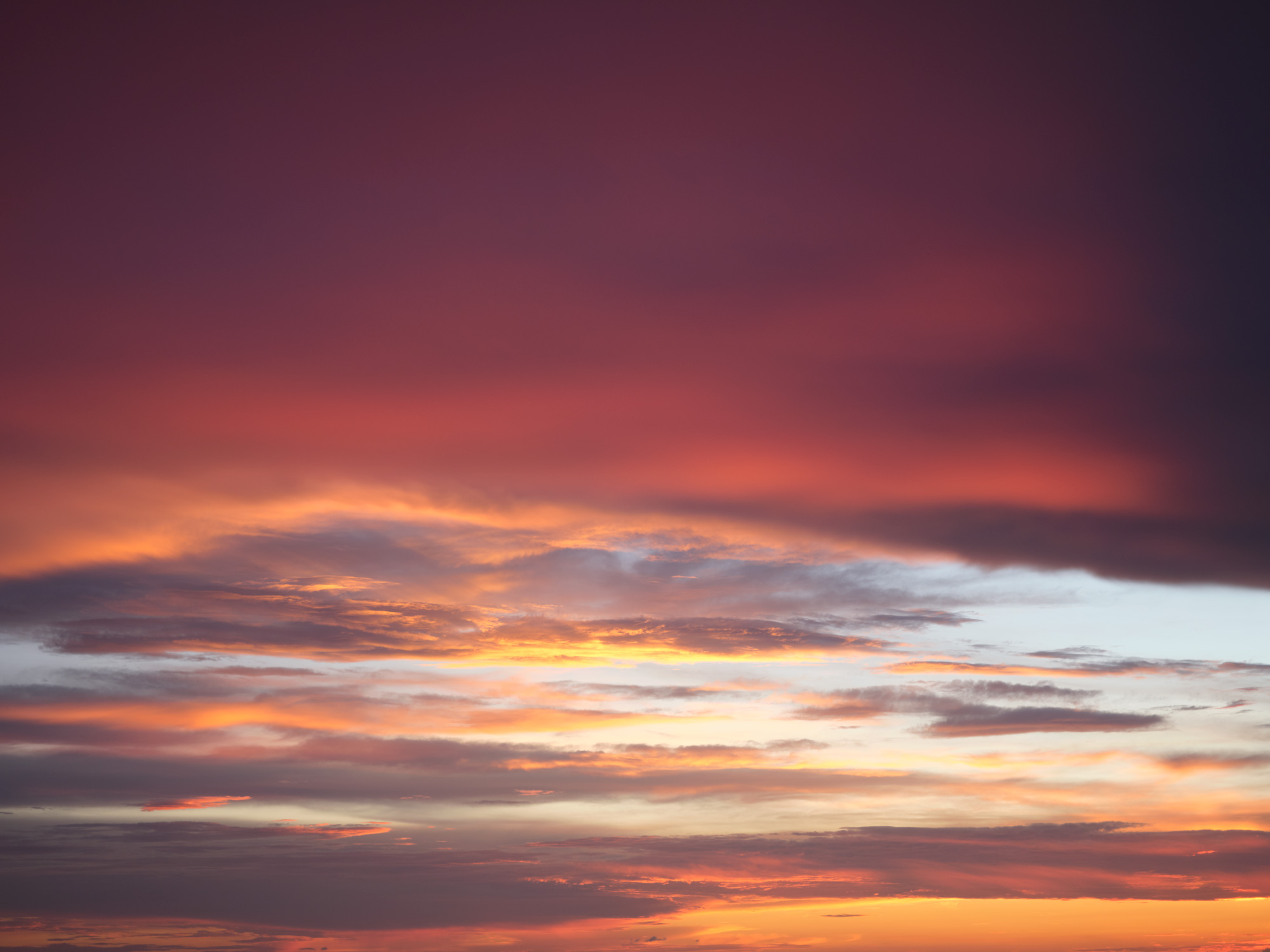
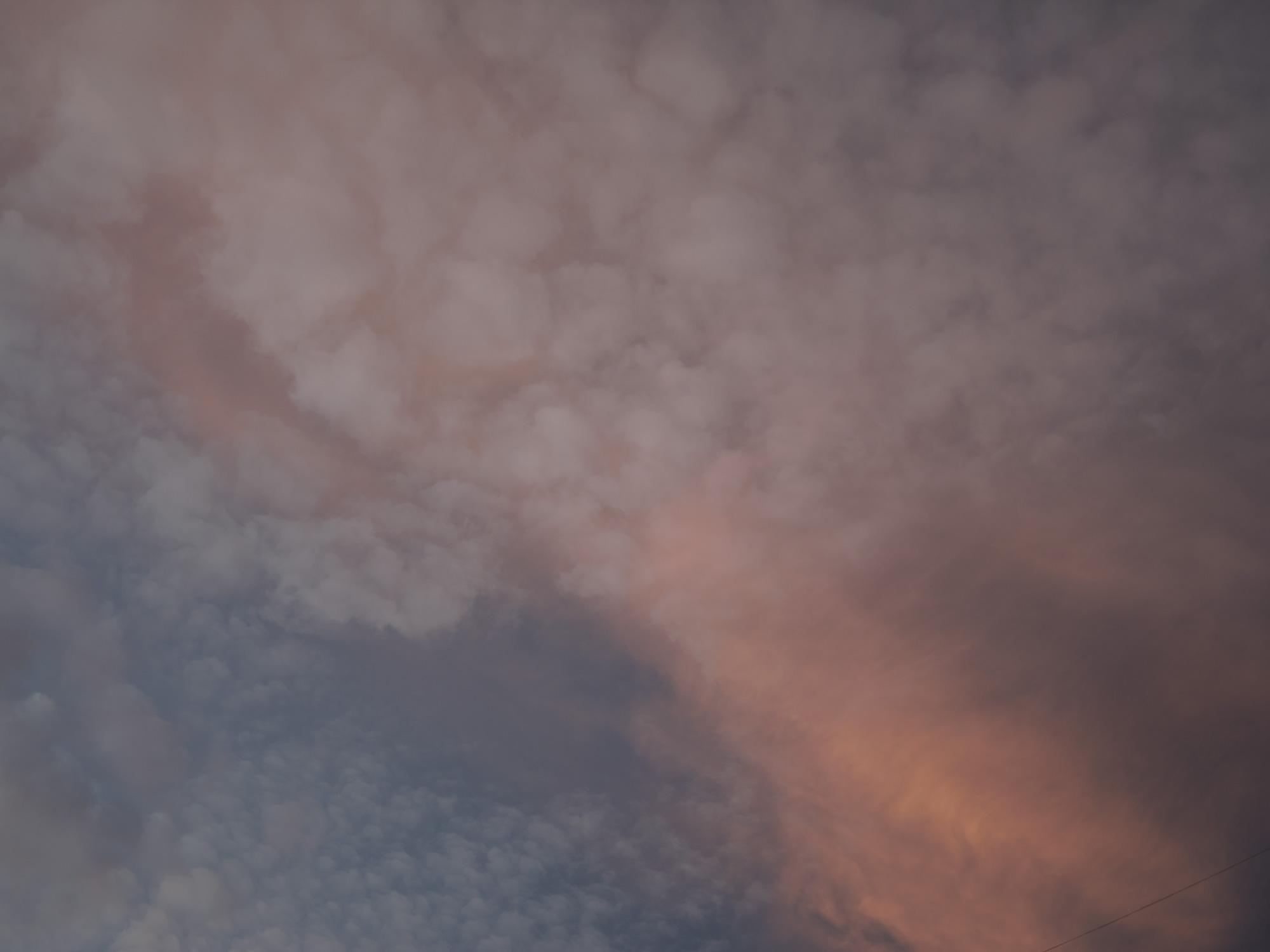
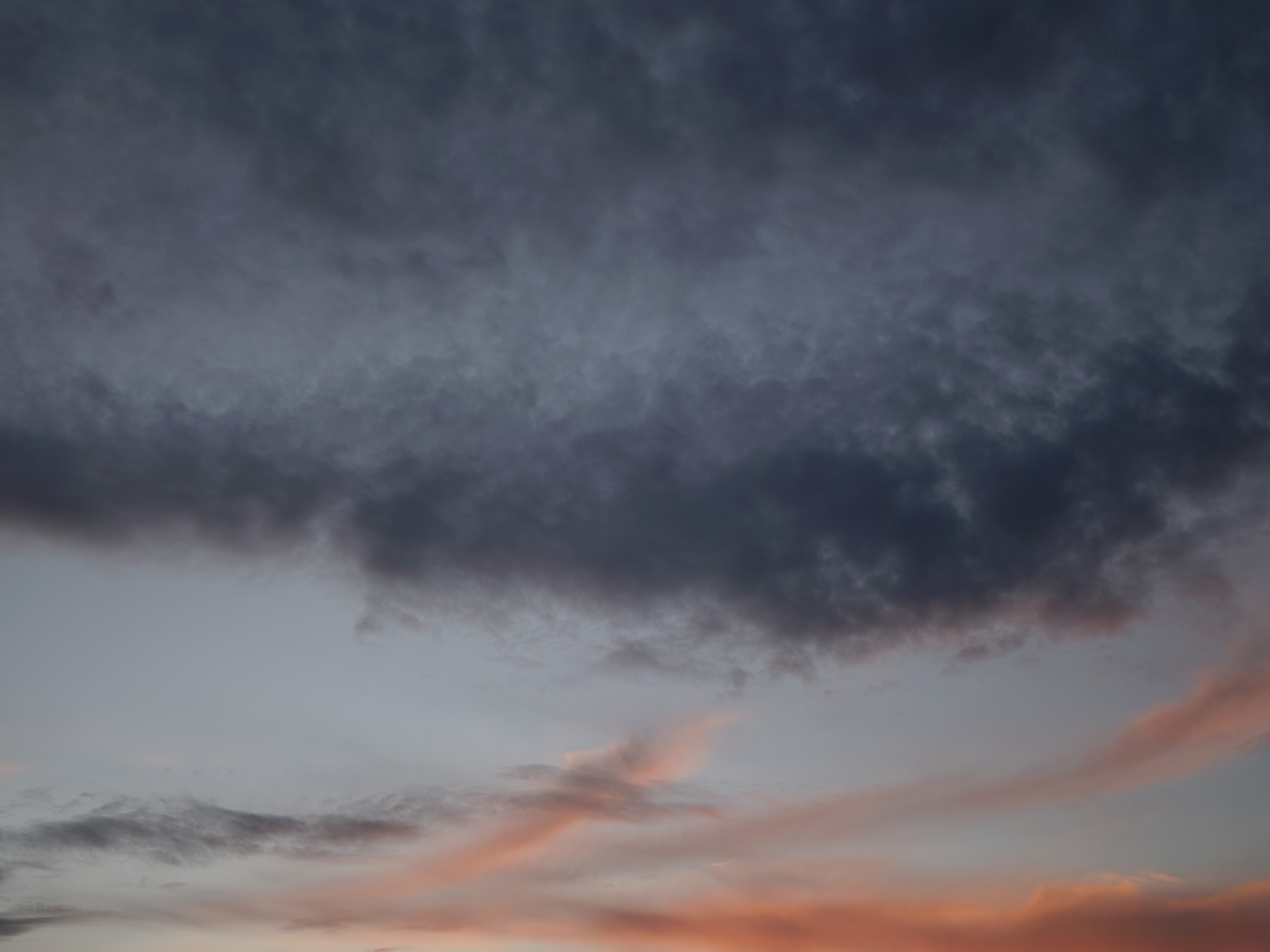
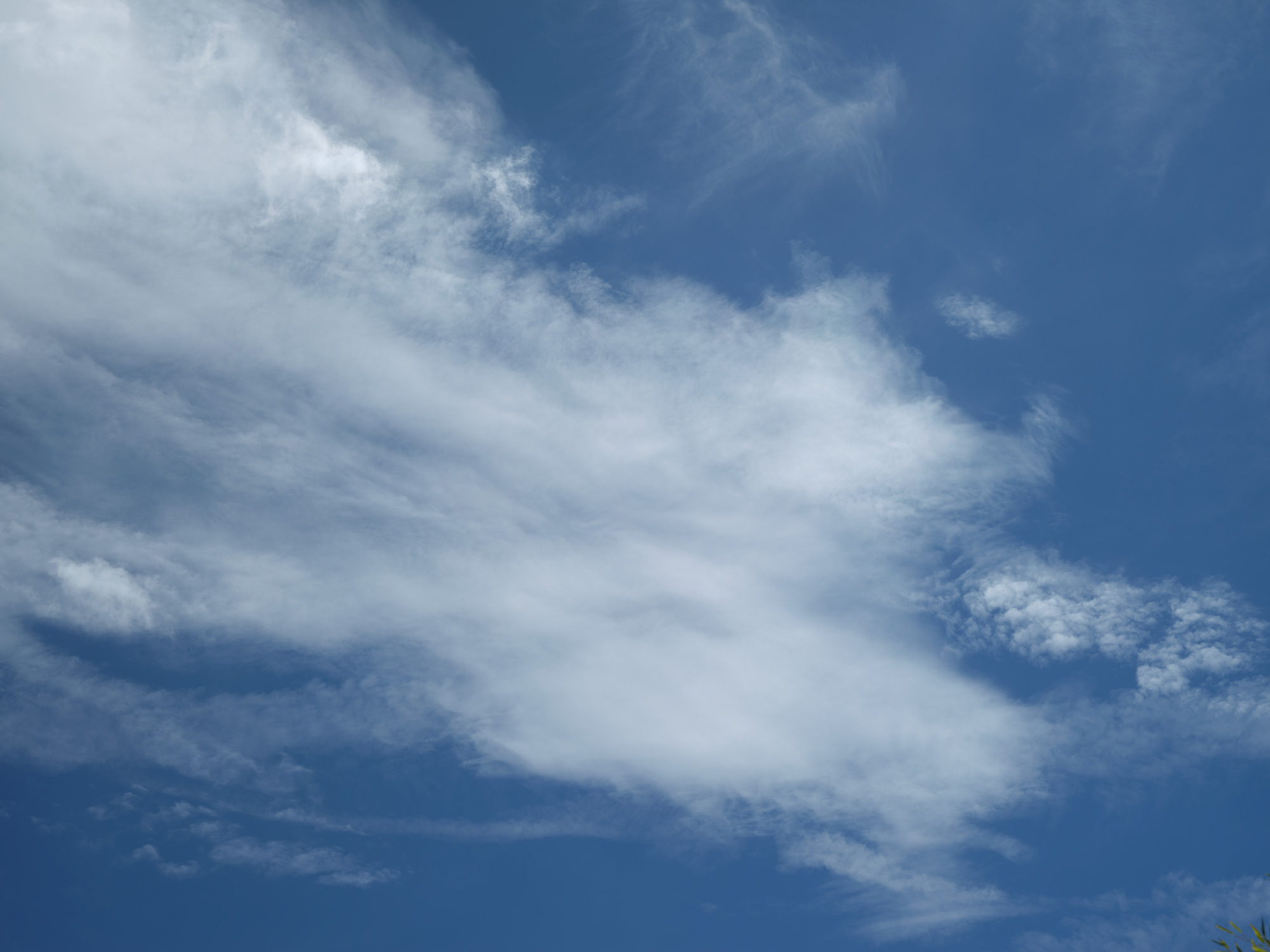
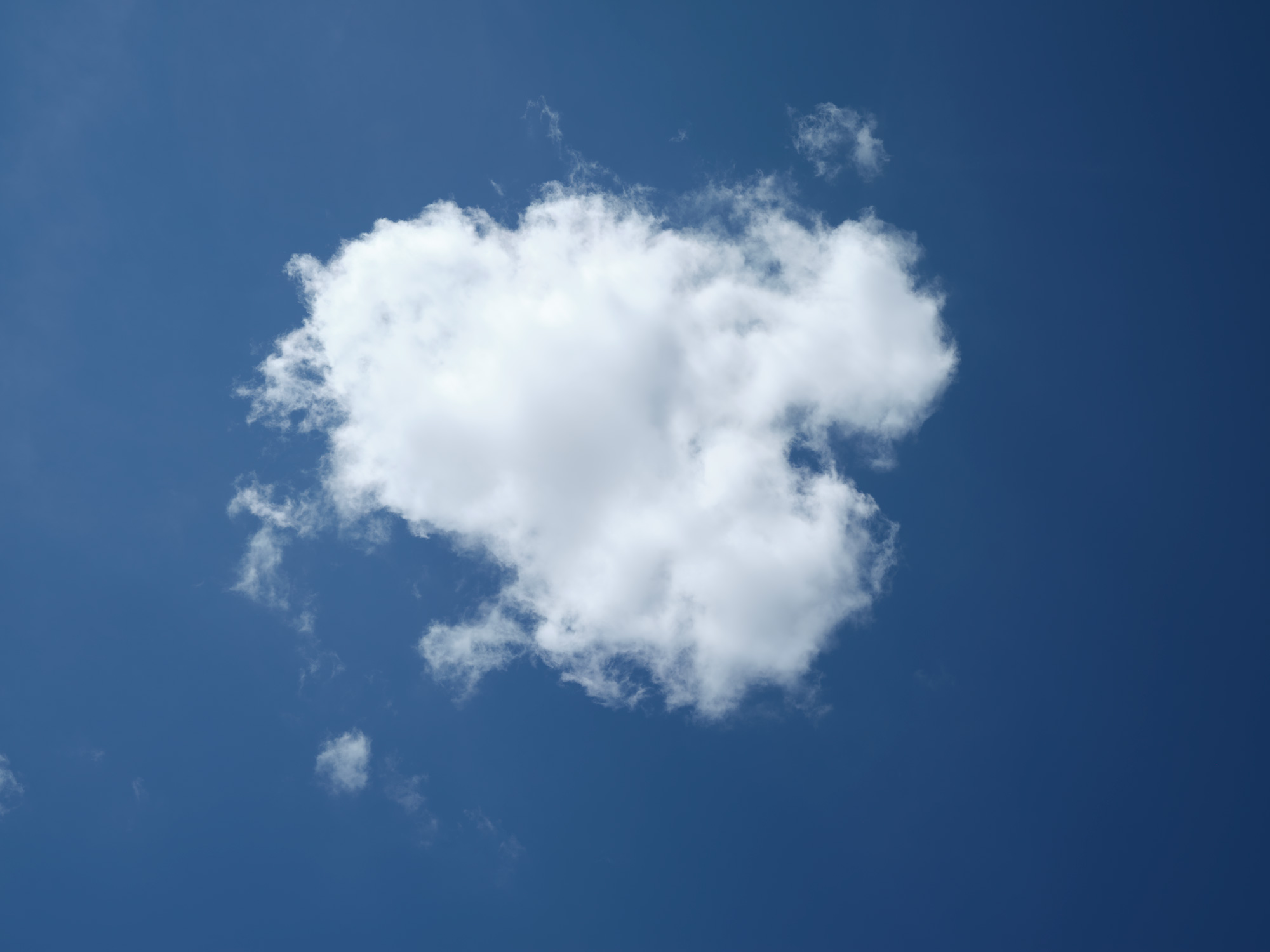
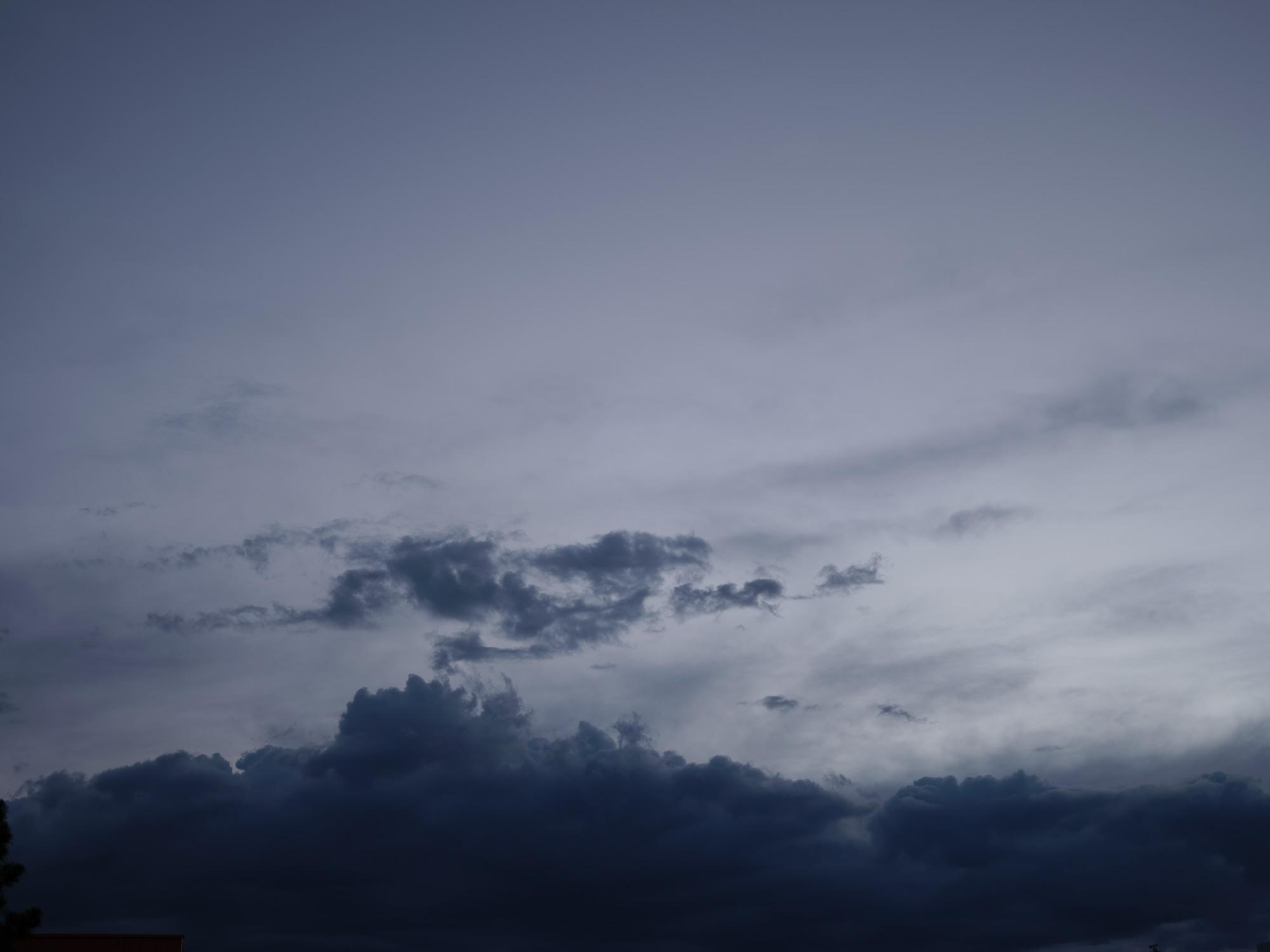
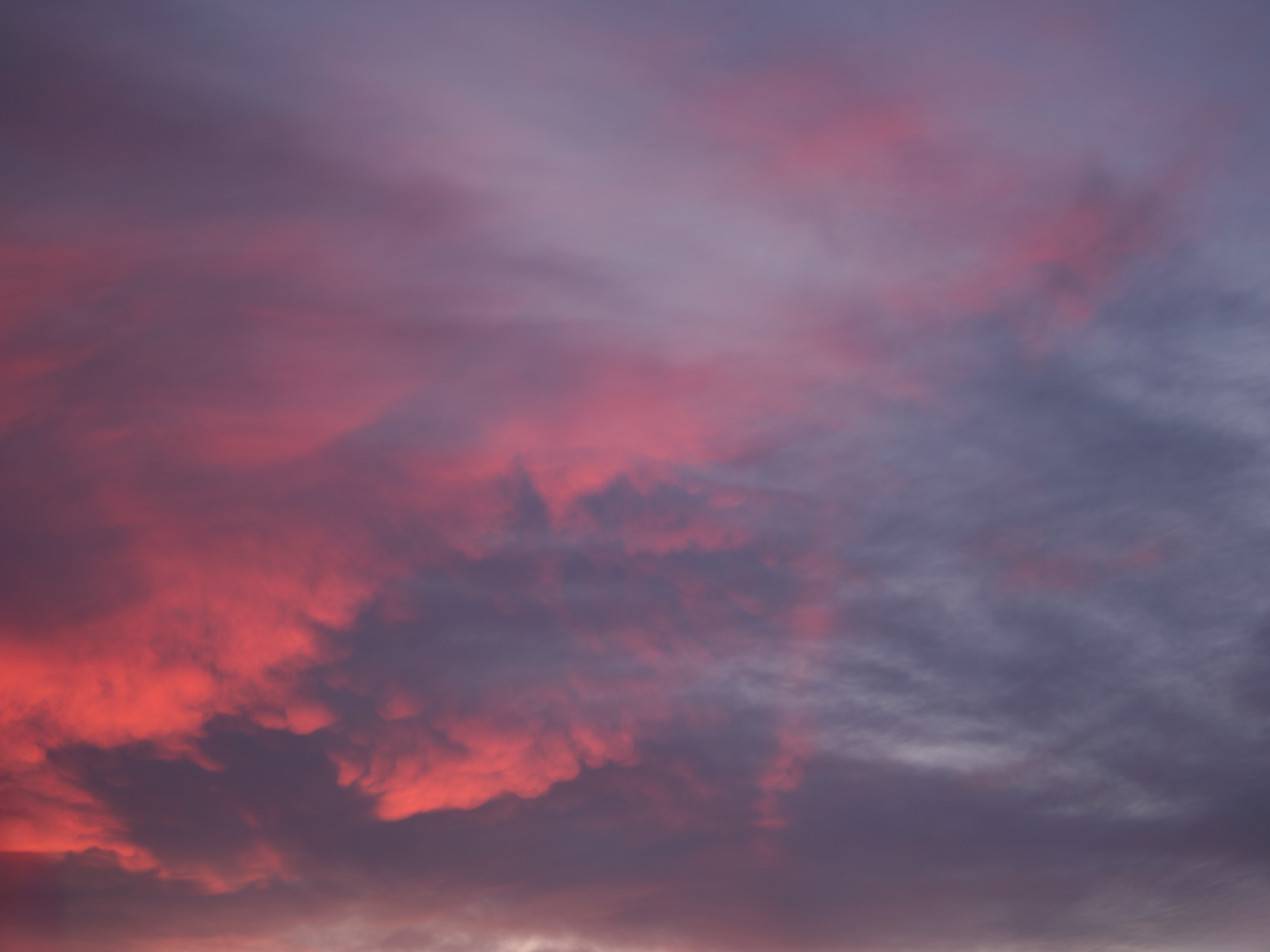
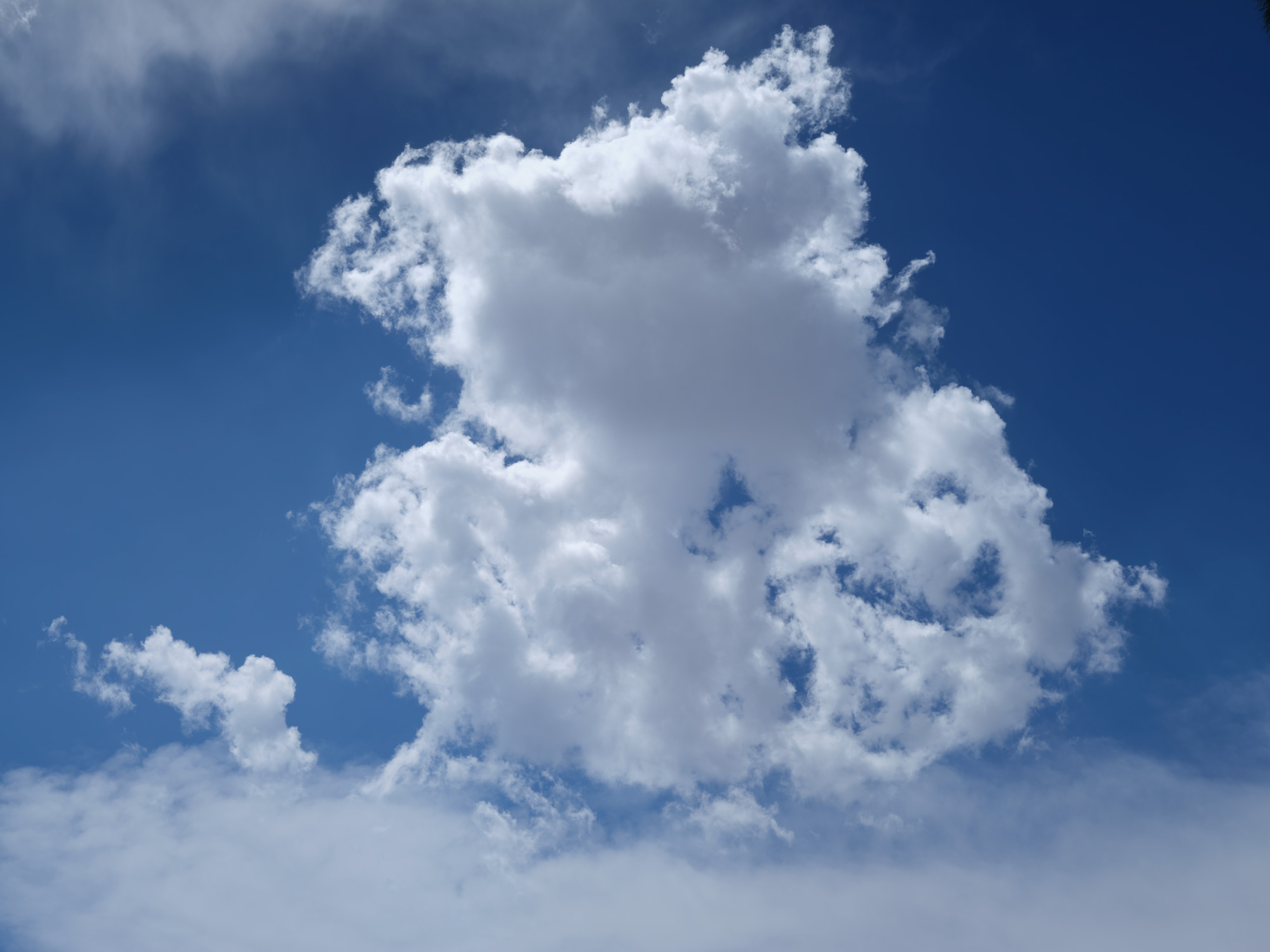
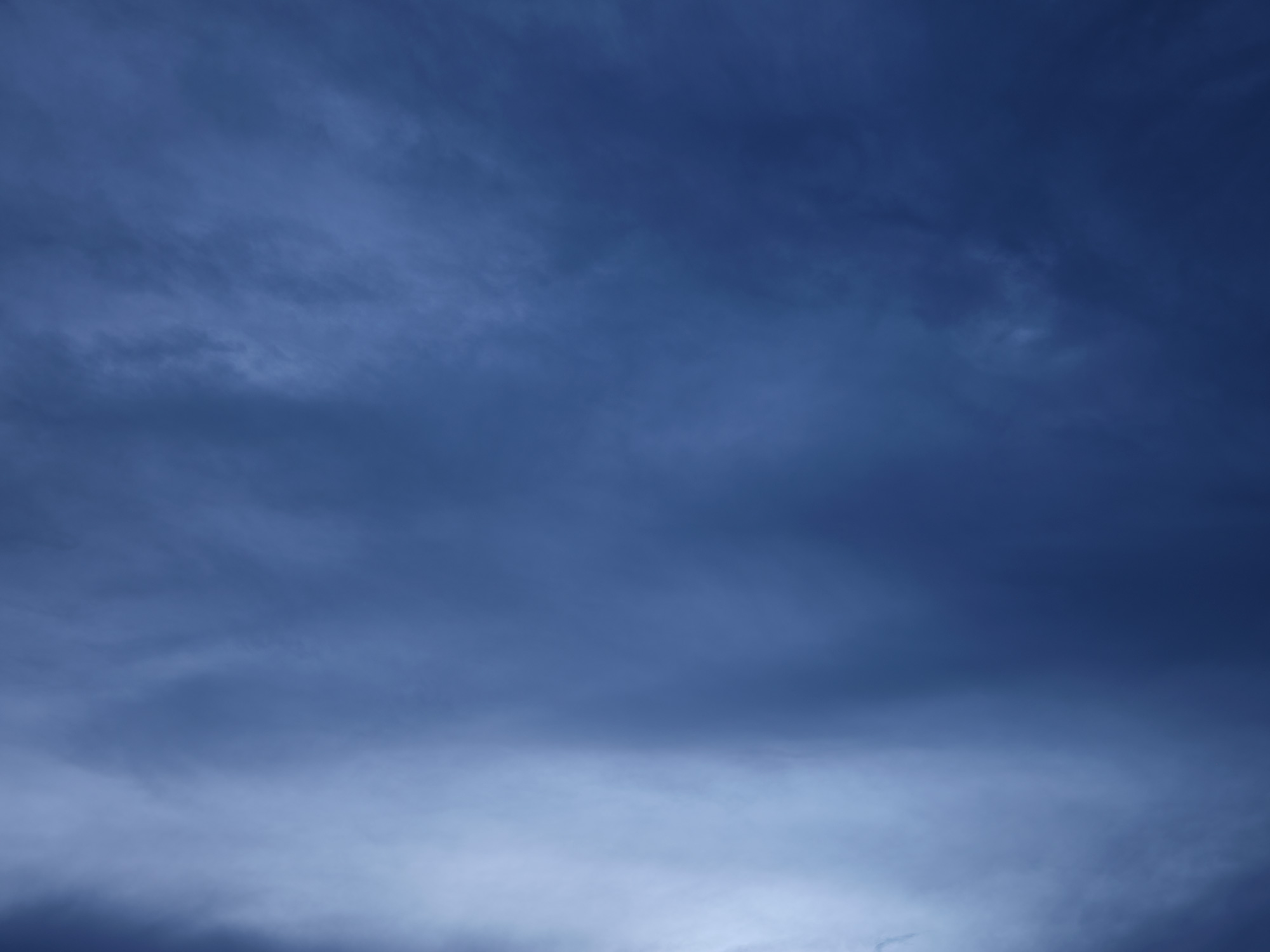
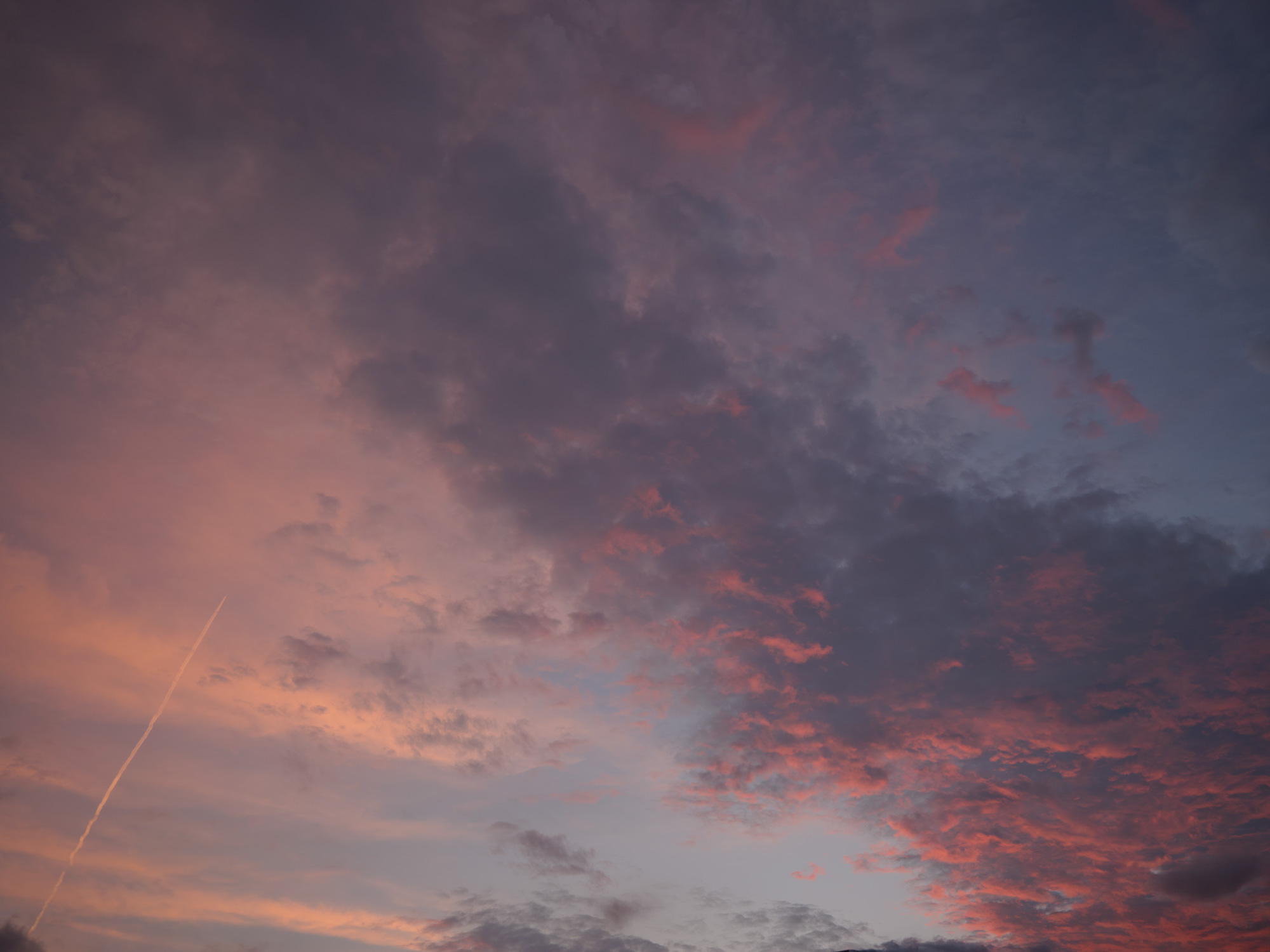
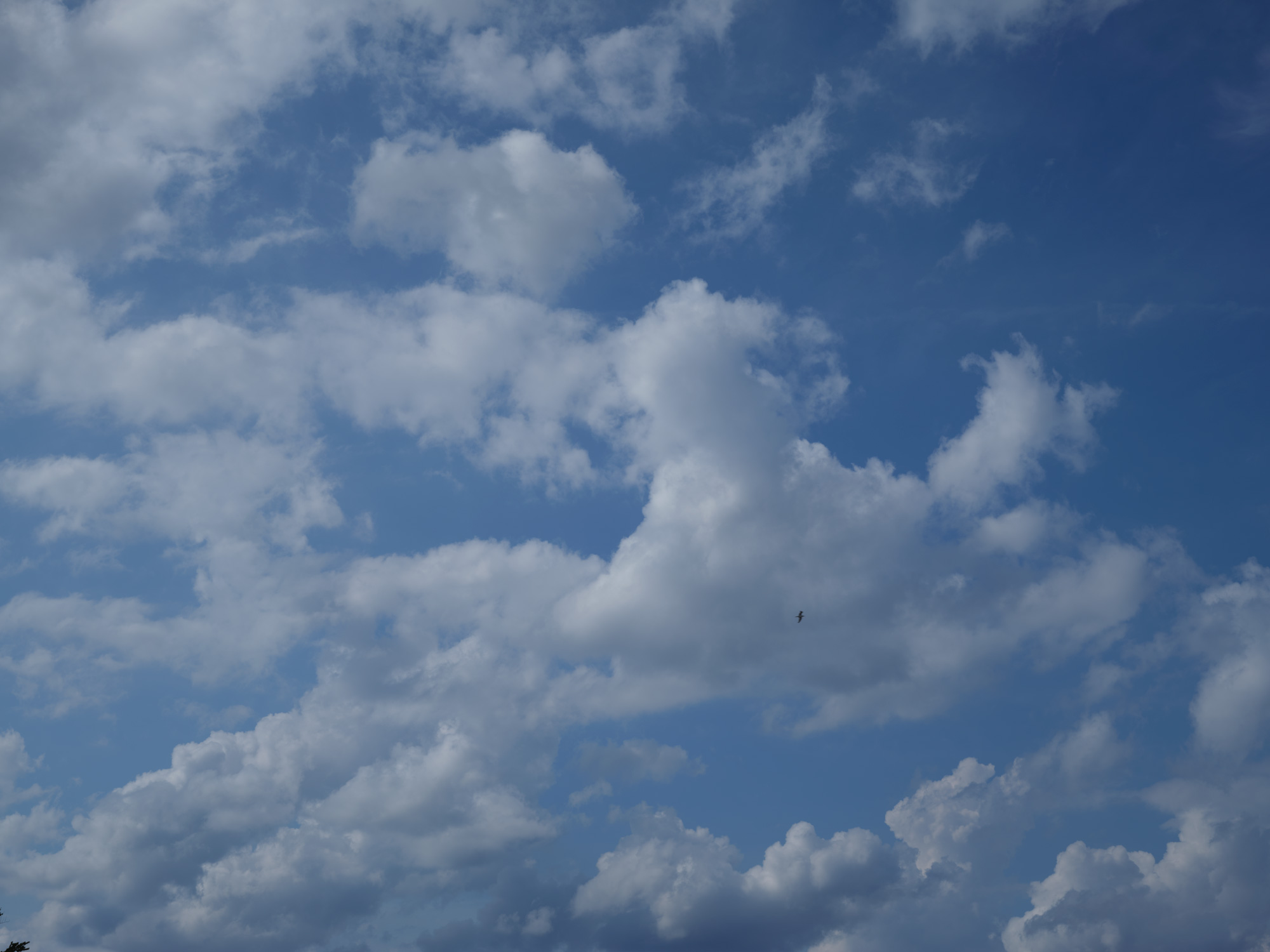
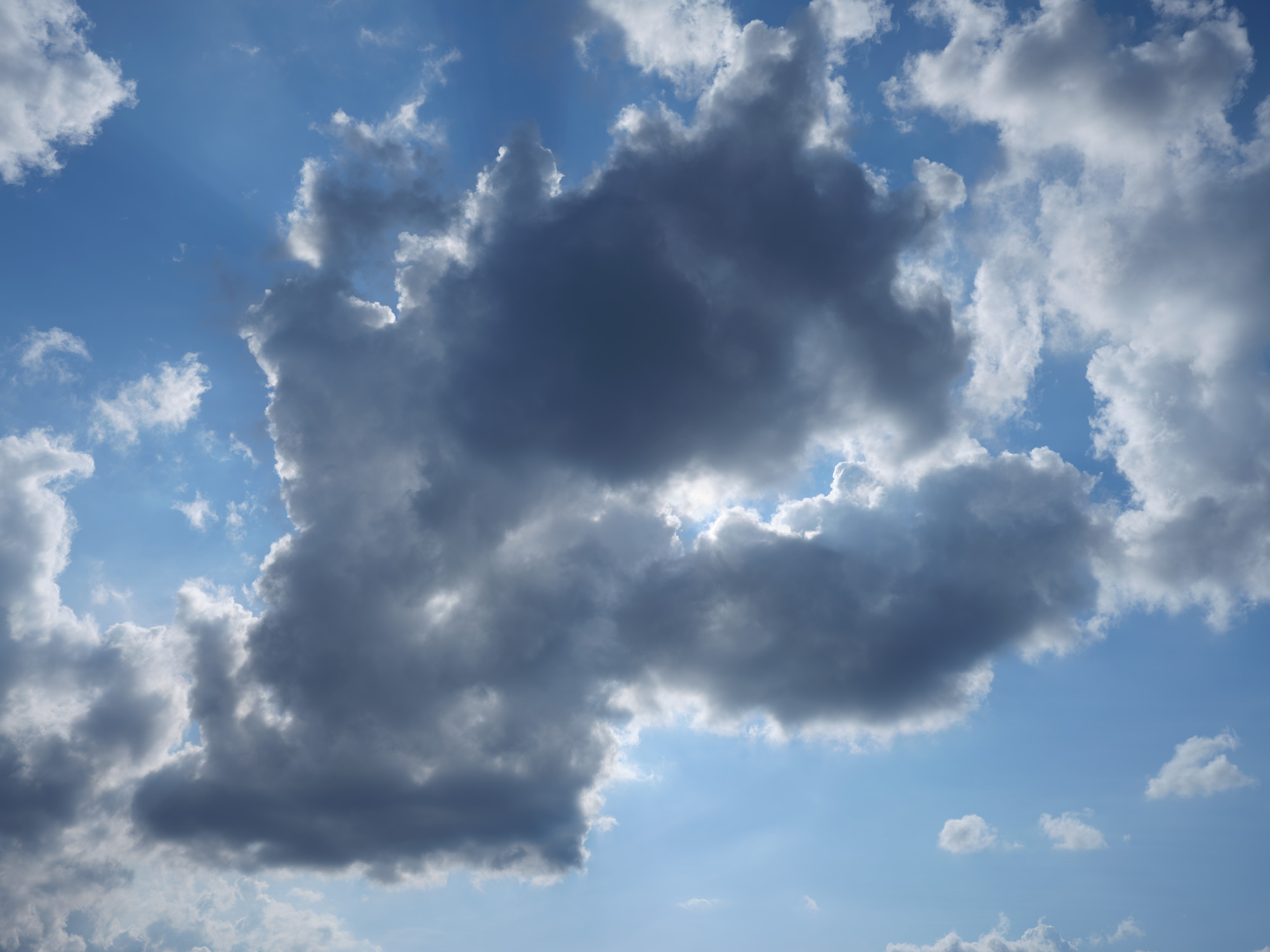
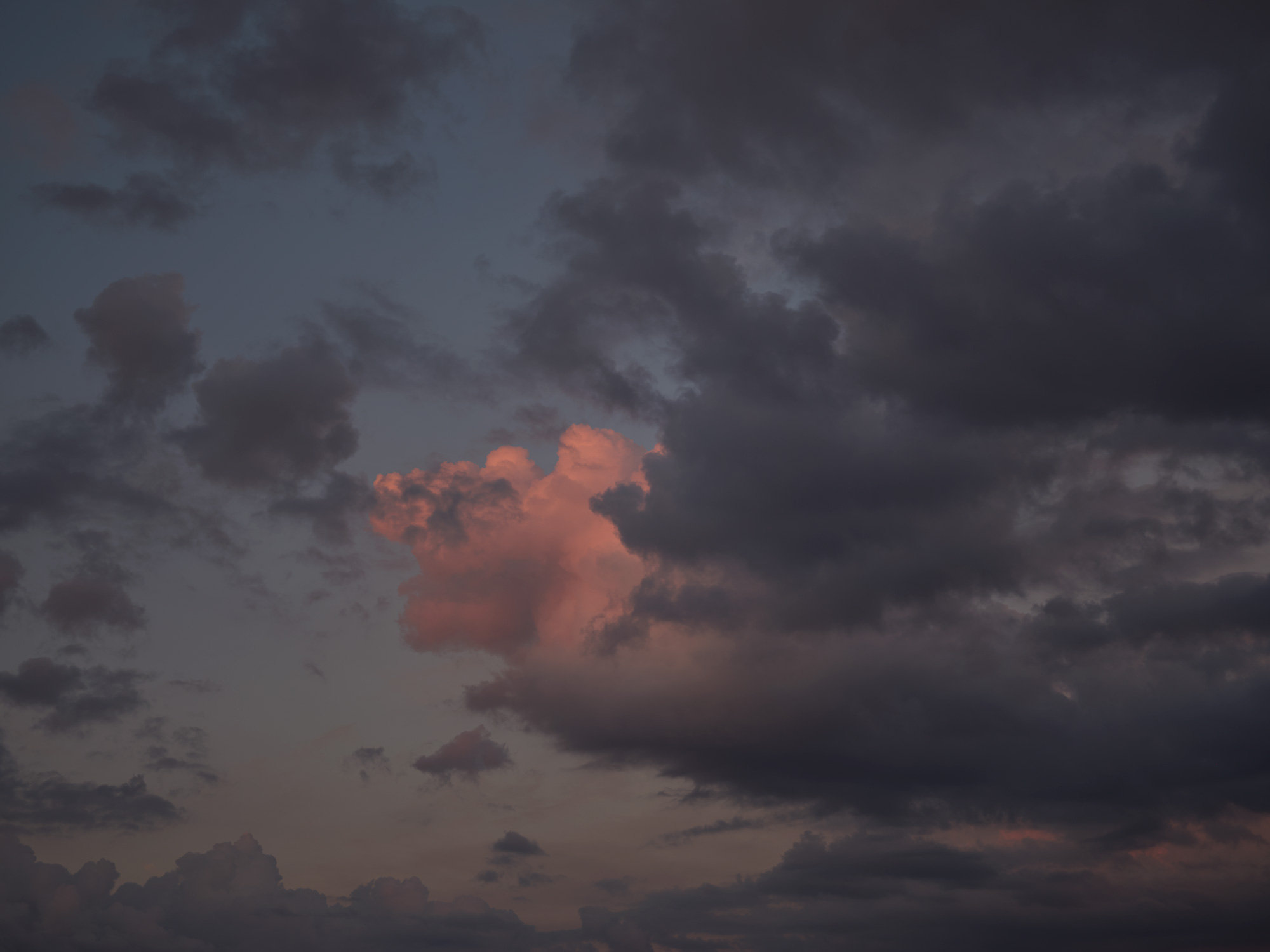
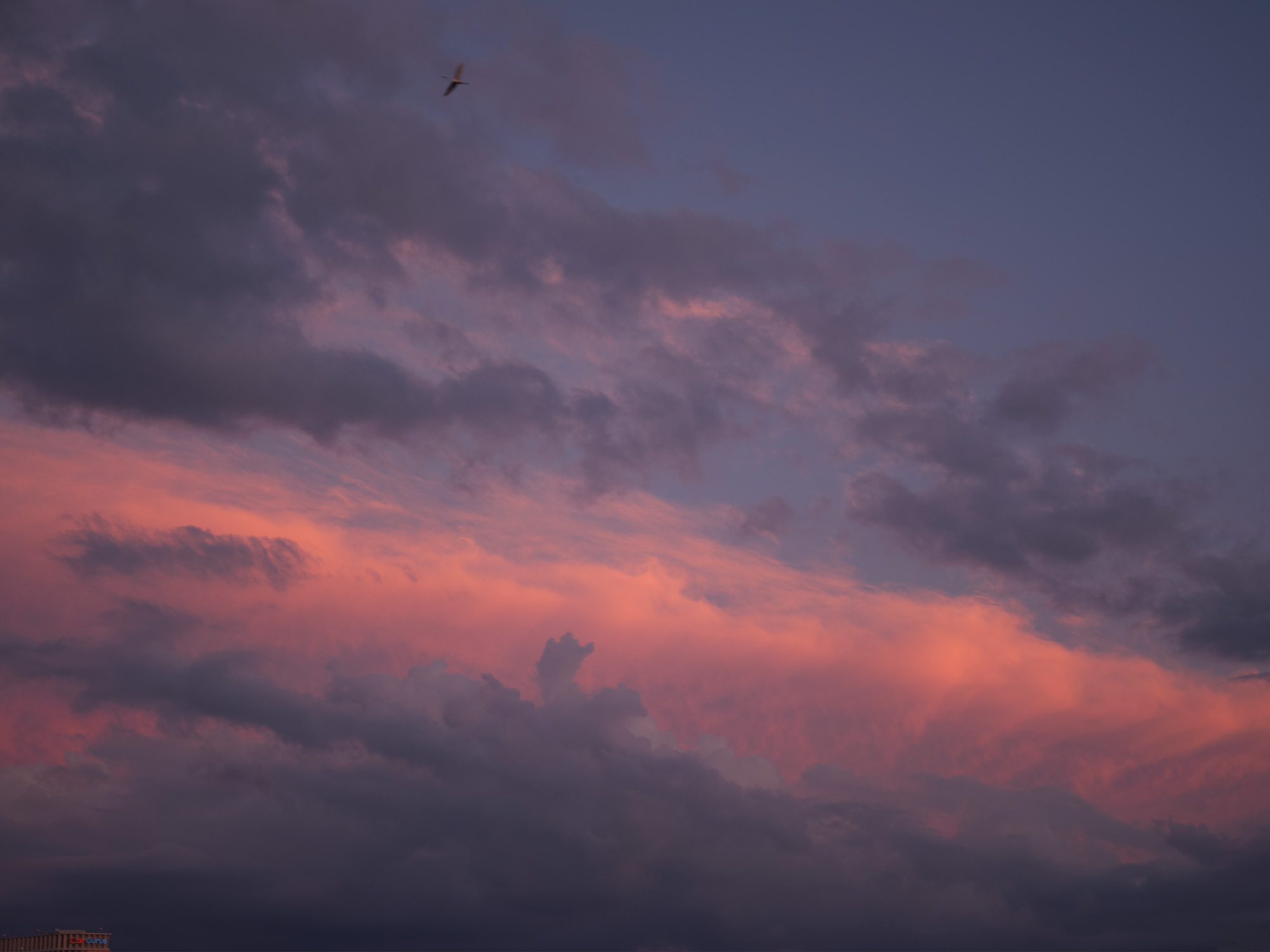
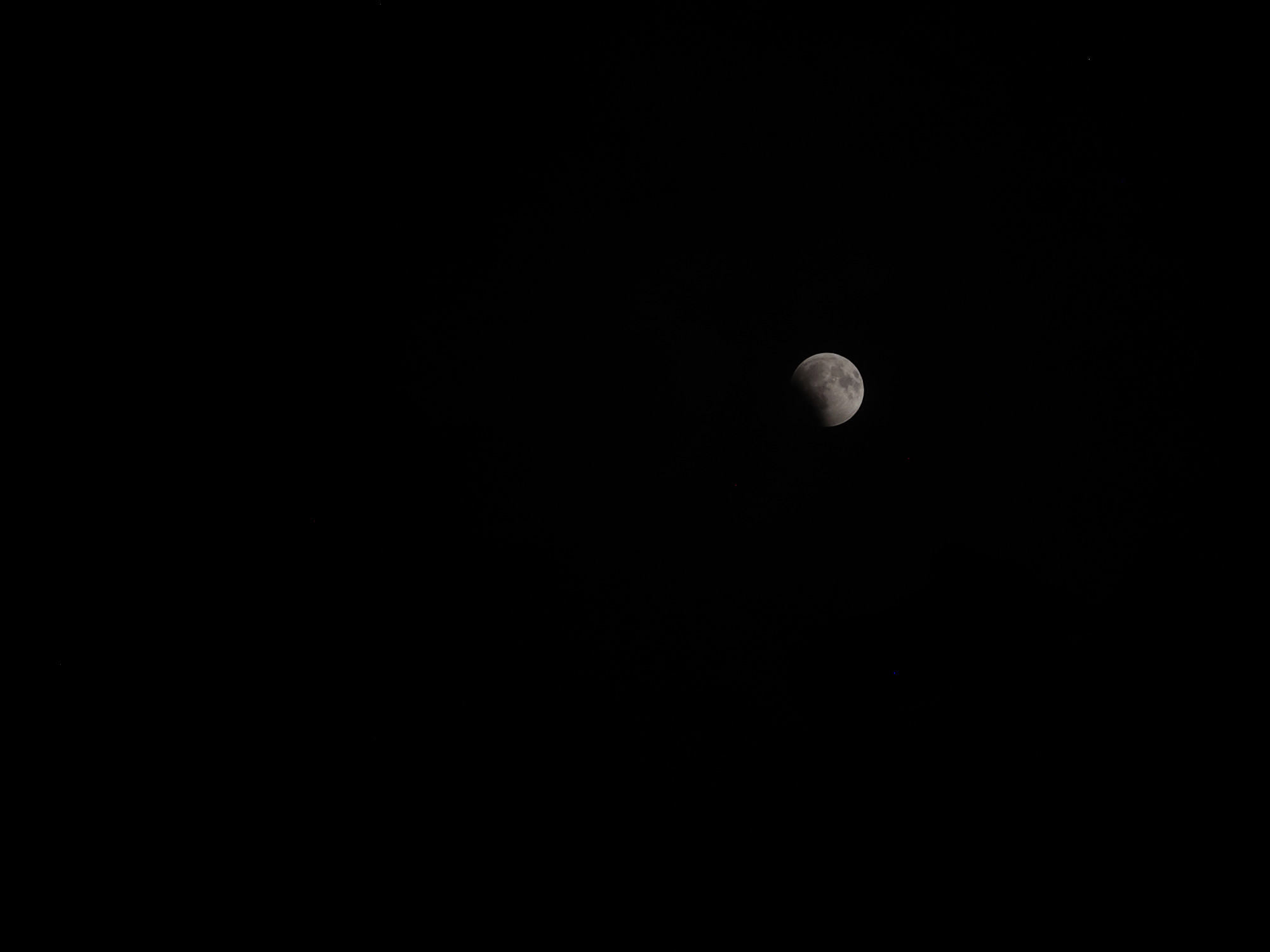
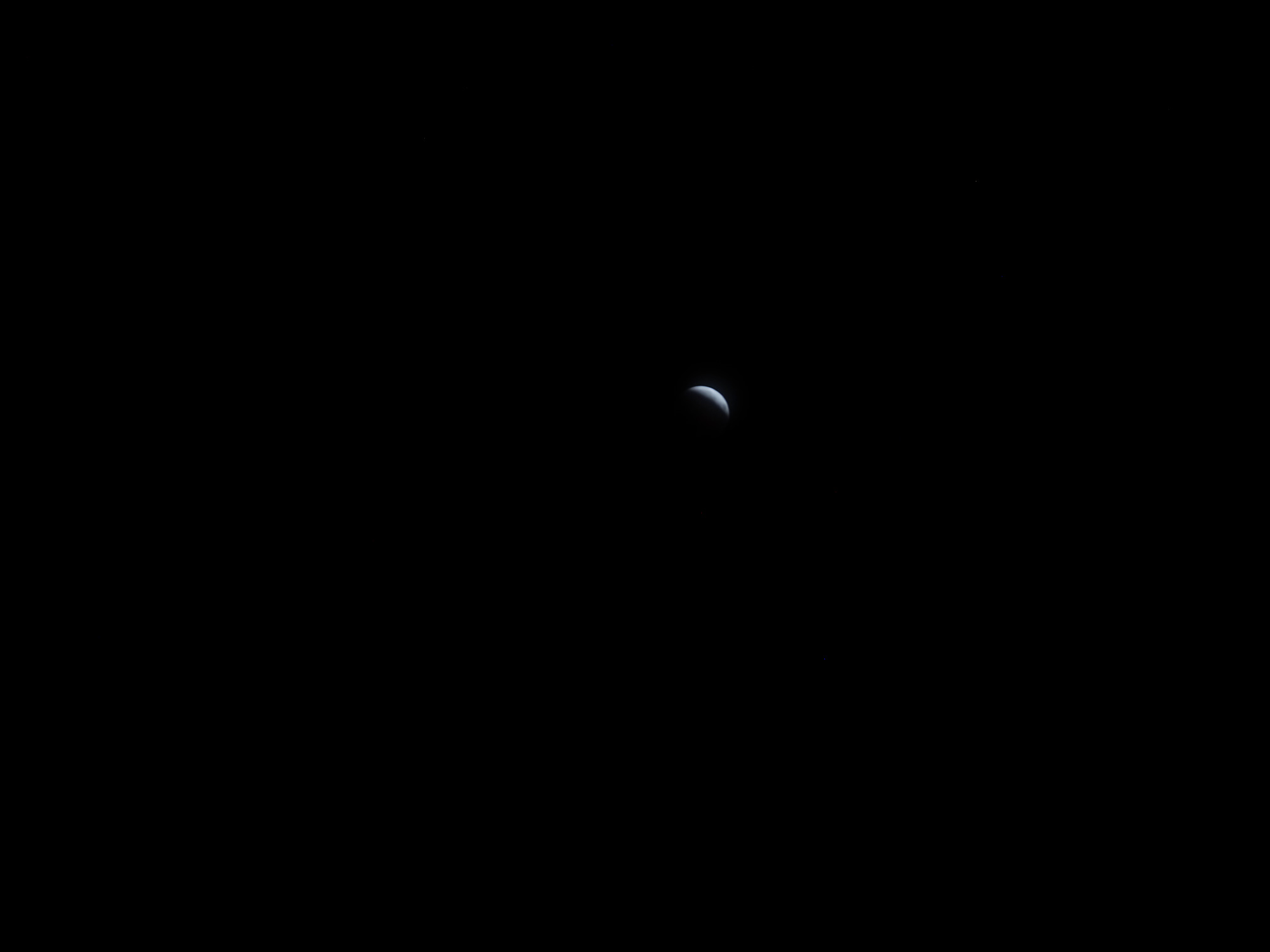
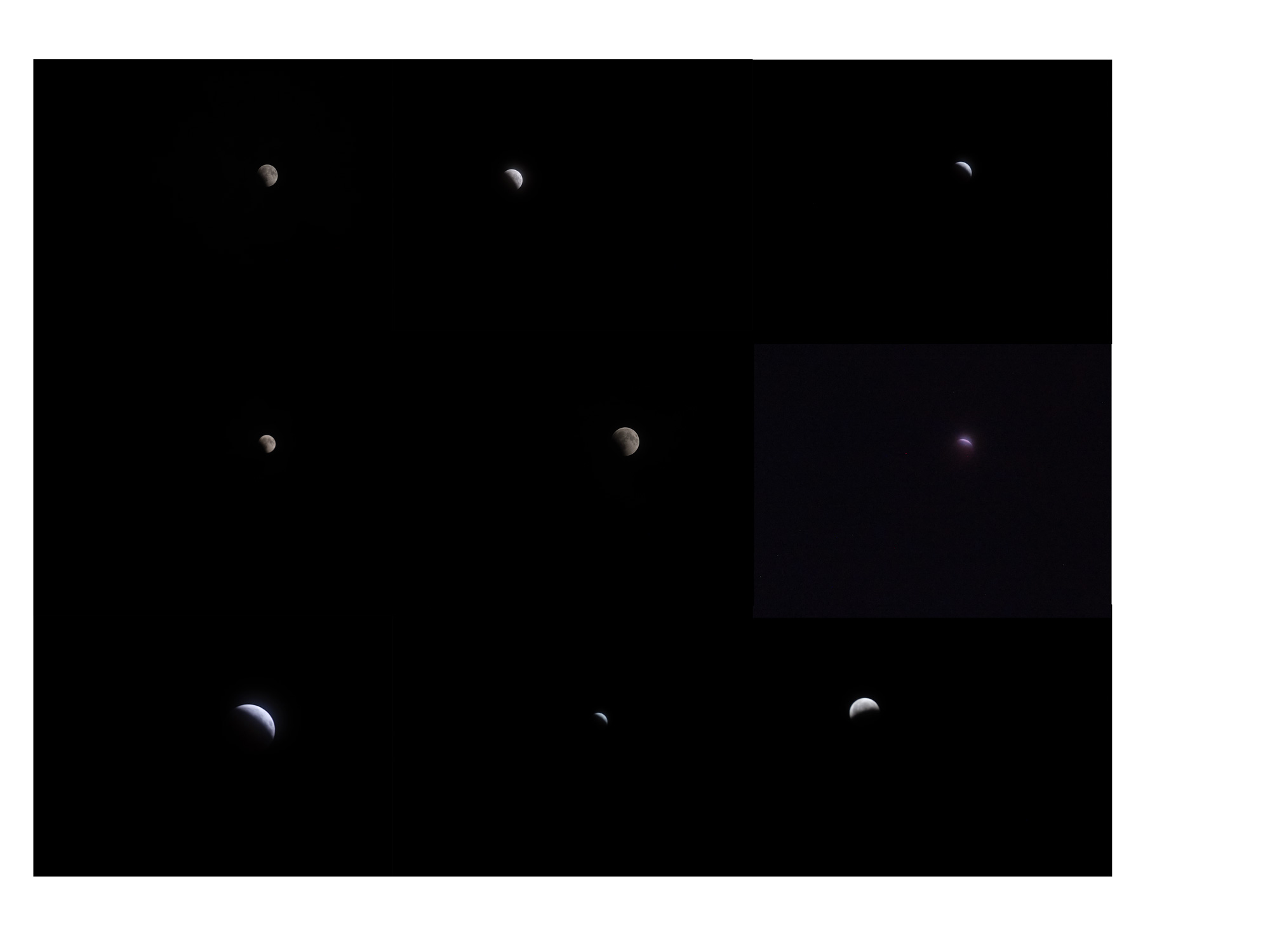
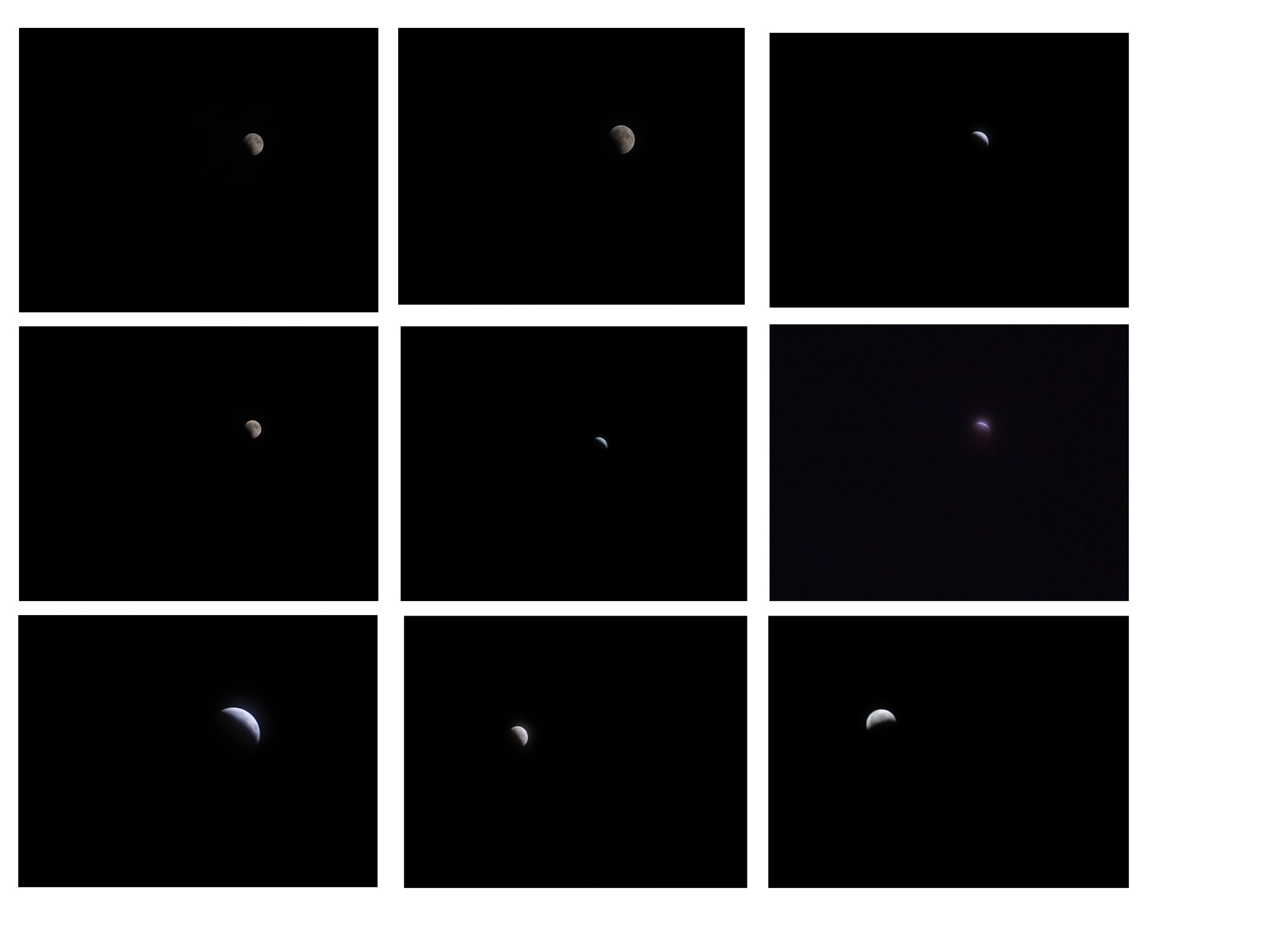
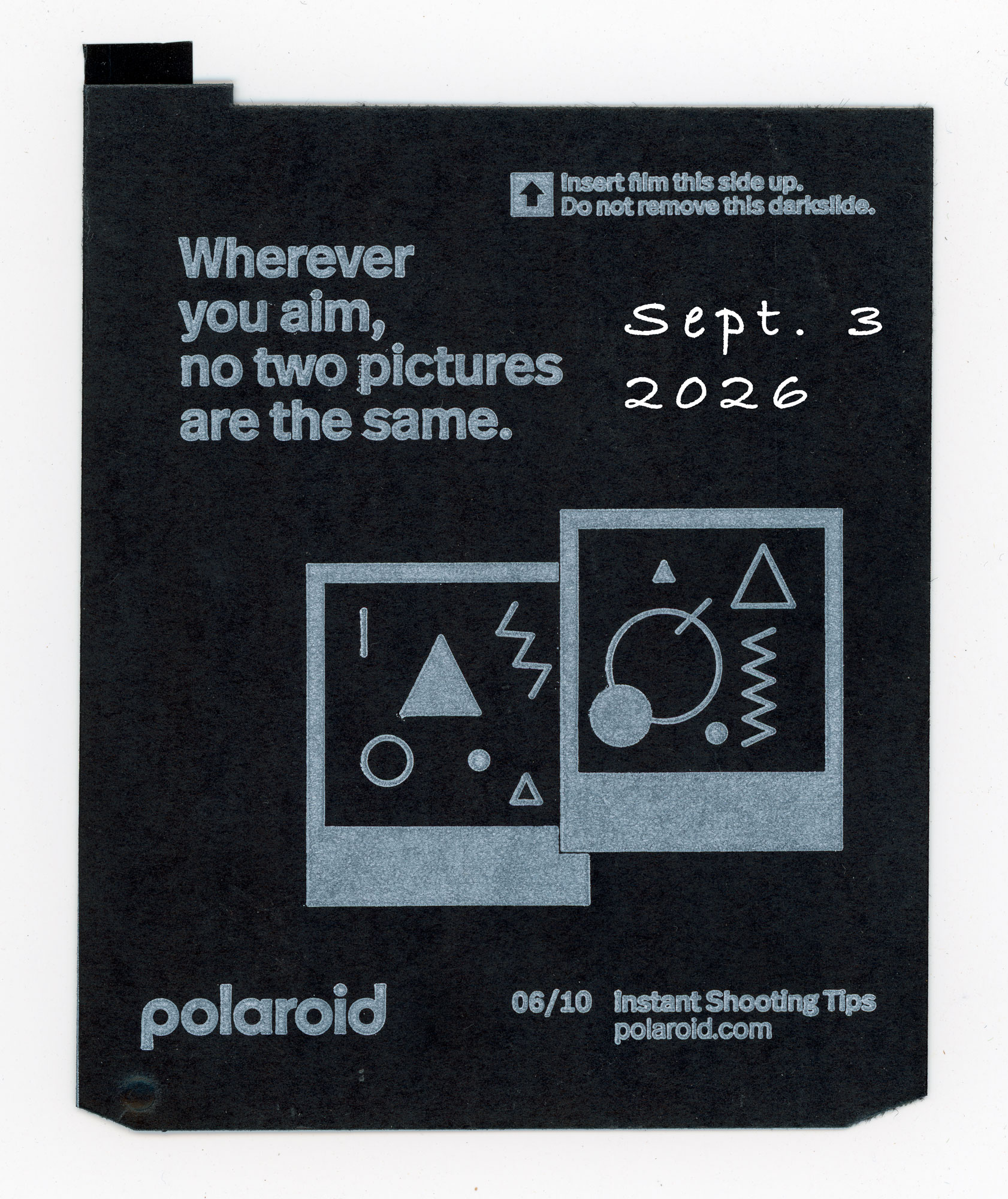
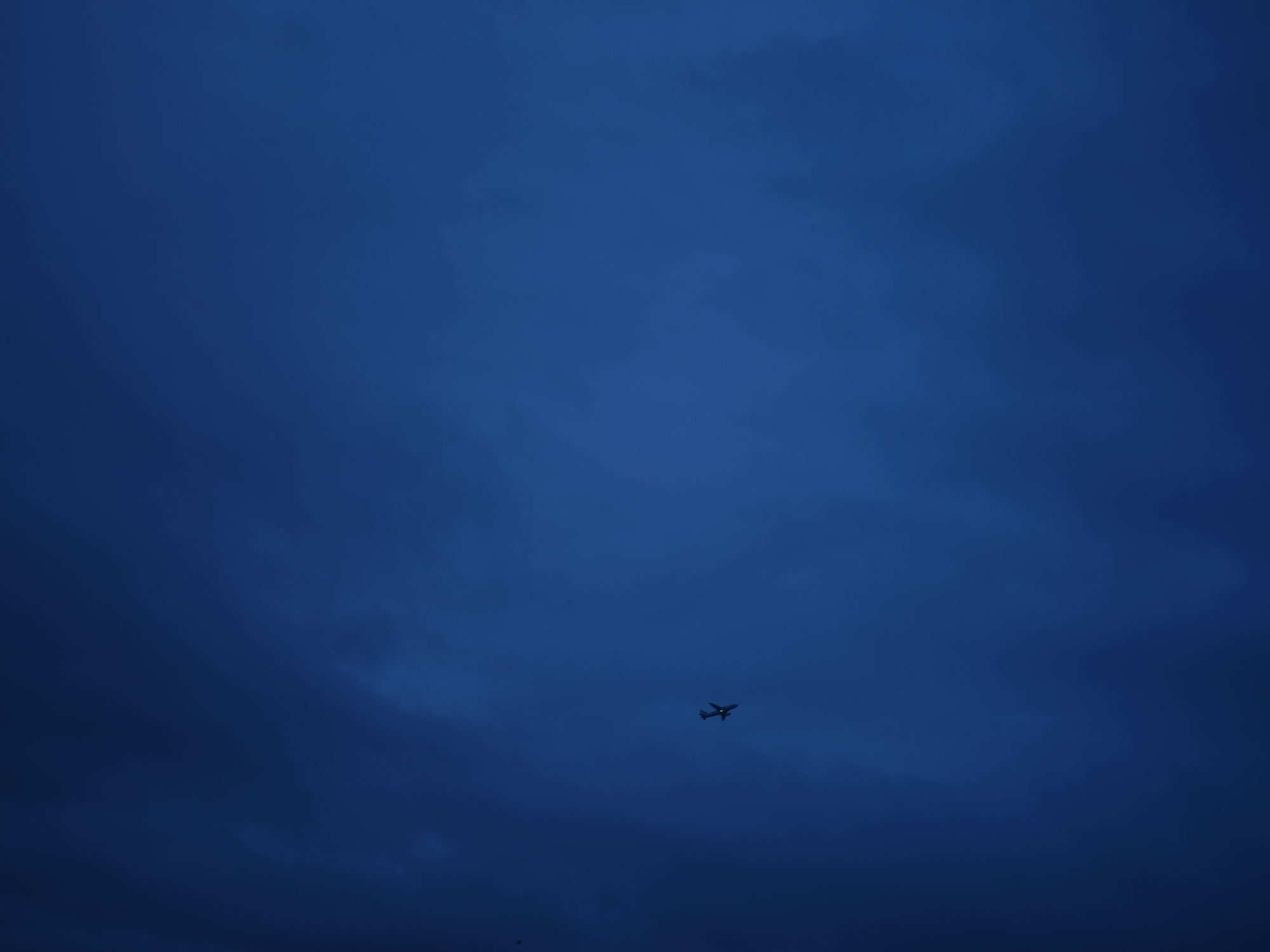
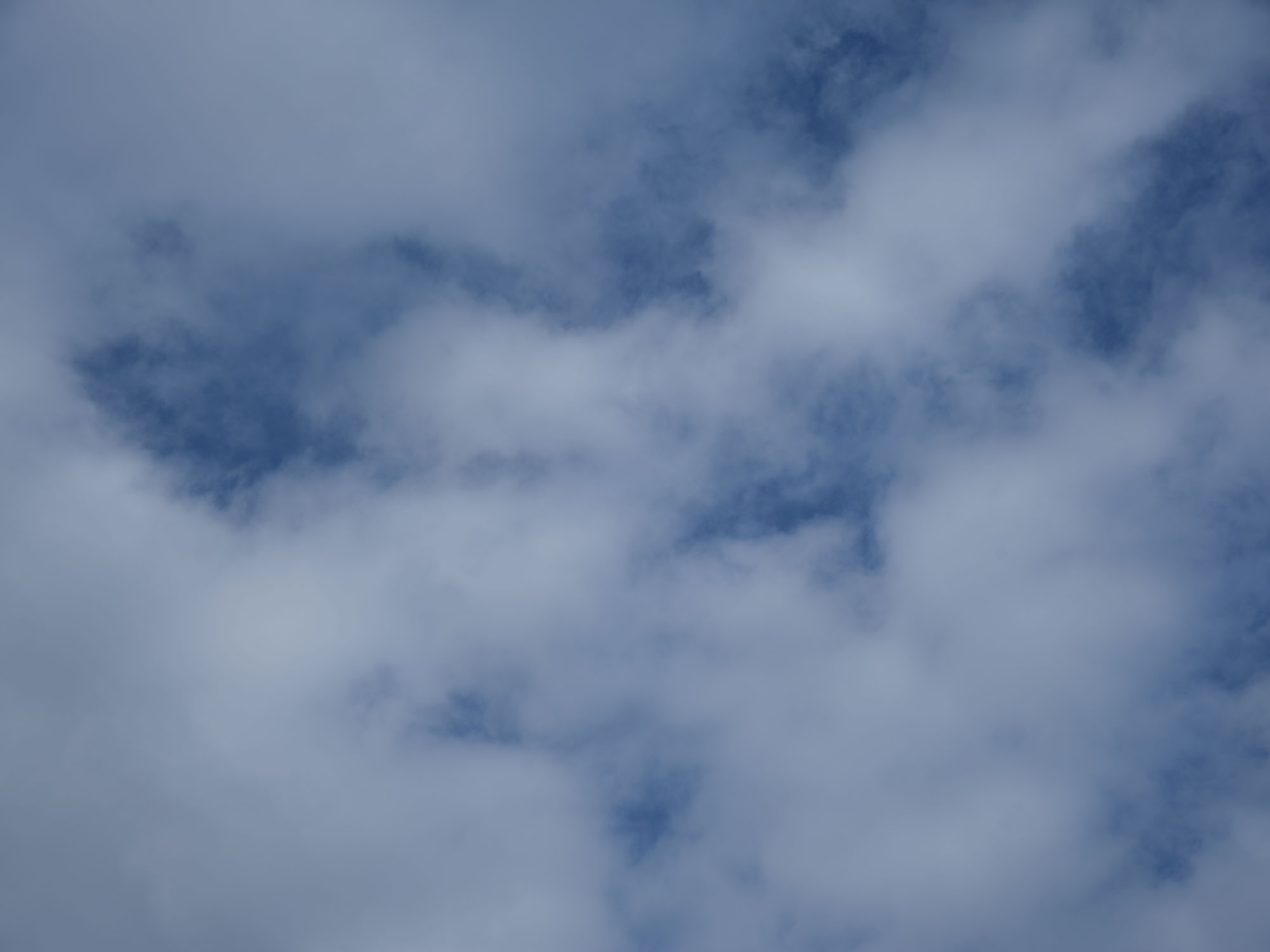
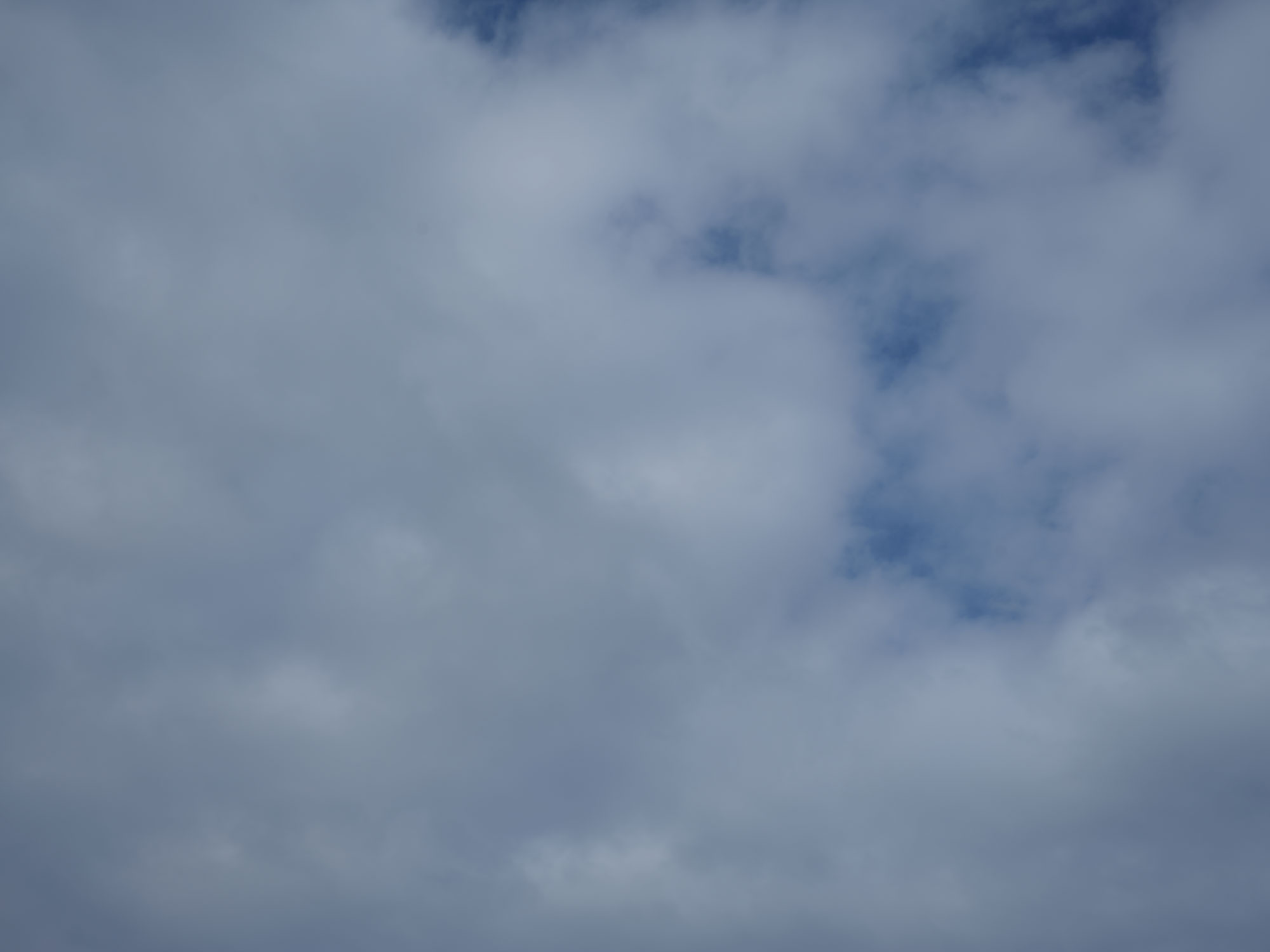
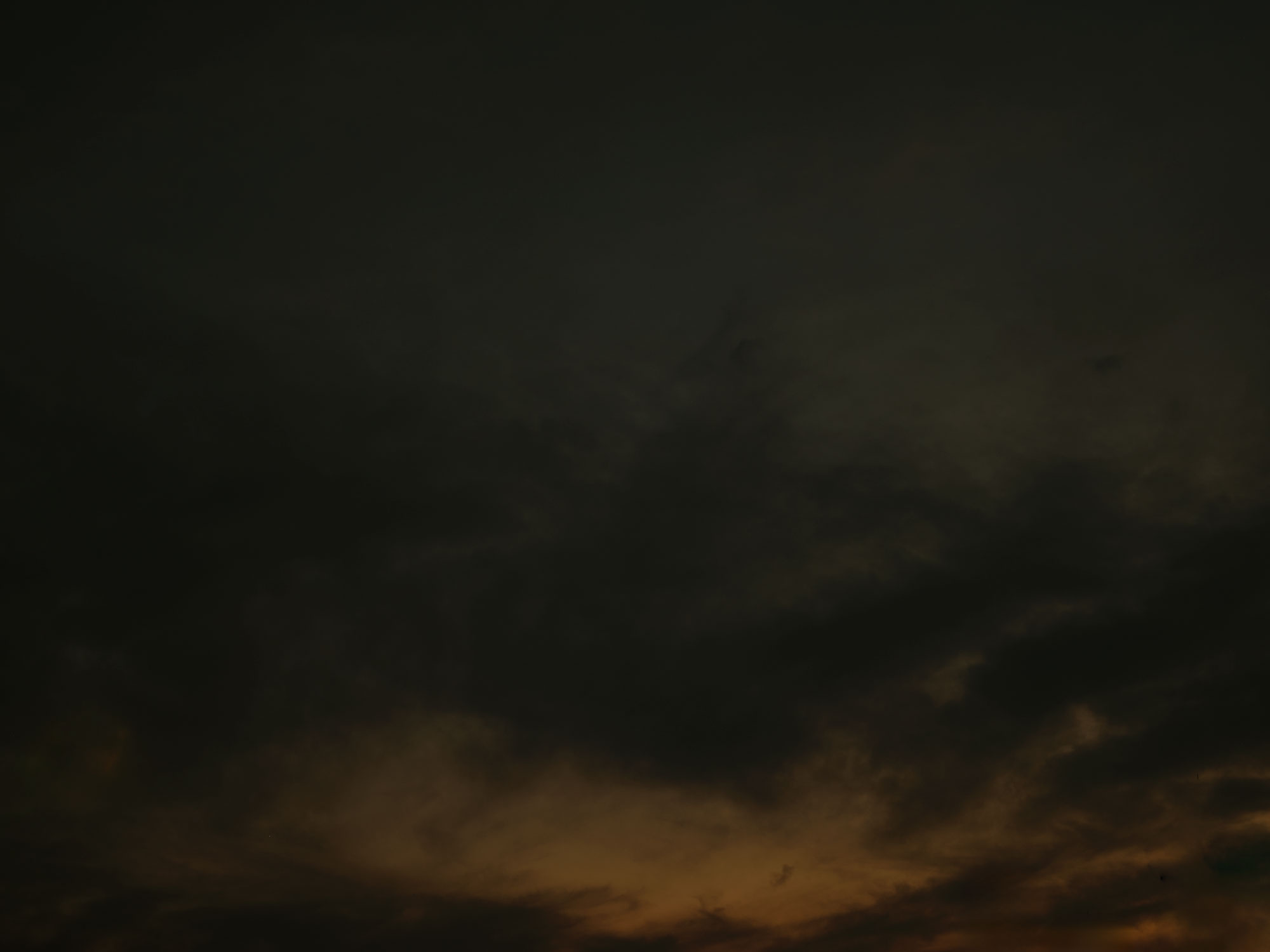
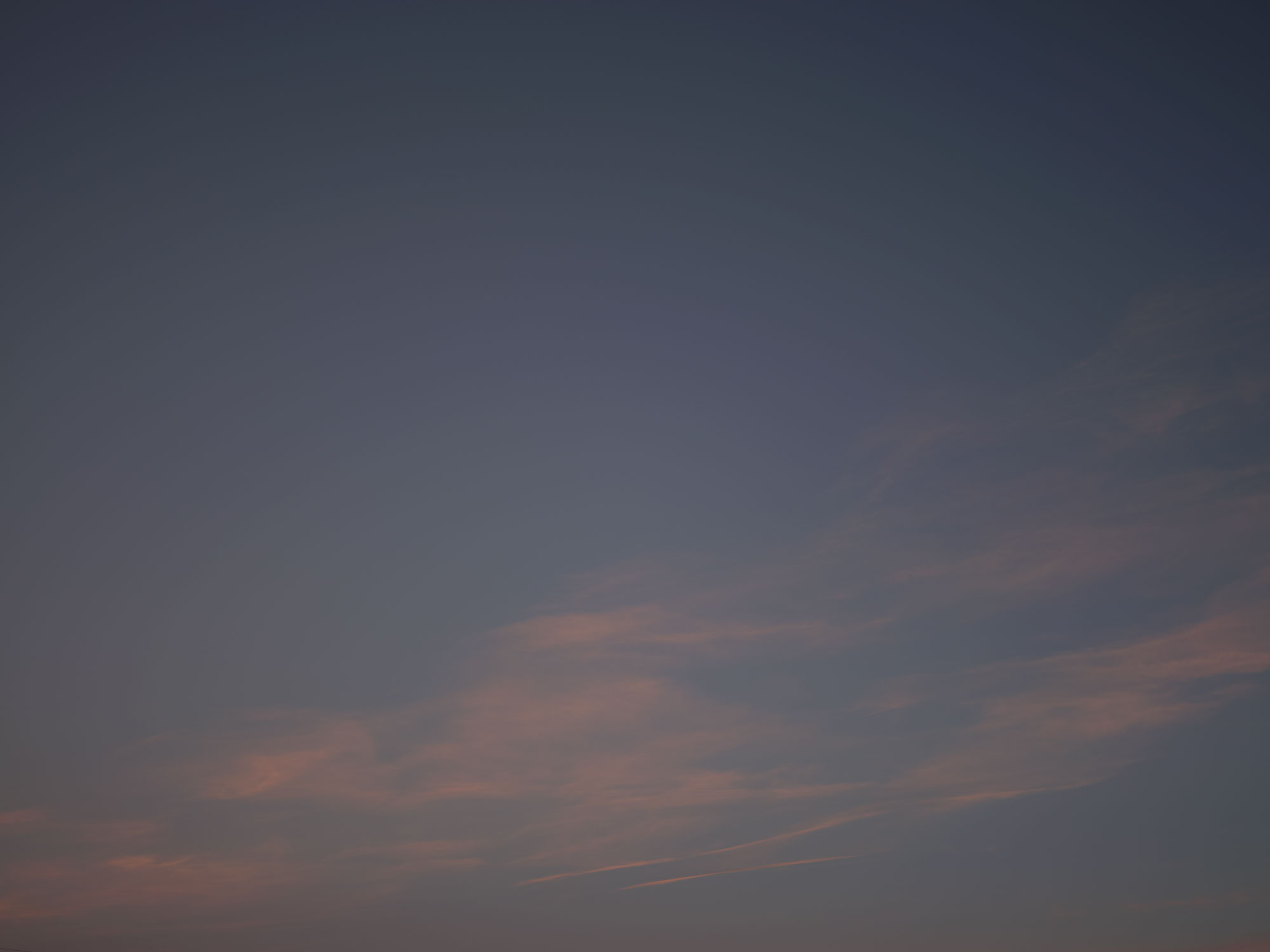
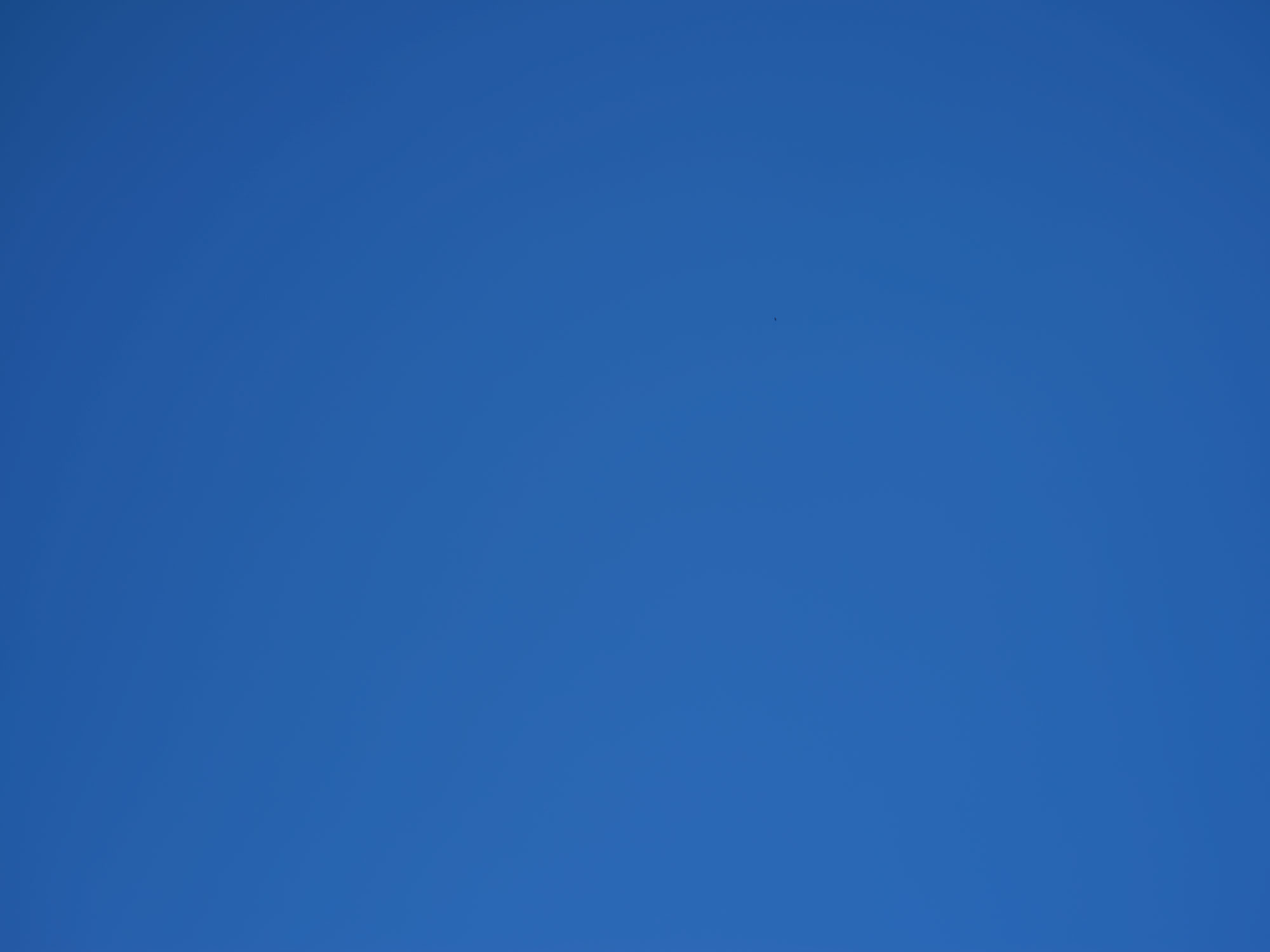
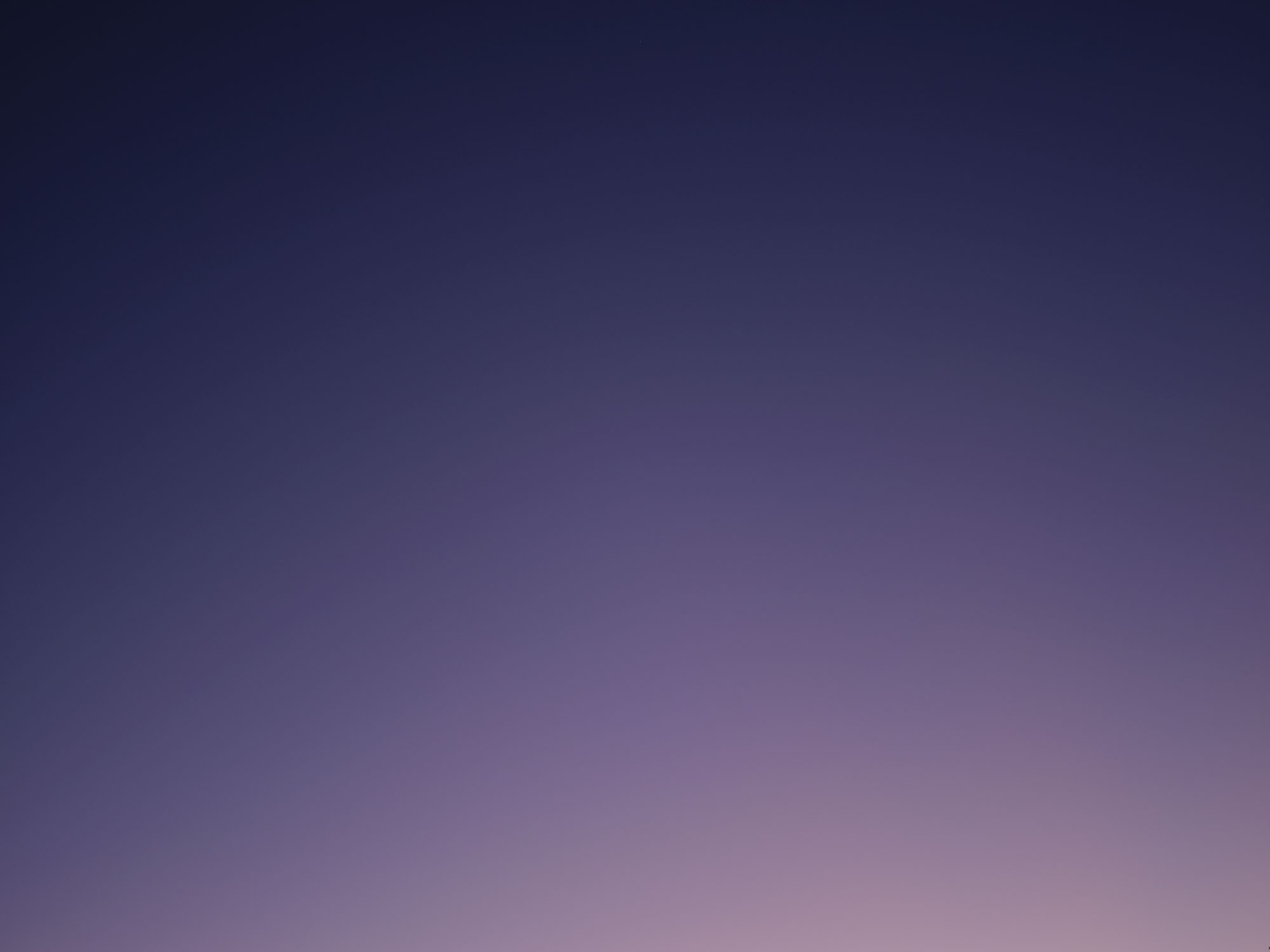
The Same Sky, Otherwise is a year-long photographic collaboration between the artists Kim Richardson of Santa Fe, New Mexico, and Keith Grosbeck of Vancouver, British Columbia. Once a week, in the morning, in the afternoon , and in the evening, both artists photograph the sky from their respective locations. The structure is simple and disciplined; the subject is infinite and continually changing. As Dōgen writes, “If you are unable to find the truth right where you are, where else do you expect to find it?”
The project investigates a central paradox: the sky is often understood as universal—shared, continuous, and borderless—yet it is also profoundly shaped by place. Altitude, latitude, moisture, temperature, and light alter its appearance moment by moment. By removing the foreground and horizon, the photographs isolate the sky as both subject and field of perception, allowing subtle differences to emerge over time.
Across distance—between Santa Fe and Vancouver—the work becomes a study in attention, repetition, and variation. What initially appears identical gradually reveals itself as distinct. The accumulation of images forms a visual record of atmosphere, time, and locality, while reflecting a shared commitment to sustained observation.
Rooted in both conceptual rigor and contemplative practice, The Same Sky, Otherwise engages questions of place, perception, and relationality. The project draws on traditions that understand repetition as a form of attention and landscape as a living, shaping force of awe.
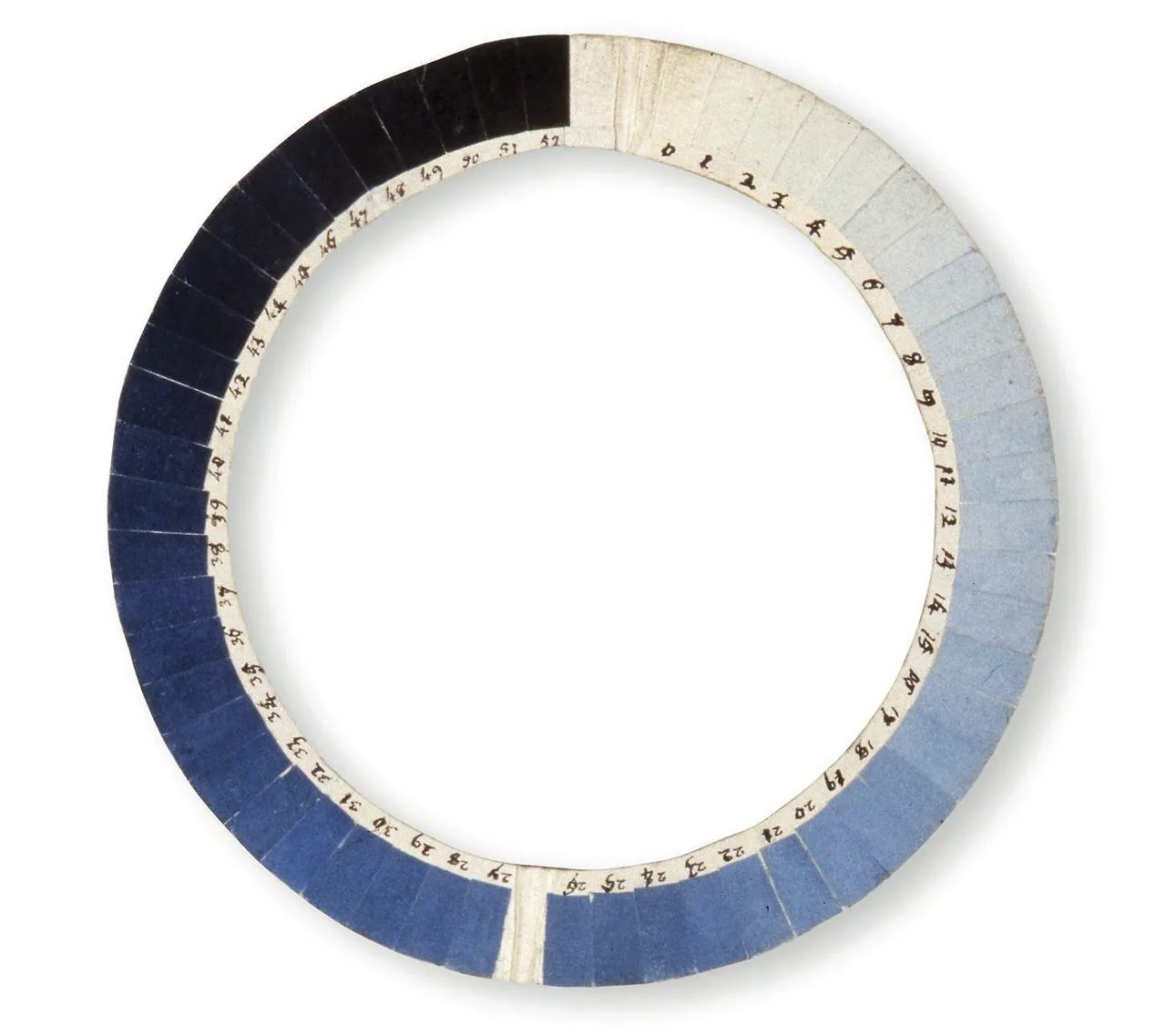
The project builds upon the legacy of Alfred Stieglitz’s Equivalents, in which clouds function as both subject and an index of inner states, grounded in his assertion that “the sky and clouds are there for everyone.” The Same Sky, Otherwise extends this proposition into a contemporary framework of shared observation and authorship. A second reference is Horace-Bénédict de Saussure’s cyanometer, whose gradated scale for measuring the blueness of the sky situates the work between scientific observation and abstraction.
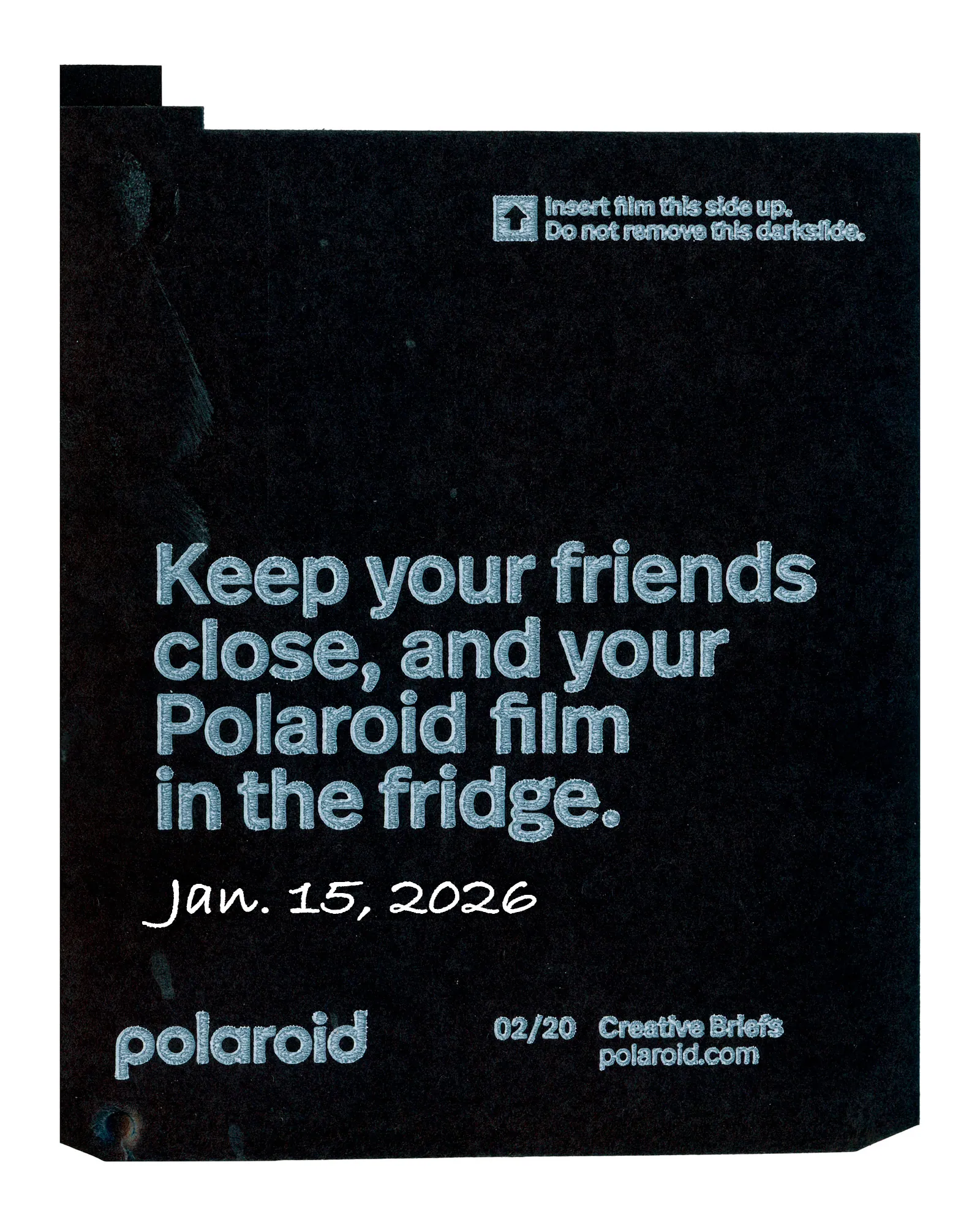
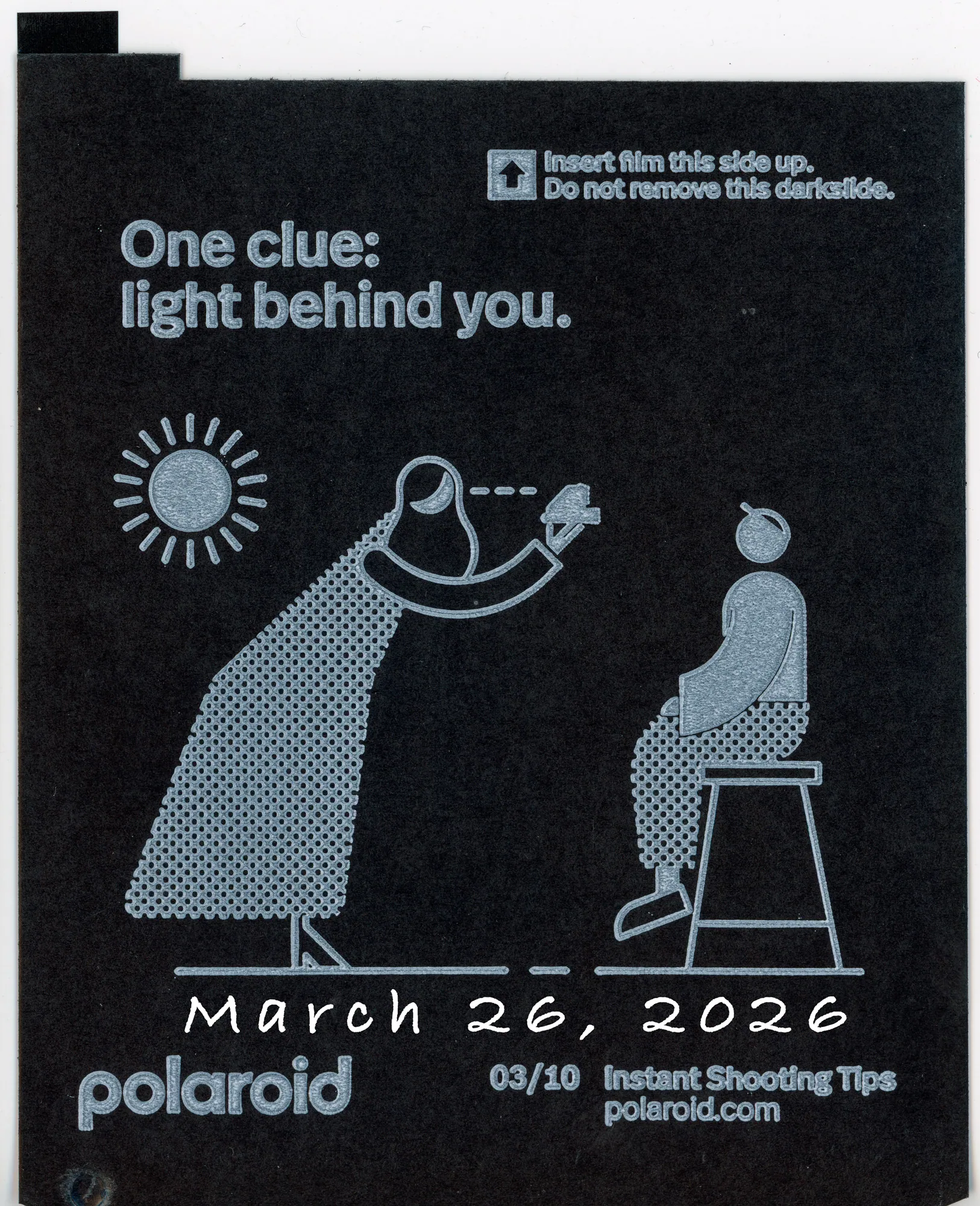
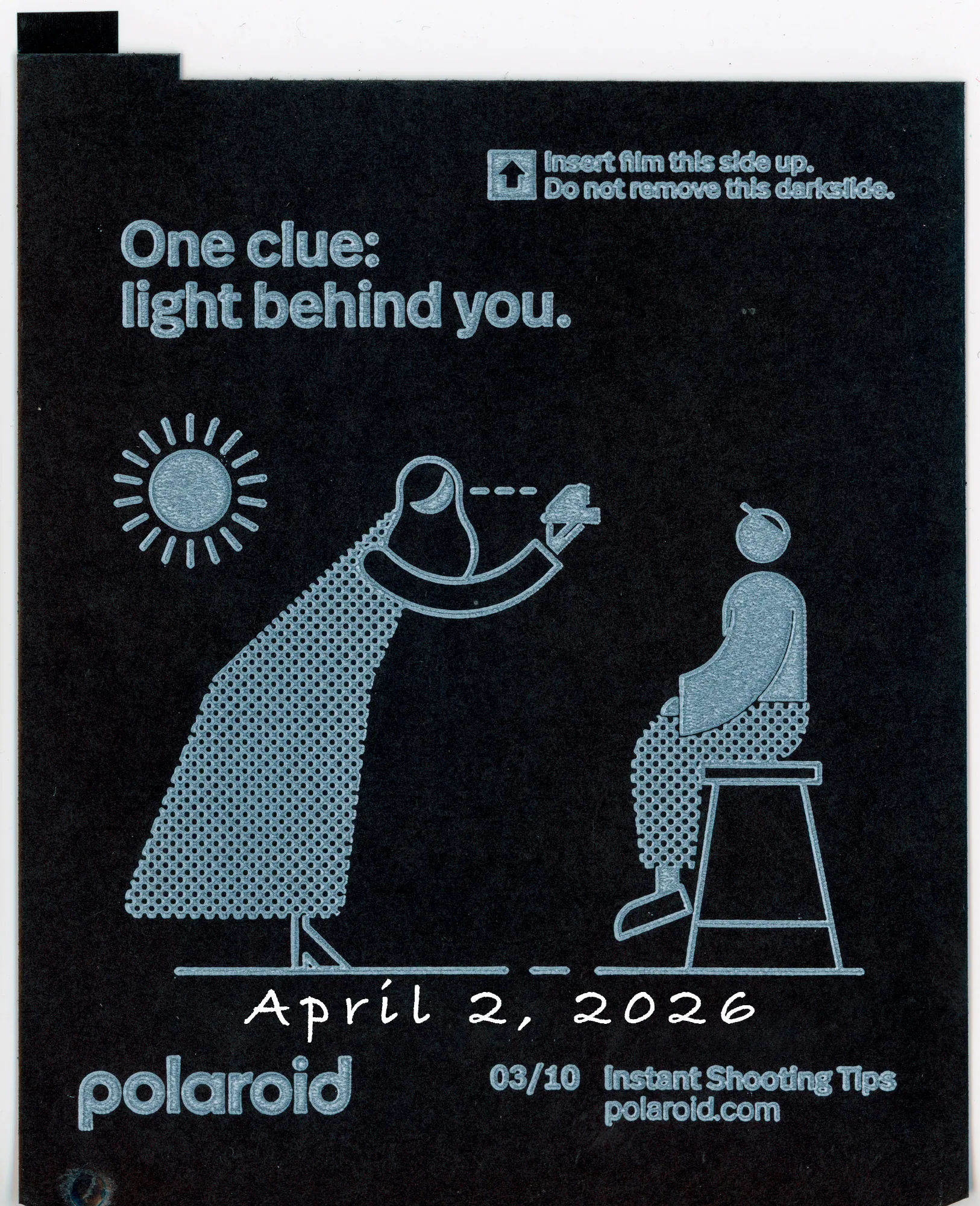
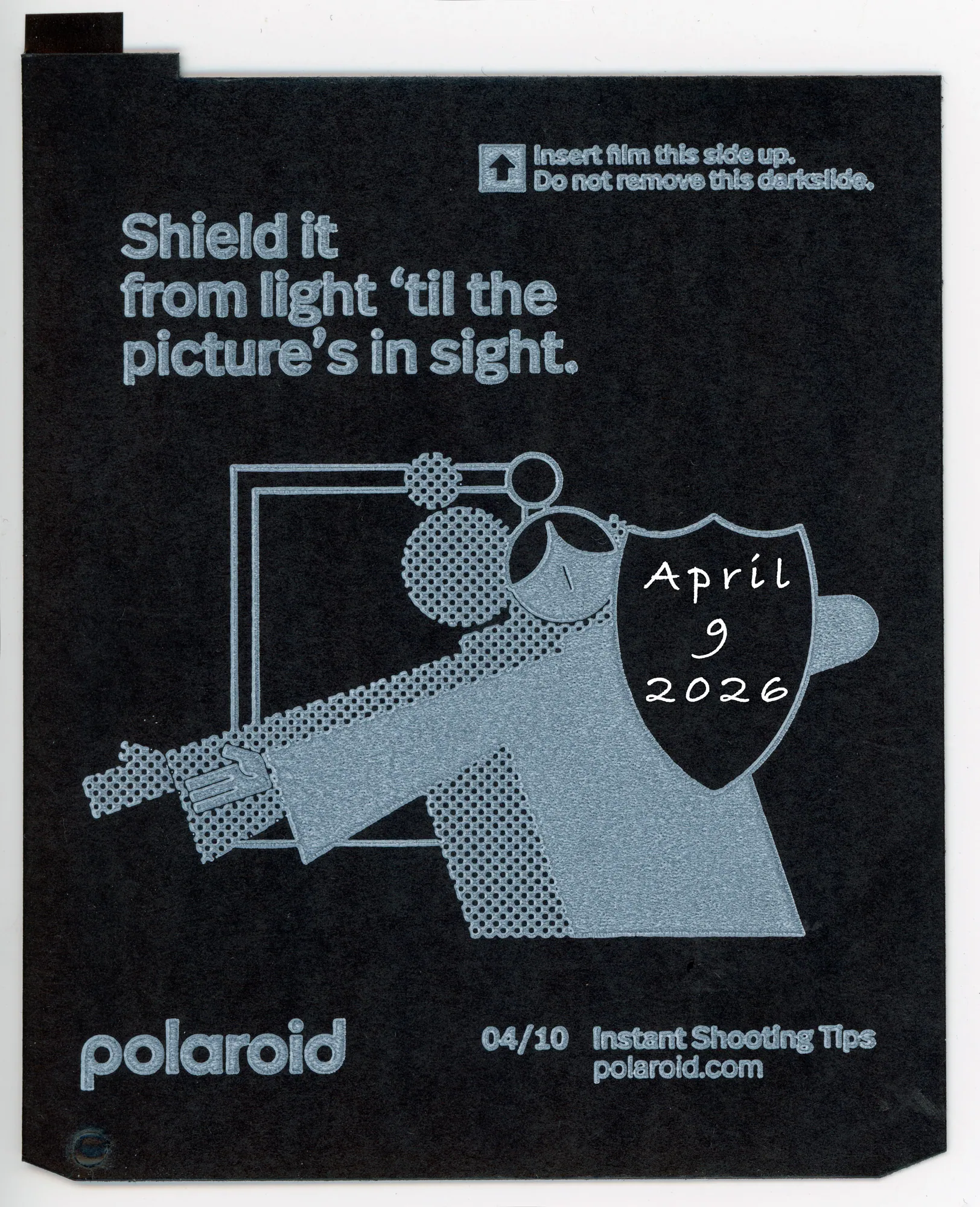
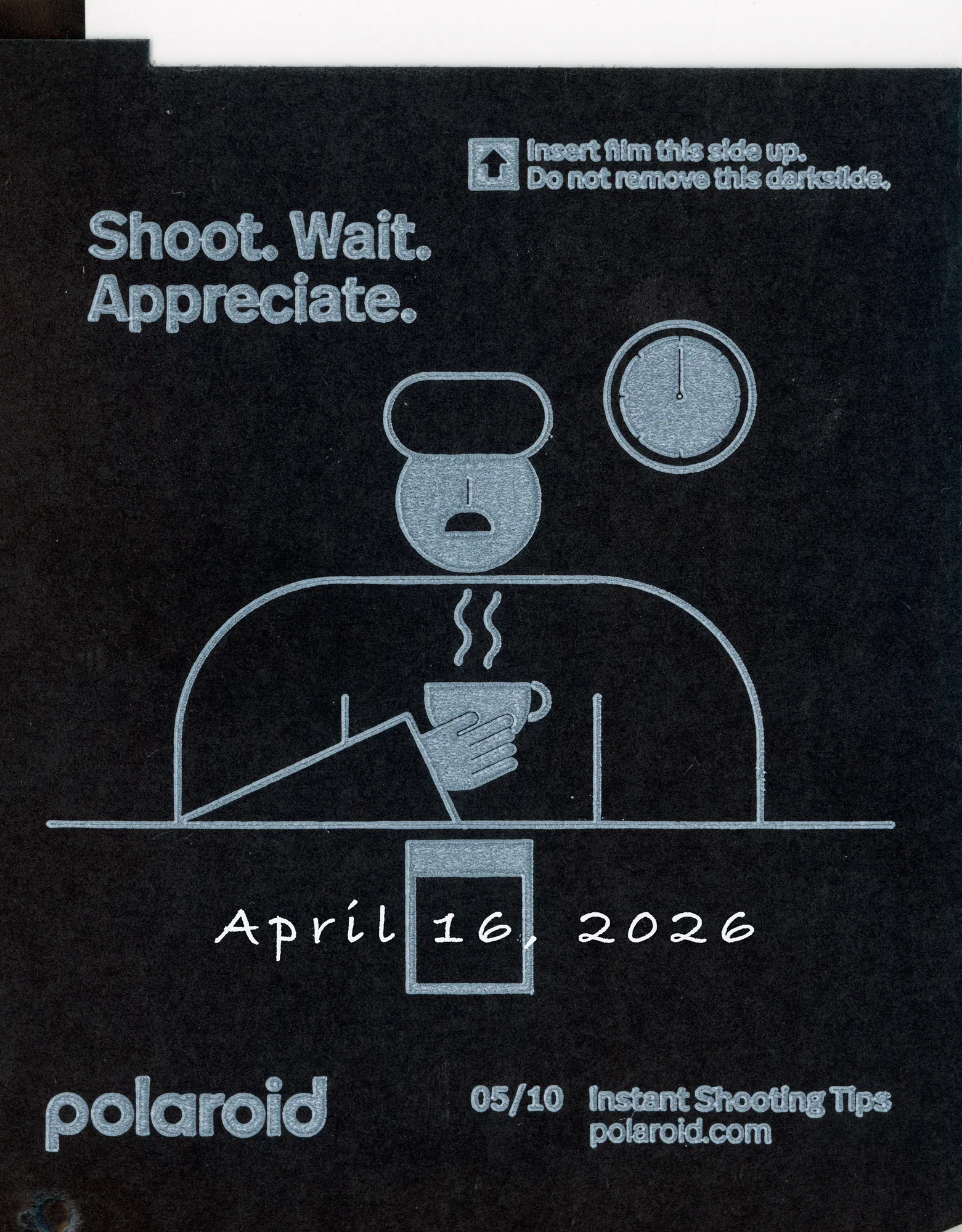
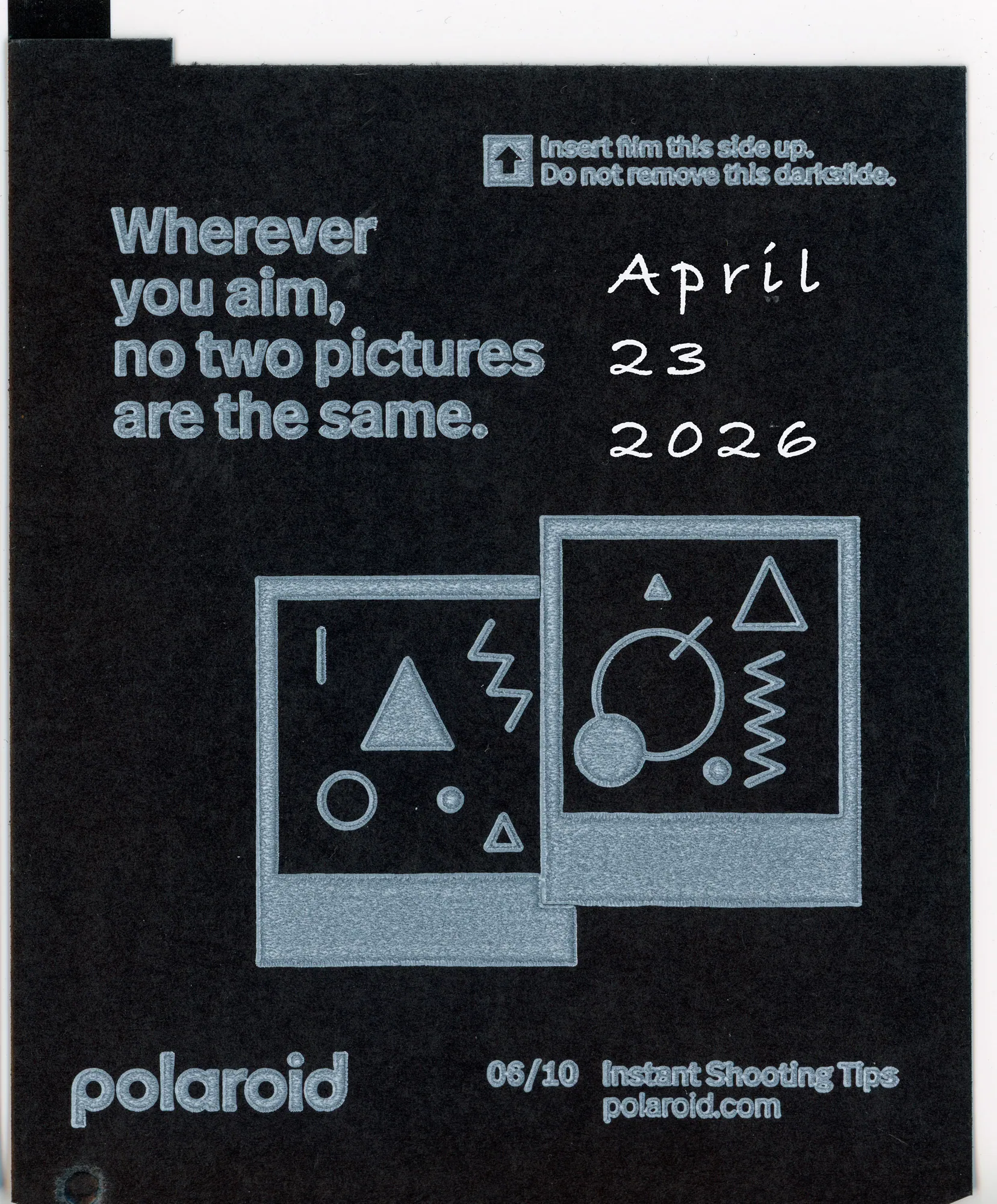
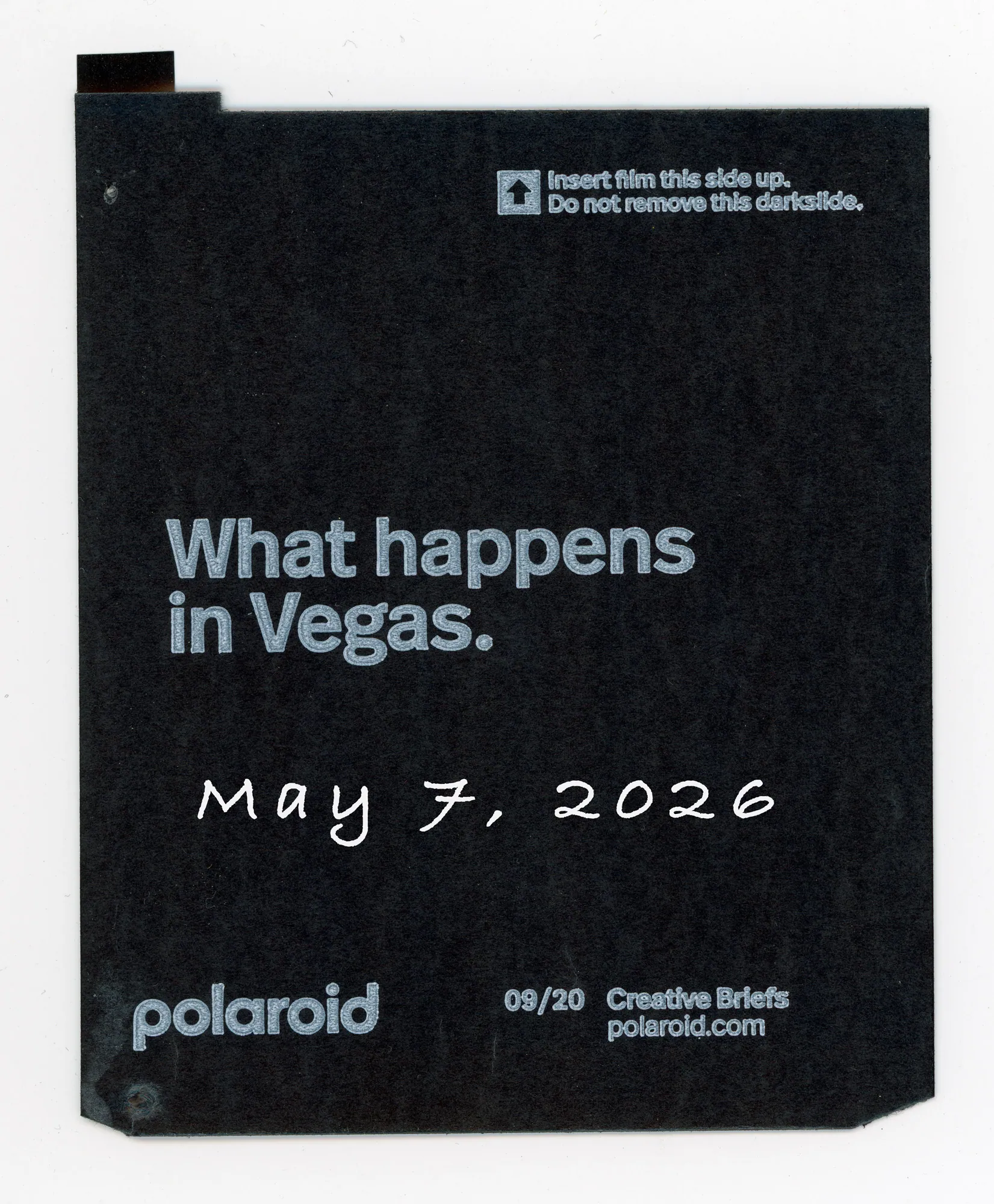
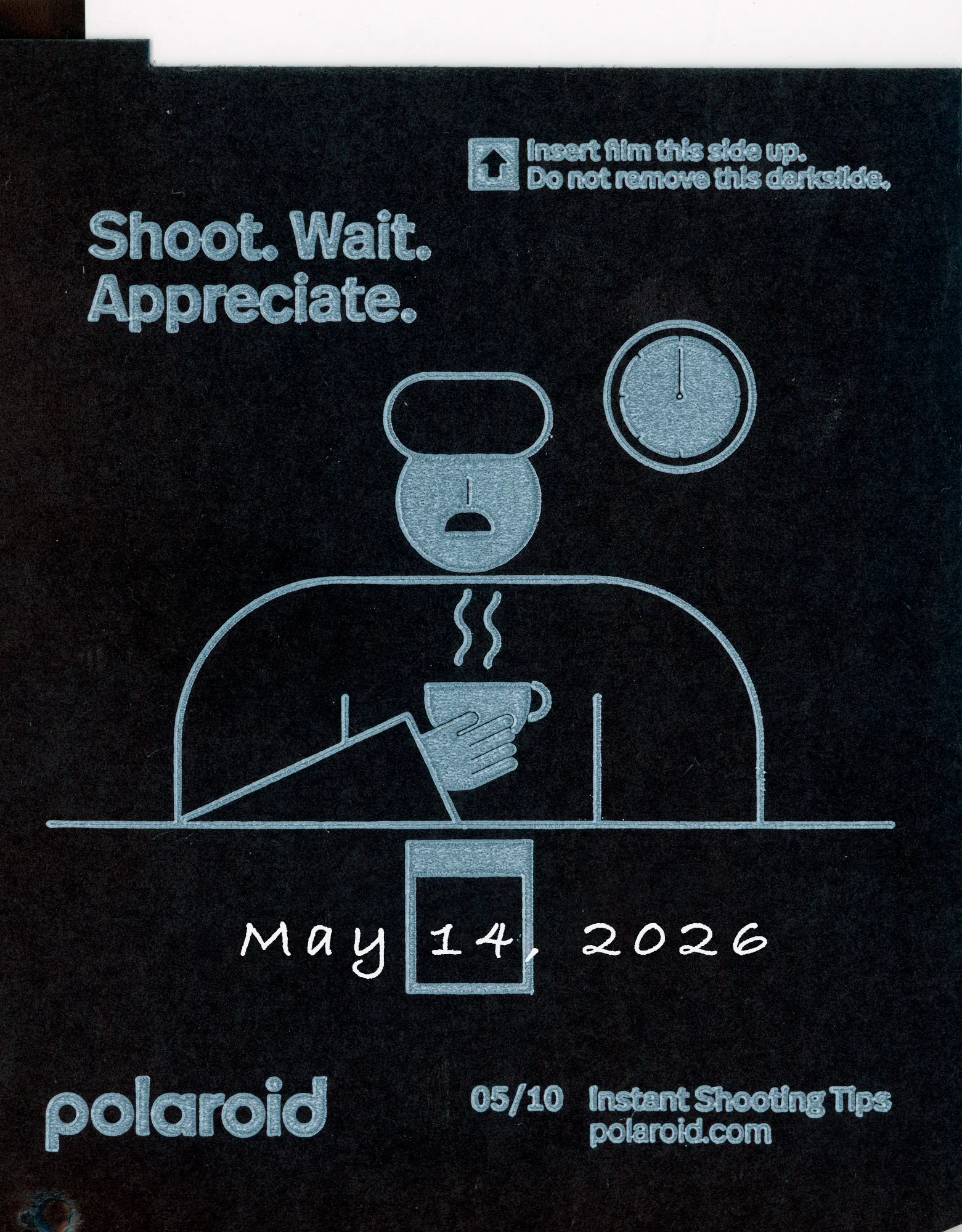
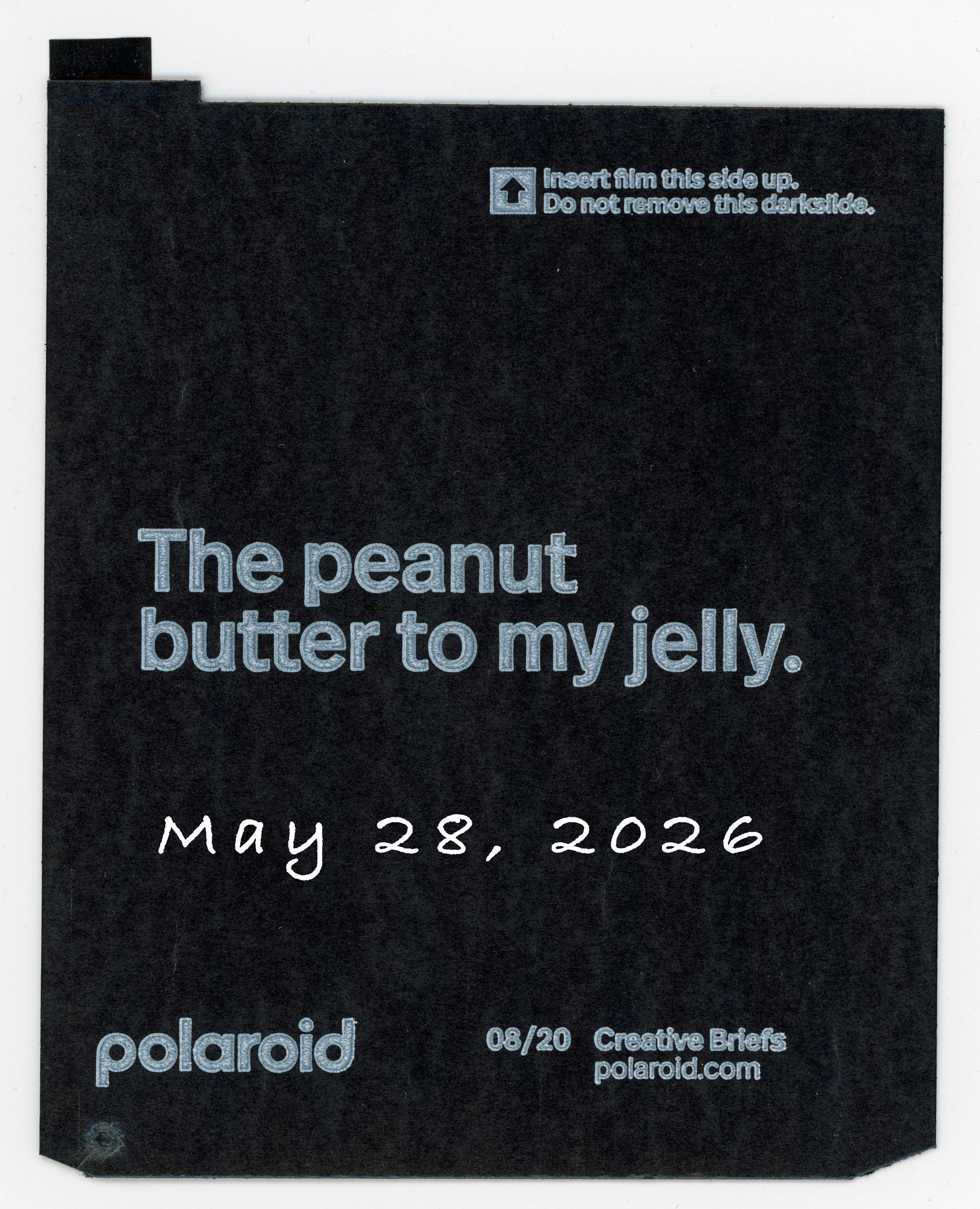
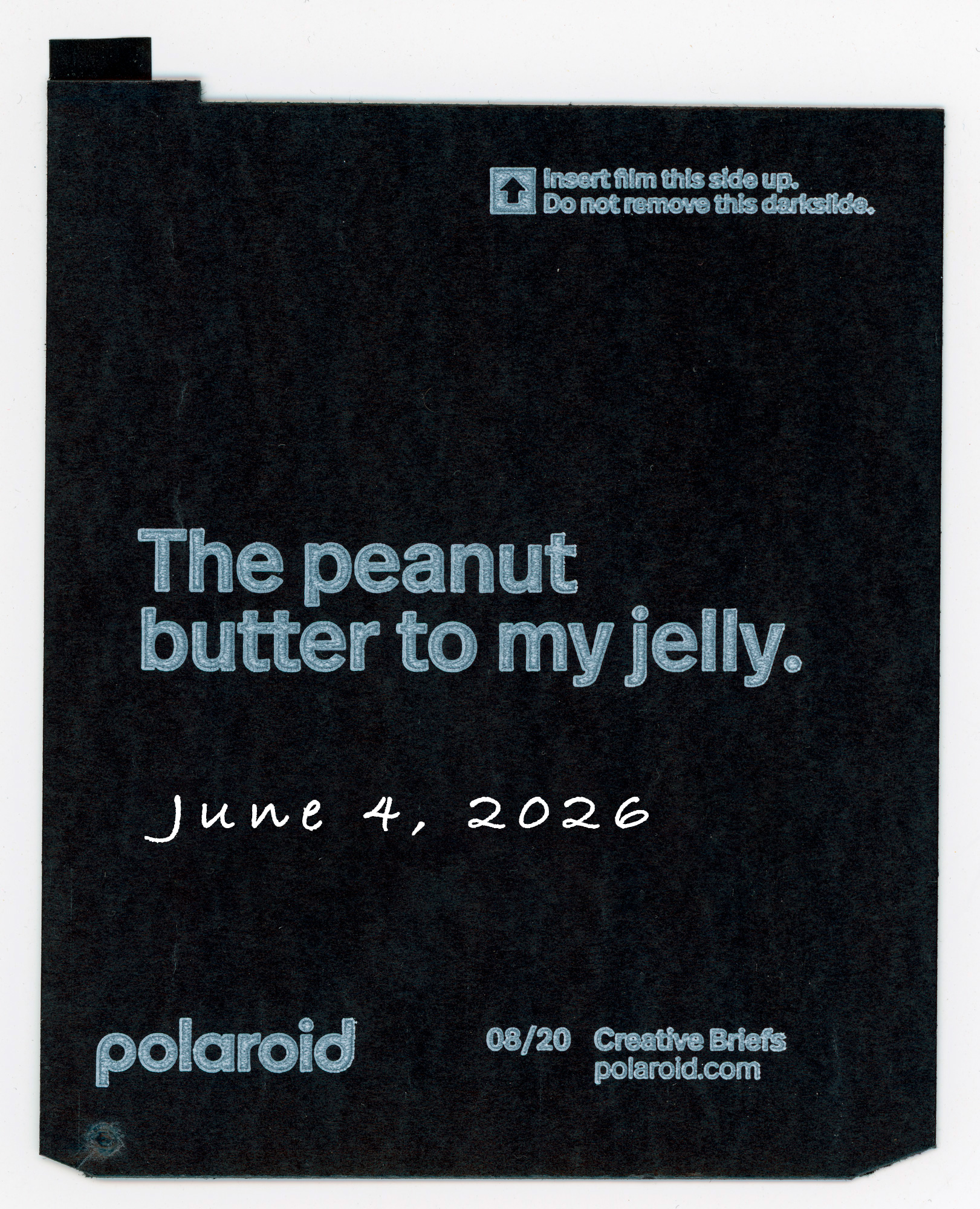
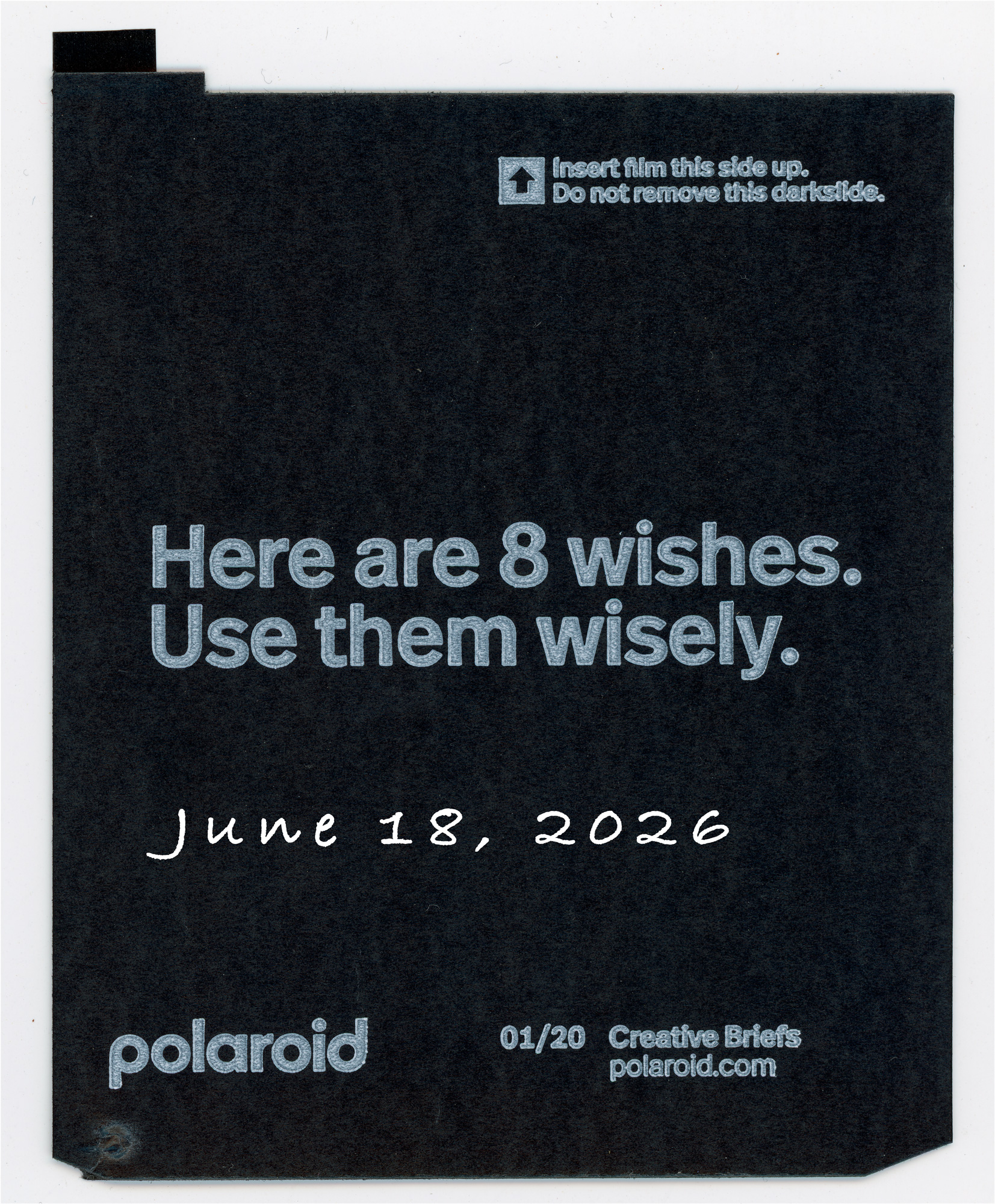
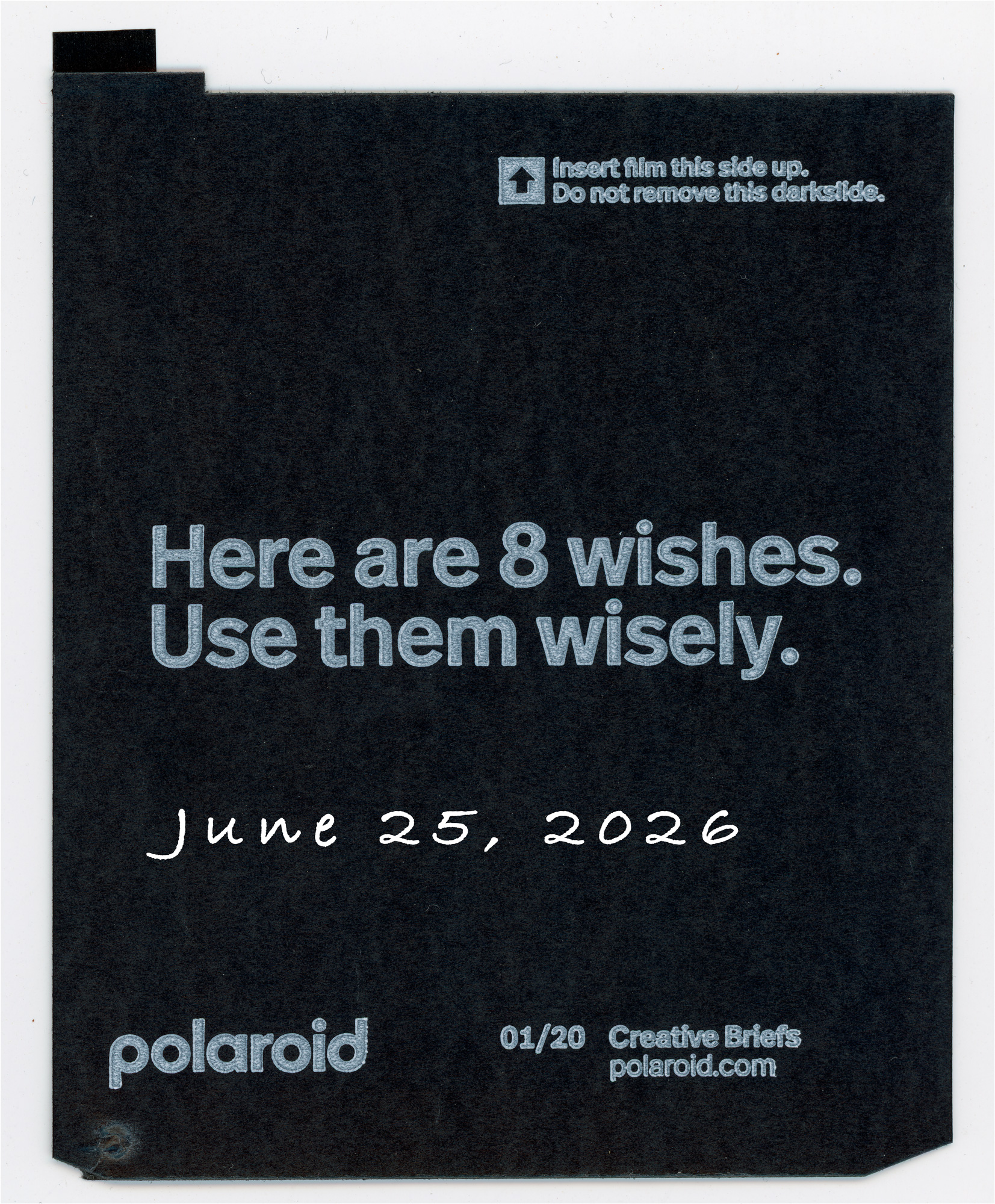
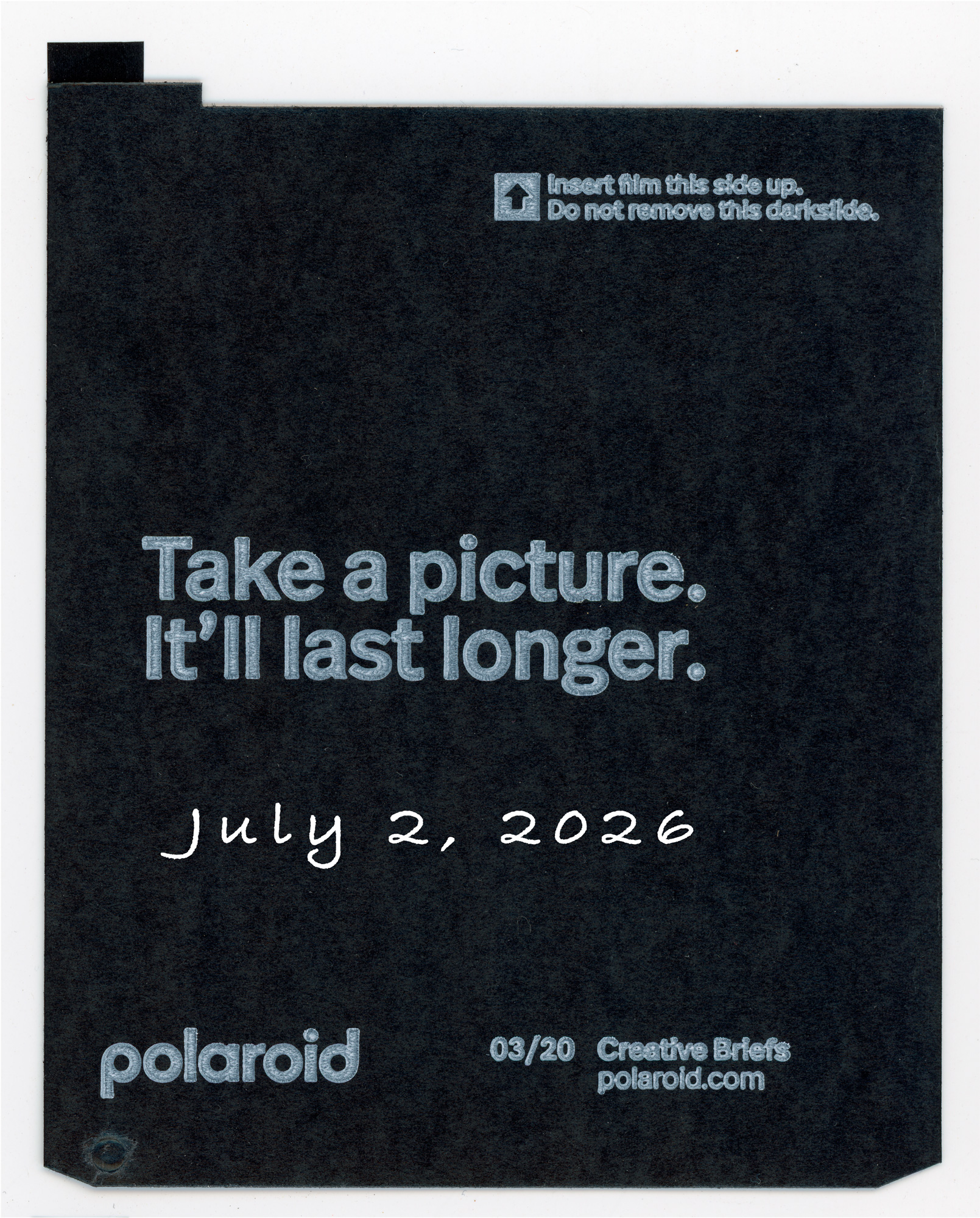
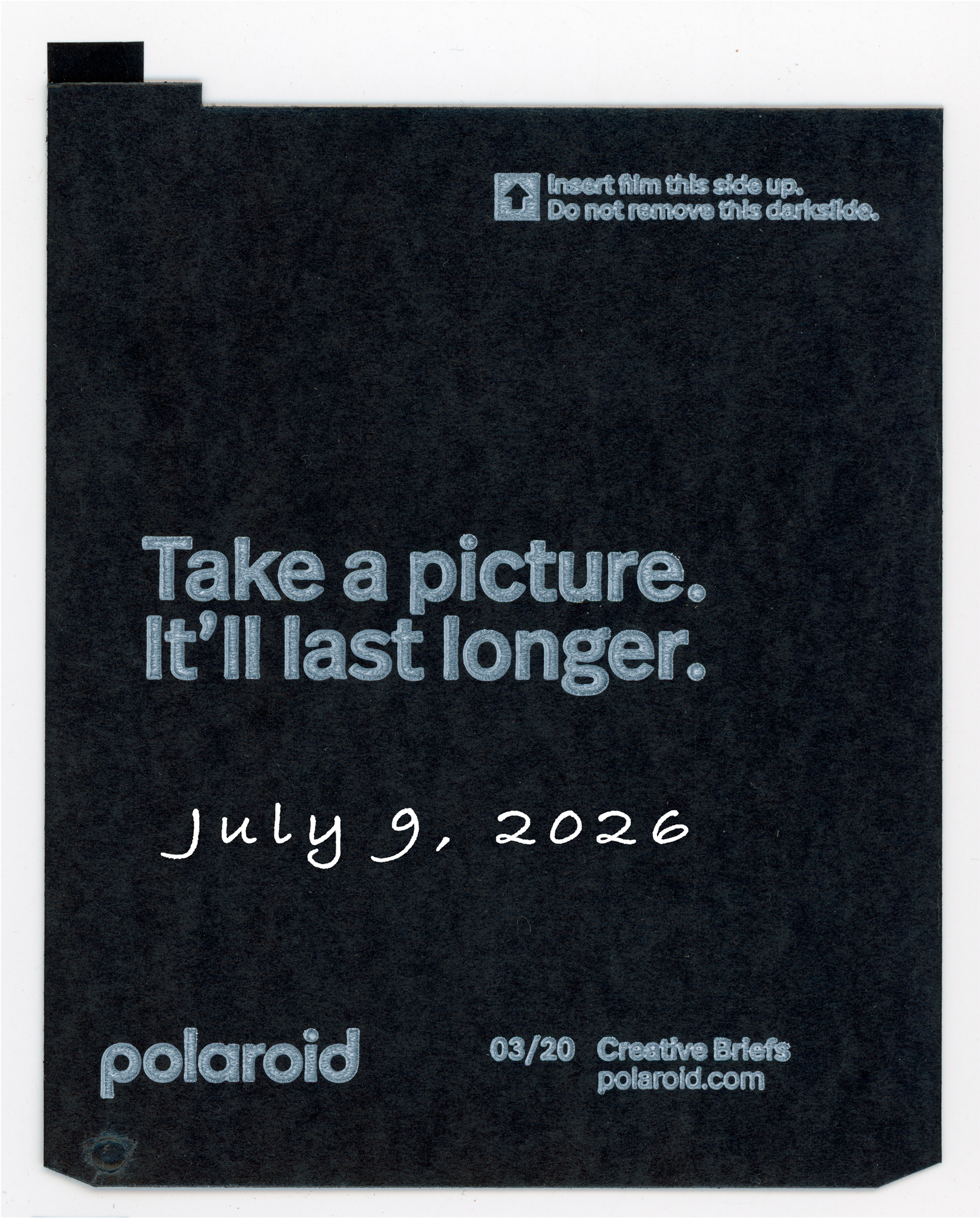
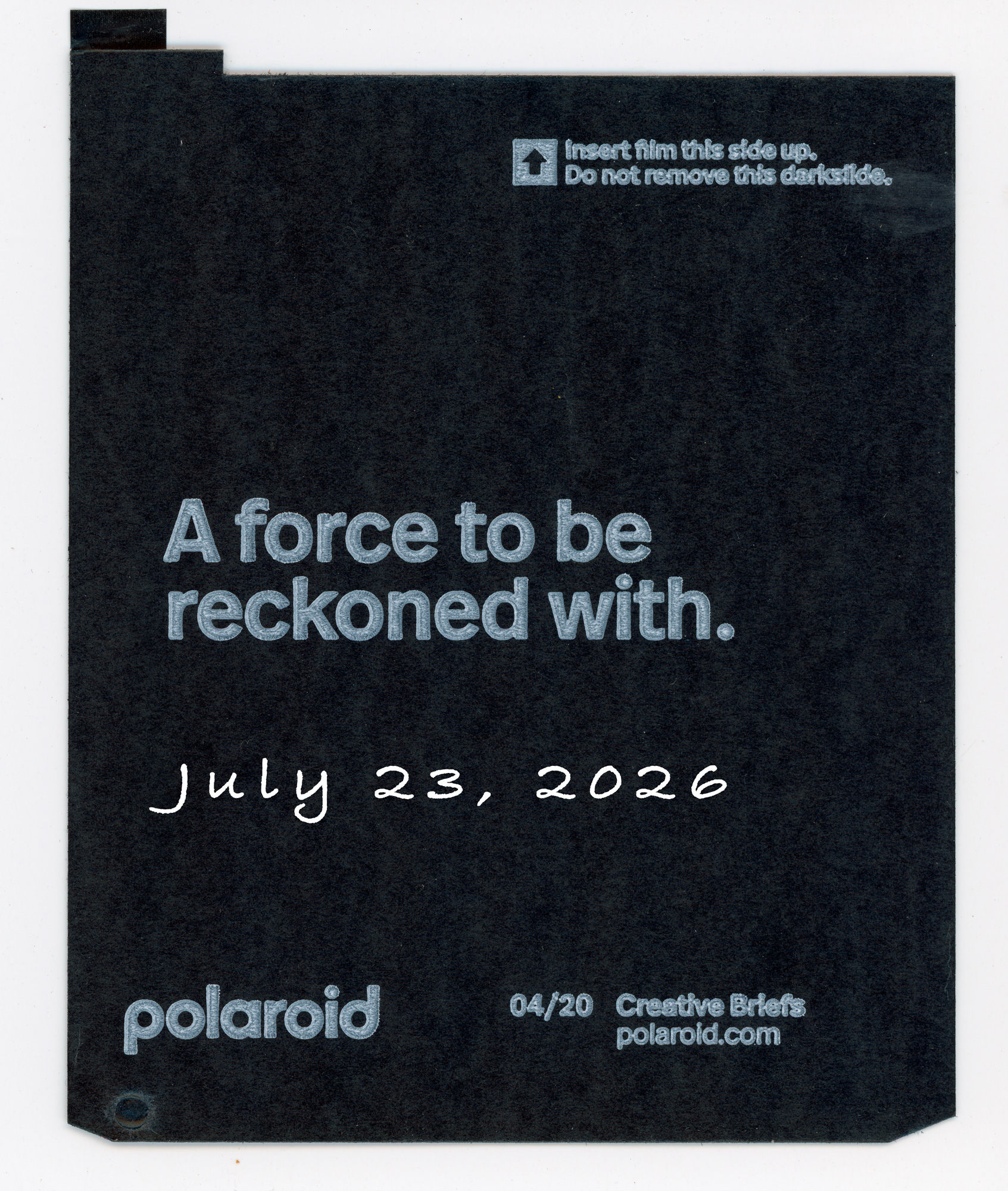
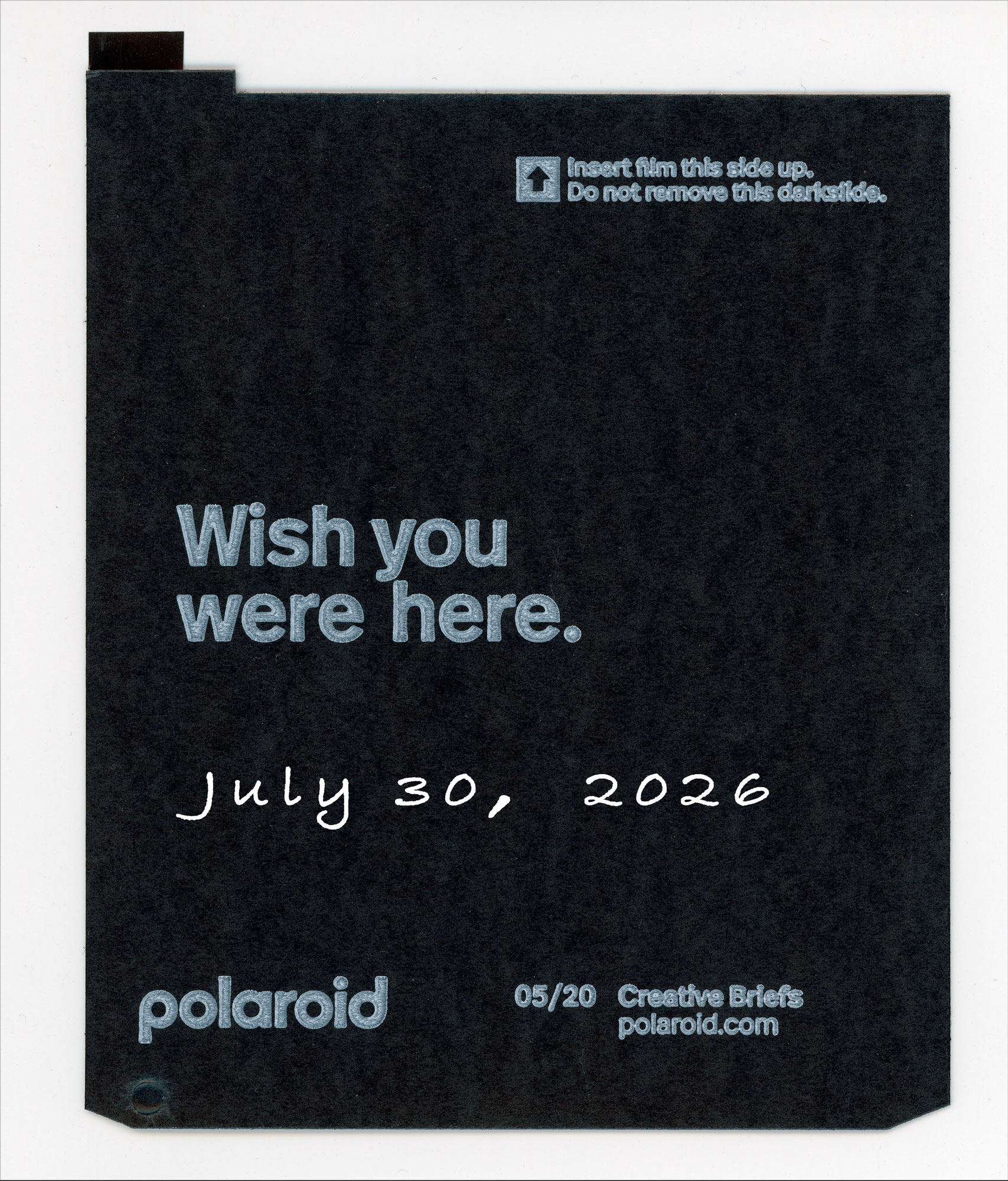
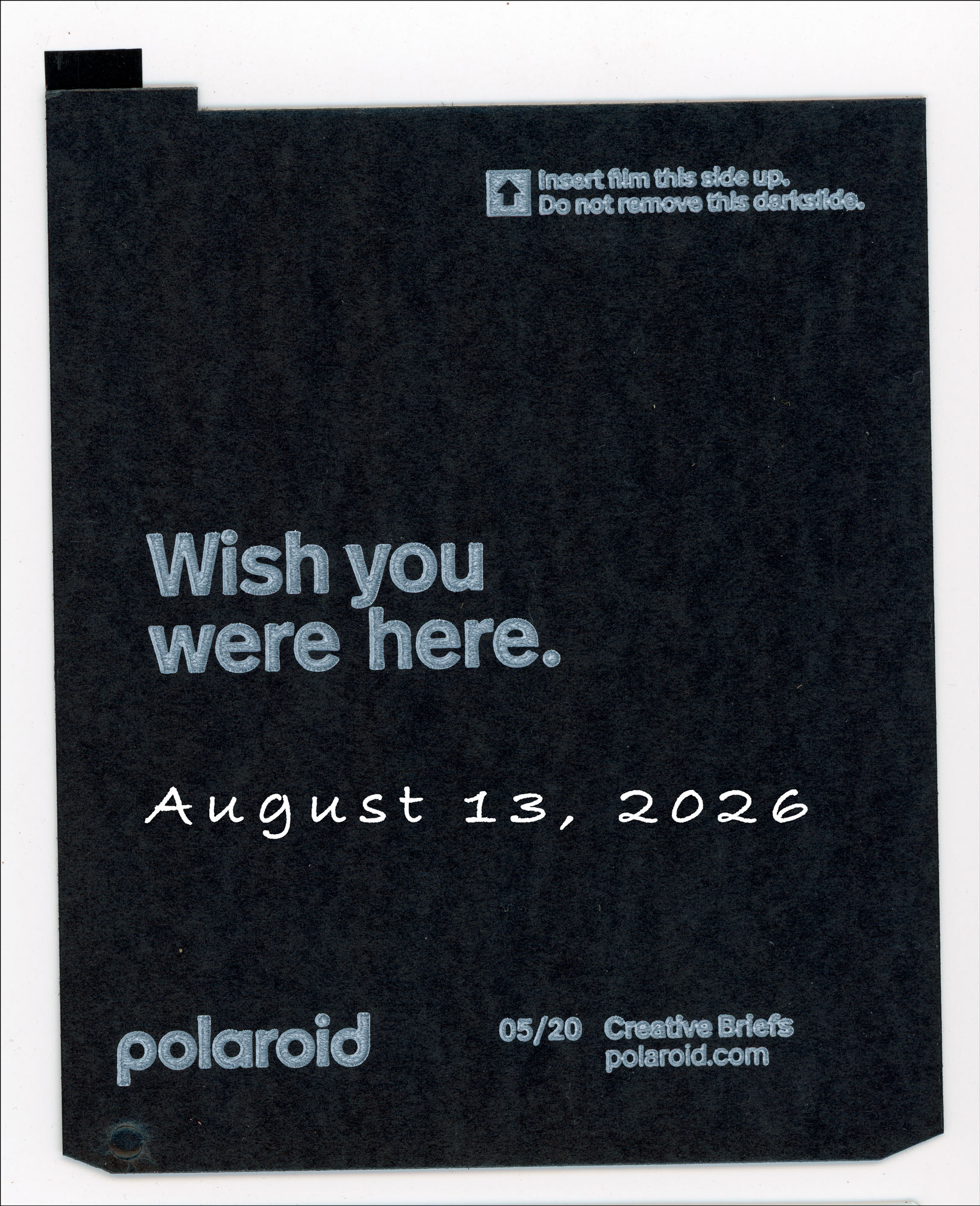
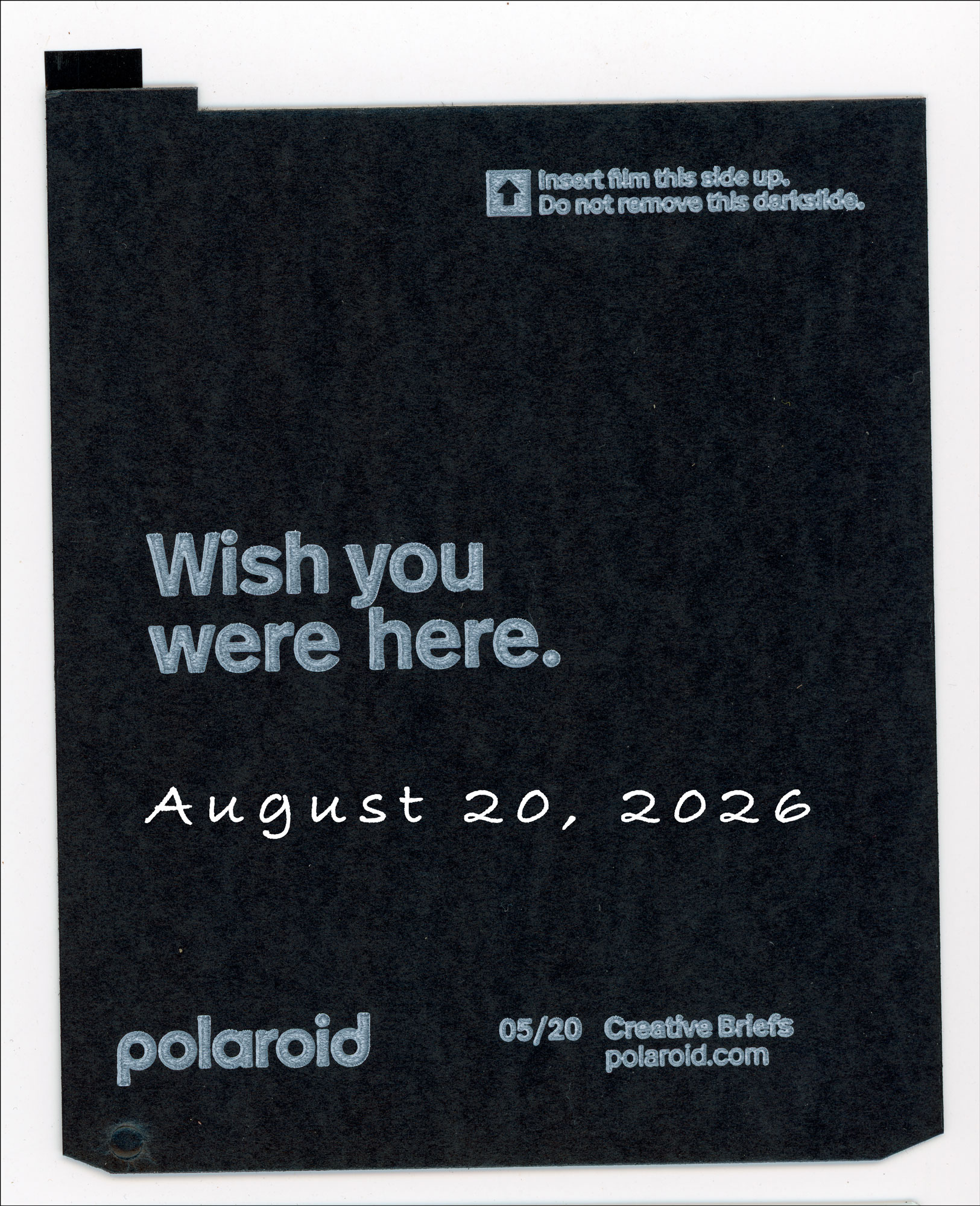
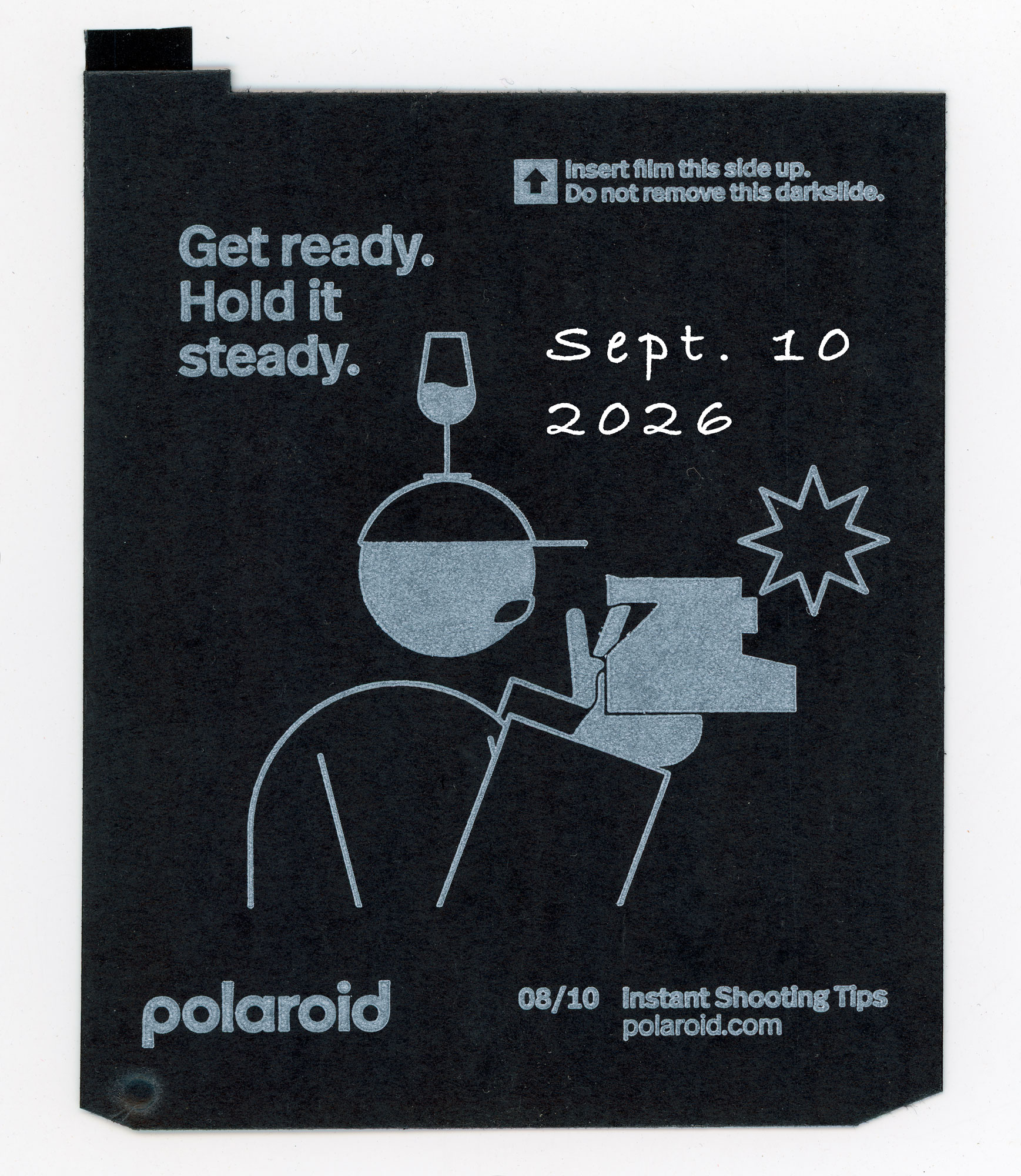
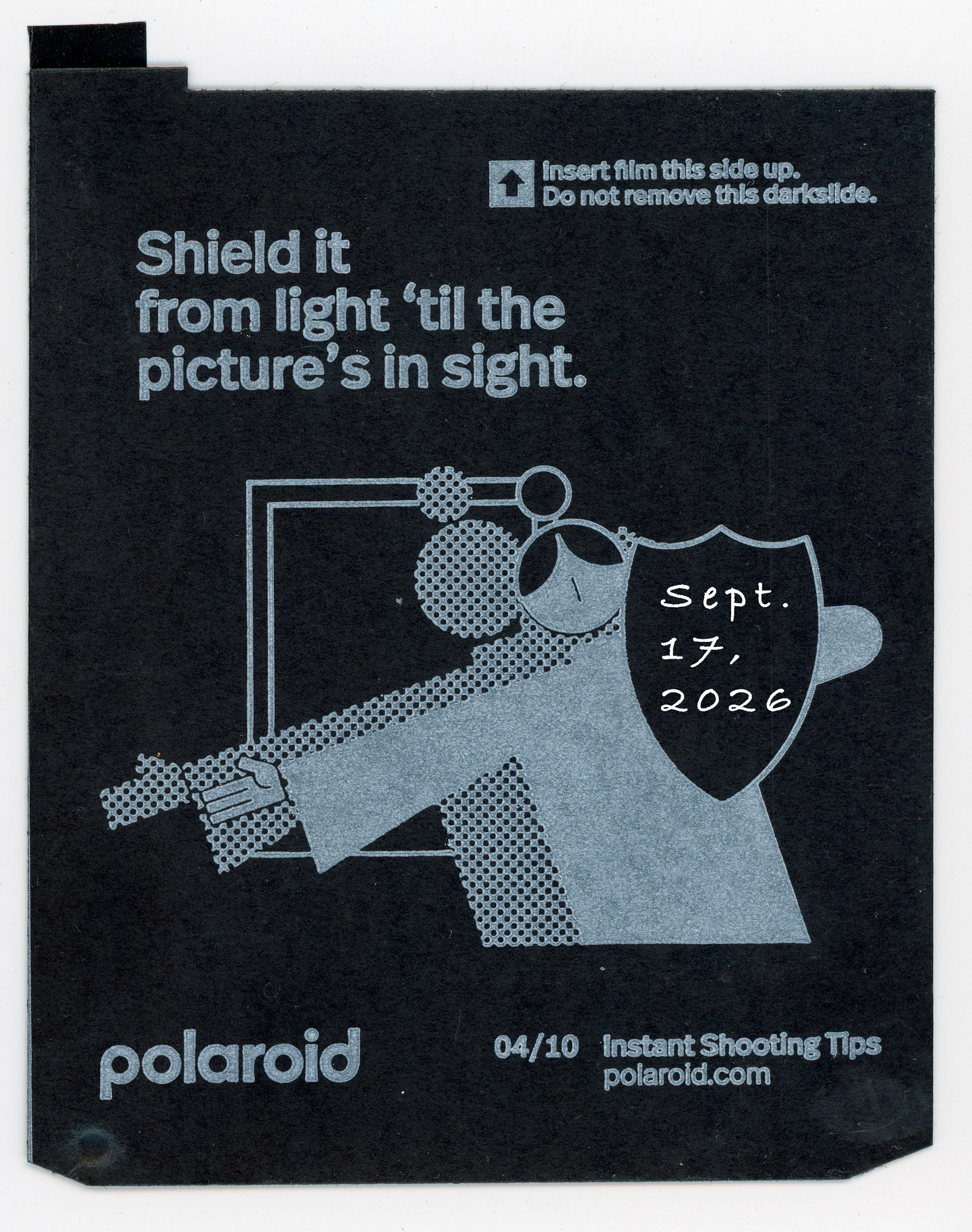
Another important point of reference is On Kawara’s Today series. When I lived in New York City, from the late 1990's through the mid-2000's, I encountered his date paintings in person. At first, they annoyed me. Their insistence on marking a single day with nothing more than its date seemed almost absurdly reductive. Yet that simplicity was also profoundly effective. Each painting asserted that this day occurred—that something happened within it, whether or not we knew what it was. I began to think about the countless human stories contained within a single day: lives unfolding simultaneously, experiences accumulating, and then, over time, receding into memory and eventually dissolving. Still, a human life took place.
This encounter with Kawara’s work informs my understanding of The Same Sky, Otherwise. The photographs register patterns of time and season that often go unnoticed precisely because they are always occurring above us while our attention remains directed toward the ground. Yet ground and sky exist in an inseparable exchange. Moisture rises from the earth and gathers in the atmosphere; clouds form and return water to the ground. Winds, temperature, light, and changing atmospheric conditions continually move between these two realms.
Through its repeated act of looking, this project asks us to become attentive to that ongoing exchange. In this sense, the work shares something with Kawara’s daily practice: a quiet insistence on presence. Not simply that I arrived or that I saw, but that I was here—within this particular moment, beneath this particular sky, becoming part of the larger continuum of time, weather, place, and life.